IRIS USA WeatherPro 19-Qt Gasket Storage Bins (6-pack)
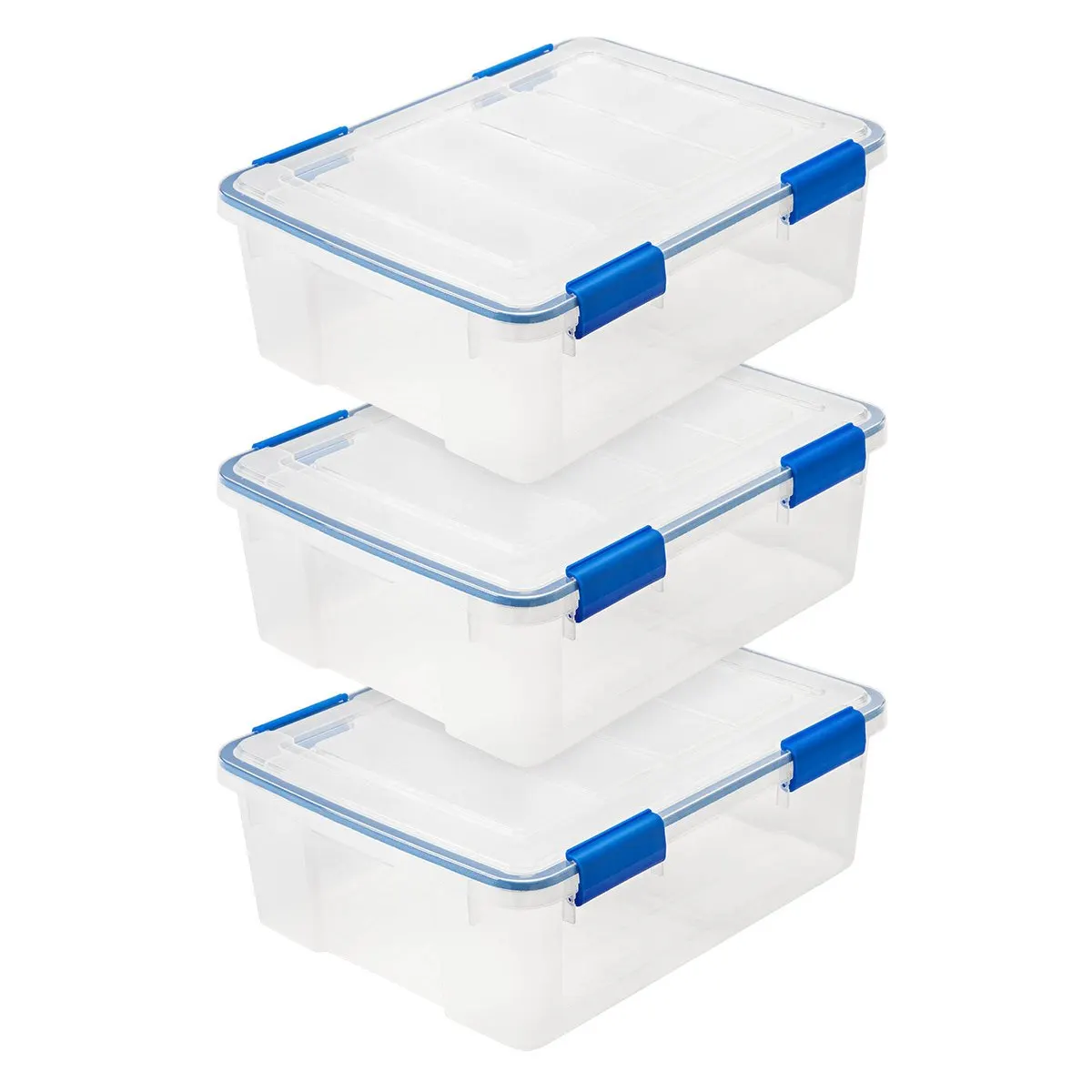
- Model
- 585420 (clear, 6-pack)
- Pieces
- 6
- Sizes
- 6 × 19 qt (identical)
- Interior
- 14.75 x 9.62 x 7 in (each, Amazon listing)
- Exterior
- 17.5 x 11.75 x 7.88 in (each, IRIS)
- Materials
- BPA-free polypropylene + gasket lid (IRIS)
- Warranty
- None stated
Overview — Who is this for?
Van pantry storage tends to split into two camps: boxes with a strong reputation that cost a lot, and cheap totes that leak dust and rattle loose. The IRIS USA set sits in a useful middle ground: six identical 19-quart latching bins with gasketed lids, at a budget price. Among the budget pantry bins we cover, it's the one with a real lid seal rather than a friction-fit lid.
What the Amazon link sells: the IRIS USA 6-Pack of 19 Qt Storage Bins with Gasket Lids, clear bins with black lids (ASIN B00I3944PW, IRIS model 585420). At the time of checking it was sold by Amazon.com. IRIS now markets this line as WeatherPro; older listings and this site's earlier coverage call it "Weathertight." All six bins are the same size. The Amazon listing gives each bin as 14.75 x 9.62 x 7 inches inside and 17.5 x 11.8 x 7.9 inches outside. IRIS's own page lists 17.50 x 11.75 x 7.88 inches, which is the same box rounded differently.
Choose this if:
- You want a dry, sealed pantry inside the van on a budget
- A grid of identical bins suits your cabinet or shelf
- Clear walls that show contents at a glance matter to you
Skip this if:
- You need small bins for spices or a first-aid kit (all six are 19 qt)
- Your storage lives outside, on a roof rack, or in constant sun
- You need submersible or lockable storage
This review is for van builders who want a dry, organised, modular pantry without paying for a stack of Front Runner Wolf Pack Pro boxes. It suits weekend trips, seasonal road trips and part-time van life, with the bins kept inside the vehicle.
What IRIS publishes
IRIS's US product page for the 19-quart WeatherPro box lists:
- Models: 585420 (clear, 6-pack, the one this site links to), 585426 (black, 6-pack) and 110380 (clear, single bin).
- Size: 19 quarts; 17.50 x 11.75 x 7.88 inches.
- Material: "heavy duty polypropylene," "BPA FREE PLASTIC," and "MADE IN USA with GLOBAL MATERIALS."
- Seal and latches: "high quality heavy duty seals in the lids to block out moisture and dust," and a "multi-buckle" latch system.
- Stacking: grooves on the lid and body for secure stacking.
- Uses named: pantry storage of "rice, flour, spices, seasonings, snacks, pasta, pet food."
What IRIS doesn't publish matters too. There's no stacking load rating, no temperature or UV rating, no food-contact certification beyond "BPA free," and no replacement-lid or latch part on the page. The Amazon listing's warranty field says there is no warranty. IRIS's page offers product registration, but we found no stated warranty term. Assume you're buying a budget bin with no meaningful warranty, and price that in.
The six-bin system
Each bin is about 14.75 x 9.62 inches of floor with 7 inches of interior height. That's a shallow, wide box: tall enough for a box of pasta laid flat, a stack of tortillas or a row of standing spice jars, but not for a standing olive oil bottle or a tall cereal box. Check the 7-inch interior height against your tallest pantry items before you buy.
Identical bins have real advantages in a van. Every bin fits the same cubby, so you can rotate them freely. Lids are interchangeable, and if one bin cracks, any of the others can take its place. The trade-off is that you can't size a bin to a small category. A 19-quart bin holding only spices is mostly air.
A sensible allocation:
- Bin one, breakfast and coffee: oats, granola, coffee, tea, peanut butter. You open it most, so it goes on top or at the front.
- Bin two, dinner staples: pasta, rice, tortillas, bouillon, lentils.
- Bin three, spices, oils and condiments: use a small tray or Sistema KLIP IT PLUS containers inside to keep small items grouped and upright.
- Bin four, snacks: crackers, nuts, dried fruit, bars.
- Bins five and six, backup stores: cans, spare pasta and rice, a spare jar of oil. They can live deeper in the rig because you open them once or twice a week.
For what belongs in a van pantry, see the van pantry shelf-stable staples guide.
Weight adds up. Canned goods are dense. A bin full of cans can weigh 20 pounds or more, and six loaded bins add real weight to a van. Put the heaviest bins lowest and closest to the axle line, and plan how they're restrained.
The gasket seal
The lids have a gasket in a channel around the rim, which compresses into a seal when the buckles close. The Amazon listing calls it an "airtight gasket seal" against "moisture, dust, and pests." IRIS's page says the seals "block out moisture and dust." Neither publishes a test standard or an IP rating, so read "airtight" as "well sealed for storage," not as a waterproof rating.
You can check your own bins' seals in two ways:
- Quick check: put a folded paper towel with a splash of water inside, latch the lid, and leave it on a dry shelf overnight. If it's still damp in the morning, the seal is holding moisture in.
- Better check: put a humidity indicator card and a silica pack inside, latch it, and leave it somewhere humid for a week. A good seal keeps the card reading low.
For a van pantry, the seal matters more than it seems. It keeps pantry moths and weevils out, keeps odours from travelling between bins, and slows humidity swings that cake salt and sugar. It isn't a submersible seal, and a bin that falls into a river isn't what it's designed for.
The gasket needs to be seated properly. If you push the lid on at an angle, the gasket can lift out of its channel. Glance at the rim when you close a bin.
Stacking and restraint in a moving van
The grooved lids and bases let any bin stack on any other. IRIS doesn't publish a stacking load, so use common sense: heaviest bins at the bottom, and no more than three high in a moving vehicle.
The real issue is lateral movement. The grooves locate one bin on another, but they don't lock them together. On a hard corner or washboard, an unrestrained top bin can walk loose, and under hard braking a loaded bin is a projectile. Restrain stacks with a cam strap tied to an anchor point, or build a cubby with a lip or a retaining bar. The guide to stopping van kitchen rattles covers the difference between keeping bins quiet and actually restraining them.
The uniform 17.5 x 11.8-inch footprint makes cubby design simple. Size the opening so the bins sit snug with a finger's width to spare, and you've solved most of the sway. For dimensioning a full galley, see the van kitchen storage solutions guide.
Durability: the latch is the wear point
The body is heavy-duty polypropylene, and the plastic buckle latches are hinged on a thin molded section. On any bin like this, the latches are the likeliest part to wear: repeated flexing fatigues the hinge, and cold makes the plastic stiffer and more likely to crack. Polypropylene also ages faster under sustained UV exposure, so bins on an open shelf under a skylight are on a shorter clock than bins in a dark cabinet. IRIS publishes no UV rating.
To get the most life from them:
- Don't overfill. A lid forced down over a bulging bag strains every latch.
- Close latches with the lid seated first, rather than using the latches to pull a misaligned lid down.
- Keep them out of direct sun inside the van.
If a latch cracks, the bin isn't dead. The lid still sits on the gasket, and a short bungee over the top holds it closed. Because all six lids are identical, a spare bin effectively gives you a spare lid.
Other uses around the van
Beyond the pantry, 19-quart bins are useful all over a build:
- Electronics and cables: chargers, SD cards, a backup headlamp. The gasket keeps out dust and damp.
- First aid and medication: fits easily, though it uses only part of a bin.
- Pet food: IRIS names pet food as an intended use, and a sealed bin keeps the smell contained.
- Wet gear: the seal works both ways, so damp towels sealed in a bin don't make a cabinet musty. Dry them as soon as you can.
IRIS vs the alternatives we cover
Front Runner Wolf Pack Pro: an opaque, stiffer, single-size box built to nest securely when stacked and to mount on racks. A stack of Wolf Packs costs considerably more than this six-pack. It's the better fit for exposed or roof-rack storage.
YETI LoadOut GoBox 30: listed as IP65 and IP67, with a divided interior. It costs far more and is meant for a kitchen kit that must stay dry, not a pantry. See the IRIS vs GoBox comparison.
Sistema KLIP IT PLUS 3.35 L containers: smaller clip-lid food containers. They work well inside an IRIS bin for loose staples.
Unsealed latching totes close but don't seal, so dust and humidity get in. The gasket is what makes the IRIS set suitable for a van pantry.
Value for money
Split across six bins, the cost per gasketed bin is low, and a single Wolf Pack Pro costs considerably more than one IRIS bin. Even if you replace a bin or two over time, a set of interchangeable bins absorbs that easily. Check the current price with the button on this page.
Who should skip this
Skip the IRIS set if your bins will sit in permanent sun or extreme heat. Skip it if you want smaller bins for small categories, or if your tallest pantry items won't fit a 7-inch interior height. Skip it if you've committed to a Front Runner system and want matching boxes. And skip it if you need submersible or lockable storage, because these bins are sealed for storage, not waterproof.
Final Verdict
The IRIS USA 19-quart WeatherPro six-pack is a sensible budget pantry system for inside a van. It gives you gasketed dry storage, six interchangeable bins with a predictable footprint, and a price that lets you build out a whole pantry at once. Its limits are clear: plastic buckle latches that are the likely wear point, a single size that needs sub-organising for small items, no published stacking or UV rating, and no meaningful stated warranty. For stackable pantry bins kept inside the van and properly restrained, it's a well-matched choice.
FAQ
Is the IRIS Weathertight set actually airtight? For pantry purposes it seals well when the gasket is seated and all buckles are closed, and IRIS says the seals block moisture and dust. Neither IRIS nor the listing publishes a test standard or IP rating, so don't treat it as waterproof or submersible.
Are all the bins the same size? Yes. The listing this site links to is a six-pack of identical 19-quart bins (model 585420), about 14.75 x 9.62 x 7 inches inside and 17.5 x 11.8 x 7.9 inches outside.
How long do the latches actually last? IRIS doesn't publish a latch life or a warranty term. Plastic buckle latches are the likeliest wear point on bins like these, especially in cold weather and direct sun. If one cracks, a bungee over the lid keeps the bin usable, and a spare bin gives you a spare lid.
Can I stack these three-high while driving? Only with a cam strap or a retaining wall. The grooved lids locate the bins but don't lock them, and IRIS publishes no stacking load rating.
Are the bins food-safe? IRIS describes them as BPA-free and names rice, flour, pasta and snacks as intended uses, but publishes no food-contact certification. Keep food in its packaging, or in bags or food containers inside the bin.
What's the difference between WeatherPro and cheaper IRIS clear totes? The gasket. Basic latching totes close but don't seal. The WeatherPro line, which this site previously called Weathertight, has a seal in the lid channel, which is what makes it useful as a van pantry.
Can I buy replacement latches or lids? IRIS's page doesn't list replacement latches or lids. Because the six bins and lids are identical, a spare bin effectively gives you a spare lid.
Sources and verification
- IRIS USA, WeatherPro 19 Qt storage container product page: model numbers (585420, 585426, 110380), dimensions, 19 qt, polypropylene, BPA-free, made in USA with global materials, lid seals, multi-buckle latches, stacking grooves, named pantry uses; no stacking load, warranty term or replacement parts listed. https://www.irisusainc.com/products/storage-container-weatherpro-19-qt-gasket-box (checked 2026-10-12)
- Amazon listing for ASIN B00I3944PW, the listing this review links to, via the Amazon Creators API: title (6-pack, 19 qt, clear/black), model 585420, interior and exterior dimensions, gasket and latch wording, BPA-free, made in USA, warranty field, seller (Amazon.com), availability (checked 2026-10-12)
Compare with similar products
See how this stacks up against the other kitchen storage we've reviewed.
Head-to-head comparisons
Related Reviews
For: Spices on a steel surface
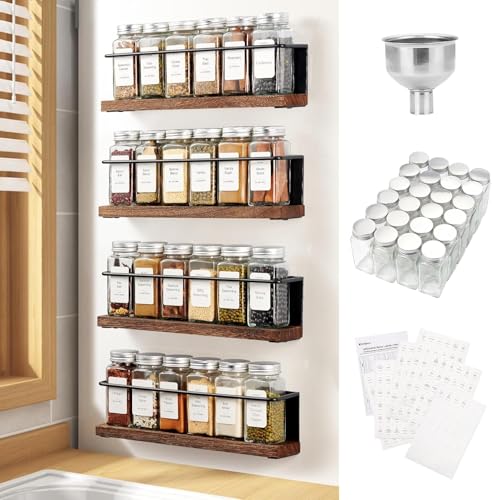
KitHero Magnetic Spice Rack with 24 Jars
Four magnetic shelves, 24 4-oz glass shaker jars and 216 labels at a modest price. Great value, but in a van it needs a steel plate to mount on and a strap or closed cabinet to keep jars put.
For: Waterproof gear storage
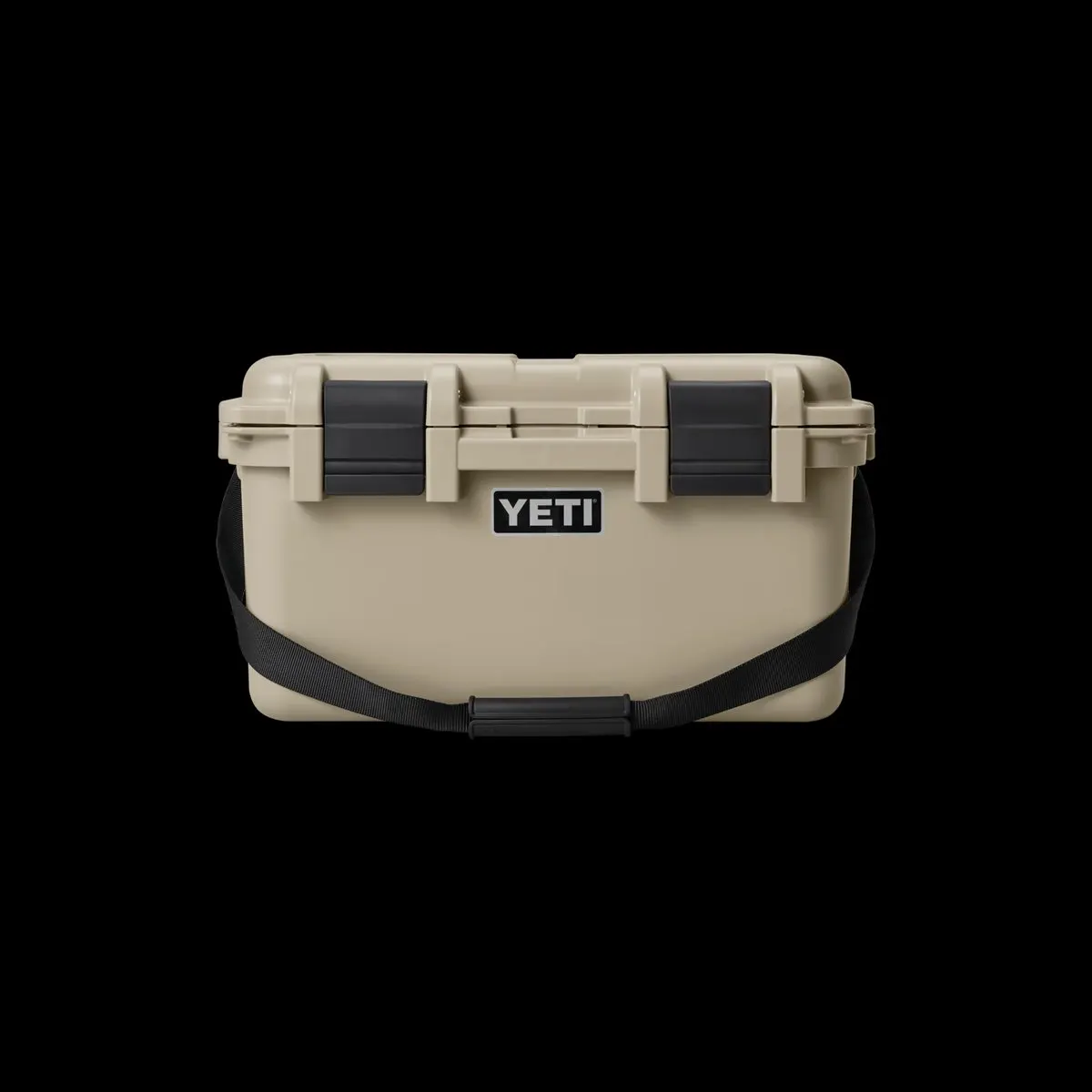
Yeti LoadOut GoBox 30 Gear Case
A premium waterproof gear case for kitchen kit, with modular dividers and a stackable lid. More than a pantry needs, but a good fit for gear that has to stay dry and protected.
For: Wheeled bulk storage
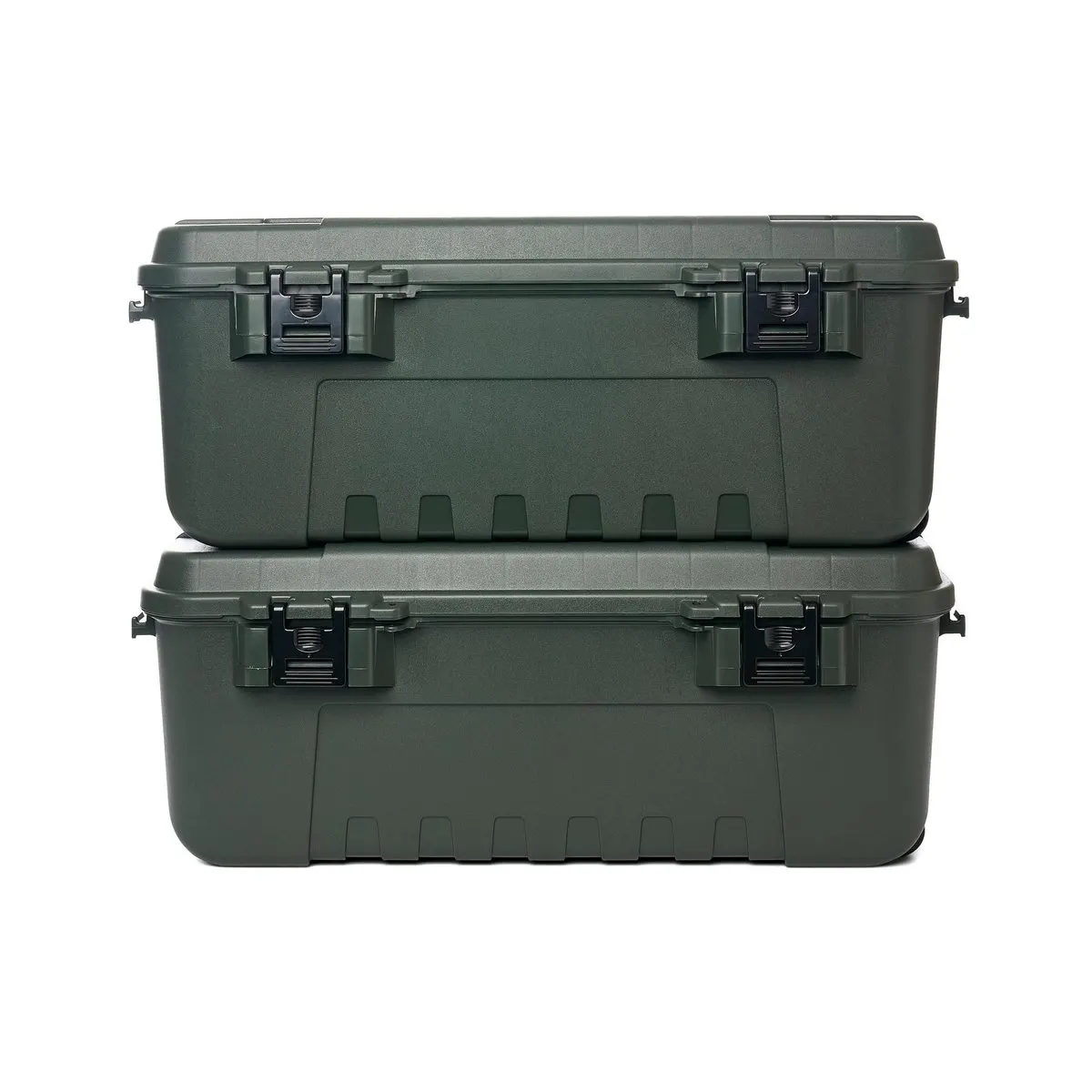
Plano Sportsman Trunk with Wheels (108 Qt)
A wheeled 108-quart polypropylene trunk (Plano model 191900) with padlock-ready latches and a textured lid that grips gear stacked on top. A middle ground between basic plastic bins and premium rotomolded cases, but it is not gasketed.