Kenyon B41600 Silken Single Induction
The built-in induction unit for flush-mount van kitchens. Marine-grade, fanless, and silent enough to cook at 3 a.m.
11 road-tested picks, ranked by our editorial score. Every product tested in real van life conditions — no sponsored rankings.
Your cooktop is the heart of any van kitchen. Whether you're searing steaks at a trailhead or simmering soup during a rainstorm, the right burner makes the difference between eating well and settling for cold sandwiches. Van life cooktops fall into three main categories: portable induction (efficient, safe, requires shore or inverter power), butane/propane single-burners (no electrical draw, works anywhere), and dual-fuel setups that give you flexibility across different camping scenarios.
The biggest decision is fuel type. Induction cooktops are the safest option — no open flame, no carbon monoxide — but they require 1,000–1,800W of inverter capacity and compatible cookware. Gas burners work off-grid without draining your battery bank but need ventilation. Consider your power system, cooking style, and how often you boondock versus plug in at campgrounds.
Every cooktop spends at least 30 days in our test vans. We measure boil times with 1L of water at sea level, simmer consistency over 20 minutes, fuel consumption per hour, and heat distribution across the cooking surface using an infrared thermometer. We also test wind resistance outdoors and measure BTU output versus manufacturer claims.

The built-in induction unit for flush-mount van kitchens. Marine-grade, fanless, and silent enough to cook at 3 a.m.

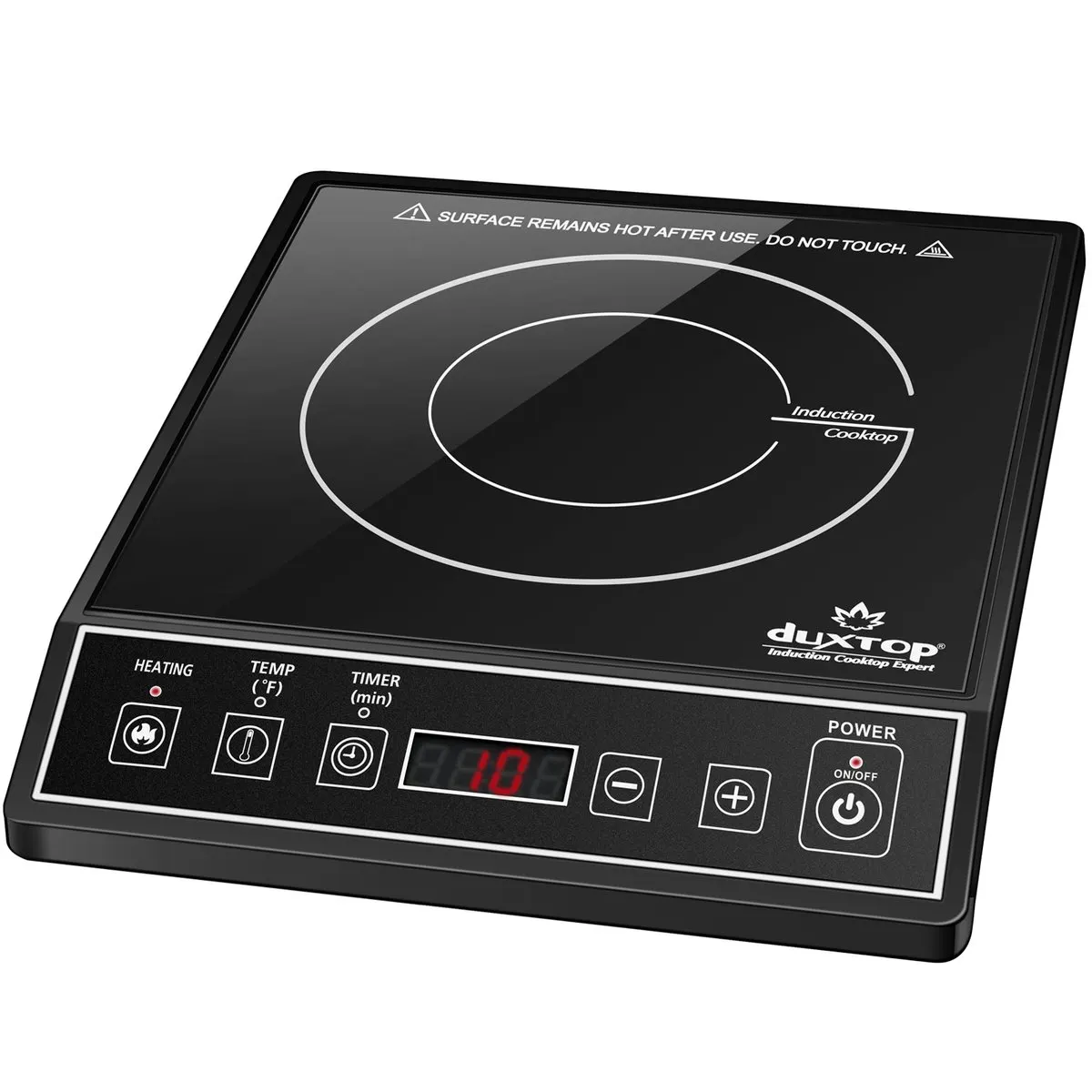
The budget induction king — 1800W, 15 power levels, and efficient enough to run off a modest battery bank.

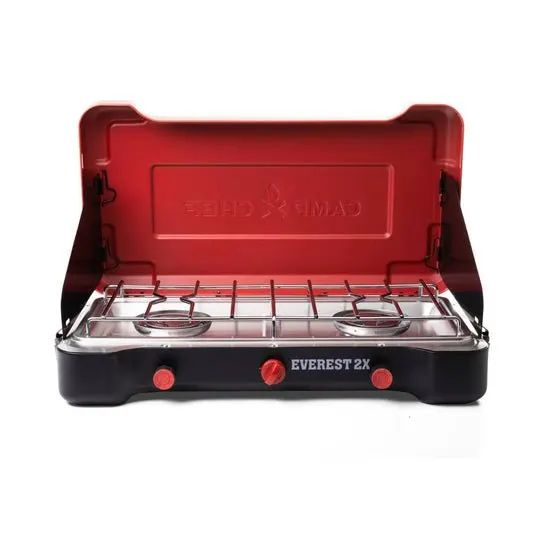
The premium 2-burner propane stove. 20,000 BTU per burner (40,000 total), matchless ignition, and built sturdy enough to outlast every Coleman in your campsite. The buy-once propane stove for serious van kitchens.

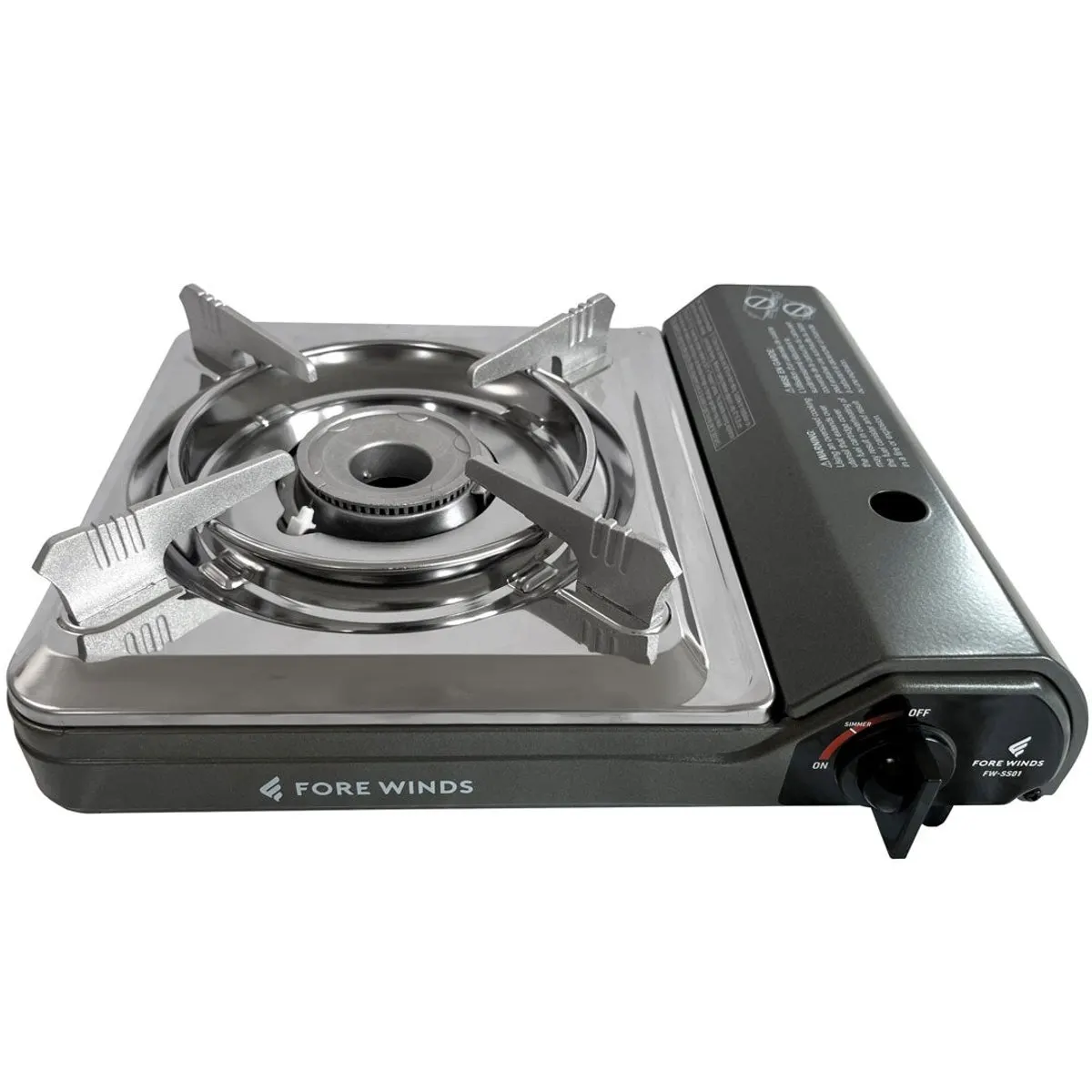
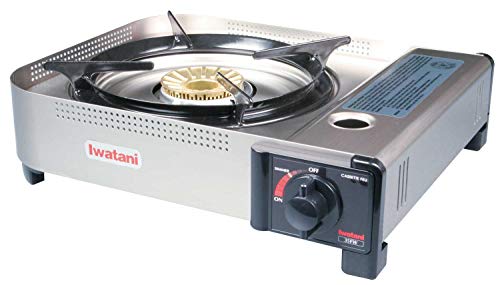
The premium butane stove from Japan. 15,000 BTU output, beautifully built, and the wind-resistant burner head actually works. The upgrade from the Gas One you should make in year two.

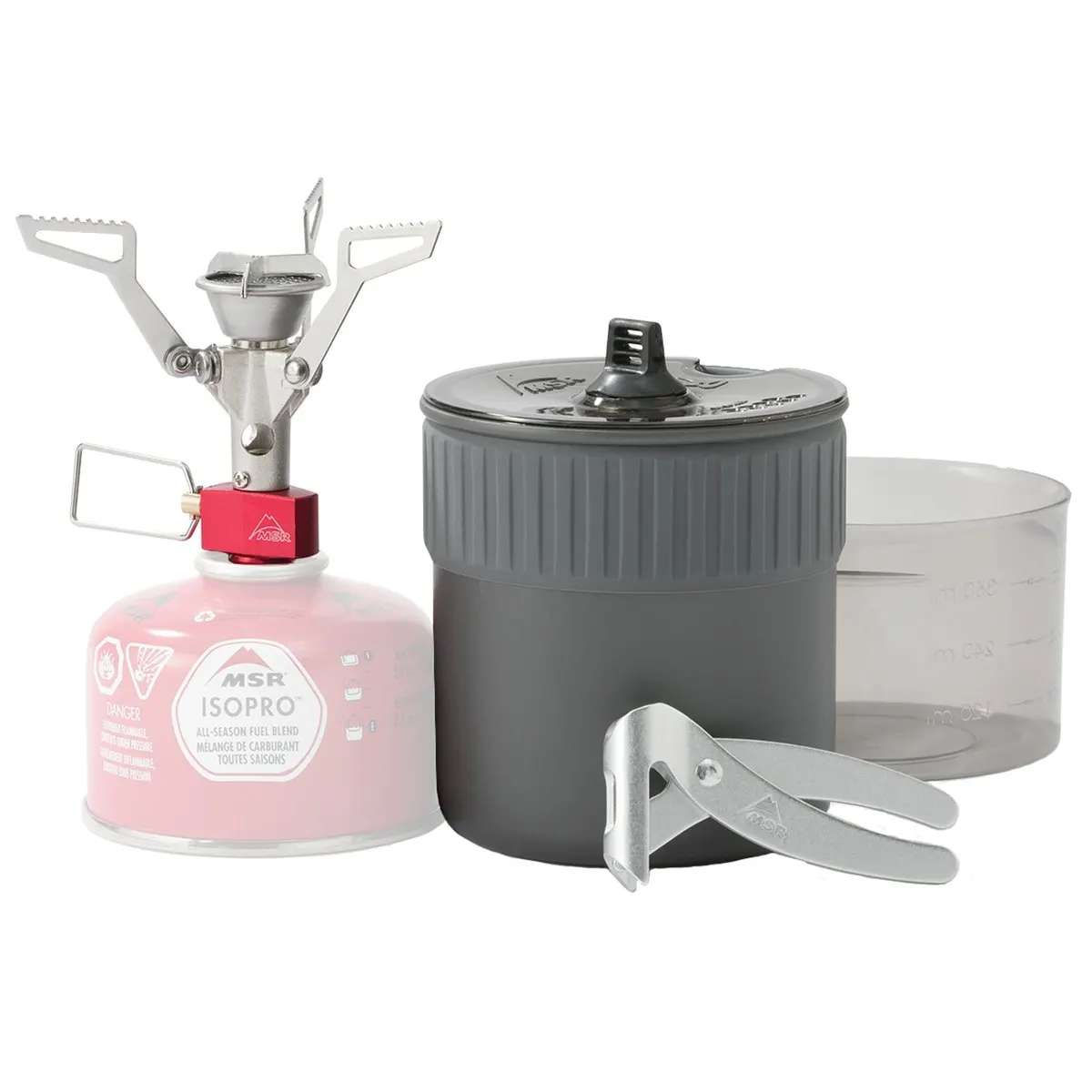
The ultralight canister stove that weighs 2.6 ounces and boils a liter in 3.5 minutes. The stove for hybrid van-and-backpacking builds where the same cooking gear crosses between the van kitchen and the trailhead.

The single-burner premium propane stove. 11,000 BTU, integrated wind shield, push-button ignition, and a clip-on canister system that swaps faster than the Coleman classics. Built for long backcountry trips.

The Duxtop alternative with a real LCD and 100°F-575°F precise temperature control. Lower 1500W ceiling than Duxtop but the temp dial wins for delicate cooking.

The Coleman Classic upgrade. Same 22,000 BTU output but with PerfectFlow regulator (consistent flame at low temps), nickel-plated grate, and tougher hinges. Worth the $25 premium over the standard Classic.

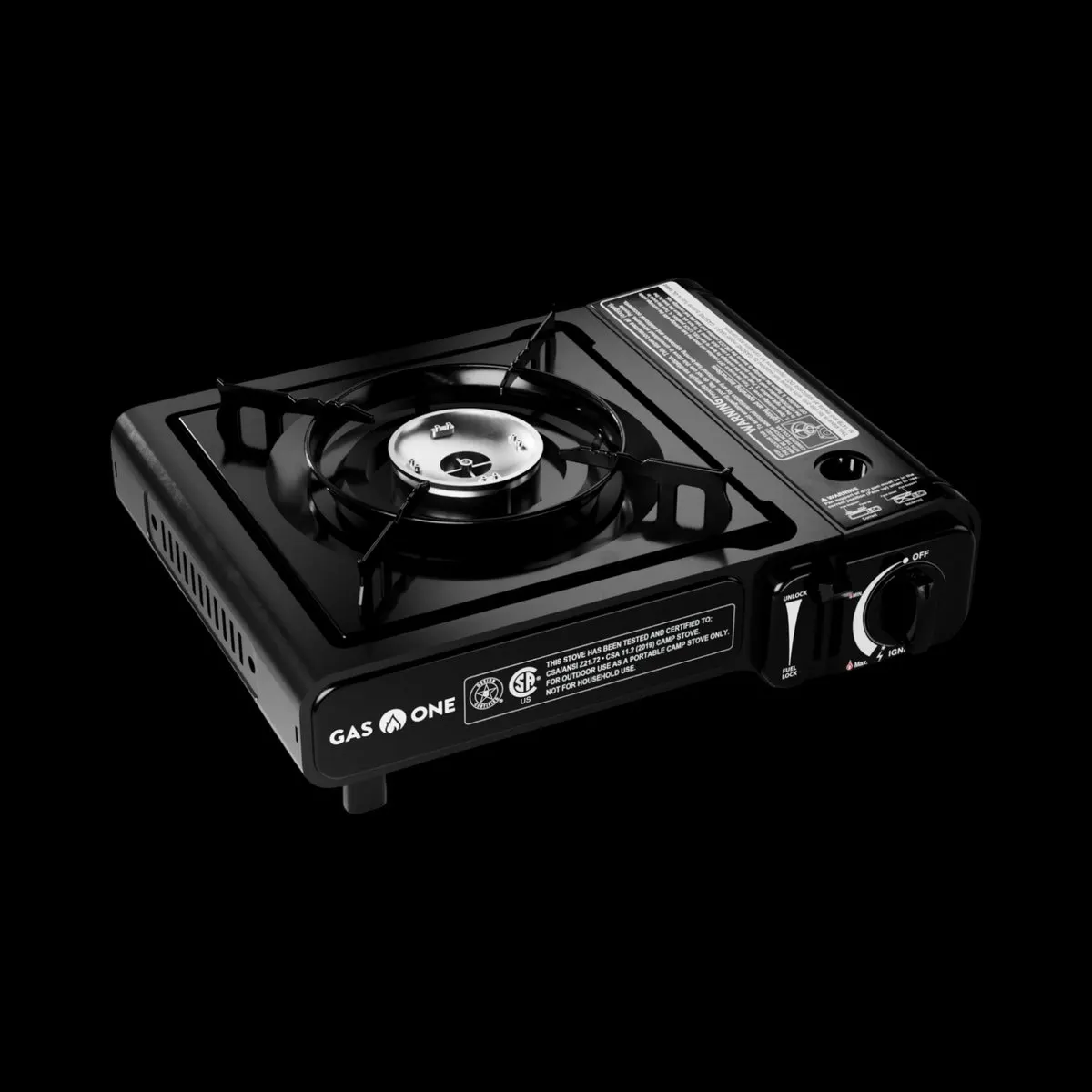
The backup stove every van should have. Zero electricity, 12,000 BTU, and cheaper than a tank of gas.

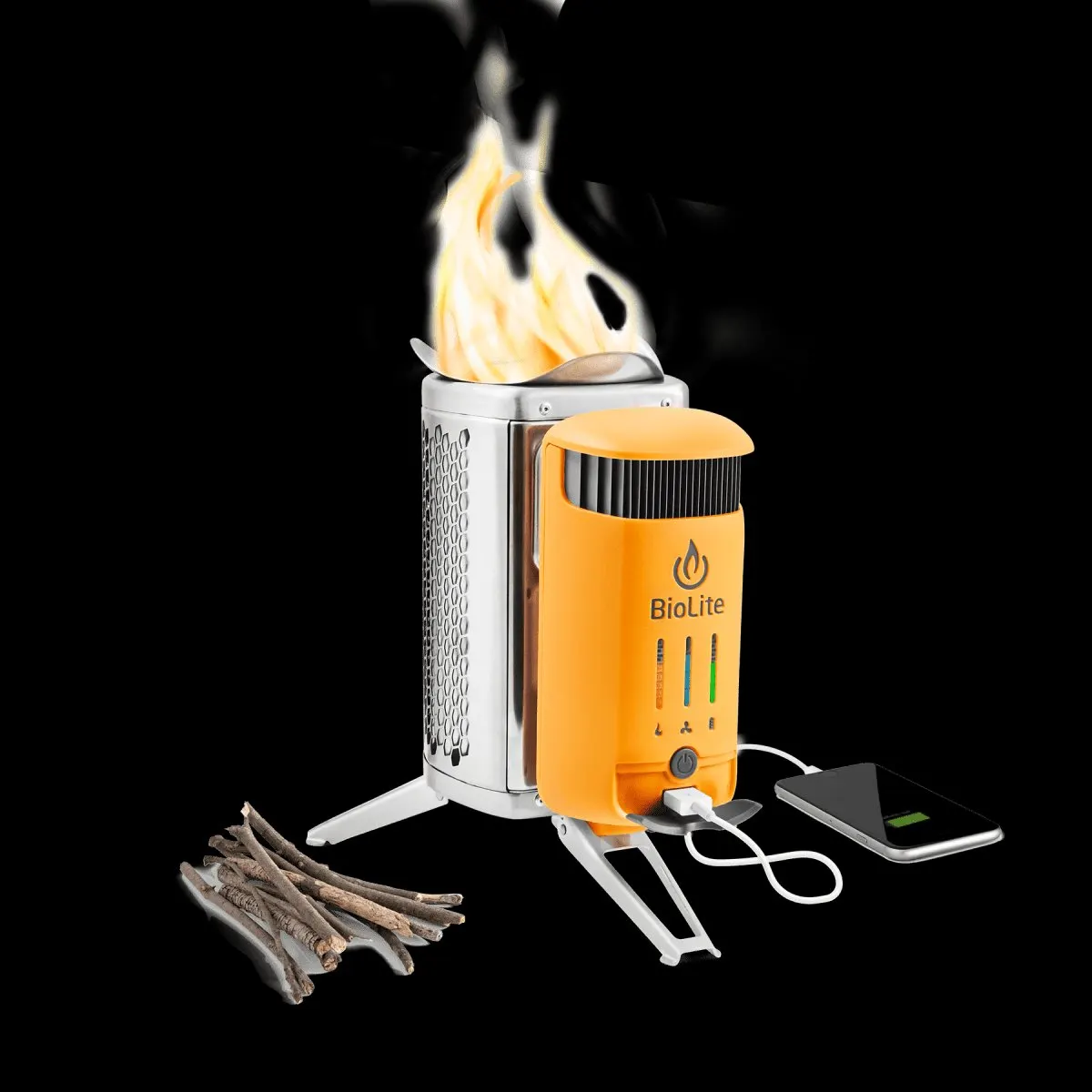
The wood-burning camp stove that generates electricity from fire. Burn sticks, pinecones, and biomass to cook a meal while simultaneously charging your phone via the built-in 3W thermoelectric generator.

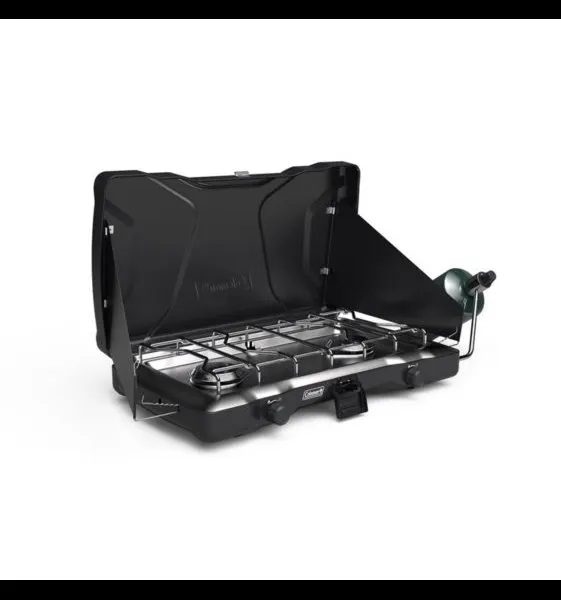
The propane stove every American camper has cooked on. Two 10,000 BTU burners, wind block side panels, and a price under $60 — the gold standard for budget cooking that works in any temperature.