The Van Pantry: 25 Shelf-Stable Staples for Real Meals
A shelf-stable van pantry: 25 staple ingredients that combine into 30+ meals without refrigeration, with storage and restocking tips.
Disclosure: As an Amazon Associate I earn from qualifying purchases. Links to Amazon on this page are affiliate links: if you buy through one, VanLifeKitchens.com may earn a commission at no extra cost to you. Read our affiliate disclosure.
The 25 ingredients that feed a van kitchen
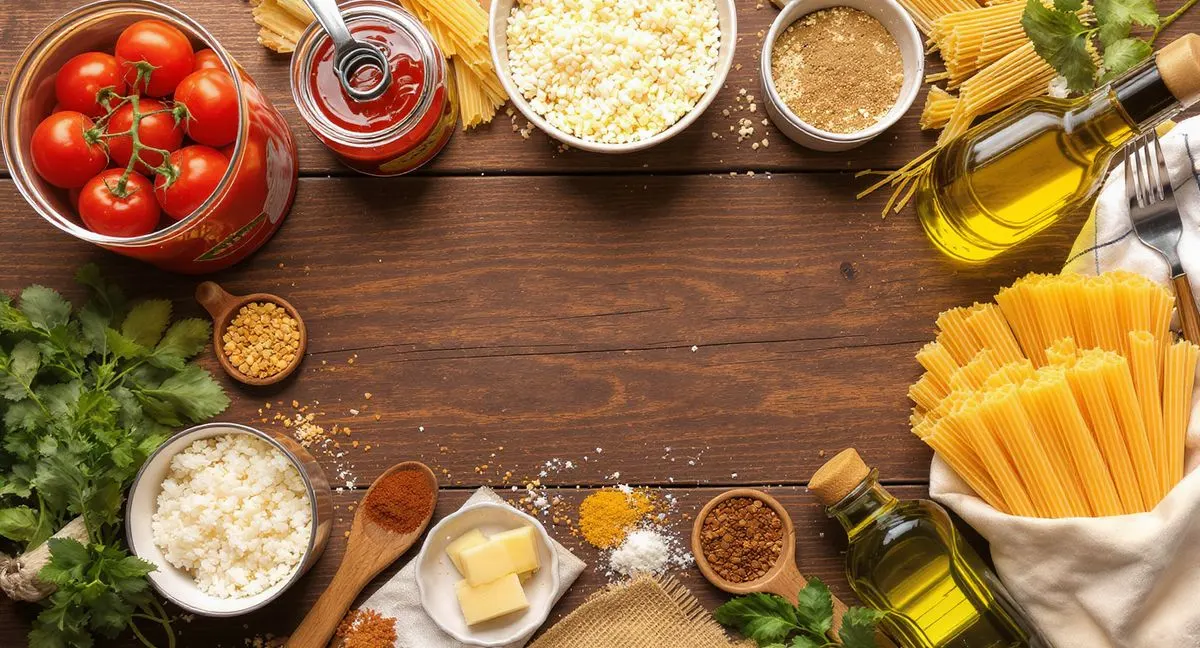
Here is a van pantry of 25 shelf-stable staples worth returning to at every restock. These 25 ingredients yield 30+ distinct meals without any refrigeration, fit into a modest pantry bin system, and travel well on rough roads. This isn't a "survival food" list — it's a real cooking pantry built for people who want to eat well in 80 square feet.
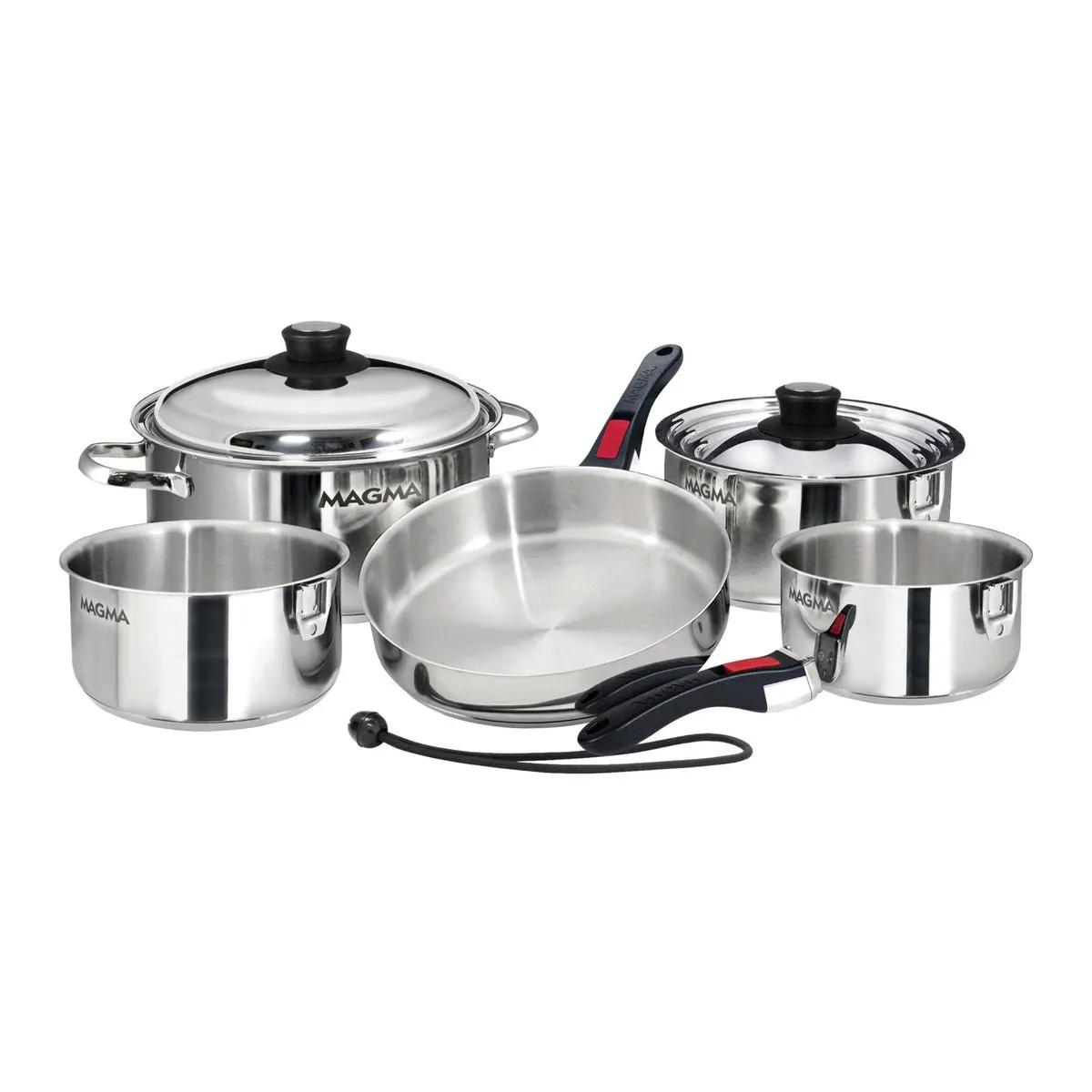
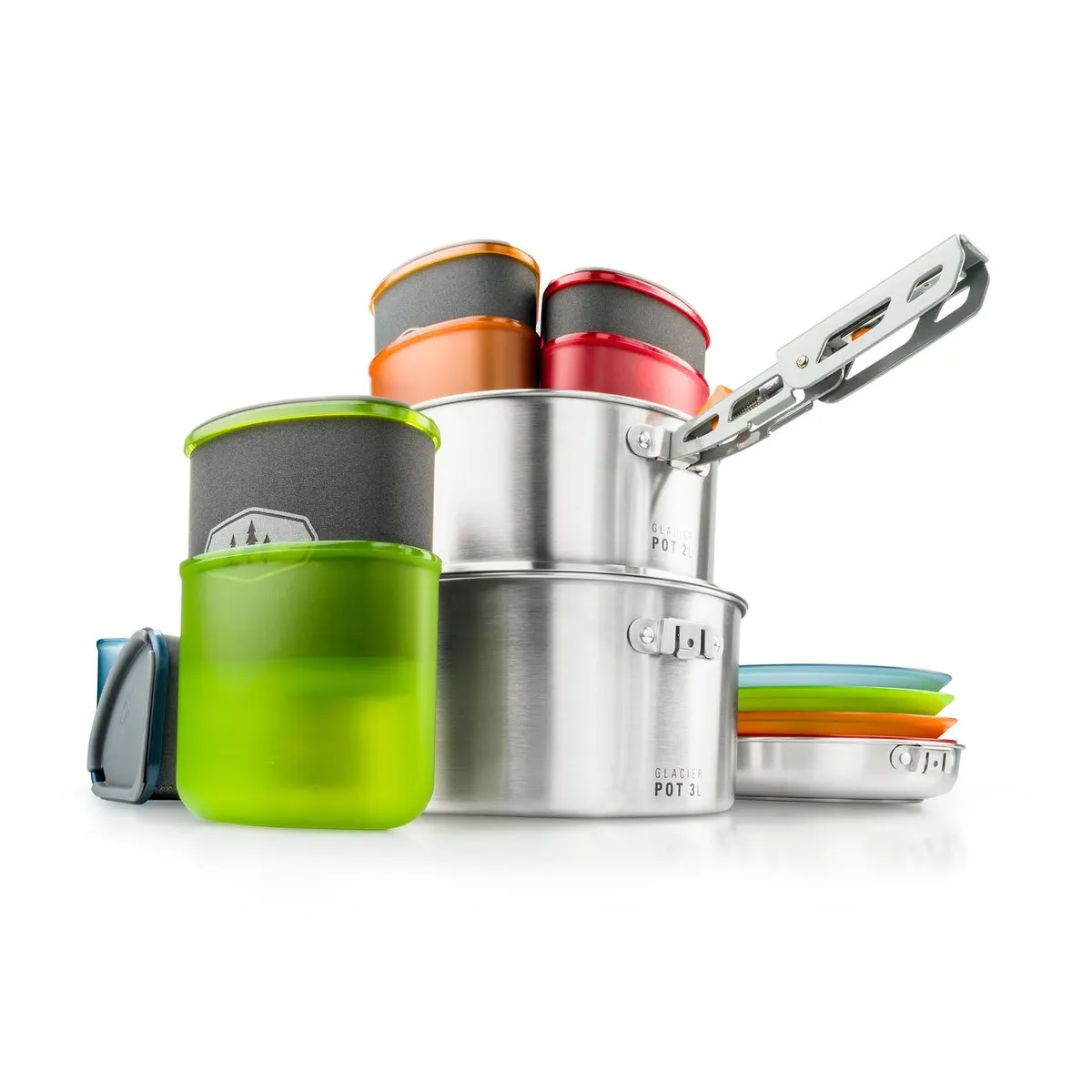
The criteria for inclusion: shelf-stable for at least 3 months, no refrigeration required until opened, usable across multiple meal types, and stocked at almost any full-size supermarket or on Amazon. Everything here meets all four criteria. The guide assumes you're cooking for 1–2 people in a van with basic compact cookware (see the Magma Nesting cookware review or GSI Glacier Stainless Camper) and a portable cooktop.
The fats and oils (3 items)
1. Extra virgin olive oil — 16–25 oz bottle. The workhorse fat. Use for sautéing, dressings, finishing. Keeps 12–18 months sealed (check the best-by date), and roughly 3–6 months after opening at van temperatures, less in summer heat. Store in a dark cabinet away from heat.
2. Neutral high-heat oil (avocado, peanut, or refined coconut) — 12–16 oz bottle. Extra virgin olive oil starts to smoke somewhere around 350–410°F depending on quality. For high-heat searing, wok cooking, and deep frying, a neutral oil with a higher smoke point works better. Refined avocado oil is a common choice because its smoke point is among the highest of everyday oils.
3. Ghee or butter — 8 oz. Butter keeps refrigerated for 2–3 weeks, which is long enough for most van schedules. Ghee is clarified butter and keeps at room temp for months — a better van choice if you don't want to commit fridge space to butter.
The salts, acids, and umami (5 items)
4. Kosher salt — 26 oz box of Diamond Crystal or Morton's. The single most important flavor builder. Diamond Crystal has larger flakes and is more forgiving for anyone learning to season.
5. Lemons or limes — 3–6 fresh. Technically refrigerated but they also keep on the counter for 1–2 weeks. The brightness they add to van meals is irreplaceable. Substitute: bottled lime juice (inferior but shelf-stable).
6. Rice vinegar — 12 oz bottle. Cheap, versatile, and keeps for a very long time. The base for stir-fry sauces, salad dressings, quick pickles, and sushi rice.
7. Soy sauce — 10 oz bottle of good-quality Japanese (Kikkoman or better). Adds salt and umami to everything. Keeps 6+ months in the pantry. Splurge on tamari if you want gluten-free.
8. Fish sauce — 8 oz bottle of Red Boat or Squid brand. Sounds terrifying, smells worse, absolutely essential. The backbone of Thai, Vietnamese, and Filipino flavors. Two drops transforms a stew.
The spice foundation (7 items)
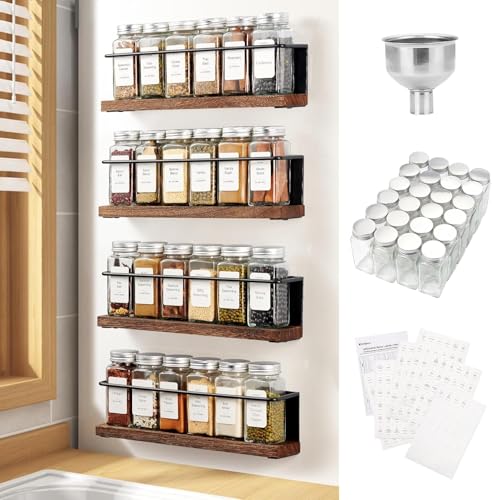
These are the everyday spices. Get them in small jars (3–4 oz) and store them on a magnetic spice rack secured for driving — see the KitHero magnetic spice rack review and the van kitchen storage guide for implementation.
9. Black pepper (whole peppercorns in a grinder) — fresh-ground matters.
10. Smoked paprika — adds depth to chili, stew, eggs, marinades.
11. Cumin (whole and ground) — the backbone of Latin, Middle Eastern, and Indian flavors.
12. Dried oregano — pizza, pasta, marinades, beans.
13. Red chili flakes — one jar covers sprinkling and cooking heat needs.
14. Curry powder (medium-quality) — instant one-pot dal, rice dishes, vegetable curries.
15. Italian seasoning blend — covers basil, oregano, thyme, rosemary in one jar. Compromises quality slightly but saves 3 spice slots.
The starches (4 items)
16. Long-grain rice (jasmine preferred) — 2 lb bag. The base of half the dinners in this pantry. Cooks in 18 minutes, scales for 1–4 people easily.
17. Dried pasta (spaghetti, penne, or fusilli) — 1 lb. Cooks in 8–10 minutes on any cooktop. Pairs with canned tomato sauces.
18. Red lentils — 1 lb bag. Unlike green or brown lentils, red lentils cook in 15–20 minutes without soaking. The fastest legume for van dal and soups.
19. Rolled oats — 18 oz canister. Breakfast, granola, overnight oats, emergency dinner when everything else is gone.
The canned and jarred goods (6 items)
20. Canned whole peeled tomatoes (2–3 cans of San Marzano or equivalent) — the base of pasta sauce, shakshuka, chili, and stew. Crush by hand as you use.
21. Canned coconut milk (2 cans full-fat) — curry base, soup base, dessert base. Full-fat only — "lite" versions are mostly water and ruin texture.
22. Canned white beans or chickpeas (2–3 cans) — instant protein, instant fiber, instant base for a meal. Drain and rinse before use.
23. Canned tuna (2–3 cans, in olive oil) — instant protein for salads, pasta, rice bowls. Look for "in olive oil" not "in water" — better texture and flavor.
24. Tomato paste in a tube — tube form beats cans because you use small amounts at a time. Adds depth to any tomato-based dish.
25. Miso paste (white or yellow, 16 oz tub) — umami bomb. Miso ramen, miso soup, marinade base, glaze. Keeps refrigerated for months after opening. Most tubs say to refrigerate once opened; miso is salty enough to tolerate short spells out of the fridge, but it darkens and loses flavor faster when warm.
The alliums and aromatics (not "shelf-stable" but close)
A proper van pantry assumes you also carry fresh garlic, onions, and fresh ginger. Technically these aren't shelf-stable in the strictest sense, but they keep on the counter for 1–3 weeks without refrigeration. If you're restocking weekly, they're effectively pantry ingredients.
- Garlic — 1–2 heads
- Yellow onions — 2–3
- Fresh ginger — 2 inch knob
- Shallots — 2–3 (optional but worth the flavor boost)
Storage: how to organize 25 ingredients
In a van with limited cabinet space, the 25 staples above should live in a three-zone system:
Zone 1: daily-use counter items (magnetic spice rack + tea/coffee area)
- 7 spices on magnetic jars
- Salt in a dedicated small container on the counter or wall
- Pepper grinder
Zone 2: mid-level cabinet "active pantry" (a small gasketed bin)
- Oils and vinegars
- Soy sauce, fish sauce
- Current week's rice, pasta, lentils
- Current week's canned goods
Zone 3: deep storage "backup pantry" (larger bin or under-bench)
- Backup rice, pasta, lentils
- Backup canned goods
- Backup oils
- Long-term emergency food (extra peanut butter, granola bars)
Inside those bins, opened bags of nuts, dried fruit, coffee and bulk spices are easier to keep sealed in small lidded boxes than in folded-over packets. The small and medium boxes of the Joseph Joseph Nest Lock set (8, 18 and 37 fl oz) have latching lids, and the whole set nests into one stack when empty.
See the van kitchen storage solutions guide for the complete bin system and where each tier fits in a typical van build.
The 30+ meals these ingredients make
To justify the storage space, here's the real meal range from these 25 staples:
Pasta dishes (5):
- Pasta pomodoro (canned tomatoes + olive oil + garlic)
- Pasta with tuna, lemon, capers
- Cacio e pepe (pasta + cheese + black pepper)
- Pasta with anchovy, garlic, chili
- Pasta aglio e olio
Rice bowls (6):
- Coconut curry rice with lentils
- Stir-fry rice with vegetables and soy
- Miso-glazed rice with tuna
- Rice porridge (congee) with ginger and scallions
- Lentil dal over rice
- Rice with black beans and cumin
Soups and stews (4):
- Chorizo and white bean stew
- Red lentil soup with cumin
- Miso soup with noodles
- Tomato soup with rice
One-pan skillet dinners (5):
- Shakshuka
- Tuna melt with canned tuna and bread
- Fried rice with egg and vegetables
- Curry noodle stir-fry
- Chickpea and tomato stew
Breakfasts (5):
- Oatmeal (plain, savory, or sweet)
- Granola
- Rice porridge with soy and ginger
- Tortillas with beans and hot sauce
- Canned tomato and egg skillet
Salads and cold dishes (3):
- Tuna salad (tuna + olive oil + lemon + red onion)
- White bean salad with olive oil and herbs
- Rice salad with soy and vinegar
Plus snacks and sides: rice cakes, granola bars, peanut butter on bread, roasted chickpeas, seasoned rice balls.
Total: ~30 distinct meals from 25 ingredients, plus infinite variation when you add fresh vegetables or meat from a grocery stop.
See our one-pot meals guide for five anchor recipes built from this pantry.
What to leave out
Things people commonly recommend that are not worth the space:
- Dehydrated backpacking meals. Expensive, low-quality, high-sodium. Just carry rice and lentils.
- Instant noodles (Cup Noodles, Maruchan). Low nutritional value, high sodium, produce a lot of broth waste. Replace with dried rice noodles plus miso.
- Canned soup. Usually higher sodium than homemade and less flexible. Make your own from canned tomatoes and broth.
- Chicken bouillon cubes. Fine for weekenders, but real fish sauce plus miso plus soy do the job better for full-timers.
- Pancake mix. Takes up space, you'll use it twice. Flour, baking powder, sugar, and an egg make better pancakes and the flour is useful for other things.
- Powdered eggs. Texture is wrong for van cooking. Real eggs in the fridge are the better option. US supermarket eggs have been washed, which removes the natural bloom, so the USDA says to keep them refrigerated; unwashed farm eggs are a different case.
Restocking cadence
A realistic full-time van pantry restocks every 10–14 days at a grocery store. You cycle through perishables faster (fresh produce, eggs, dairy if you run any), and top up the shelf-stable pantry about every 3 weeks as specific items run low.
For boondocking trips longer than two weeks, load the pantry up before you leave and supplement with fresh stops at small-town grocery stores along the way. The beauty of this list is that everything on it is stocked at almost any full-size supermarket, so you can restock in nearly any small town.
Final word
A van pantry with 25 shelf-stable staples is enough to eat well for months. Anyone telling you van cooking is "just ramen and peanut butter" hasn't actually built a pantry. The key is picking ingredients that multiply — each one should unlock several meals, not just one. Olive oil goes in everything. Soy sauce goes in everything. Rice is the base of a dozen meals. That's the shopping philosophy: buy things that multiply.
Start with the 25 above, cook for a month, and adjust based on what you actually use. After six months you'll have your own list that looks similar but tuned to your palate.
FAQ
How much pantry space do 25 staples take up? About 2.5 to 3 cubic feet, split across a "daily use" cabinet (0.8 cu ft) and a "backup" bin (1.8 cu ft). Most van builds can accommodate this in dedicated pantry storage. These are rough estimates for the quantities listed above.
What's the best shelf-stable protein for van life? Canned tuna in olive oil is our top single-ingredient pick: shelf-stable, cheap, versatile, and about 20g of protein per small can. Canned chicken, canned salmon, canned sardines, and dried beans all work too. For longer-term storage, freeze-dried meats are an option but expensive.
How long does olive oil last in a van? Sealed, 12–18 months. After opening, 3–6 months at van temperatures, less in summer heat. Store in a dark cabinet away from the stove to extend life. Buy smaller bottles in summer to avoid waste.
Do I need refrigeration to eat well in a van? No, but it helps significantly. The 25-staple pantry above yields 30+ meals without any refrigeration. Adding fresh produce, eggs, and occasional fresh meat (from weekly grocery stops) expands the range significantly. A compression fridge makes van cooking easier but isn't strictly necessary for eating well.
Can I buy all these staples at one store? Yes. Every item on this list is stocked at almost any full-size supermarket, which is deliberate: you can restock it wherever a van trip takes you. Amazon stocks all of them too.
How often should I restock a van pantry? As a rough planning cadence, restock shelf-stable pantry items every 2–3 weeks. Fresh perishables (produce, eggs, dairy if used) need restocking every 7–10 days. Plan grocery stops around a 10-day cadence as a rough rule.
Products covered in this guide
Disclosure: As an Amazon Associate I earn from qualifying purchases. Links to Amazon on this page are affiliate links: if you buy through one, VanLifeKitchens.com may earn a commission at no extra cost to you. Read our affiliate disclosure.

More in Meal Prep
Van Life Grocery Shopping: A Practical Strategy
How to grocery shop efficiently when your fridge is 35 liters and your nearest store is two hours away. Frequency, what to buy fresh vs shelf-stable, and the apps that find rural grocery stores.
5 Vegetarian Van Life Meals That Don't Get Boring
Five vegetarian van recipes from mostly shelf-stable ingredients, 30 minutes or less in one or two pans, plus a weekly rotation to beat menu fatigue.
The Best Shelf-Stable Protein Snacks for Van Life
Twenty protein-rich snacks that don't need refrigeration — from jerky and trail mix to sardines and energy bars. The actual nutrition numbers, the brands worth buying, and how much to keep on hand.