Whynter FM-45G 45-Quart Dual Zone Portable Fridge Freezer
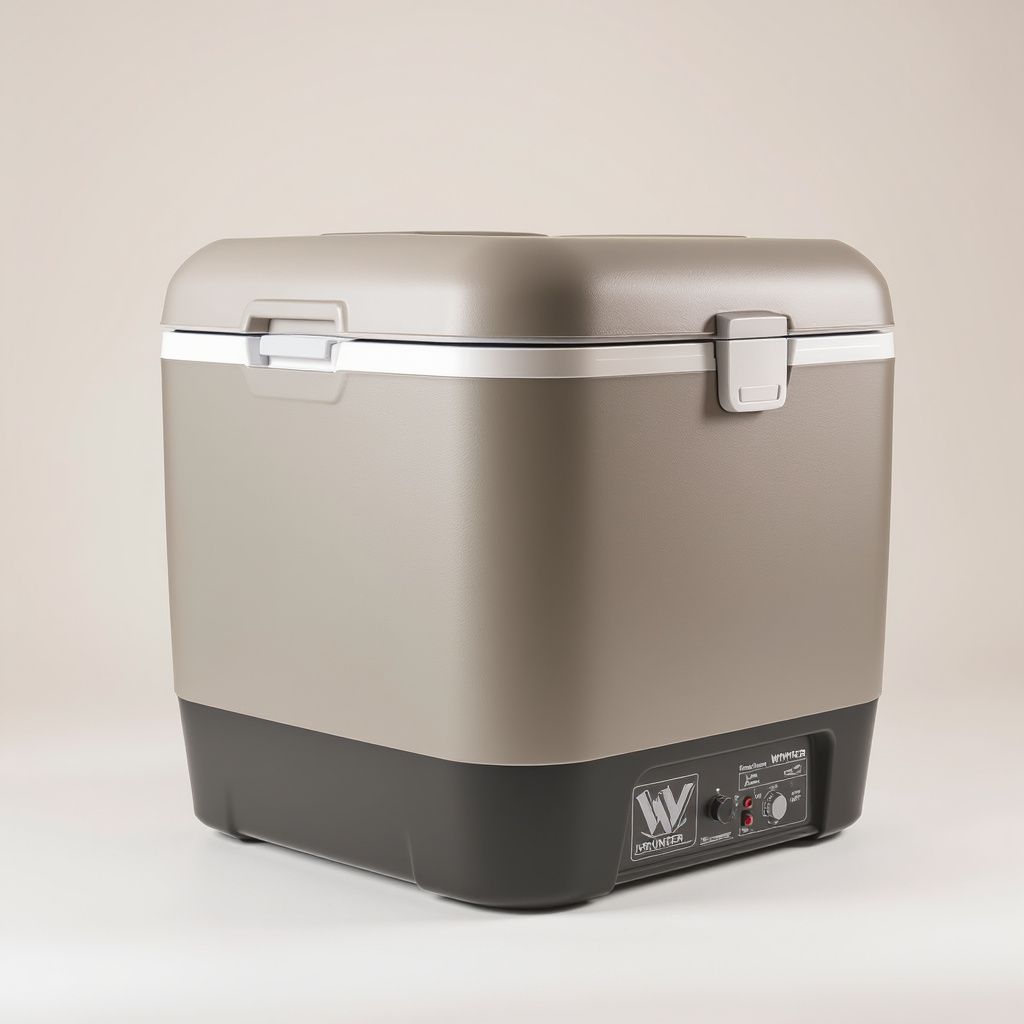
- Capacity
- 45 quarts (28L + 17L dual zone)
- Dimensions
- 27 x 14.5 x 16.6 in
- Weight
- 53 lbs
- Power Source
- 12/24V DC + 110V AC
- Power Draw
- ~1.4 Ah avg (dual zone)
- Warranty
- 1 year (extendable)
The Whynter FM-45G occupies a specific niche in the 12V fridge market that almost nobody talks about honestly. It is a dual-zone portable refrigerator-freezer at a price point where most competitors are still single-zone. It is made by a brand you can actually find at a mainstream US retailer, with a support line that answers the phone, and a warranty that gets honored without international shipping drama. It is not sexy. It is not Instagram-famous. It is, for a surprising number of full-time van dwellers, the most sensible 12V fridge you can buy in 2026.
This Whynter FM-45G review is based on the kind of practical criteria that matter once you are actually living in a vehicle: power draw over a 24-hour cycle, real-world temperature stability, how it fits in a typical galley build, how it handles being bounced down washboard forest roads, and whether the dual-zone gimmick is actually useful or just marketing. Spoiler — for some of you it is a genuine game-changer, and for others it is 15 extra pounds you do not need.
Overview — Who is this for?
The FM-45G is a 45-quart (roughly 42-liter) portable compressor fridge split into two independently controlled compartments. The larger side holds about 28 liters, the smaller about 17 liters, and each can be set independently anywhere from roughly -8°F to 50°F. That means you can run one side as a true freezer and the other as a refrigerator simultaneously — not alternately, not with some compromise thermal bridge, but genuinely at the same time with separate temperature controls.
That feature set targets a specific kind of van lifer:
- The slow traveler who cooks real meals and wants frozen meat or vegetables to last more than two days between resupplies.
- The solo or couple setup that does not want to carry both a fridge and a separate chest freezer.
- The remote worker parked for a week at a time where grocery runs are a 40-mile round trip.
- The hunter, angler, or forager who needs to freeze a catch immediately without losing the rest of the fridge contents.
If you only need a cold drink and some cheese and eggs on a weekend trip, this is massive overkill. If you are running a full kitchen out of a Promaster or Sprinter for months at a time, the dual-zone approach genuinely reduces your shopping frequency and food waste in ways a single-zone fridge cannot match.
Design & Build Quality
Let us be clear about what the FM-45G is and is not. It is not a boutique overland product from a South African or Australian workshop. It is a Whynter — a mainstream US appliance brand that sells wine coolers and portable AC units at big-box stores. The FM-45G is assembled in China using a Chinese-built variable-speed DC compressor. It is not a Secop (formerly Danfoss) BD35 unit that you will find in the premium competitors.
Here is why that matters less than purists will tell you. The compressor in this unit has been in Whynter's lineup long enough that the failure patterns are known, the parts are stocked domestically, and Whynter's service department actually replaces them under warranty without fighting you. That is worth a tremendous amount when you are parked in a Walmart lot in Montana and your fridge starts clicking.
The cabinet
The outer shell is powder-coated steel with reinforced corners and a removable insulated lid on each compartment. The lids are not as beefy as a Dometic CFX3 — the hinges are plastic-reinforced rather than full metal — but they seat well and the gaskets are continuous rather than segmented. Two sturdy side handles make two-person lifting manageable. There is no molded-in tie-down hardware, so you will need to strap it down using the exterior handles or build a retention frame.
Controls and display
The LED display is the weakest aesthetic point on this fridge. It is a basic red-digit readout that looks like something from 2012 — no Bluetooth app, no fancy backlit menu, no graphs. You press buttons, you see numbers. For some of us that is a feature, not a bug. There is nothing to firmware-update and nothing to pair. The display does dim at night and the button lockout function prevents kids or cats from changing your freezer setpoint.
Honest take: if you need an app to control your fridge, buy something else. If you want a fridge that still works in ten years regardless of what happened to its phone app, the FM-45G's dumb display is exactly right.
Dual-Zone Performance (the value prop)
This is the whole reason to consider the FM-45G. Running both compartments simultaneously, the larger 28L side will hold 36°F while the 17L side holds 0°F, and it will maintain that split reliably as long as ambient stays under about 95°F. Above that, the freezer side starts losing ground first — expect the cold side to creep up to maybe 8°F in sustained 100°F+ desert conditions, while the fridge side stays stable.
The thermal separation between zones is good but not perfect. There is a shared wall with some heat transfer, which is why the compressor has to work harder overall than a single-zone unit of the same total volume. The upside is that opening the fridge side does not warm up your freezer side — a huge deal when you are grabbing something every hour or two throughout the day.
Pull-down performance from a warm start is reasonable: roughly 45 minutes to get the fridge side from room temperature to 38°F, and about 90 minutes for the freezer side to hit 0°F. Not the fastest in the category, but well within normal for dual-zone units.
Power Consumption (single vs dual zone numbers)
Here is where the honest accounting matters. The FM-45G pulls noticeably more power than a single-zone fridge because it is, functionally, two fridges in one box.
- Fridge side only active (freezer off): roughly 0.7 Ah average draw at 12V, very competitive with single-zone units.
- Both zones running, moderate climate (75°F ambient): roughly 1.4 Ah average draw, which works out to about 33-34 amp-hours over 24 hours.
- Both zones running, hot climate (95°F ambient): roughly 2.0-2.2 Ah average, pushing 50+ amp-hours per day.
For comparison, a Dometic CFX3 35 running as a single-zone fridge pulls about 0.8 Ah in similar conditions. So you are paying a power premium of roughly 70-90% for the dual-zone capability. That is not trivial in a van with a 200Ah lithium bank, and you should absolutely run your numbers through a power budget tool before committing. The power calculator on this site will help you size your battery and solar for either single or dual-zone operation.
The compressor is variable speed, which helps — it throttles down once temperatures stabilize rather than cycling hard like an older fixed-speed unit. That is also why the display is quiet; most of the time you cannot hear it running at all.
Size, Weight & Installation
At 27 x 14.5 x 16.6 inches and 53 pounds empty, the FM-45G is longer and heavier than most single-zone 35-40 quart units. That length is the key planning number — it is almost exactly the width of a typical van galley cabinet, which means it slides in sideways with room for a ventilation gap on one side.
Ventilation
The compressor and condenser vent from the rear-left corner. You need at least 2 inches of clearance on that side and ideally an active vent to the outside or to a well-ventilated wheel well cavity. Boxing this fridge in without airflow will cook the compressor and spike your power consumption. Do not skip the venting step.
Mounting
There are no factory tie-down points, which is the biggest build-quality gripe. You will either wrap it with ratchet straps through the side handles, build a wooden retention frame around it, or bolt on aftermarket slide rails. A proper fridge slide is almost mandatory here because the dual-lid design means both sides need to clear the cabinet above it when opened.
Whynter FM-45G vs Dometic CFX3 35 vs Iceco VL35
Three fridges, three philosophies.
The Dometic CFX3 35 is the premium single-zone pick. Secop compressor, metal hinges, Bluetooth app, USB charging port, and the build quality you would expect from a 600-dollar single-zone unit. What it does not do is give you a freezer and a fridge at the same time. If you only need one temperature zone and you want the best single-zone experience money can reasonably buy, CFX3 is the right answer.
The Iceco VL35 ProS is the value single-zone pick. It uses a real Secop compressor in a well-built stainless cabinet for significantly less money than the Dometic. Power consumption is the best in this comparison — around 0.6 Ah average. It is the fridge to buy if you want premium internals on a working-class budget, but again, single zone only.
The Whynter FM-45G is the outlier. It is the only unit in this comparison that gives you true dual-zone operation for under 800 dollars. You pay for that with more weight, more power draw, and a non-Secop compressor. But you get independent freezer-and-fridge capability that would otherwise cost you 1400+ dollars in a Dometic CFX3 75DZ or equivalent.
The honest decision tree:
- Need a freezer AND a fridge simultaneously, on a reasonable budget — FM-45G wins, full stop.
- Only need one temperature zone, want the best power draw — Iceco VL35 ProS.
- Only need one temperature zone, want premium build and app control — Dometic CFX3 35.
If you are still undecided on the single-versus-dual question, the 12V fridge buying guide walks through the calculation in more detail.
Value for Money
At roughly 699 dollars street price, the FM-45G sits squarely in the middle of the 12V fridge market. It is more expensive than a single-zone Iceco or BougeRV, less expensive than a premium Dometic, and dramatically less expensive than any other dual-zone unit worth considering. Availability at both Amazon and Walmart matters more than people realize — if your fridge dies in rural Nevada, you can have a replacement or warranty unit delivered to a parcel locker within 48 hours. Try doing that with a specialty overland brand.
Who should skip this
Be honest with yourself if any of these apply:
- You weekend camp, not full-time. A single-zone 30-35 quart unit will serve you better and weigh less.
- Your power system is under 200Ah of lithium with minimal solar. The dual-zone draw will push you into daily deficit in summer.
- You prioritize weight savings above all else. 53 pounds empty is a lot for a vehicle where every pound matters.
- You need app control or integration with a battery monitor. The FM-45G is an analog-feeling appliance with a dumb display.
- You are an overland purist who only buys Secop compressors. Nothing wrong with that, but this is not your fridge.
Final Verdict
The Whynter FM-45G is the answer to a question most van lifers do not realize they are asking: what is the cheapest way to get a real freezer and a real fridge in one box, from a brand that will actually service it? The answer, in 2026, is this fridge. It is not the prettiest, it is not the lightest, and it is not running the compressor the forum snobs want to see. It is, however, the dual-zone 12V fridge you can actually afford, actually replace, and actually live with long-term. For the specific slice of van dwellers who need two temperature zones — people who cook real food, people who freeze meat, people who stay parked for days at a time — it is a genuinely excellent piece of kitchen gear hiding behind a boring brand name.
For everyone else, buy a single-zone Iceco or Dometic and save yourself the weight and power budget. There is no shame in not needing a freezer.
FAQ
Is the Whynter FM-45G actually a true dual-zone fridge, or does one side affect the other?
It is a true dual-zone unit with independent temperature setpoints on each compartment. The two zones share thermal insulation through a common wall, so there is some crosstalk under extreme conditions, but in normal operation you can absolutely run one side as a freezer and the other as a refrigerator at the same time without compromise.
How much power does the FM-45G draw running both zones?
In a 75°F ambient environment, expect roughly 1.4 Ah average draw at 12V, which translates to about 33-34 amp-hours over a full 24-hour cycle. In hot conditions above 95°F, that can climb to 50+ amp-hours per day. Single-zone operation (freezer turned off) drops it to around 0.7 Ah average.
Can I use the FM-45G as just a fridge or just a freezer?
Yes. Each zone has an independent power toggle, so you can run it as a 28L fridge only, a 17L freezer only, a single 45L fridge by matching both setpoints, or true dual-zone mode. That flexibility is one of its best features for shoulder-season use when you need less freezer capacity.
Does the Whynter FM-45G have Bluetooth or an app?
No. The FM-45G uses a simple LED display and button controls with no wireless connectivity. If you want app control, the Dometic CFX3 series is the obvious alternative. Most long-term users find they do not miss the app, but preferences vary.
How does the warranty work compared to boutique brands?
Whynter offers a 1-year standard warranty on the full unit with extended coverage options, and because they are a mainstream US brand with stocked parts, warranty service is significantly faster than dealing with imported overland brands. Replacement parts and compressor units are typically shipped within a few business days domestically.
Is 53 pounds too heavy for a van build?
It is on the heavier side for a 45-quart fridge — roughly 10-15 pounds more than a comparable single-zone unit. For most Sprinter, Promaster, and Transit builds, that is not a dealbreaker. For ultralight Minivan or truck-cap builds where you are counting every pound, it may be worth sticking with a single-zone option.
Compare with similar products
See how this stacks up against the other 12v fridges we've tested.
Related Reviews
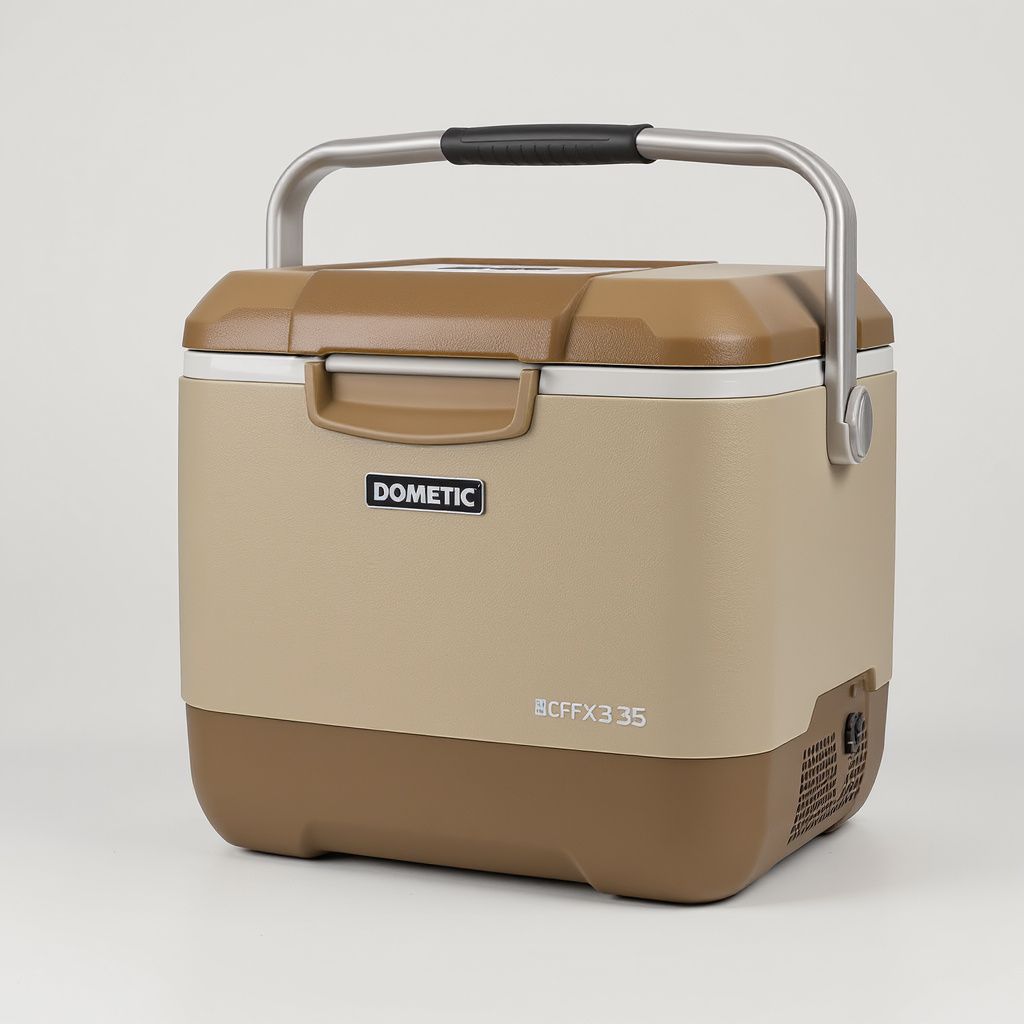
Dometic CFX3 35 Powered Cooler
The gold standard 12V fridge for serious van builds — efficient compressor, app control, and bombproof construction.
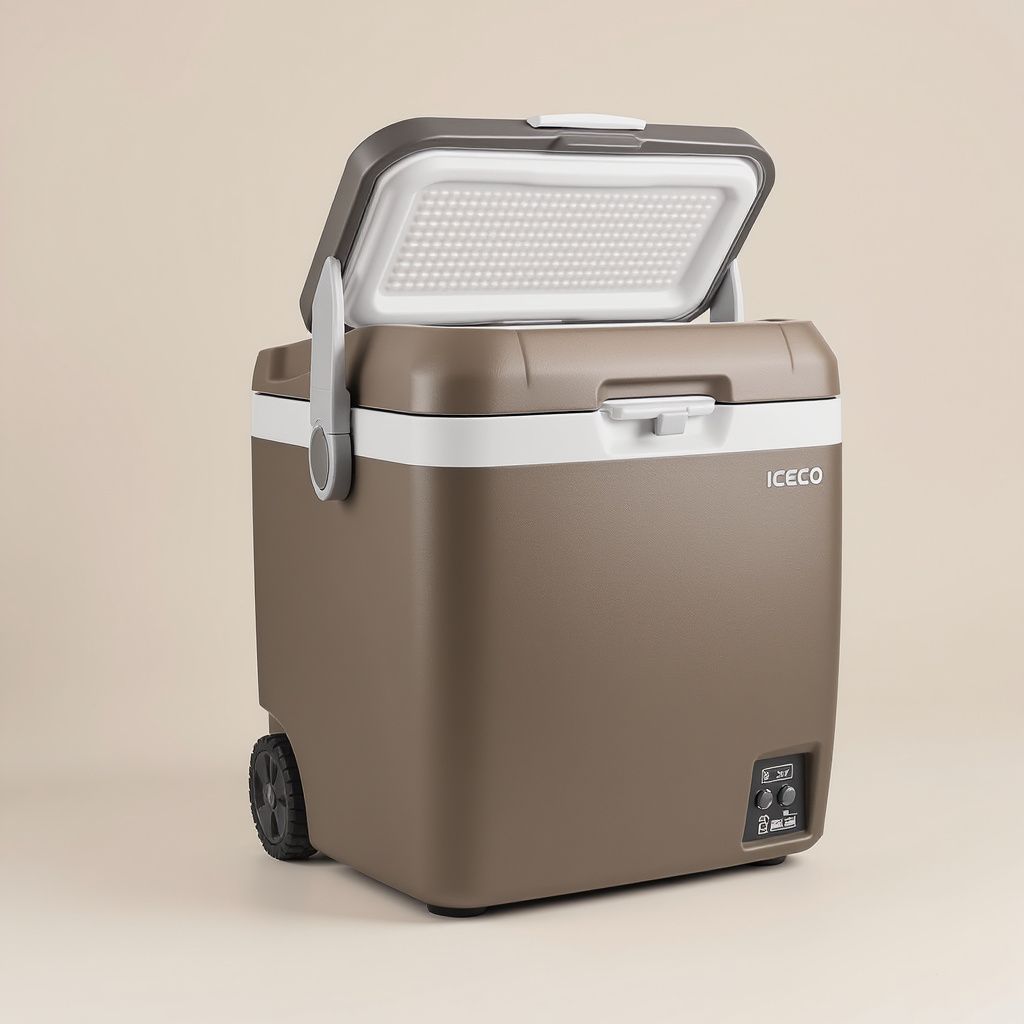
Iceco VL35 ProS 12V Fridge Freezer
The value pick. 80% of the Dometic experience at half the price — Secop compressor, solid insulation, no app gimmicks.
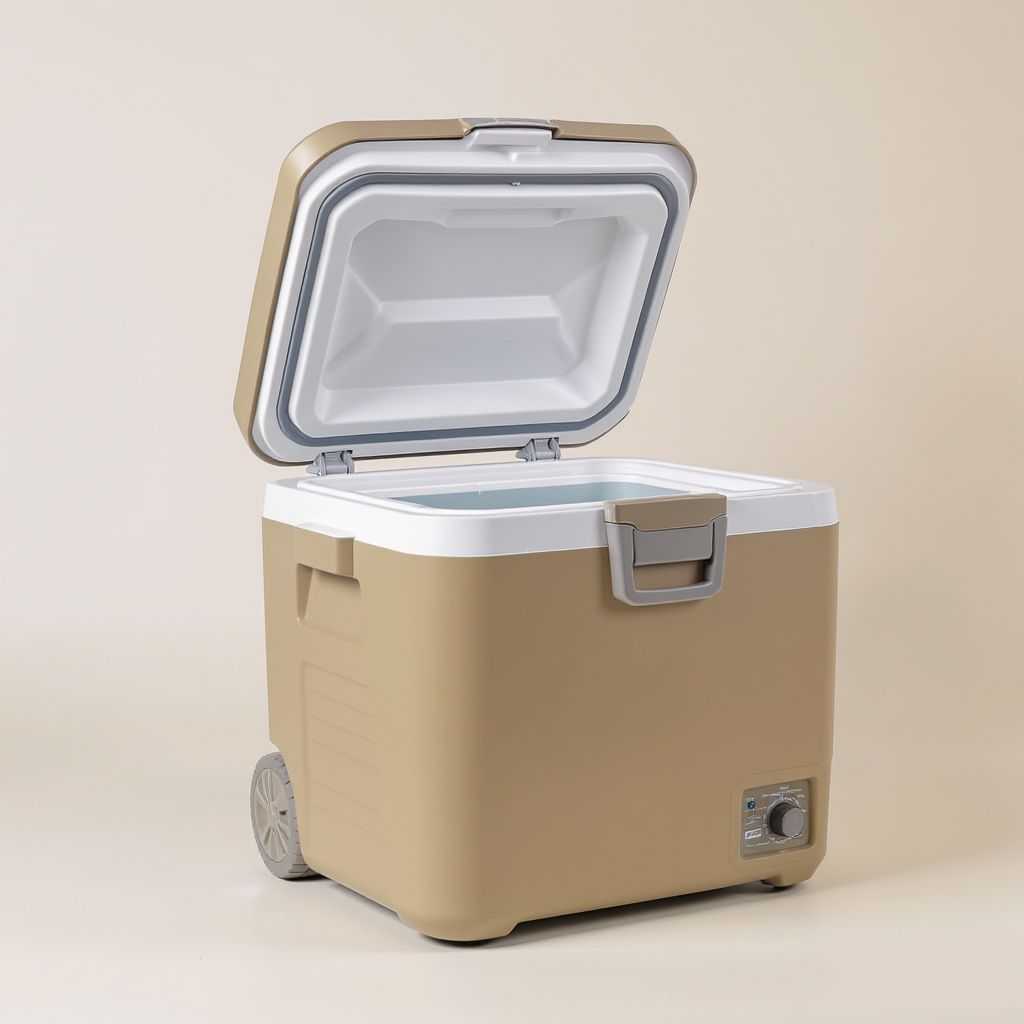
Costway 30Qt 12V Portable Compressor Refrigerator
The cheapest real compression fridge worth buying. 30 quart, dual-zone capable, $200 — perfect for first-time van builds and weekend rigs.