Costway 30Qt 12V Portable Compressor Refrigerator
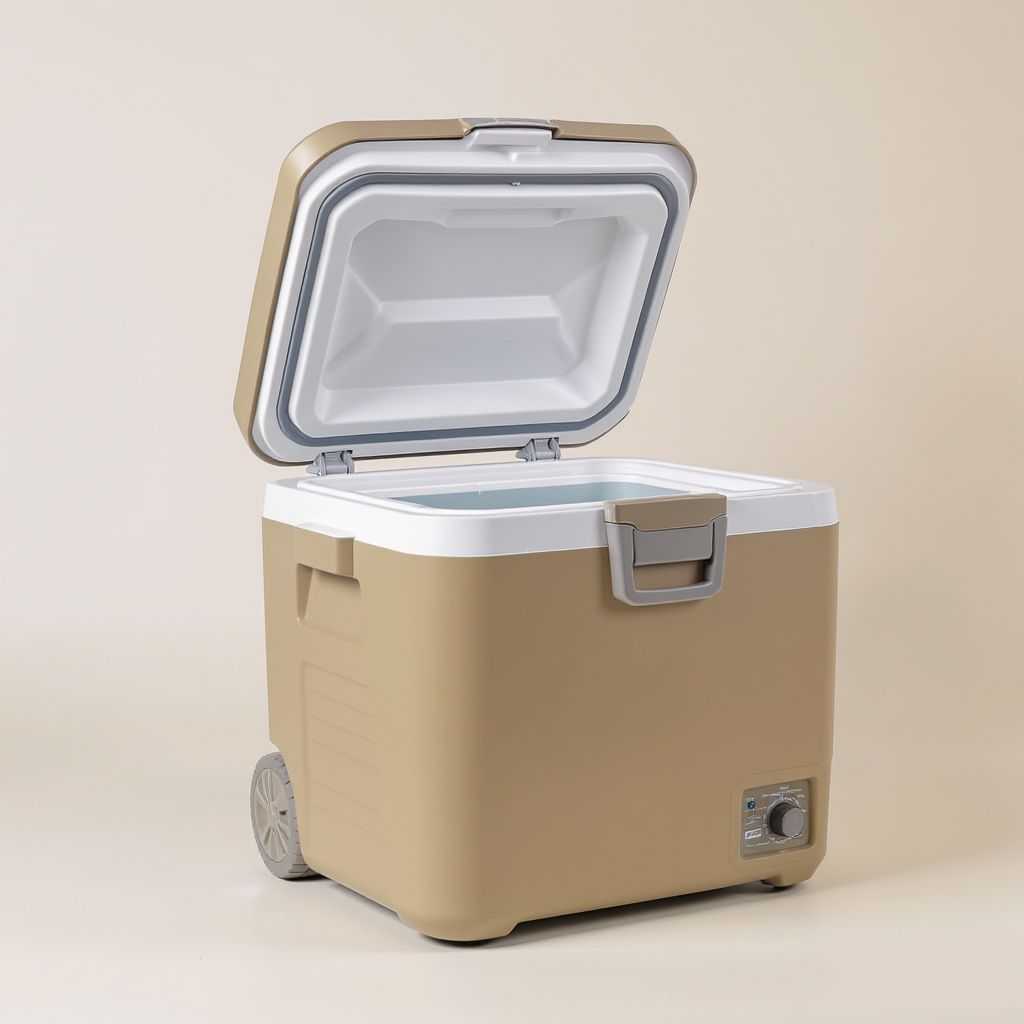
- Capacity
- 30 quarts (28L)
- Dimensions
- 23.5 x 14 x 14.5 in
- Weight
- 31 lbs
- Power Source
- 12/24V DC + 110V AC
- Power Draw
- ~1.3 Ah avg
- Warranty
- 1 year
Overview — Who Is This For?
This Costway 30Qt 12V fridge review is for one very specific shopper: the person who needs a real 12-volt compression refrigerator but cannot or will not spend $600 on a Dometic. If that is you, keep reading. If it is not, you are probably in the wrong review, and we will point you where to go instead.
The Costway 30Qt is the cheapest compression fridge worth putting in a van. That sentence is doing a lot of work, so let me unpack it. There are roughly a hundred no-name 12V fridges on Amazon and Walmart right now, most of them priced between $140 and $220, most of them using questionable compressors, sketchy thermostats, and power ratings that are basically creative writing. Costway sits at the top of that budget tier. It is not a premium brand. It is not even a mid-tier brand. But Costway has been shipping portable fridges long enough that the engineering is no longer a lottery, the QC is tolerable, and the warranty claims actually get processed.
At around $199.99, with a 30-quart (28-liter) capacity, dual-zone capability, Bluetooth app control, 12/24V DC plus 110V AC input, and a variable-speed compressor, this unit does every job a $600 Dometic does. It just does most of them slightly worse and one of them — the compressor — noticeably worse. Whether that trade is worth $400 to you is the entire question.
Good candidates for this fridge: first-time van builders who do not yet know if van life will stick, weekend warriors who camp eight to fifteen nights a year, people building a backup fridge for the garage, tailgaters, hunters storing game on a three-day trip, and anyone putting together a rig under $500 total. Bad candidates: full-time van dwellers, anyone in desert heat states running a fridge 350 days a year, and people who hate troubleshooting electronics.
Build Quality (Honest About the Price Point)
Let us just say it: the Costway does not feel like a Dometic. The outer shell is ABS plastic over a thin steel inner frame. The lid hinges are plastic with steel pins. The corner bumpers are a soft rubberized plastic that will scuff within the first month of use. The carrying handles are fabric-reinforced nylon straps riveted to the sides — perfectly serviceable, but they are not the solid aluminum bar handles you get on an Iceco or a Dometic.
Inside, the liner is food-grade plastic, smooth enough to wipe clean, with a removable wire basket. The gasket is a single-lip silicone seal. It seats well out of the box, and owner reports describe it holding temperature differential for a respectable period before the compressor needed to cycle back on. The drain plug is on the bottom — useful — and the control panel is a backlit LCD with four buttons. Nothing about the interface will win any design awards, but it is legible in daylight and readable at night.
The lid is the weakest structural element. It flexes noticeably when you press on the center, which means if you stack gear on top of this fridge in a van build, you need a support frame above it. Do not treat the lid as load-bearing. The Iceco VL35 has a noticeably more rigid lid; the Dometic is in another league entirely.
At 31 pounds empty and 23.5 x 14 x 14.5 inches, it is compact and light enough to move solo, which matters in a small van. The footprint fits under most galley counters with room to spare.
The Compressor Question (Chinese vs Secop)
This is the section that matters. The Costway 30Qt uses a Chinese-built variable-speed DC compressor, almost certainly from the LG/Huayi family that Alpicool, Bodega, Setpower, and most of the budget segment share. It is not a Secop (formerly Danfoss) BD35F or BD35R, which is what you get in the Dometic CFX3 and the higher-end Iceco units.
Why does this matter? Three reasons.
First, longevity. Secop compressors have a documented service life north of 15 years in mobile refrigeration. The Chinese equivalents have a documented service life of roughly 5 to 8 years in the same duty cycle, with the failure curve tilting harder as ambient temperatures climb. If you are a weekender putting 30 cycle-days a year on this fridge, that is effectively forever. If you are a full-timer running it 365, the math gets uglier fast.
Second, parts availability. A Secop compressor can be replaced by any mobile refrigeration shop in North America. The Chinese units generally cannot be serviced in the field — when they fail, the fridge is done, and Costway will either warranty it (within the first year) or you are out a fridge.
Third, low-voltage protection. Secop-driven controllers have three-stage battery protection that is actually accurate. The Chinese controllers have three-stage protection too, but the cutoff thresholds on budget units are less reliable and can let the compressor attempt to start at voltages that stress your house battery bank. Not a dealbreaker, but worth knowing.
To be fair: Chinese variable-speed compressors have gotten dramatically better in the last four years. The unit in this Costway is not the same garbage that shipped in $120 fridges in 2019. It is quiet, it modulates properly, and it pulls down temperatures at a reasonable rate. It is just not a Secop, and pretending otherwise would be lying to you.
Performance (Cool-Down, Hold Temp, Dual-Zone)
Costway's published pull-down figures, which we have not verified, put it at 40°F in roughly 45 minutes on max setting, and 32°F in just over an hour. That is slower than an Iceco VL35 (which gets there in about 35 to 40 minutes) and noticeably slower than a Dometic CFX3 35 (roughly 25 to 30 minutes), but it is firmly inside the range of acceptable for a 12V compression unit. Pre-chill your drinks if you want cold beer at lunch.
Hold-temp stability is where the Costway is surprisingly competent. Once it reaches setpoint, the compressor cycles in short, quiet bursts, and the internal temperature holds within about 3°F of target. That is not Dometic-grade precision, but it is more than enough to keep food safe and beer cold.
Dual-zone behavior is the caveat. Costway markets this as dual-zone, and technically it is: you can split the 30 quarts into a fridge section and a freezer section simultaneously, with the internal divider acting as a thermal barrier. In practice, the freezer side struggles to hold below 10°F when ambient temps climb above 85°F, and the fridge side warms a few degrees when the freezer compressor works hard. If you plan to run true dual-zone in Arizona in August, this fridge will be unhappy with you. For spring, fall, and mild summer trips, it works as advertised.
Power Consumption
Costway rates this at an average draw of about 1.3 Ah at 12V in eco mode, which translates to roughly 15 to 20 Ah per day in moderate ambient conditions with the fridge at 38°F. We have not metered this unit ourselves; treat the rated figure as a planning number and size your bank against hot-day draw.
In hotter conditions — say, a van parked in the sun at 95°F ambient — that number climbs to 30 to 40 Ah per day. A 100 Ah lithium battery will run this fridge for two to three days without solar input, and a 100W solar panel in decent sun will keep up with it indefinitely in most climates. For a budget van build, those numbers are completely workable.
See the full 12V fridge buying guide for how to size your battery and solar around compression-fridge draw, including the derating math for hot climates.
Costway 30Qt vs Iceco VL35 vs Dometic CFX3 35
The Iceco VL35 Pro sits at roughly $430 to $500 and uses a Secop BD35F compressor, a stainless steel lid, and metal corner guards. Build quality is in another league. Capacity is 35 quarts vs 30, cool-down is faster, and the warranty is longer (2 years on the unit, 3 on the compressor). If you have the budget, the Iceco VL35 Pro review is where you should go next.
The Dometic CFX3 35 is the gold standard at around $650. Secop variable-speed compressor, premium insulation, wifi and Bluetooth, USB-C output, ice-maker mode, and a build quality that will outlast your van. The Dometic CFX3 35 review goes deep on why it is worth the money if you can afford it.
So: Costway at $200, Iceco at $450, Dometic at $650. The Costway gives you maybe 70% of the Iceco and 55% of the Dometic, at 44% and 31% of the price respectively. If you are a weekender, the math favors Costway heavily. If you are full-time, the math inverts.
Value for Money
Dollar for dollar, the Costway 30Qt is the best budget compression fridge on the market right now, and it is not close. Every other $200 fridge either uses a worse compressor, has worse temperature stability, or is cut from a brand we would not trust for a warranty claim. Costway clears that bar.
The unit pairs well with the rest of a budget build — see the budget van kitchen under $500 guide for how this fridge fits into a full cook-and-cool setup that keeps the whole galley under five hundred bucks.
Who Should Skip This (Buy the Iceco Instead)
Skip the Costway if any of these apply: you live full-time in your van, you camp in 95°F+ heat for weeks at a stretch, you need rock-solid freezer performance for storing meat from long hunting trips, you will be heartbroken if the fridge dies in year four, or you simply value peace of mind over $250 of savings. In all of those cases, the Iceco VL35 Pro is the right answer and the extra money is cheap insurance.
Final Verdict
The Costway 30Qt is a genuinely good fridge at a genuinely low price, and it is the most honest budget pick available. It is not a Dometic, it is not even an Iceco, and the compressor is not a Secop. But it cools, it holds temperature, the app works, and it will survive weekend van life with no drama. For a first van build, a backup rig, or anyone who needs to keep the total kitchen budget under $500, it is the right call.
Buy it for what it is: the cheapest real compression fridge worth buying. Do not buy it expecting premium refrigeration.
FAQ
Is the Costway 30Qt loud? No. The variable-speed compressor ramps smoothly and runs at conversational volume. Quieter than most ARB 50s from five years ago, and roughly on par with current Iceco units.
Can I run the Costway on solar alone? Yes. A 100W panel and a 100 Ah lithium battery will run it indefinitely in moderate climates. Oversize both if you camp in hot weather.
Does the Bluetooth app work reliably? Well enough. The Costway app is not polished, but it connects, shows temperature, and lets you change setpoints. Range is roughly 20 feet. Treat it as a bonus, not a core feature.
How long will the Chinese compressor last? Realistically, 5 to 8 years of moderate duty, longer if you use it only seasonally. Not the 15-year lifespan of a Secop unit, but plenty for weekend use.
Is dual-zone usable in hot weather? Marginal above 85°F ambient. Fine in spring, fall, and mild summer. In true desert heat, run it as a single-zone fridge and skip the freezer side.
What is the warranty? One year on the full unit from Costway directly. Not great, but consistent with the price bracket. File claims through Costway rather than the retailer — it goes faster.
Compare with similar products
See how this stacks up against the other 12v fridges we've tested.
Related Reviews
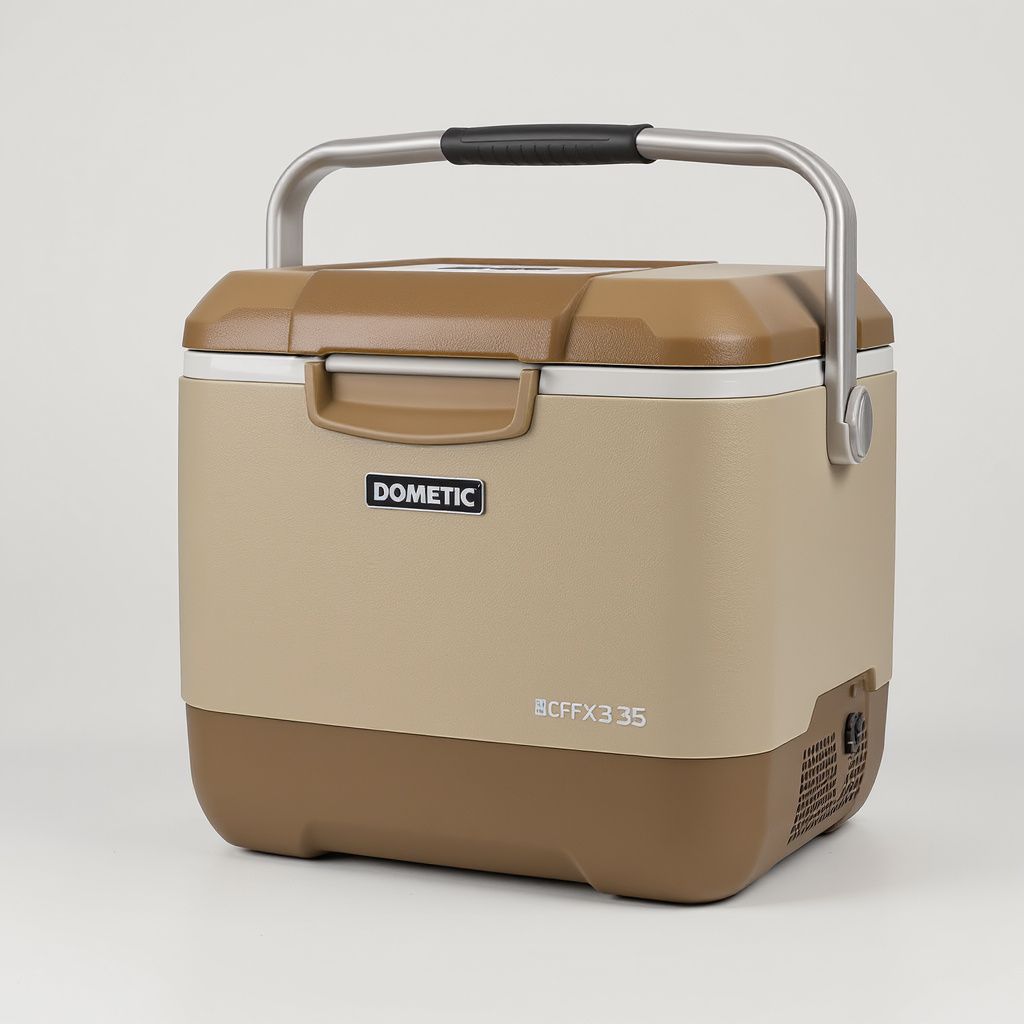
Dometic CFX3 35 Powered Cooler
The gold standard 12V fridge for serious van builds — efficient compressor, app control, and bombproof construction.
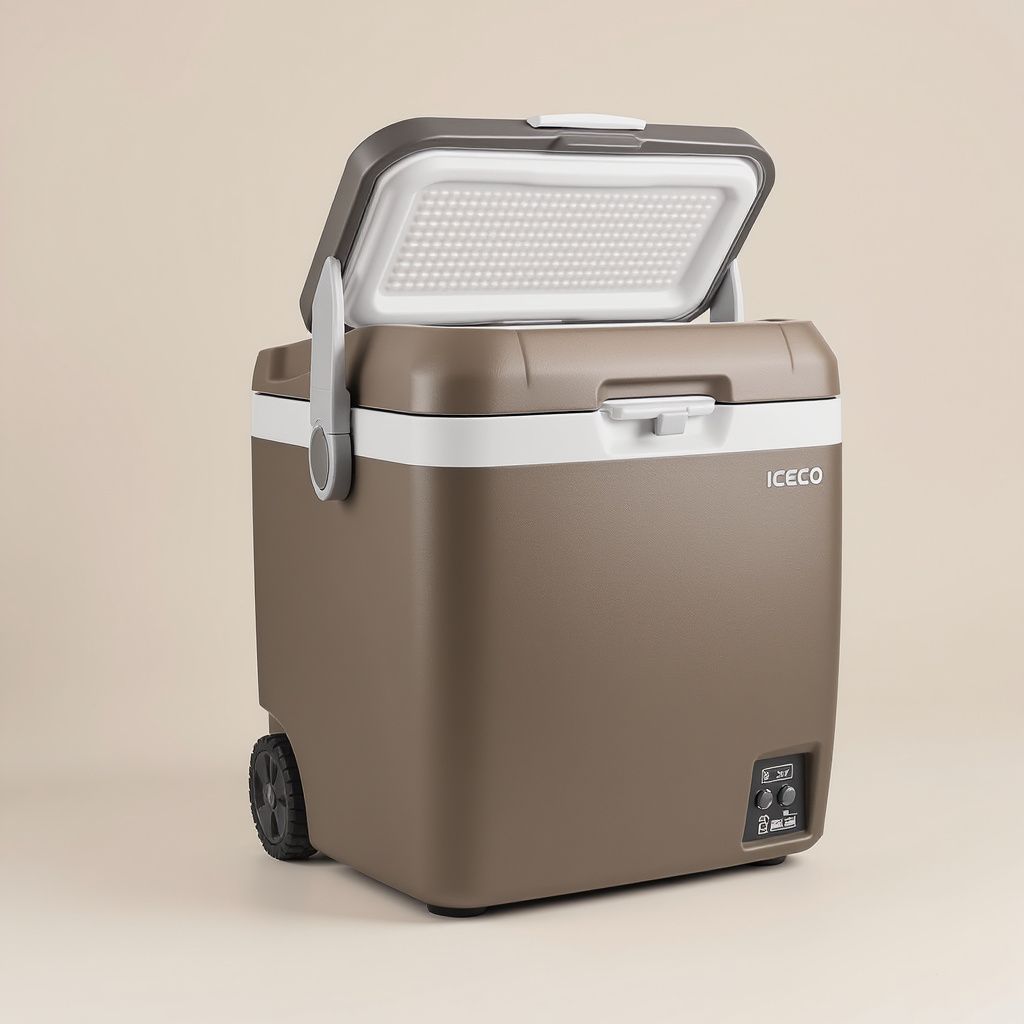
Iceco VL35 ProS 12V Fridge Freezer
The value pick. 80% of the Dometic experience at half the price — Secop compressor, solid insulation, no app gimmicks.
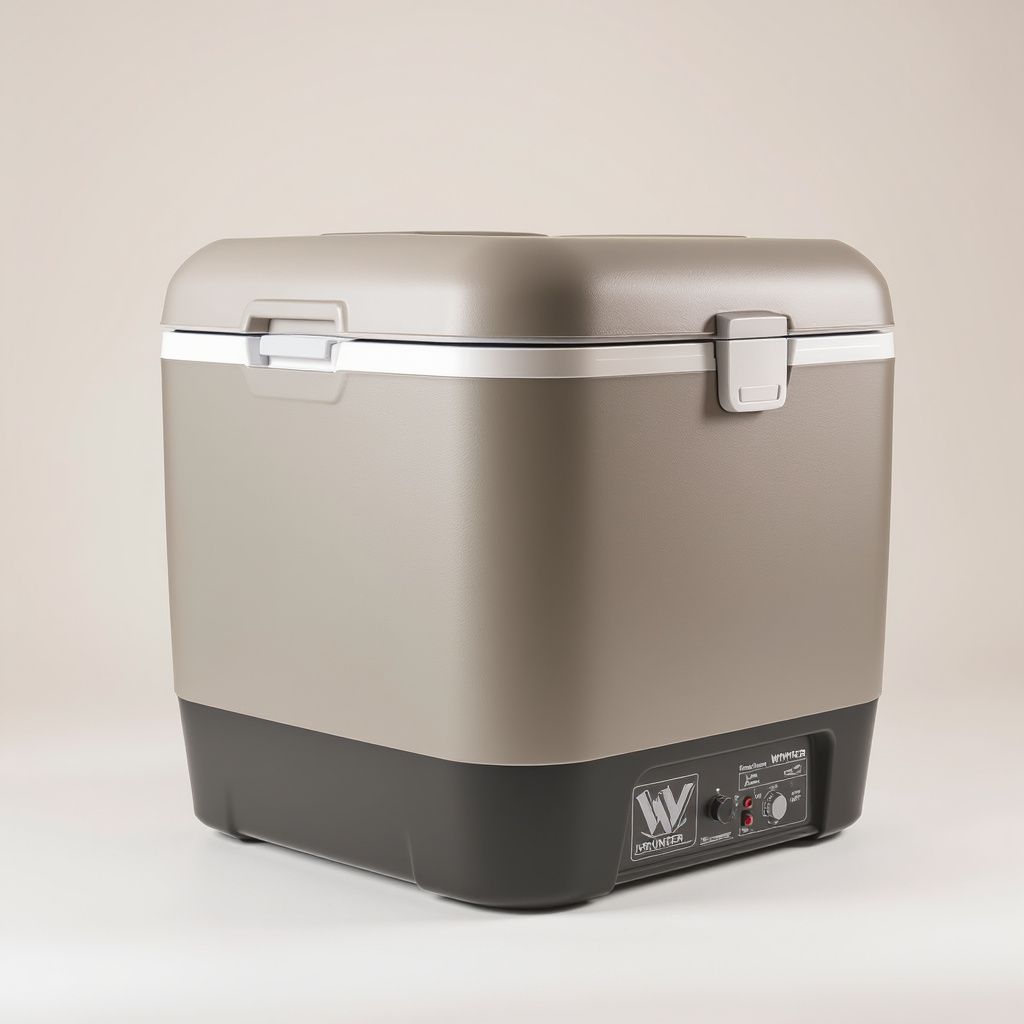
Whynter FM-45G 45-Quart Dual Zone Portable Fridge Freezer
The most versatile dual-zone 12V fridge for the price. Run it as fridge, freezer, or both at once — backed by a 1-year warranty and stocked at every major retailer.