Wacaco Picopresso Espresso Maker vs Bialetti Moka Express 6-Cup
Manual lever press vs classic Italian stovetop. Both make concentrated coffee in van kitchens, but only one makes actual espresso.
Disclosure: As an Amazon Associate I earn from qualifying purchases. Links to Amazon on this page are affiliate links: if you buy through one, VanLifeKitchens.com may earn a commission at no extra cost to you. Read our affiliate disclosure.
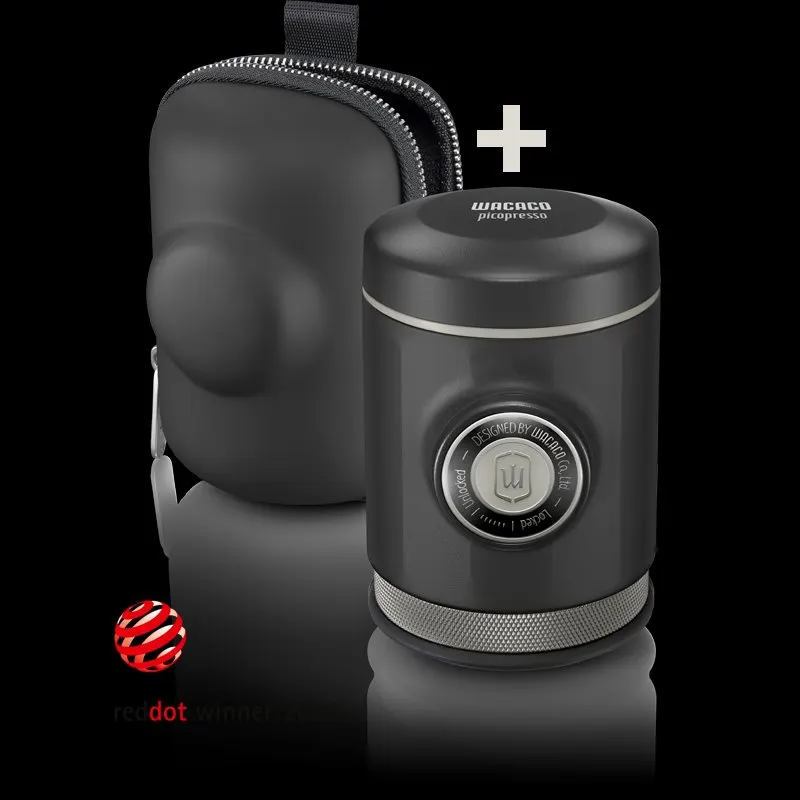
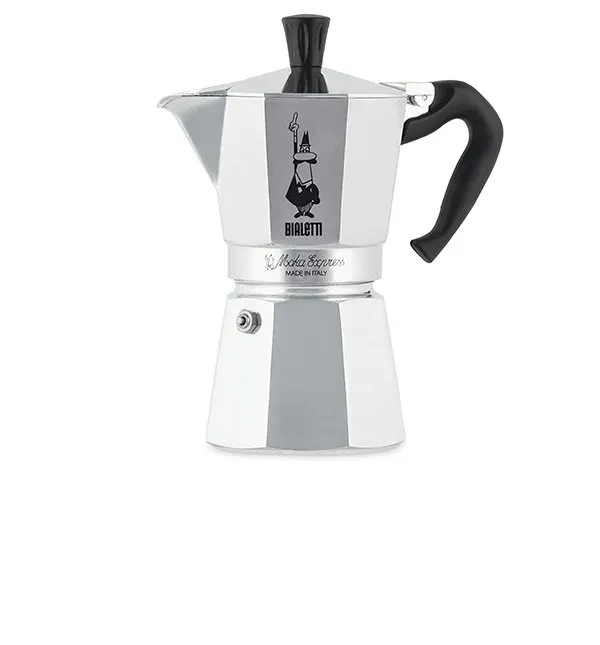
We recommend the Wacaco Picopresso Portable Espresso Maker
“The Wacaco Picopresso wins for anyone who wants pressurised espresso — Wacaco rates its hand pump at up to 18 bar, and it's the only one of the two designed to reach espresso pressure. The Bialetti Moka wins for traditional Italian-style stovetop brewing, multiple servings at once, and no-electronics simplicity. If you want espresso, buy the Picopresso; if you want moka coffee, buy the Bialetti. They are solving different problems.”
Read the full Wacaco Picopresso Portable Espresso Maker reviewSpecifications
| Spec | Wacaco Picopresso Portable Espresso Maker | Bialetti Moka Express 6-Cup Stovetop Espresso Maker |
|---|---|---|
| Best for | Manual espresso, no power | Strong stovetop coffee, gas hobs |
| Pressure | 18 bar max (Wacaco) | — |
| Basket | 52 mm, 18 g double (Wacaco) | — |
| Water Tank | 80 ml (Wacaco) | — |
| Dimensions | 71 x 78 x 106 mm / 2.8 x 3.07 x 4.17 in (Wacaco) | — |
| Weight | 350 g / 12.35 oz (Wacaco) | — |
| Materials | Aluminium, stainless steel, PA66, PP, TPV, silicone (Wacaco) | Aluminium body, patented safety valve (Bialetti) |
| Bundle | Picopresso with protective sleeve (Amazon) | — |
| Warranty | 2 years (Wacaco) | — |
| Capacity | — | 250 ml / about 8.5 oz, 6 espresso cups (Bialetti size chart) |
| Compatibility | — | Gas and electric hobs; induction only with Bialetti plate, sold separately (Bialetti) |
| Cleaning | — | Rinse with water only, no detergent, not dishwasher safe (Bialetti) |
Wacaco Picopresso Portable Espresso Maker
- Rated to 18 bar maximum pressure
- 18 g, 52 mm basket with naked portafilter
- 350 g and smaller than most travel mugs
- No electricity required
- Requires hot water from a separate kettle
- Steep learning curve to dial in
Bialetti Moka Express 6-Cup Stovetop Espresso Maker
- Brews about 250 ml of strong stovetop coffee
- Aluminium body, no electronics or pump
- Made in Italy since 1933 (Bialetti)
- Works on gas and electric hobs
- Not induction compatible without Bialetti's adapter plate
- Hand-wash with water only, no dishwasher
The short answer
If you want actual espresso in your van, buy the Wacaco Picopresso. Of these two, it's the only one designed to make pressurised espresso. Wacaco rates its hand pump at up to 18 bar and gives it a 52 mm basket for an 18 g dose. With a fine grind and some practice, it pulls a double shot with crema in roughly 25 to 35 seconds of pumping, using nothing but hot water and your hands. The full details are in our Wacaco Picopresso review.
If you want strong, concentrated stovetop coffee for two with almost no learning curve, buy the Bialetti Moka Express 6-Cup. Bialetti's size chart gives 250 ml (about 8.5 oz) per brew, and it takes about five minutes on a gas or electric hob. In a van, that usually means a fixed hob installed to its manufacturer's instructions, or a butane or propane camp stove used outdoors where its manual requires. It's also the budget option here; the Picopresso costs considerably more. Our Bialetti Moka Express 6-Cup review covers the 1933 design in detail.
These two brewers do different jobs. The Picopresso is for people who already love espresso and will put in the time to dial it in. The Moka is for people who want a strong coffee ritual that's easy to get right. The guide to making real espresso in a van explains the pressure differences in more depth.
This comparison is research-based. VanLifeKitchens doesn't test products hands-on; figures below are Wacaco's, Bialetti's or the Amazon listings', as cited in each review.
Side by side
| Spec | Picopresso | Moka Express 6-Cup |
|---|---|---|
| Method | Hand pump, 18 bar max | Stovetop, low pressure |
| Output | One double shot, 18 g dose | 250 ml per brew |
| Water | 80 ml tank, boiling water | Boiler filled to valve |
| Weight, size | 350 g, 71 x 78 x 106 mm | Not published by Bialetti |
| Warranty | 2 years | Not on Bialetti's page |
The listings the review pages link to are the Picopresso bundle with protective sleeve (ASIN B0FQB6X5LL) and the Moka Express 6-cup in natural silver (ASIN B00004RFRU). Bialetti's page doesn't give the Moka Express's dimensions, weight or warranty terms, so check the listing and the box for those.
What's actually in the cup
Espresso is usually defined as coffee brewed at about 9 bar at the coffee bed over roughly 25 to 30 seconds. Wacaco rates the Picopresso at a maximum of 18 bar. As the Picopresso review explains, that rated figure is headroom, not the pressure at the puck on every shot. Actual pressure depends on how hard and steadily you pump and on how much resistance the puck gives, which comes down to grind, dose and tamp. Wacaco doesn't publish a measured pressure at the coffee bed. With the right grind and dose, the Picopresso can produce a small, concentrated shot with crema. Its flavour depends more on your beans and grinder than on the device, and with no heated group head the water cools during the pour, which tends to flatten very light roasts.
The Moka Express works at a small fraction of espresso pressure. Heat builds pressure in the sealed boiler and pushes hot water up through the coffee into the top chamber. Figures of around 1 to 2 bar are typical for moka pots, per the Bialetti review. You won't get lasting crema or the syrupy texture of a pulled shot. What you get is its own style of coffee: concentrated, full-bodied and aromatic, sitting between filter coffee and espresso. It works well straight, over ice or stretched with hot milk or water.
Edge: Picopresso, if espresso is the goal. It's the only one of the two designed to make it.
Heat source and cooktop compatibility
This matters a lot in modern van builds. The Moka Express is aluminium. Bialetti rates it for gas and electric hobs, and for induction only with Bialetti's adapter plate, sold separately, because aluminium isn't magnetic. The plate adds bulk and slows the brew. If your van cooks on induction only, the other option is a stainless steel moka pot made for induction. Bialetti doesn't list open fires as a heat source. If you use a campfire grate anyway, keep the pot over glowing coals rather than flames and watch the handle and knob, which aren't metal.
Where you brew matters. The moka pot burns nothing itself, but the stove under it does. Many portable butane cassette stoves, propane camp stoves and canister stoves are labelled by their manufacturers for outdoor use only. The Jetboil Flash manual, for example, says "FOR OUTDOOR USE ONLY" and warns never to use it in a camper or car. A five-minute moka brew doesn't change that rule. Opening a door, running a roof fan or fitting a CO alarm doesn't make an outdoor-only stove acceptable inside; a CO alarm is a last-line warning device, not permission. With a camp stove, brew the Moka outside on medium-low heat, and keep the flame under the base so it doesn't lick up the sides or reach the handle. A fixed propane cooktop installed in the van should be fitted to its manufacturer's instructions, by a qualified RV gas technician where codes or your insurer require one, and given the combustion ventilation its manual specifies. The van cooking safety guide covers the difference between combustion ventilation and general cooking ventilation.
The Picopresso doesn't touch the stove. Wacaco's instructions say to fill its chamber with boiling water, so you need a kettle. That could be a stovetop kettle on induction, such as the Hario V60 Buono gooseneck, an electric kettle if your power system can run it, or a kettle on a camp stove outdoors. That's an extra step, but it means the Picopresso works with every heat source a van might have.
Edge: Picopresso. It works with any kitchen that can boil water, while the Moka needs gas, an electric hob or an adapter plate on induction.
Learning curve and the gear you need
The Moka Express is the easy one. Fill the boiler with water up to the safety valve, not over it, and never block the valve. Fill the basket with roughly 25 to 30 g of medium-fine coffee, level it with a finger and don't press it down. Screw the top on firmly, set the pot on medium-low heat with the lid open, and take it off the heat when it starts to gurgle, as Bialetti instructs. The two classic mistakes are tamping and letting it run on, which is the usual cause of bitter, burnt-tasting moka coffee. Both are easy to avoid once you know about them. Medium-fine pre-ground coffee works.
The Picopresso review is honest that your first several shots will probably be off. Grind size, dose, tamp and water temperature all have to be roughly right at the same time. It needs a fine, consistent grind, close to powdered sugar. Pre-ground supermarket coffee is almost always too coarse, so in practice you'll need a grinder that can reach espresso fineness. The 1Zpresso K-Ultra is the site's grinder built for both espresso and filter; the 1Zpresso Q Air can grind fine enough but is slow at it. That's an extra purchase and another thing to store. Weigh the 18 g dose, and expect a week or two of practice. Wacaco also says reaching maximum pressure takes up to 13 kg of hand force on the pump, which is worth knowing if you have wrist or hand problems.
Edge: Bialetti Moka. It's forgiving, quick to learn, and doesn't need an espresso-capable grinder.
Batch size and who you're brewing for
The Picopresso makes one double shot per fill of its 80 ml tank. For two people, you load, tamp and pump twice, and each shot takes about two minutes start to finish, including dosing and filling. That's fine for one espresso drinker but repetitive for a couple, and every extra shot means more hot water.
The 6-cup Moka makes 250 ml in one go, per Bialetti's size chart. Bialetti counts in small espresso cups, so that's six espresso-sized cups or about two small mugs, which suits two people. Moka pots work best filled to their rated capacity, so if you usually brew for one, a smaller Bialetti size fits better than a part-filled 6-cup.
Edge: Bialetti Moka, for couples and anyone who wants more than one shot at a time.
Cleanup, water use and durability
The Picopresso is quick to clean. You knock the puck into a trash bag, rinse the basket and portafilter, and wipe the piston area. The review estimates a careful rinse in a cup or bowl at around 100 ml of water. Its naked portafilter has no spouts to clean. Wacaco lists the materials as aluminium, stainless steel, PA66, PP, TPV and silicone, with BPA-free plastics. Silicone seals are the parts most likely to wear over years of use, so check that Wacaco has replacements available before you rely on it for a long trip.
The Moka is easy too, but you have three parts to rinse. Bialetti says to rinse it with water only: no detergent and no dishwasher, which it says can damage the pot and affect the taste. The review's low-water routine is to let it cool, knock out the grounds, rinse the three parts with a cup or two of water, and dry them before storing the pot loosely assembled. The pot has no motor, pump or battery. Its wear parts are the rubber gasket and the filter plate, both sold separately. Replace the gasket when it hardens, cracks or the pot starts to leak at the seam; how long that takes depends on how often you brew and how hard you tighten the pot. If your water is hard, descale the boiler now and then so the safety valve doesn't clog.
Edge: Picopresso, by a little, for lower water use. The Moka has the simpler construction, with nothing beyond a gasket and filter plate to wear.
Size and storage
The Picopresso measures 71 x 78 x 106 mm and weighs 350 g (12.35 oz), per Wacaco, so it's smaller than most travel mugs and fits a glove box or door pocket. The protective sleeve in this Amazon bundle helps in a moving vehicle. Add a hand grinder and you still have a compact kit.
Bialetti doesn't publish the 6-cup's dimensions or weight, so check the listing before you plan a drawer around it. Its rigid, eight-sided shape doesn't nest with anything. Keep it in a drawer or bin where it can't roll, and protect the handle from heavy cookware. It needs no extra gear beyond a hob and a grinder or pre-ground coffee.
Edge: Picopresso on its own footprint. Once you add the grinder it needs, the two kits end up much closer.
Value
The Picopresso is the premium choice here and the Bialetti Moka Express 6-Cup the budget one, and the gap grows once you count the espresso-capable grinder that the Picopresso needs. Check current prices with the "Check price on Amazon" buttons on each review page, since they move often. Wacaco gives the Picopresso a 2-year warranty. Bialetti's page doesn't state warranty terms for the Moka Express, so check the listing. For strong coffee for two at the lowest cost, the Moka is the simpler route. The Picopresso still costs much less than a home espresso machine, which would need a mains outlet and a large inverter in a van, so if straight espresso is what you actually drink, it's the realistic way to keep drinking it off-grid.
Which one should you buy?
- Buy the Picopresso if you already love straight espresso and will be disappointed by anything without crema.
- Buy the Picopresso if your van runs on induction, or you want a brewer that works off any hot water source.
- Buy the Picopresso if you own, or will buy, a grinder that can grind fine enough for espresso.
- Buy the Picopresso if you mostly brew for one person.
- Buy the Moka if you cook on a gas or electric hob, or outdoors on a camp stove, and want strong coffee in about five minutes with no learning curve.
- Buy the Moka if you're brewing for two people every morning.
- Buy the Moka if you want the lowest-cost route to strong coffee and don't want to buy extra gear.
- Buy the Moka if you aren't sure you even like espresso. The Picopresso review suggests starting with a moka pot to find out whether you enjoy strong, concentrated coffee.
FAQ
Does a Bialetti Moka pot make real espresso? No. Moka pots brew at roughly 1 to 2 bar, while espresso needs about 9 bar at the coffee bed. It makes strong, concentrated stovetop coffee with little or no crema. The Picopresso is the one of these two designed to make espresso.
Can I use the Bialetti Moka Express on an induction cooktop? Not by itself. The classic Moka Express is aluminium, which isn't magnetic. Bialetti sells an induction adapter plate separately, or you can choose a stainless steel moka pot made for induction. The Picopresso only needs boiling water, so it works no matter how you heat it.
Is the Picopresso hard to use? It has a real learning curve. Expect your first several shots to be off while you dial in grind, dose and tamp. A fine, consistent grind from a capable grinder makes a big difference. Pre-ground coffee is almost always too coarse.
Which is better for two people? The Moka Express 6-Cup makes 250 ml in one brew, per Bialetti, enough for about two small mugs. The Picopresso pulls one double shot per fill, so two people means two full cycles.
Do I need electricity for either one? Neither brewer needs electricity itself. The Moka needs a gas or electric hob, or induction with Bialetti's plate; a portable camp stove must be used where its manual allows, which is often outdoors only. The Picopresso needs boiling water from a kettle.
Sources and verification
- Wacaco Picopresso review: specs and sources for the Picopresso, including Wacaco's product page and the Amazon listing (checked 2026-10-12)
- Bialetti Moka Express 6-Cup review: specs and sources for the Moka Express, including Bialetti's size chart and the Amazon listing (checked 2026-10-12)
- https://www.wacaco.com/products/picopresso: cited in the Picopresso review for 18 bar maximum, 52 mm basket and 18 g dose, 80 ml tank, 350 g, 71 x 78 x 106 mm, materials, 2-year warranty, boiling-water fill and pump force (checked 2026-10-12 in that review)
- https://www.bialetti.com/au_en/moka-express-4-cups.html: cited in the Bialetti review for the 250 ml 6-cup size, heat sources, induction plate and water-only cleaning (checked 2026-10-12 in that review)