Bialetti Moka Express 6-Cup Stovetop Espresso Maker
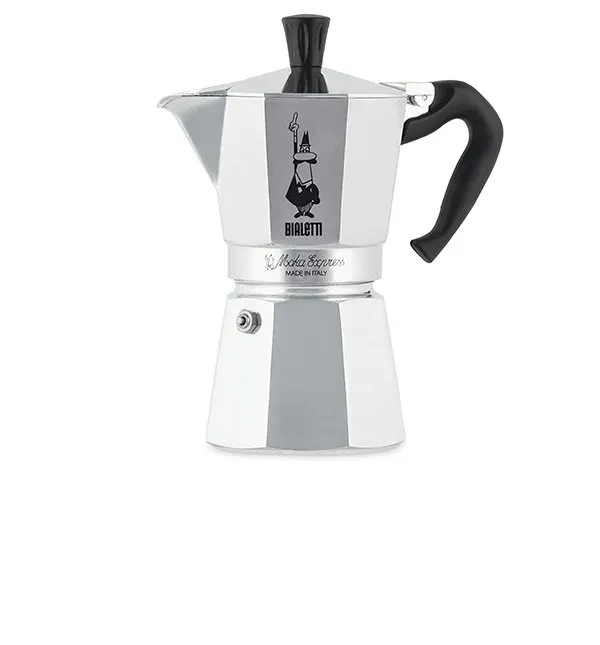
- Capacity
- 250 ml / about 8.5 oz, 6 espresso cups (Bialetti size chart)
- Materials
- Aluminium body, patented safety valve (Bialetti)
- Compatibility
- Gas and electric hobs; induction only with Bialetti plate, sold separately (Bialetti)
- Cleaning
- Rinse with water only, no detergent, not dishwasher safe (Bialetti)
Bialetti Moka Express 6 Cup Review: The Stovetop Classic, and Where It Fits in a Van
The Bialetti Moka Express is an eight-sided aluminium stovetop brewer. According to Bialetti, Alfonso Bialetti invented it in 1933, and the company still makes it in Italy. It makes a strong, concentrated coffee in about five minutes. It has no electronics, pump or battery, so the only energy it uses is your stove's. In a van that cooks on gas or electric, it's one of the simplest ways to make strong coffee for two. On an induction-only rig, it needs Bialetti's adapter plate.
What the Amazon link sells: the Bialetti Moka Express in natural silver, 6-cup size (ASIN B00004RFRU).
Choose this if:
- You cook on a gas or electric burner and want strong, concentrated coffee for one or two people.
- You want a simple brewer with no electronics, pump or battery.
- You're happy to hand-wash it and replace the gasket when it wears.
Skip this if:
- Your van cooks on induction only and you don't want an adapter plate.
- You want true espresso with crema, or you usually brew a single small cup.
- You want something you can put in a dishwasher.
What you get, and the published specs
The Moka Express has three parts. A bottom boiler holds the water and carries a safety valve. A funnel-shaped basket holds the coffee. A top chamber collects the brewed coffee.
| Spec | Figure | Source |
|---|---|---|
| Size | 6 espresso cups | Bialetti, Amazon |
| Brewed volume | 250 ml (about 8.5 oz) | Bialetti size chart |
| Body | Aluminium, patented safety valve | Bialetti, Amazon |
| Heat sources | Gas, electric; induction with plate | Bialetti, Amazon |
| Cleaning | Water only, no detergent | Bialetti, Amazon |
Bialetti measures moka sizes in espresso cups, not mugs. Its size chart gives 250 ml for the 6-cup, so plan on about two small mugs. Bialetti's page doesn't give dimensions, weight or warranty terms, so those aren't stated here. Check the Amazon listing and the box. Spare gaskets and filter plates are sold separately.
How it brews
Heat builds pressure in the sealed lower chamber and pushes hot water up through the coffee bed into the top chamber. The pressure is far below espresso's roughly 9 bar. Figures of around 1 to 2 bar are commonly cited for moka pots. So you get strong, full-bodied coffee with little or no crema, not espresso.
The method, following Bialetti's instructions on the listing:
- Fill the boiler with water up to the safety valve, not over it. Never block or cover the valve. It releases pressure if the coffee bed clogs.
- Fill the basket with ground coffee without pressing it down. For the 6-cup, that's roughly 25 to 30 g of medium-fine coffee, levelled with a finger.
- Screw the top on firmly and set the pot on medium-low heat with the lid open so you can watch.
- When the pot starts to gurgle, take it off the heat. Bialetti says to turn off the flame at that point. Letting it run on is the usual cause of bitter, burnt-tasting moka coffee.
The whole process takes about 5 minutes. Don't leave it unattended on a flame, and don't brew while the vehicle is moving.
Cooking-location rules: the stove decides
The moka pot itself has no combustion and no rules about where it can be used. The stove does. Many portable butane cassette stoves, propane camp stoves and canister stoves are labelled by their manufacturers for outdoor use only. The Jetboil Flash manual, for example, says "FOR OUTDOOR USE ONLY" and warns never to use it in a camper or car. If your stove carries that rule, brew outside. Opening a door, running a roof fan or fitting a CO alarm doesn't make an outdoor-only stove acceptable inside. A CO alarm is a last-line warning, not permission.
A fixed propane cooktop installed in the van is a different case. It should be installed to its manufacturer's instructions, and by a qualified RV gas technician where codes or your insurer require one. Even then, it needs combustion ventilation, meaning fresh air in and combustion products out, as its manual specifies. That's separate from the general ventilation you need for steam and cooking smells. The van cooking safety guide covers the difference.
On any gas burner, keep the flame small enough that it stays under the base and doesn't lick up the sides or reach the plastic handle.
Campfires. Bialetti lists gas and electric hobs, plus induction with its plate, and doesn't list open fires. People do use moka pots on grates over coals. If you do, keep the pot over glowing coals rather than flames, and watch the handle and knob, which are not metal.
Induction: the main limitation
Aluminium isn't magnetic, so the Moka Express won't heat on an induction hob by itself. Bialetti's answer is its induction adapter plate, sold separately, which heats up on the hob and passes the heat to the pot. A plate adds bulk and slows the brew. If your van cooks on induction only, consider a stainless steel moka pot made for induction instead. If you're weighing induction against gas, the power calculator helps you size the electrical side.
Coffee quality
A well-brewed moka coffee is concentrated, aromatic and full-bodied. It sits between filter coffee and espresso. It's stronger than a pour-over and less intense than a well-pulled shot from the Wacaco Picopresso. You can drink it straight, pour it over ice, or top it up with hot milk or water.
The 6-cup makes about two small mugs, so it suits two people. Moka pots work best filled to their rated capacity. If you usually brew for one, a smaller Bialetti size fits better than a part-filled 6-cup.
Bialetti vs Wacaco Picopresso vs AeroPress
- Wacaco Picopresso. Hand-pumped espresso, rated at 18 bar, one double shot per fill. It needs a fine grinder, a scale and practice, and costs considerably more. The Picopresso vs Moka Express comparison covers this choice in detail.
- AeroPress Original. A clean, paper-filtered single cup, fast cleanup, and a polypropylene body with no glass to break. It's not moka coffee and it's not espresso. It needs hot water from a kettle rather than going on the burner itself.
- Moka Express. More coffee per brew than either, enough for two, with no hand pumping and no filters. Cleanup is a bit fussier than the AeroPress, and you need a gas or electric hob or an induction plate.
For one brewer in a gas-equipped van, the moka pot is a sensible choice. For a solo traveller with an induction hob, the AeroPress is simpler. For espresso specifically, the Picopresso.
Cleaning and maintenance
Bialetti says to rinse the Moka Express with water only after use: no detergents, and not in a dishwasher, which it says can damage the pot and affect the taste.
A low-water routine for a van:
- Let the pot cool before you open it.
- Knock the spent coffee out of the basket into a trash bag.
- Rinse the three parts with a small amount of water. A cup or two is usually enough, as an estimate.
- Dry the parts and store the pot unassembled, or loosely assembled, so trapped moisture doesn't leave stale smells.
The rubber gasket and the filter plate above the basket are the wear parts. Replace the gasket when it hardens, cracks or the pot starts to leak at the seam. That interval depends on how often you brew and how hard you tighten the pot. Don't let the safety valve get clogged with scale. If your water is hard, descale the boiler now and then, following Bialetti's guidance for your model.
Fitting it into a van kitchen
- Grinder. The 1Zpresso Q Air holds 15 to 20 g, so a full 6-cup basket takes two loads.
- Storage. It's a rigid, eight-sided shape that doesn't nest with anything. Keep it in a drawer or bin where it can't roll, and protect the handle from heavy cookware.
- Energy. On gas it uses only a few minutes of a burner on low. On an electric or induction hob, the plate and pot draw the hob's power for about 5 minutes. Check your hob's rating against your inverter.
Value
The Moka Express sits at the budget end of the site's coffee gear. You can check the current price with the "Check price on Amazon" button. Running costs are an occasional gasket and filter plate. There's no motor, battery or pump to fail.
Limitations
- It won't work on induction without Bialetti's adapter plate.
- It doesn't make true espresso, and gives little or no crema.
- It's hand-wash only, with no detergent, per Bialetti.
- It works best filled to its rated capacity, so it's not ideal for one small cup.
- It needs a stove used where that stove's manufacturer allows. Many portable camp stoves are outdoor-only.
Final verdict
The Bialetti Moka Express 6-Cup is a simple, durable-by-design stovetop brewer with no electronics. It makes about 250 ml of strong coffee in around five minutes on a gas or electric hob. In a van with a stove you're allowed to use inside, or one you use outside, it's one of the first coffee tools worth buying. On an induction-only rig, budget for the plate or choose a different brewer.
FAQ
Is the Bialetti Moka Express safe on propane and butane camp stoves? The pot works well on gas, because you can control the flame precisely. Keep the flame small and under the base. The stove is what carries the safety rules. Many portable butane and propane camp stoves are labelled for outdoor use only, so follow your stove's manual on where it can be used.
Can I use it on a campfire? Bialetti doesn't list open fires as a heat source. If you do use one, set the pot on a flat grate over glowing coals rather than flames, and keep the non-metal handle and knob away from the heat.
How much coffee does the 6-cup actually make? Bialetti's size chart gives 250 ml, about 8.5 oz. That's six espresso-sized cups or about two small mugs.
Why shouldn't I wash it with soap? Bialetti says to rinse it with water only, with no detergent and no dishwasher, and warns that a dishwasher can damage the pot and affect the taste of the coffee.
Will it work on my induction cooktop? Not by itself. Bialetti sells an induction adapter plate separately, or you can choose a stainless steel moka pot made for induction.
How long does the rubber gasket last? It depends on use and on how tightly the pot is screwed together. Replace it when it hardens, cracks or the pot leaks at the seam. Replacement gaskets are sold separately.
Sources and verification
- https://www.bialetti.com/au_en/moka-express-4-cups.html: Moka Express size chart (6-cup 250 ml), aluminium body with patented safety valve, gas and electric hobs, induction needs the Bialetti plate sold separately, rinse with warm water only, no detergent, not dishwasher safe, made in Italy since 1933 (checked 2026-10-12)
- Amazon listing ASIN B00004RFRU: natural silver, 6 cups, 1933 origin and Alfonso Bialetti, safety valve, induction with the adapter plate, brewing instructions, no detergent and no dishwasher (checked 2026-10-12)
Compare with similar products
See how this stacks up against the other coffee gear we've reviewed.
Head-to-head comparisons
Related Reviews
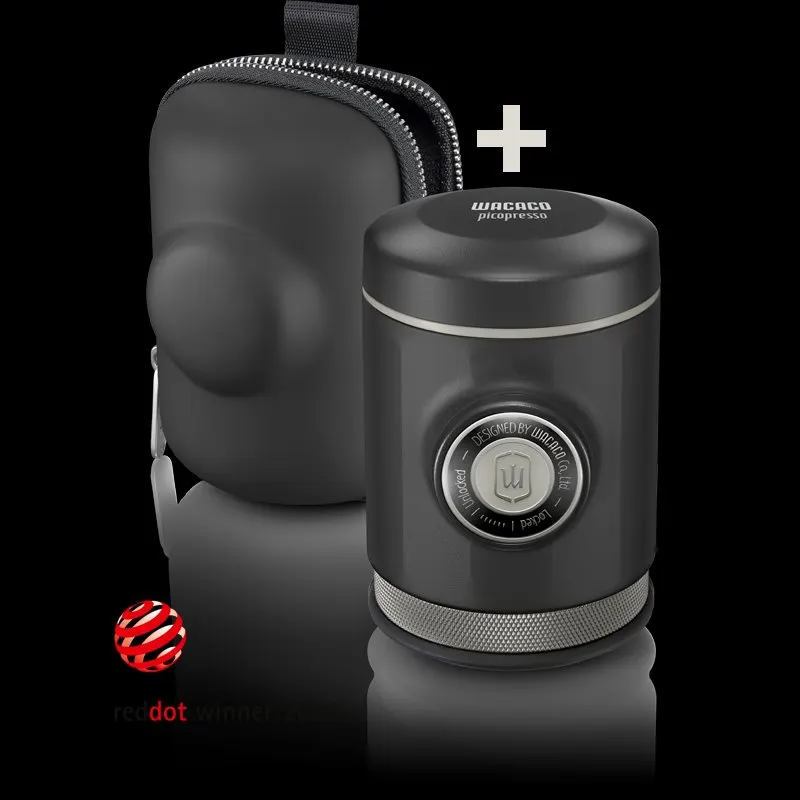
For: Manual espresso, no power
Wacaco Picopresso Portable Espresso Maker
Manual espresso in a van. Wacaco rates it at 18 bar, it pulls a double shot in about 30 seconds, fits in a coat pocket, and needs no electricity. A premium option for espresso in a small space.
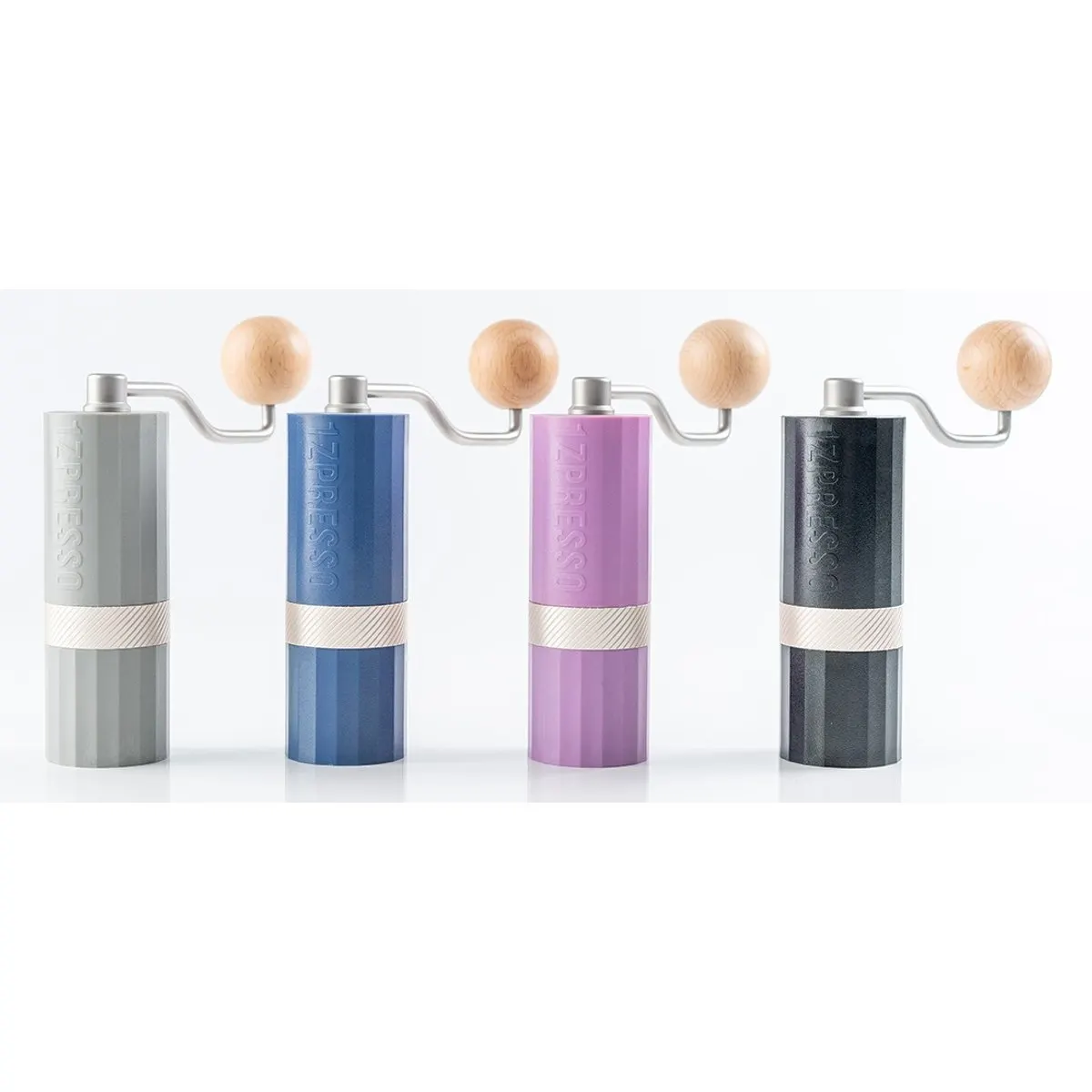
For: Hand-grinding one or two cups
1Zpresso Q Air Manual Coffee Grinder
A 365g steel-burr hand grinder that nests inside an AeroPress, with a 30-click numbered dial and no glass to break. Excellent for one or two pour-over cups, but it holds only 15–20g.
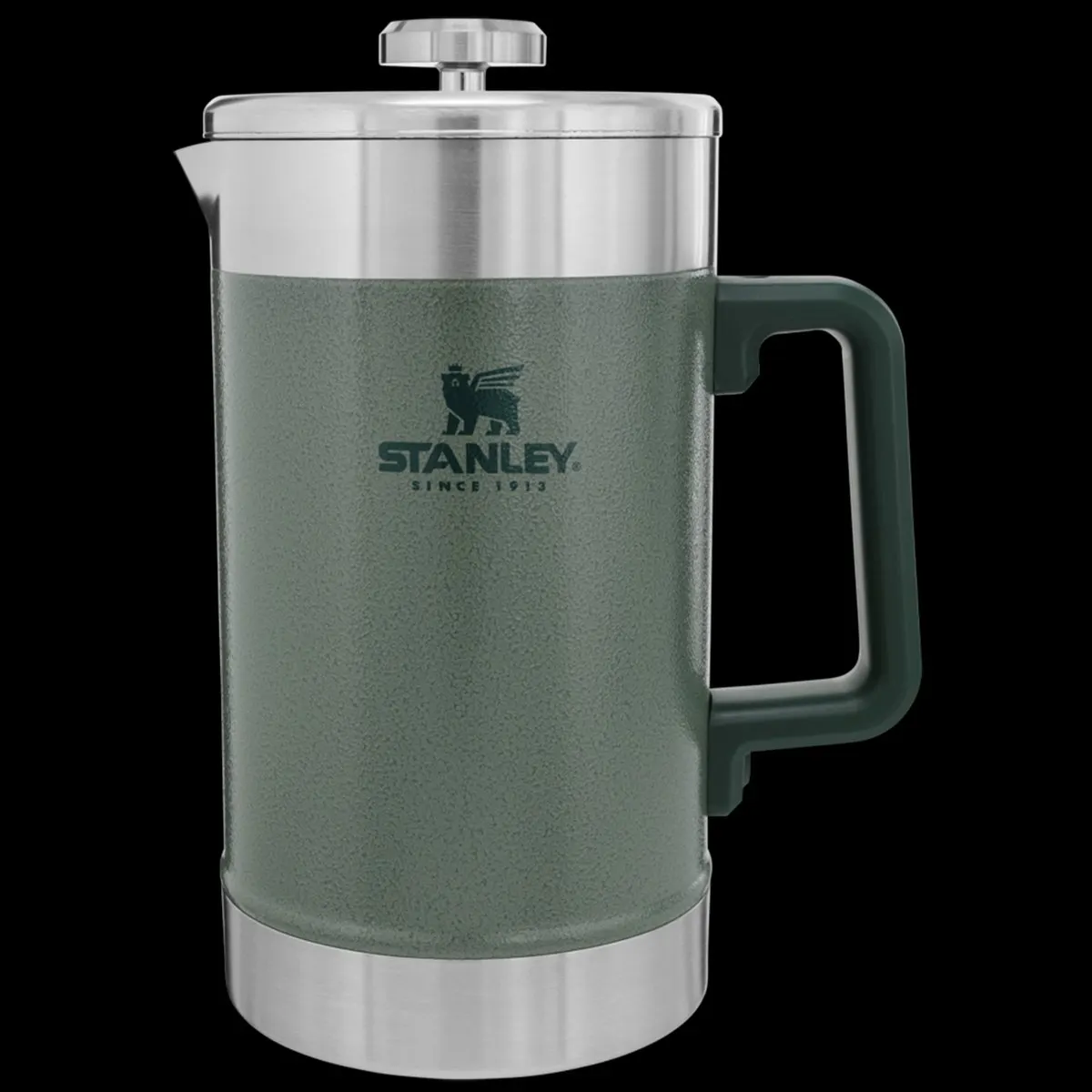
For: Coffee for several, no glass
Stanley Classic Stay Hot French Press
A French press with no glass to break. Stanley says the vacuum-insulated stainless body keeps coffee hot for 4 hours after brewing, it brews 48 oz at once, and it is backed by Stanley's lifetime warranty.