Wacaco Picopresso Portable Espresso Maker
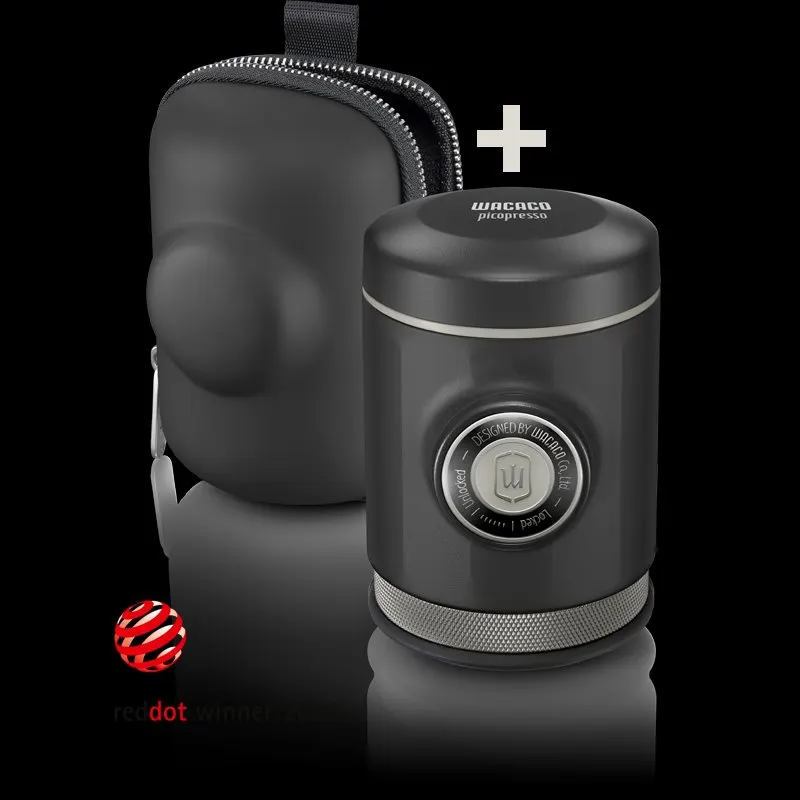
- Pressure
- 18 bar max (Wacaco)
- Basket
- 52 mm, 18 g double (Wacaco)
- Water Tank
- 80 ml (Wacaco)
- Dimensions
- 71 x 78 x 106 mm / 2.8 x 3.07 x 4.17 in (Wacaco)
- Weight
- 350 g / 12.35 oz (Wacaco)
- Materials
- Aluminium, stainless steel, PA66, PP, TPV, silicone (Wacaco)
- Bundle
- Picopresso with protective sleeve (Amazon)
- Warranty
- 2 years (Wacaco)
Overview
The Wacaco Picopresso is a hand-pumped espresso maker that needs no battery or mains power. Wacaco rates it at a maximum of 18 bar and gives it a 52 mm stainless steel basket that holds 18 g of coffee. Most "portable espresso" gadgets make strong coffee. The Picopresso is built to make pressurised espresso, and it asks more of you in return: a grinder that can grind fine enough, a scale, boiling water and a week or two of practice.
What the Amazon link sells: the WACACO Picopresso Bundle with Protective Sleeve (ASIN B0FQB6X5LL), black. This is the Picopresso plus a heat-resistant protective sleeve that, according to the listing, cushions knocks and gives you a grip while brewing.
Choose this if:
- You already enjoy straight espresso and want it on the road without electricity.
- You have, or will buy, a grinder that can grind fine enough for espresso.
- You're willing to weigh your doses and practise.
Skip this if:
- You want quick, forgiving coffee. An AeroPress or a moka pot is simpler.
- You only use pre-ground coffee.
- You want steamed-milk drinks. There's no steam wand.
Published specs
| Spec | Figure | Source |
|---|---|---|
| Max pressure | 18 bar (261 psi) | Wacaco |
| Basket | 52 mm, 18 g double | Wacaco |
| Water tank | 80 ml | Wacaco |
| Weight | 350 g (12.35 oz) | Wacaco |
| Size | 71 x 78 x 106 mm | Wacaco |
| Warranty | 2 years | Wacaco |
Wacaco lists the materials as aluminium, stainless steel, PA66, PP, TPV and silicone, with BPA-free plastics. Its standard package includes the Picopresso, a double filter basket, a tamper, a scoop, a brush, a distribution tool, a funnel and a protective case. Wacaco also sells a 12 g basket separately. The device doesn't heat water. Wacaco's instructions say to fill the chamber with boiling water. It also says that reaching maximum pressure takes up to 13 kg of hand force on the pump, which is worth knowing if you have wrist or hand problems.
What 18 bar means
Espresso is usually defined as coffee brewed at about 9 bar of pressure at the coffee bed, over roughly 25 to 30 seconds. A pump's rated pressure is a maximum, not the pressure you'll see at the coffee on every shot. Actual pressure depends on how hard and steadily you pump, and on the resistance of the puck, which comes down to grind size, dose and tamp. If the grind is too coarse, water rushes through at low pressure whatever the rating says. Too fine, and you can't pump through at all.
So Wacaco's 18 bar is headroom: the device can reach espresso pressure when the puck gives it something to push against. It doesn't publish a measured pressure at the coffee bed. For a lever design that shows you the pressure on a gauge, look at the Flair 2GO, which Flair rates at 6–9 bar. The Flair 2GO vs Picopresso comparison covers that choice in detail.
Build and cleaning
The Picopresso uses a naked (bottomless) portafilter. Because nothing hides the base of the basket, you can watch how the shot comes through. Uneven streams or spurts show that the grind, dose or tamp needs adjusting. A naked design also means no plastic spouts to clean.
Cleaning in a van goes like this: knock the puck into a trash bag, rinse the basket and portafilter, and wipe the piston area. As an estimate, a careful rinse in a cup or bowl takes around 100 ml of water. Silicone seals are the parts most likely to wear over years of use. Before you buy, check that replacement seals are available from Wacaco.
The protective case in Wacaco's package and the sleeve in this Amazon bundle both help in a moving vehicle. Store it in a drawer or bin rather than loose on a shelf.
Pulling a shot: the learning curve
Expect your first several shots to be off. Pulling espresso by hand means getting four things roughly right at once: grind size, dose, tamp and water temperature.
- Grind. It needs to be fine, close to powdered sugar. If water runs through in under 15 seconds, grind finer. If the shot is very slow and bitter, go a little coarser. Pre-ground supermarket coffee is almost always too coarse.
- Dose. Weigh 18 g into the standard basket. Use the distribution tool, tamp level and firm, and wipe the rim so the basket seals.
- Water. Fill the 80 ml chamber with boiling water, as Wacaco instructs. The device is small and loses heat quickly. A widely used habit with small manual espresso makers is to preheat by pumping a chamber of hot water through without coffee. That costs water and gas, but it gives a hotter shot.
- Pump. Pump steadily. Drops should appear after several pumps, and the whole shot should take roughly 25 to 35 seconds.
The grinder matters as much as the Picopresso. The 1Zpresso Q Air can reach espresso fineness, but Coffee Chronicler timed 60 to 75 seconds to grind a 16 g espresso dose and called the shots average. If espresso is your main drink, the 1Zpresso K-Ultra is the site's grinder built to cover espresso and filter. The Q Air vs K-Ultra comparison covers the difference. Our guide to making real espresso in a van explains the full setup.
What it can and can't produce
With the right grind and dose, the Picopresso can produce a small, concentrated shot with crema. The flavour depends on your beans and grinder more than on the device. Two physical limits apply. With no heated group head, the water cools during the pour, which tends to flatten very light roasts. And the 80 ml tank means one double shot per fill. Each extra shot means more hot water and another round of loading and cleaning.
Picopresso vs Bialetti Moka vs AeroPress
- Bialetti Moka Express 6-cup. It makes moka coffee: strong and concentrated, but brewed at a small fraction of espresso pressure, with little or no crema. It brews enough for two in one go and takes no technique beyond flame control. It needs a gas or electric hob, or Bialetti's induction plate. The Picopresso vs Moka Express comparison goes into detail.
- AeroPress Original. It makes concentrated immersion coffee under light hand pressure. It's quicker, much more forgiving of grind and cleaner to run, but it doesn't make espresso.
- Picopresso. Of the three, it's the only one designed to make pressurised espresso. It's also the one that needs a fine grinder, a scale and the most practice.
If you want espresso specifically, choose the Picopresso. If you want strong coffee without the fuss, the moka pot or the AeroPress is easier.
Fitting it into a van kitchen
- Space. At 71 x 78 x 106 mm, it's smaller than most travel mugs, and the case fits in a glove box or a door pocket.
- Hot water. You need a kettle. The Hario V60 Buono stovetop gooseneck works on gas, electric and induction hobs. If you boil water on a butane or canister stove, follow that stove's manual on where it can be used. Many, such as the Jetboil Flash, are labelled for outdoor use only.
- Power. The brewer needs none. Only your water heating uses energy.
- Milk. There's no steam wand. A battery frother with warmed milk is the usual workaround.
Value
The Picopresso costs more than a moka pot or an AeroPress. You can check the current price with the "Check price on Amazon" button. It costs much less than a home espresso machine, which would need a mains outlet and a large inverter in a van. Budget for a capable grinder as well, because that's where espresso quality is won or lost. The 2-year warranty is longer than the 1 year offered on many of the site's coffee tools.
Limitations
- It's a steep learning curve. Expect to waste some coffee early on.
- It needs a fine, consistent grinder. That's an extra cost, and the Q Air is only average at espresso.
- One double shot per fill, and it doesn't heat water.
- It takes a lot of hand force at full pressure: up to 13 kg, per Wacaco.
- No milk steaming.
Final verdict
The Wacaco Picopresso is the site's pick for pressurised espresso without power. Wacaco rates it at 18 bar and gives it an 18 g, 52 mm basket, and it weighs 350 g. It rewards a good grinder and practice, and it punishes pre-ground coffee. If you already love espresso and will put up with the routine, it's a compact way to keep drinking it in a van. If you're simply curious about espresso, start with a moka pot and see whether you enjoy strong, concentrated coffee before buying a Picopresso.
FAQ
Is the Picopresso worth it over the Nanopresso? If you're serious about espresso, yes. The Picopresso's 18 g, 52 mm basket and naked portafilter are closer to a home espresso setup and give you more control over dose and extraction. The Nanopresso is cheaper and lighter, which suits backpackers counting grams.
Can I use pre-ground coffee? Technically yes, but in practice it rarely works. Pre-ground coffee is almost always too coarse for espresso, so water runs through fast at low pressure and the shot comes out thin and sour. Use a grinder that can reach espresso fineness.
How long does it take to pull a shot? About two minutes in total, including dosing, tamping, filling and pumping. The pour itself is roughly 25 to 35 seconds.
Does it work with decaf? Yes. The same rules on grind, dose and tamp apply.
How do I clean it on the road? Knock the puck into a trash bag, rinse the basket and portafilter, and wipe the piston area. As an estimate, a careful rinse takes about 100 ml of water.
Can I make milk drinks with it? You can pull a shot and add milk, but there's no steam wand. A battery frother with warmed milk is the usual van workaround.
Sources and verification
- https://www.wacaco.com/products/picopresso: 18 bar maximum pressure, 52 mm basket and 18 g capacity, 80 ml tank, 350 g weight, 71 x 78 x 106 mm size, materials, 2-year warranty, package contents, no water heating ("fill the chamber with boiling water"), up to 13 kg pump force (checked 2026-10-12)
- https://coffeechronicler.com/1zpresso-q-air-review/: 60 to 75 second grind time for a 16 g espresso dose on the Q Air, and its assessment of espresso quality (checked 2026-10-12)
- Amazon listing ASIN B0FQB6X5LL: bundle contents (Picopresso with protective sleeve), 18 bar claim (checked 2026-10-12)
Compare with similar products
See how this stacks up against the other coffee gear we've reviewed.
Head-to-head comparisons
Related Reviews
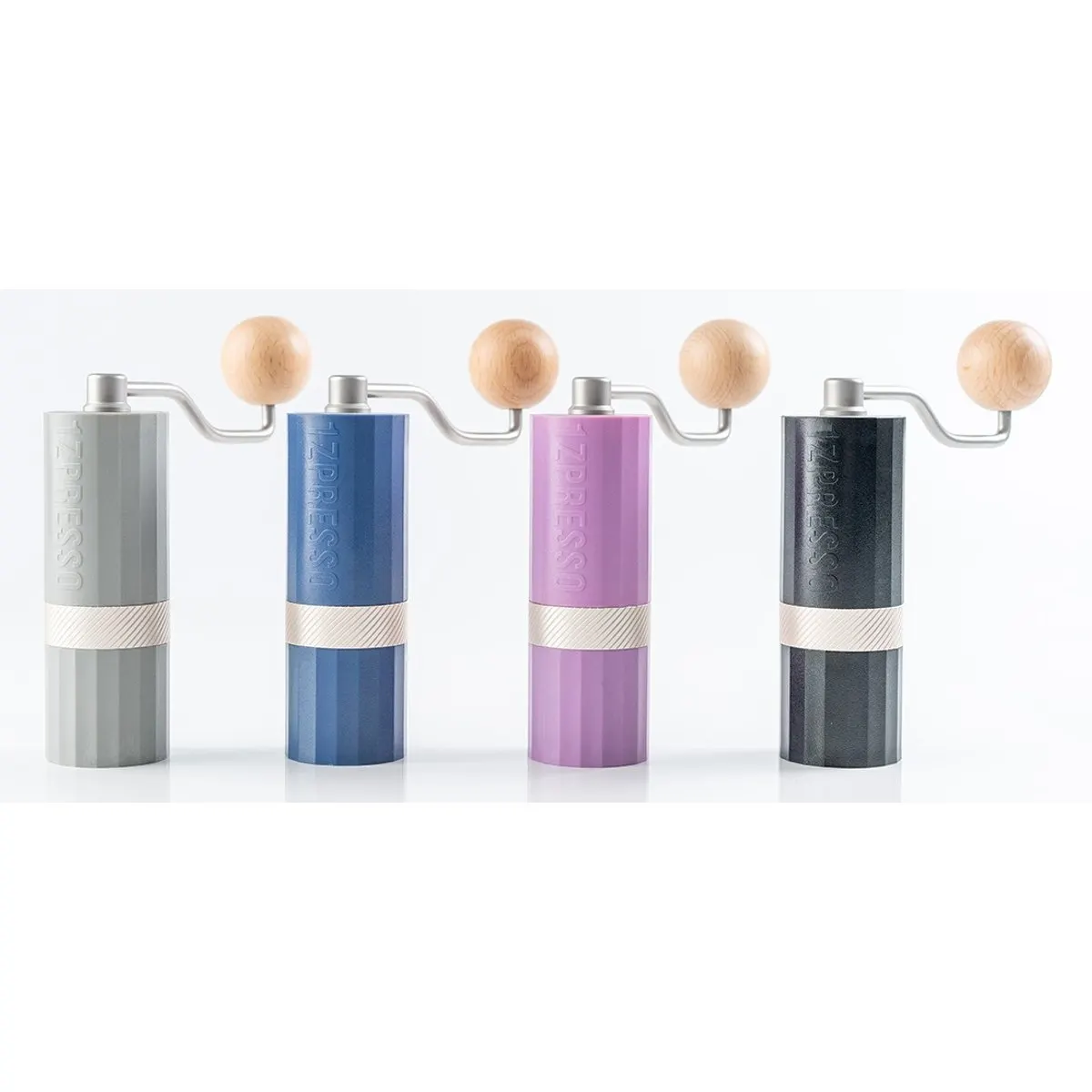
For: Hand-grinding one or two cups
1Zpresso Q Air Manual Coffee Grinder
A 365g steel-burr hand grinder that nests inside an AeroPress, with a 30-click numbered dial and no glass to break. Excellent for one or two pour-over cups, but it holds only 15–20g.
For: Coffee for several, no glass
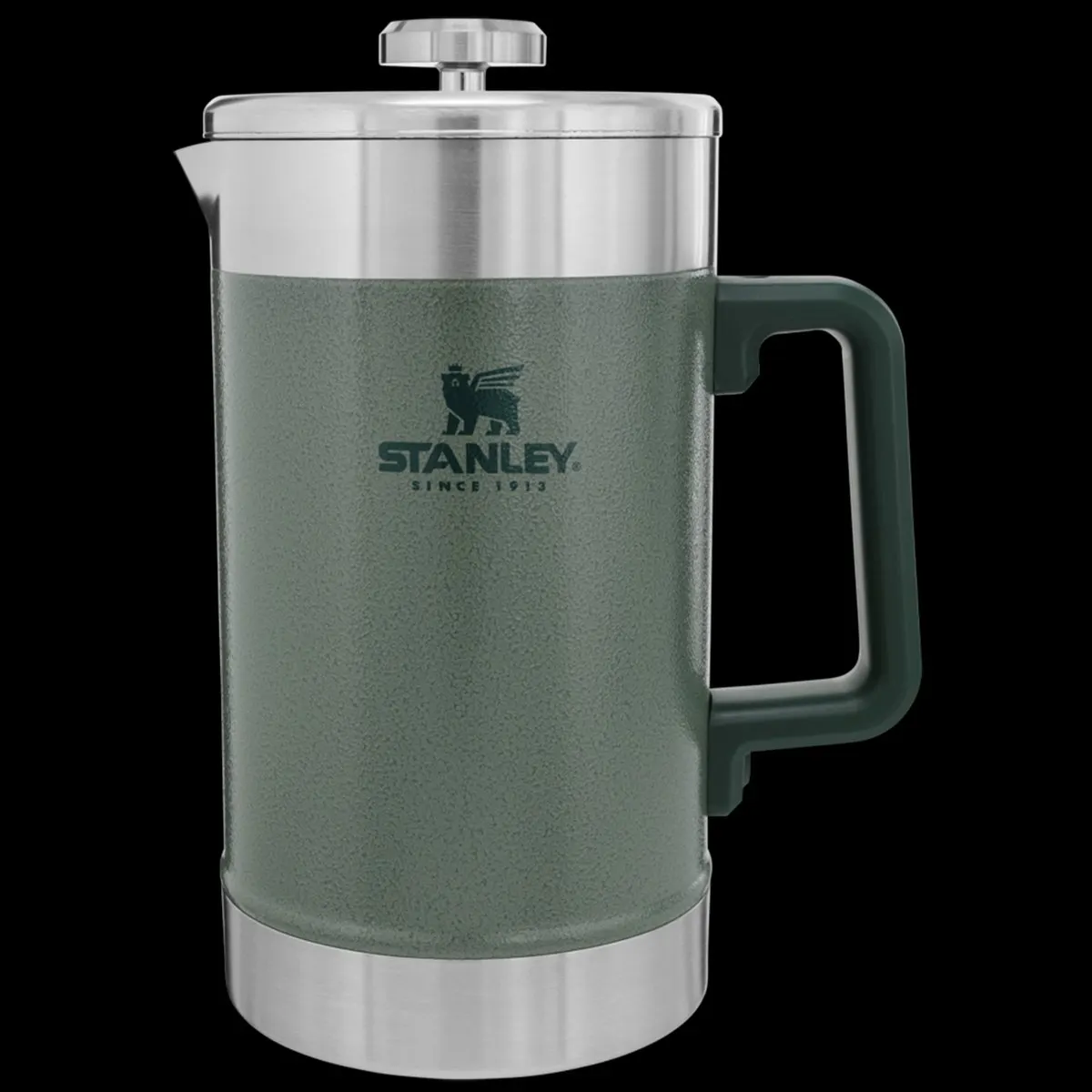
Stanley Classic Stay Hot French Press
A French press with no glass to break. Stanley says the vacuum-insulated stainless body keeps coffee hot for 4 hours after brewing, it brews 48 oz at once, and it is backed by Stanley's lifetime warranty.
For: Pour-over on shore power
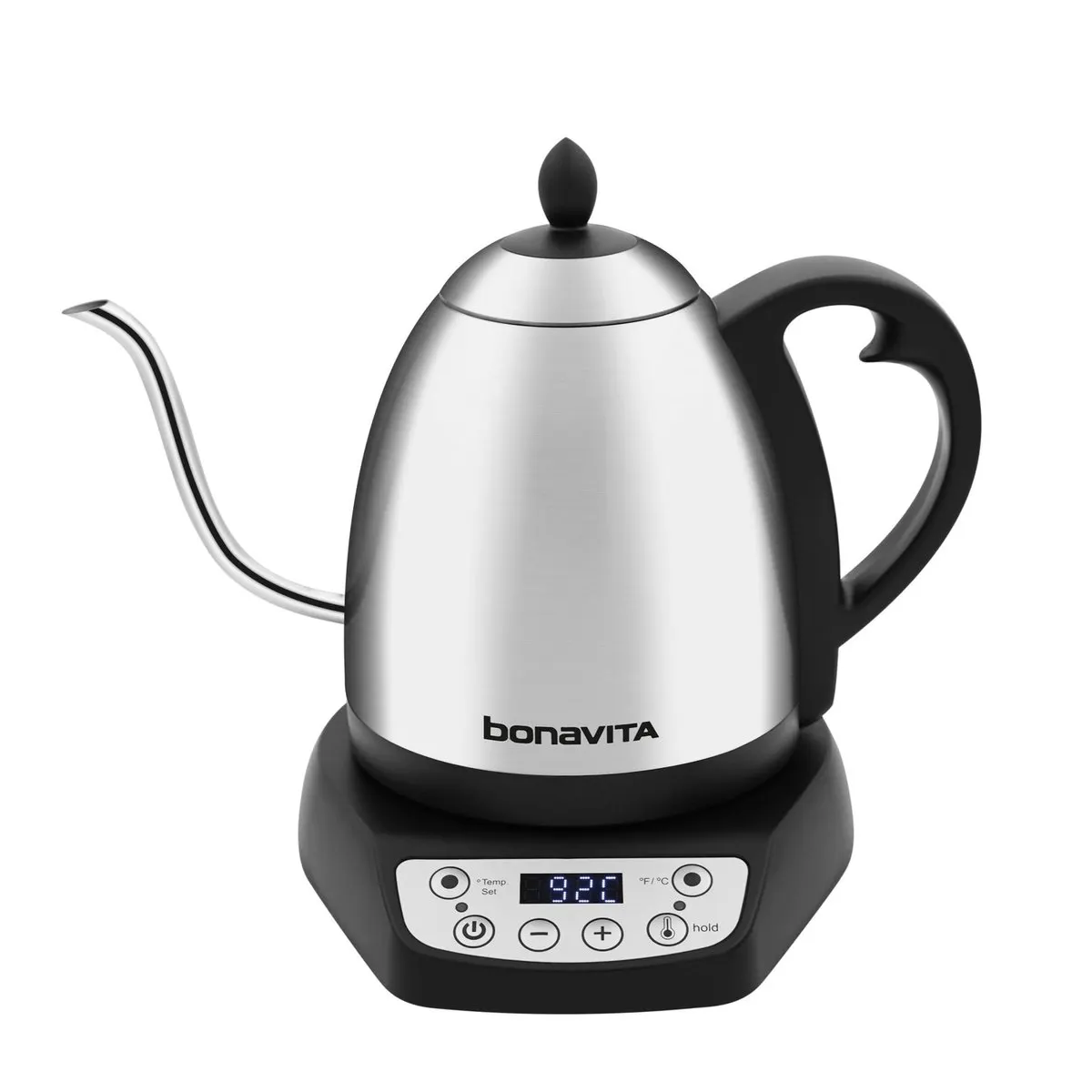
Bonavita 1.0L Electric Gooseneck Kettle
A pour-over kettle for vans with shore power or a large inverter. Gooseneck spout for a controlled pour, 1 L capacity, 1-degree temperature control and a 60-minute hold, but it needs 1200 W at 120 V AC and Bonavita's manual says household use only, not outdoors.