Van Kitchen Dish Washing: The System That Actually Works
How to clean dishes in a van without wasting water, smelling up the cabin, or driving yourself crazy. A real system, not a theory.
Disclosure: As an Amazon Associate I earn from qualifying purchases. Links to Amazon on this page are affiliate links: if you buy through one, VanLifeKitchens.com may earn a commission at no extra cost to you. Read our affiliate disclosure.
Why dish washing breaks most first-time builds
Nobody plans their van kitchen around dish washing, and that's exactly why dish washing is what breaks most first-time builds. You planned the fridge, the cooktop, the pantry, the water tank — and then a week into full-time living you realize you're spending 20 minutes per meal wrestling with a greasy pan under a trickle from a foot pump, wasting half a gallon of water per dish, and wondering why your van smells like yesterday's garlic.
This guide describes a dishwashing system built from low-water techniques that suit a van. It handles three meals a day for two people, uses under half a gallon of water per meal, and doesn't leave your galley smelling like a restaurant kitchen. The gear on top of whatever sink setup you already have is inexpensive, everyday stuff. Most importantly, it's a system — not a list of products — because the products matter less than the routine.
The constraint: water is the hard limit
A van kitchen can't do unlimited water. A typical 20–30 gallon fresh tank has to last 3–5 days between refills for two people, which puts your daily dish-washing budget at roughly 2 gallons per day total — and that's for two people, three meals, with some buffer for drinking and hand washing.
If you wash dishes the way you'd wash them at home — running water, full sink, rinse each item — you'll burn through 4–6 gallons per meal. That's impossible. The entire system below is built around the single constraint of water scarcity, and every product choice and technique serves that constraint.
The two-bin method
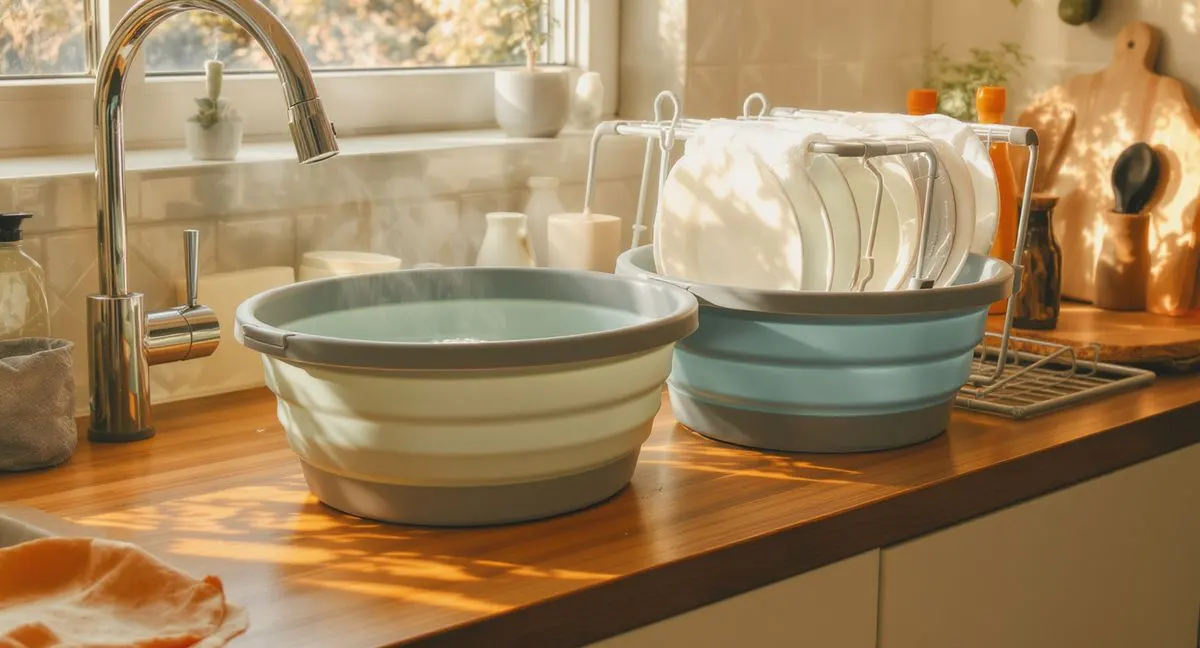
The core of the system is two bins:
- A wash bin — soapy water, warm if you have it.
- A rinse bin — clean water, used sparingly.
Both bins are collapsible silicone so they flat-pack when not in use. A popular choice is Colapz 10L folding bowls — they collapse flat, nest together, and are reasonably priced. Cheaper collapsible camping bowls work fine too.
The workflow
- Scrape plates into the trash before anything else. This is the single most important step. Food scraps in your grey water turn into smell within 24 hours. Use a silicone spatula or a paper towel to remove every bit of solid food before a dish touches water.
- Fill the wash bin with about 2 liters of warm water and a drop of Dawn. Warm water matters — it cuts grease in a fraction of the water needed for cold rinsing. Heat a kettle if you don't have hot water plumbed: on induction or an electric kettle inside, or on a butane or propane stove outdoors, since those camp stoves are manufacturer-labelled for outdoor use.
- Wash dishes in order of cleanliness: glasses and mugs first, plates and bowls second, utensils third, cookware last. This keeps the wash water cleaner longer so one batch of soapy water handles the full meal.
- Rinse in the second bin by dipping or pouring a small amount of clean water over each dish. Do not run the tap. A half-liter of rinse water handles six dishes if you're careful.
- Air dry on a roll-up drying rack. Dish towels get moldy in a van within days. A roll-up silicone dish drying rack that deploys over the sink and rolls flat for storage is the right tool here.
Total water used per meal: about 2–2.5 liters (~0.55 gallons). Compare to 4–6 gallons if you run the tap.
The kettle trick
Hot water cuts grease. Grease is the single hardest thing to wash out of van cookware, especially after a steak or a stir fry with cast iron.
Before you start washing, boil a kettle: an electric kettle or induction hob inside, or a gas stove outside. As a rough estimate, bringing 1 liter of cool water to the boil at 1,500 W takes about 4 minutes and uses around 100 Wh from the battery once inverter losses are included (more in cold weather, less if you stop short of boiling, which is all washing needs). Pour the hot water directly into your wash bin. Hot soapy water cuts through the same dish load with noticeably less water than cold soapy water needs, because you are not rinsing and re-scrubbing congealed grease.
This is the biggest water-saving habit in the system. How much it saves depends on what you cook; owners who switch from cold-water washing commonly describe it as the difference between refilling the wash bin and getting through the whole meal on one batch.
Managing the grey water
Grey water is the output side of dish washing, and it's where most van kitchens develop a smell problem within a week. Three rules:
Rule 1: Strain everything. A cheap sink strainer catches crumbs, rice grains, coffee grounds, and grease solids before they hit your grey tank or jug. Empty the strainer into the trash after every wash. Food solids are a main source of grey tank smell, so this one habit does a lot of the work.
Rule 2: Empty grey water every 2–3 days, not when it's full. Stagnant water with trace food particles smells worse the longer it sits. A half-full grey jug dumped every 3 days smells fine. A full grey jug dumped once a week smells like a frat house.
Rule 3: Baking soda weekly. A tablespoon of baking soda in the grey tank or jug neutralizes acidic byproducts and eliminates most residual smells. Cheap, harmless, effective.
For the full grey water system design in a plumbed build, see the van water system setup guide.
What to wash and what to skip
Not every dish needs the full wash. Items that don't:
- Plates for dry food (toast, a piece of fruit, a sandwich) — wipe with a paper towel and reuse.
- Coffee mugs mid-day — rinse with hot water, skip the soap.
- Water glasses — rinse and reuse if they only held water.
- Cast iron pans — wipe hot with a paper towel, rinse, dry over low heat for 60 seconds, and re-oil. Lodge says a small amount of mild dish soap is fine on seasoned cast iron; what damages it is soaking and leaving it wet. Skip the soap only when the pan just held something simple.
- Wooden cutting boards that held only bread or fruit — a scrub with hot water and a quick wipe. After raw meat, wash a wooden board with hot, soapy water, rinse and dry it on edge; just never leave it soaking.
Items that do need the full two-bin wash:
- Anything that held raw meat, eggs, or fish
- Anything with oil or grease residue (cast iron can get the wipe-and-rinse treatment above unless it held raw meat)
- Anything that touched dairy
- Cookware used for complex meals
A realistic daily dish load for two people running this system: 8–12 items per meal × 3 meals = 24–36 items per day, of which maybe 15–20 get the full two-bin wash and the rest get the wipe-or-rinse treatment.
The gear list
The full dish washing system for a full-time van kitchen:
- 2× Colapz collapsible 10L bowls
- Sink strainer (basket or mesh)
- Silicone dish drying rack (roll-up)
- Silicone scraper spatula
- 1L stovetop or electric kettle (if you don't already have one)
- Dawn Ultra dish soap (travel size)
- Baking soda (small box for grey tank)
- Microfiber cloths (pack of 5)
It's a budget kit overall, and cheaper still if you already own a kettle and scraper. If you want water from a pump rather than a poured jug, without fixed plumbing, the no-plumbing campervan sink guide covers jug, pump and grey-water choices.
What to skip
Approaches that consistently don't work:
- Dishwashing wipes (Scrubbing Bubbles, Wet Ones kitchen wipes). Expensive, single-use, create trash. Paper towels work as well for wipe-only dishes.
- Rinseless soap (no-rinse camping soap). Leaves a soapy film that tastes bad on dishes. Use normal soap with small rinse water instead.
- Disposable plates and utensils. Environmentally bad and van trash compounds fast. Real dishes washed carefully are the right answer.
- Plastic sponges. They retain grease and develop smell fast. Silicone scrubbers or a stiff brush dry faster and are easier to keep clean.
- Hand sanitizer as "dry cleaning". Doesn't remove oil. Only works on flat, non-greasy surfaces.
Daily time budget
With the system dialed in, dish washing takes about:
- Breakfast dishes: 3–4 minutes
- Lunch dishes: 2–3 minutes (often wipe-only)
- Dinner dishes: 6–10 minutes (the heavy wash, after the big meal)
Total daily time: roughly 12–17 minutes for two people running three meals a day, as our estimate. Having a fixed routine is what keeps it short.
Cold weather adjustments
In freezing conditions, the dish washing system needs three modifications:
- Store water containers inside the heated cabin when not in use. Frozen wash water is useless, and ice can split rigid jugs and fittings.
- Boil more water for each wash. You'll lose heat to the cold bins and air, so factor in an extra 30–50% of hot water per wash.
- Dry dishes immediately instead of air drying. Wet dishes in a 20°F van will frost overnight, which makes them hard to use the next morning.
Cold weather also makes grey water management easier — things stop smelling in the cold, so the 2–3 day dump cadence can stretch to 4–5 days if needed. See cold weather van cooking for more winter operational tips.
Final word
A van kitchen dish washing system is not about special products — it's about a disciplined routine. The two-bin method, the kettle trick, the strainer habit, and the scrape-before-wash rule together do most of the work. Add the right gear on top of those habits and you'll spend 15 minutes a day on dishes and use less than a gallon of water per meal.
Skip the habits and buy a cabinet full of fancy gear, and you'll still hate dish washing in your van a month in.
FAQ
How much water does van dish washing use per meal? With a two-bin system and the hot-water kettle trick, about 2–2.5 liters per meal (0.55 gallons) for two people. Running water at the tap uses 4–6 gallons per meal for the same dish load.
What's the best dish soap for van life? Dawn Ultra concentrates — a tiny drop works in 2 liters of water, it cuts grease well, and a small bottle lasts months. Avoid "camping" soaps marketed as rinse-free; they leave a soapy film that tastes bad on dishes.
How do you wash cast iron in a van? Wipe the pan hot with a paper towel, rinse with hot water and a stiff brush (a little mild dish soap is fine, according to Lodge), dry over low heat for 60 seconds, and re-oil with a drop of neutral oil. Don't soak it or leave it wet. This preserves the seasoning and uses almost no water.
How often should I empty my grey water? Every 2–3 days, regardless of whether the tank is full. Stagnant grey water with trace food particles smells worse the longer it sits. Frequent small dumps beat rare big dumps for smell management.
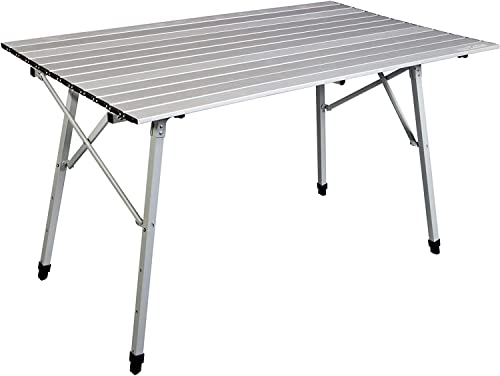
Can I wash dishes outside the van? Yes, and it's a great warm-weather option — set up your two bins on a folding table outside the slider door. Where local rules allow it, strain out food scraps and scatter grey water on bare ground at least 200 feet from any waterway; otherwise carry it to a dump station. Rules vary by land manager and many areas prohibit dumping, so check before you do it. Never dump grey water in urban areas, developed campgrounds, or near water sources. If you wash up after dark, a lantern hung above the bins, such as the splash-rated (IPX4) BioLite AlpenGlow 500, lights the water without the glare a headlamp pointed into it gives. If splashes are a worry, the Fenix CL26R Pro is rated IP66 against powerful water jets, hangs from a retractable hook and has down-facing modes that light the bins from above; its white light is a cooler 4000 to 6800K. For bins on a table, a surface you can raise toward counter height saves bending over them: the Camp Chef Mesa adjusts from 27 to 39 inches, but Camp Chef publishes no load capacity, so keep full bins near the legs and the table on firm, level ground.
What's the best sink size for a van kitchen? A 10×12 inch bar sink works for the two-bin method because you don't use the sink itself for dish washing — the bins sit on the counter or inside the sink. Bigger sinks (15×15) are fine but take counter space you don't need.
Products covered in this guide
Disclosure: As an Amazon Associate I earn from qualifying purchases. Links to Amazon on this page are affiliate links: if you buy through one, VanLifeKitchens.com may earn a commission at no extra cost to you. Read our affiliate disclosure.


More in Water Systems
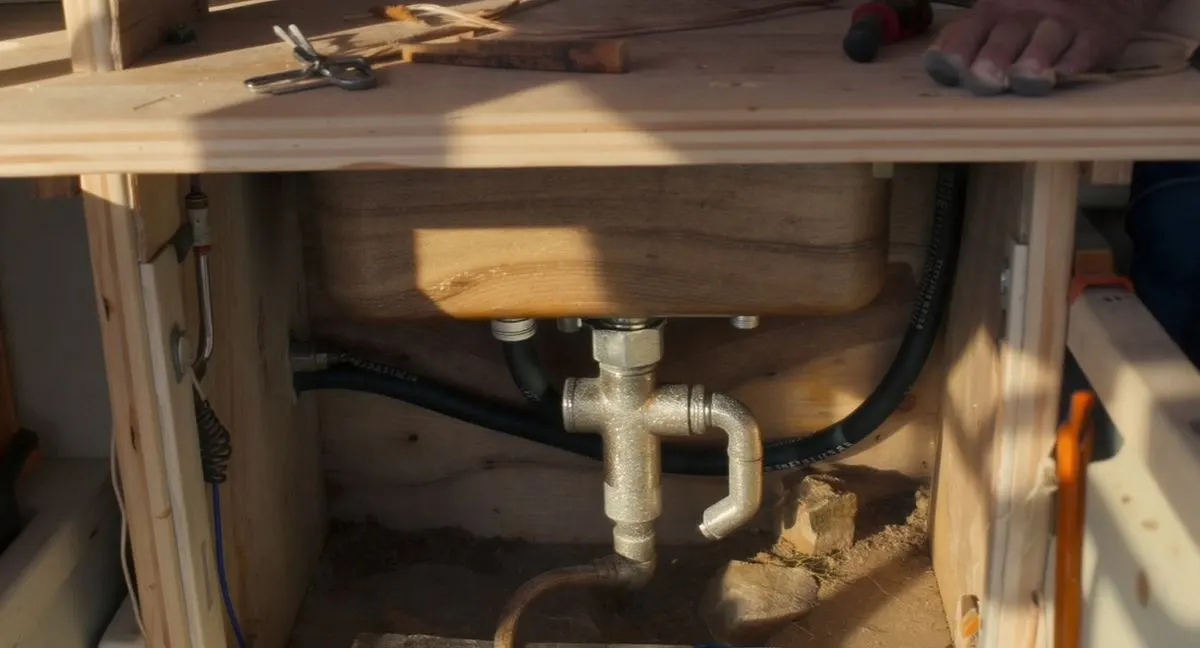
No-Plumbing Campervan Sink: Components and Compatibility
A jug-in, jug-out van sink with no fixed plumbing: who it suits, keeping fresh and grey water apart, and how to match jug openings, 1/2-inch pump barbs, hose and clamps before you buy.
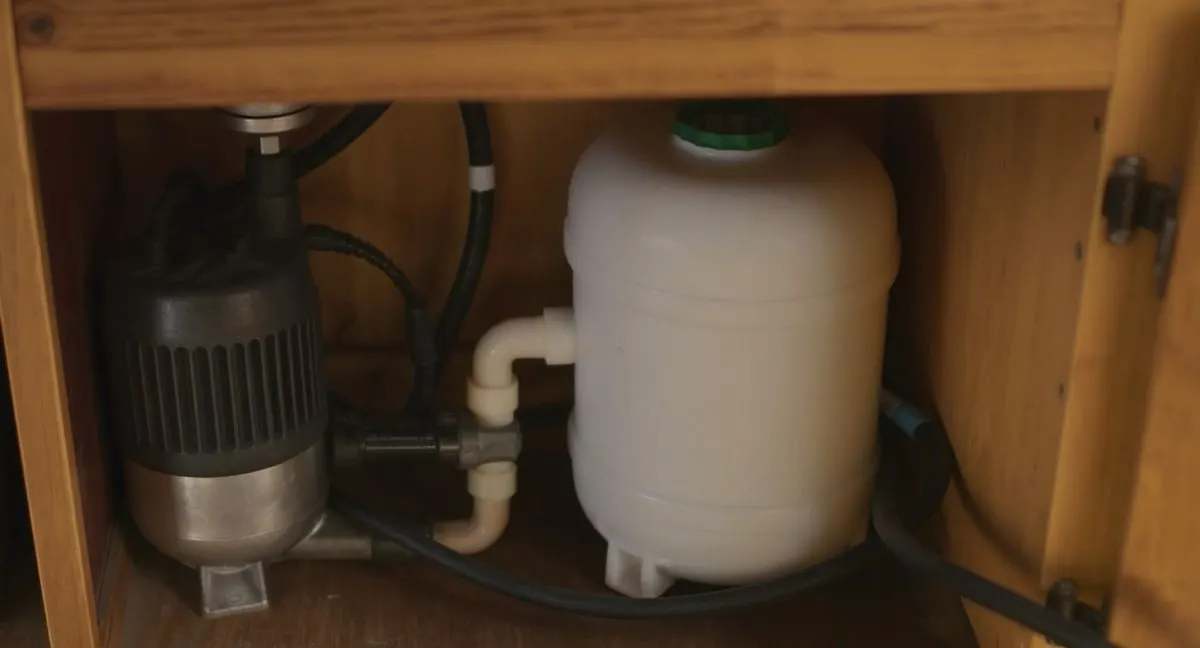
Van Water System Setup: Fresh, Grey, and Filtration
How to design a 20–40 gallon water system for a van kitchen: tanks, pumps, filters, and a grey water setup that won't stink.