AeroPress Original Coffee Maker
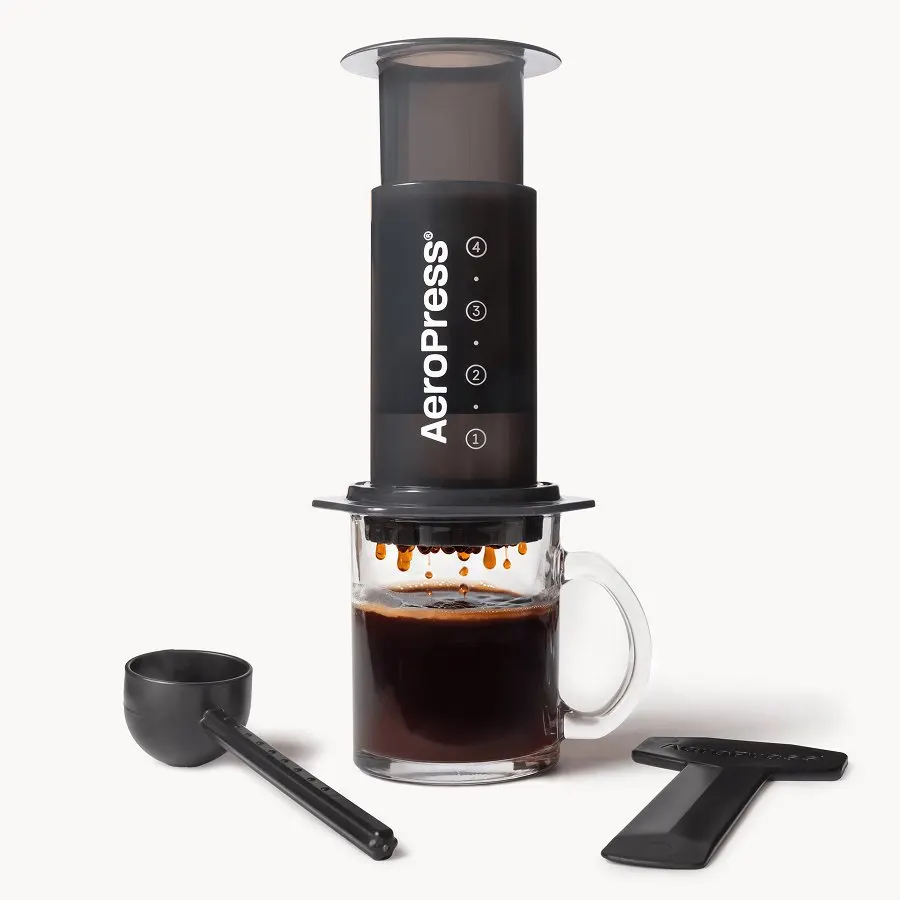
- Capacity
- 10 oz, 1-2 cups (AeroPress)
- Weight
- 7.75 oz full set; 6.5 oz travel set (AeroPress)
- Size
- 5.25 in H x 4.2 in W (AeroPress)
- Materials
- Polypropylene, BPA free (AeroPress)
- Filters
- Paper micro-filters, 50 included (Amazon listing)
- Warranty
- 1 year (AeroPress)
AeroPress Original Review: A Tough, Low-Water Single-Cup Brewer for Van Life
The AeroPress Original is a hand-pressed plastic brewer that makes one mug of coffee in about two minutes and cleans up with a rinse. For a van, three things make it a strong default: it has no glass or ceramic to break, it uses very little water to clean, and it is forgiving of grind, beans and technique. This review covers what the Amazon link sells, the published specs, how it fits a small kitchen, and where the site's other brewers do a better job.
What the Amazon link sells: the AeroPress Original Coffee Press (ASIN B0047BIWSK), model 85A01, gray polypropylene, with paper micro-filters, a stirrer and a scoop.
Choose this if:
- You brew one or two mugs at a time and want cleanup that uses almost no water.
- Your gear gets thrown in a drawer or bin and you want a plastic body with no glass or ceramic to break.
- You use pre-ground or less-than-fresh beans and want a forgiving method.
Skip this if:
- You regularly brew for three or more people at once.
- You want the heavy body of a French press or the clarity of a carefully poured V60.
- You would rather not brew hot coffee in plastic.
What you get, and the published specs
AeroPress describes the Original as the first single-cup brewer to combine elements of French press, pour-over and espresso-style brewing in one device: grounds steep in the chamber, then you press the water through a paper micro-filter with the plunger. Alan Adler, the founder, built the prototype in his garage in Palo Alto, according to AeroPress.
| Spec | Published figure | Source |
|---|---|---|
| Capacity | 10 oz (1–2 cups) | AeroPress |
| Weight | 7.75 oz full set; 6.5 oz travel set | AeroPress |
| Size | 5.25 in tall x 4.2 in wide | AeroPress |
| Material | Polypropylene, BPA free | AeroPress |
| Warranty | 1 year | AeroPress, Amazon |
In the box: the chamber and plunger with its silicone seal, a filter cap, paper micro-filters, a stirrer and a scoop. The Amazon listing says this package includes 50 paper filters. AeroPress's own page doesn't give a number, so count on the listing's figure for the linked item. AeroPress also sells a Clear version made from Tritan. The Original covered here is the polypropylene one.
The two-minute brew
Put a filter in the cap and rinse it. Screw the cap onto the chamber and stand it on a sturdy mug. Add a scoop of medium-fine coffee, which is the grind AeroPress recommends, then pour in hot water. AeroPress's Amazon listing says to wait about 30 seconds and then press. Stir briefly, insert the plunger and press down steadily. AeroPress says you can brew and clean in about two minutes.
That speed matters in a van. Mornings are often cold, the galley is shared, and you may want coffee before you move the vehicle. A pour-over takes four to five minutes of attention. An AeroPress fits into the time it takes the water to stop steaming.
About the inverted method. Many online recipes flip the AeroPress upside down to steep, then flip it back onto the mug to press. AeroPress itself strongly discourages this. Its product page warns that the inverted method makes the brewer less stable and prone to tipping over, which can cause burns from hot liquid. That matters even more on a van counter that may not be level. Use the standard upright method. If you want a longer steep, add the plunger loosely as soon as you've poured. That slows dripping without turning the brewer upside down.
Build: hard to break in normal use
The body is polypropylene with no glass, ceramic or threaded metal parts. AeroPress's Amazon listing calls it shatterproof. In practice, the realistic risks are crushing it under heavy gear or wearing out the seal. A cracked chamber is possible if something heavy lands on it, so keep it in a drawer or bin rather than under a cast-iron pan.
The silicone plunger seal is the only routine wear part. AeroPress sells replacement seals, and its care advice is to store the brewer with the seal pushed all the way through the chamber. That keeps the seal from taking a compressed set while it's stored. In a van, where it may sit unused in the heat for weeks, that habit is worth adopting.
Compared with the site's other brewers:
- The Hario V60 02 ceramic dripper is porcelain and can chip or crack if dropped.
- The Stanley Classic Stay Hot French Press is steel and won't shatter, but at 2.5 lb (Stanley) it is roughly five times heavier.
- The GSI Ultralight Java Drip is lighter still, but has thin plastic legs that can snap if crushed.
Coffee quality
The paper filter catches most oils and fines, so the cup is clean and fairly light-bodied. It has less sediment than a French press and less body than a moka pot. A well-poured V60 with fresh beans will usually show more aromatic detail. The AeroPress's strength is consistency. Grocery-store pre-ground coffee, slightly stale beans or water that isn't at a precise temperature still give a drinkable cup, because immersion followed by pressing is less sensitive to pouring technique than a pour-over cone.
The 10 oz capacity covers one full mug. You can also brew a stronger concentrate and top it up with hot water. For two people, brew twice back-to-back. With a rinse in between, that adds about two minutes.
If you are choosing between these two brewers, the site's AeroPress vs Hario V60 comparison sets out the trade-offs side by side.
Cleanup and water use
Cleanup is the biggest day-to-day advantage in a van. Unscrew the filter cap, hold the brewer over a trash bag or compost container, and push the plunger the last inch. The spent grounds and filter come out as a compact puck. AeroPress says that for daily use a simple rinse is enough, because the plunger wipes the chamber as it travels. It is also dishwasher safe, top rack only.
As a rough guide, rinsing the seal and cap takes a small cup of water, about 100 to 200 ml depending on how careful you are. A French press, by contrast, needs the mesh and the carafe rinsed of loose grounds, and that often takes a litre or more unless you wipe it out first. On a van with a 20-gallon fresh tank, and grey water you have to dump, the difference adds up over a week of mornings. These are estimates for a careful rinse in a bowl, not measured figures.
Fitting it into a van kitchen
- Storage. At 5.25 x 4.2 inches, it fits in a standard utensil drawer or a door pocket. The 1Zpresso Q Air hand grinder is designed to nest inside the AeroPress plunger, so a grinder and brewer pair takes up about the space of the brewer alone.
- Hot water. The AeroPress doesn't heat water. On the stove side, a Hario V60 Buono stovetop gooseneck kettle or any small kettle works. An electric option like the Bonavita gooseneck kettle needs an inverter sized for a 1200 W load. If you heat water on a butane or canister stove, follow that stove's manual on where it can be used. Many, including the Jetboil Flash, are labelled for outdoor use only, so boil the water outside, then brew inside.
- Power. None for the brewer itself.
- Consumables. One paper filter per brew. The listing's 50 filters last a daily drinker about seven weeks. Replacement packs are sold separately, and third-party reusable metal discs exist if you'd rather not carry paper.
AeroPress vs the alternatives on this site
- French press (Stanley). The Stanley makes up to 48 oz at once and keeps it hot for hours, which suits two or more people. The AeroPress wins on weight, footprint, cleanup water and cup clarity.
- Pour-over (Hario V60). The V60 has a higher ceiling for flavour detail, but it needs a gooseneck kettle, a scale and more practice. The AeroPress is the safer choice if you only want one method.
- Moka pot (Bialetti Moka Express). The moka pot makes a stronger, heavier coffee for two and goes directly on a stove, but it takes longer to clean and needs a gas or electric hob (or an induction adapter plate).
- Espresso (Wacaco Picopresso). The Picopresso makes pressurised espresso. The AeroPress makes a concentrated immersion coffee, not espresso. The Picopresso needs a fine grinder and practice. The AeroPress needs neither.
The full set of combinations is in the best coffee setup for van life guide.
Value
The AeroPress sits at the inexpensive end of the site's coffee gear. You can see the current price with the "Check price on Amazon" button. Running costs are paper filters and, occasionally, a replacement seal. If you also buy a burr grinder, the grinder will usually cost more than the brewer. For most people that's the better place to spend extra money, because fresh grinding improves the cup more than a fancier brewer does.
Limitations
- One mug per brew. Groups mean repeated presses.
- Paper filters are a consumable you need to restock.
- It's plastic. AeroPress says it's BPA free, but if you'd rather not brew in plastic at all, choose the steel Stanley or the porcelain V60.
- It doesn't make true espresso, despite the "espresso style" wording in the listing.
- You still need a separate way to heat water.
Final verdict
The AeroPress Original is a practical first coffee brewer for a small kitchen, for specific reasons. It's fast. Its polypropylene body has no glass to break. Cleanup is a rinse. It still makes a decent cup from imperfect beans, and it costs little next to a decent grinder. Its taste ceiling is a little lower than a carefully poured V60, but it is much harder to get a bad cup from it. Use the standard upright method rather than the inverted one, as AeroPress advises. Add a hand grinder when you're ready.
FAQ
Is the AeroPress Original BPA-free? Yes. AeroPress lists the Original as polypropylene and BPA free. The AeroPress Clear is made from Tritan instead.
How many cups does one AeroPress brew at a time? AeroPress rates it at 10 oz, which it describes as one to two cups. For two full mugs, brew two cycles back-to-back.
Does the AeroPress work with pre-ground coffee? Yes. AeroPress recommends a medium-fine grind, and the method is forgiving of grind size compared with pour-over or espresso.
How long do the paper filters last? You use one filter per brew. The Amazon listing says this package includes 50, which lasts a daily drinker about seven weeks. After that you'll need a replacement pack.
Is the inverted method safe in a van? AeroPress strongly discourages it, because the upturned brewer is less stable and can tip over and spill hot liquid. That's more likely on a van counter that isn't level. Use the standard upright method.
Can I use the AeroPress without electricity or a stove? You need hot water from somewhere: a kettle, an insulated bottle of hot water or a stove used where its manufacturer allows. The brewer itself needs no power.
Is it dishwasher safe? Yes, top rack only, according to AeroPress. In a van, a quick rinse is usually all it needs.
Sources and verification
- https://aeropress.com/product/aeropress: capacity (10 oz), weight (7.75 oz and 6.5 oz), dimensions, polypropylene and BPA free, 1-year warranty, top-rack dishwasher safe, the warning against the inverted method, and the advice to store it with the seal pushed through (checked 2026-10-12)
- Amazon listing ASIN B0047BIWSK: model 85A01, 50 paper filters included, 30-second steep instruction, warranty text (checked 2026-10-12)
Compare with similar products
See how this stacks up against the other coffee gear we've reviewed.
Head-to-head comparisons
Related Reviews
For: Pour-over with a gooseneck kettle
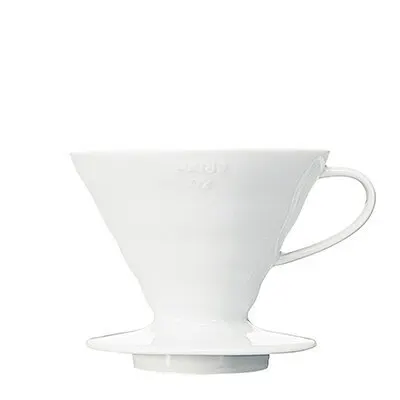
Hario V60 02 Ceramic Coffee Dripper
A widely used pour-over cone. The porcelain Hario V60 02 brews 1-4 cups and gives fine control over extraction, which suits a fixed, padded spot in a van and an owner with a gooseneck kettle, scale and burr grinder.
For: Strong stovetop coffee, gas hobs
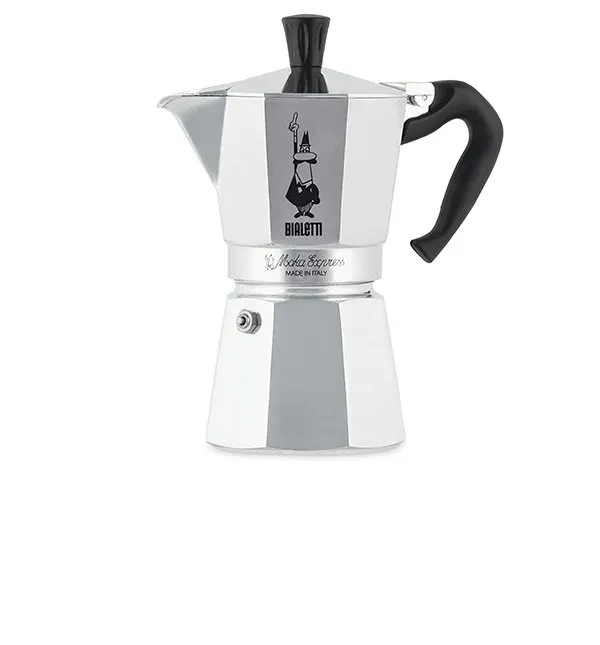
Bialetti Moka Express 6-Cup Stovetop Espresso Maker
The Italian stovetop classic, made since 1933. Brews about 250 ml of strong coffee in around 5 minutes with no electricity on gas or electric hobs (induction only with Bialetti's adapter plate). The stove, not the pot, sets where it can be used: many portable camp stoves are outdoor-only.
For: Manual espresso, no power
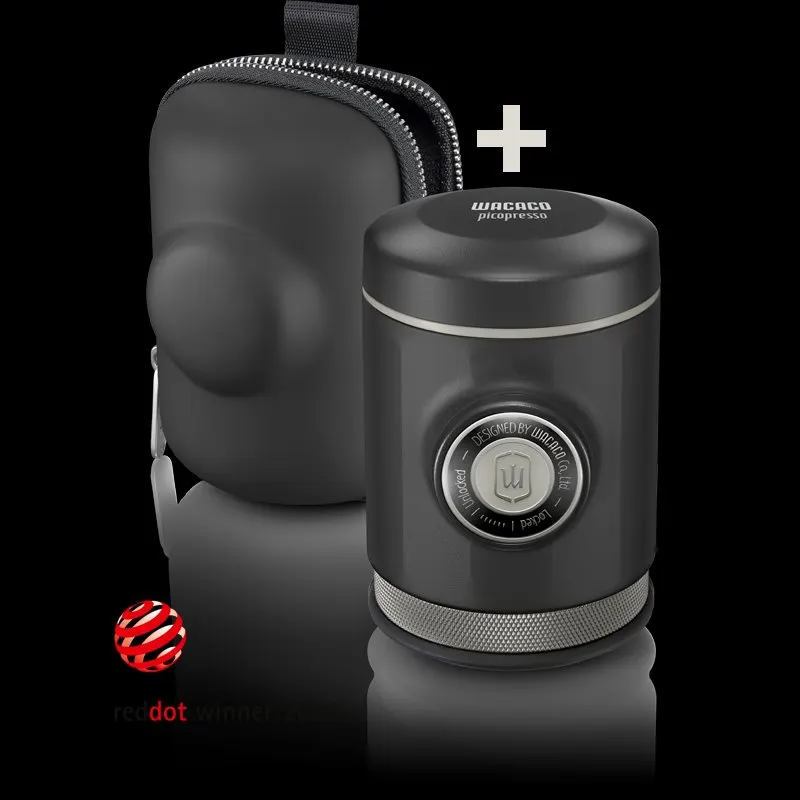
Wacaco Picopresso Portable Espresso Maker
Manual espresso in a van. Wacaco rates it at 18 bar, it pulls a double shot in about 30 seconds, fits in a coat pocket, and needs no electricity. A premium option for espresso in a small space.