Clearsource Ultra RV Water Filter System with VirusGuard
- Stages
- 3: 5 µm sediment, 0.5 µm carbon block, VirusGuard
- Chassis
- Free-standing powder-coated metal, stainless fittings
- Size
- 18.75 x 15.25 x 7.5 in (Clearsource)
- Weight
- 28 lb (Clearsource)
- Flow
- About 4.5 gal/min (Clearsource FAQ)
- Cartridge Life
- 2,000 gal per cartridge; every 2–3 months for full-timers (Clearsource)
- Warranty
- 1 year (Clearsource)
- Use
- Hose-fed fills from treated or campground water (regulator 40–60 psi recommended)
Overview — Who is this for?
What the Amazon link sells: the Clearsource Ultra RV Water Filter System with VirusGuard (ASIN B07SX5RPG6), which Amazon titles "Clearsource Ultra RV Water Filter System with VirusGuard - Ultra Protection Against Viruses, Bacteria & Cysts", part number SYSTM-00011. Clearsource's product page says filters are included. Earlier versions of this page described it as a two-stage stainless-housing filter. That was wrong: per Clearsource, the Ultra is a three-canister system on a free-standing powder-coated metal chassis with stainless steel fittings.
What it is, in one line: a free-standing, three-stage filter that sits between a campground spigot and your van or RV's city-water or fill inlet: 5-micron sediment, then a 0.5-micron coconut-shell carbon block, then Clearsource's "VirusGuard" stage, which Clearsource says removes or reduces bacteria, cysts and viruses.
Choose this if:
- you fill a plumbed fresh tank often, from campground and municipal spigots of varying quality;
- you want sediment, taste and chlorine reduction plus a microbiological stage before water enters the tank;
- you have room to carry a 28 lb unit about 19 inches wide.
Skip this if:
- you fill jugs, not a plumbed tank;
- your main source is creeks, lakes or rain water (Clearsource markets a different system, the Nomad, for raw water);
- you're short on storage space or payload.
This is a premium filter, and it makes sense for one use case: filling a van or RV fresh tank from unfamiliar spigots, regularly. If you are a weekend camper who fills once a month and trusts the source, a basic hose filter covers taste and grit. If you are a full-timer whose tank, pump and lines see a fill every few days, the Ultra's extra stages are the point.
What you are actually getting
According to Clearsource's product page and FAQ:
| Spec | Clearsource Ultra |
|---|---|
| Stages | 3 canisters |
| Stage 1 | 5-micron sediment (rust, sediment) |
| Stage 2 | 0.5-micron coconut-shell carbon block |
| Stage 3 | VirusGuard (bacteria, cysts, viruses) |
| Flow | About 4.5 gal/min |
| Size | 18.75 W x 15.25 H x 7.5 D in |
| Weight | 28 lb |
| Frame | Powder-coated metal chassis |
| Fittings | Stainless steel |
| Cartridge rating | 2,000 gal |
| Warranty | 1 year |
Stage 1, sediment. Clearsource says the 5-micron first stage removes or reduces rust and sediment, and its FAQ describes it as a sediment filter "with scale and rust inhibiting technology". This is the stage that protects everything downstream, including your pump, from grit.
Stage 2, carbon block. Clearsource says the 0.5-micron coconut-shell carbon block improves taste and smell and removes or reduces chlorine, volatile organic compounds and other contaminants.
Stage 3, VirusGuard. This is what separates the Ultra from Clearsource's two-canister Premier system. Clearsource's FAQ says VirusGuard protects against bacteria and viruses and also heavy metals such as lead and iron, and that the Ultra and Nomad systems "will remove over 95% of lead and other heavy metals". The Amazon listing says VirusGuard uses NASA-developed technology and an electrically charged coating to trap viruses. The pages we read do not name a certifying body, a test standard (for example the US EPA purifier protocol or NSF/ANSI P231), or log-reduction figures for the virus or lead claims. Treat them as manufacturer claims, and if virus or lead removal is your reason for buying, ask Clearsource for the test documentation first.
What it does not claim. The pages we read make no claims for salt or dissolved-solids removal, fluoride, or for treating raw surface water with this system. Clearsource's FAQ positions its Nomad system, not the Ultra, for raw lake, river, stream and rain-barrel water.
Cartridge life. Clearsource's FAQ says its filter cartridges are rated to process 2,000 gallons. Its suggested schedule is annual replacement for occasional campers, twice a year for weekenders, and every two to three months for full-timers. As a worked example, a full-timer filling a 30-gallon tank twice a week runs about 3,100 gallons a year through the filter (30 × 2 × 52), so would hit the 2,000-gallon rating in about 7–8 months on volume alone; dirty water clogs the sediment stage sooner. Replacement cartridge packs are an ongoing cost; the Amazon listing points to a three-cartridge replacement pack, so check its current price before you commit.
How it fits a van kitchen
The Ultra does three jobs that a basic single-cartridge hose filter does not.
It protects the pump and fixtures from grit. Sediment is the main mechanical enemy of a 12 V diaphragm pump such as the Shurflo Revolution, its check valves and your faucet cartridge. The 5-micron first stage catches sand and rust before it reaches the tank.
It reduces taste, chlorine and some chemicals going into the tank. The carbon block handles municipal chlorine taste, so tank water tastes closer to neutral.
It adds a microbiological stage before the tank. That keeps more bacteria out of the tank in the first place. It does not make the tank self-cleaning: water can be recontaminated inside the tank, pump and lines after filtering, so you still need to sanitise the system periodically and keep a point-of-use filter for drinking water. The LifeStraw Home pitcher is our pick for that.
Fill time. At Clearsource's stated 4.5 gal/min, a 20-gallon van tank would fill in about 4–5 minutes and a 30-gallon tank in about 7 minutes. That assumes the spigot and regulator can supply that flow and your fill inlet accepts it; many gravity-fill inlets and some regulators restrict flow below that, so treat it as a best case.
Using it at a campsite
The Ultra is free-standing and sits on the ground or a step between the spigot and your inlet. A typical workflow:
- Attach a pressure regulator at the spigot. Clearsource's FAQ notes that most RV makers recommend limiting water pressure to between 40 and 60 psi with a regulator.
- Run a drinking-water-safe hose from the regulator to the Ultra's inlet.
- Run a second drinking-water-safe hose from the Ultra's outlet to your van's fill or city-water inlet.
- Open the spigot slowly and let air purge from the canisters before filling.
Follow Clearsource's hookup instructions and user guide for the exact order and for flushing new cartridges. Setup at a spigot takes a few minutes. Between fills, the unit needs a place to ride. At 28 lb and nearly 19 inches wide, that's the real constraint in a van: plan a spot in a rear garage or under-bed storage, secured so it can't slide in a hard stop, and count it against your payload. For comparison, a full 5-gallon jug weighs over 40 lb, so the Ultra is like carrying an extra two-thirds-full jug everywhere.
Storage between trips. Clearsource's FAQ says that if you won't use the system for a month or more, unscrew the canisters, empty the water and remove the elements to dry storage. That also protects the canisters from freezing in a parked van over winter.
Cartridge changes are done by unscrewing the canisters; follow Clearsource's instructions.
What the Clearsource is NOT good at
Raw surface water. Clearsource positions its Nomad system for lakes, streams and rain barrels, not the Ultra. For creek water, use a gravity filter such as the Platypus GravityWorks, and add a virus step where sewage contamination is possible.
Hot water. The pages we read don't address hot water. The Ultra is built to sit on a cold supply hose; don't run hot water through it.
Freezing conditions. Water left in the canisters can freeze and crack housings or damage cartridges. Clearsource's pages we read don't give specific freeze guidance beyond draining and dry storage for long breaks; as general practice, drain the canisters and store the unit and cartridges above freezing.
Small vans. Its size and weight are the main reason not to buy it for a compact van.
Verified virus protection. Until you have seen the test documentation, don't treat the VirusGuard stage as equivalent to a purifier tested to a named standard. For drinking water where viruses are a realistic concern, boil (the CDC advises a 1-minute rolling boil, or 3 minutes above 6,500 feet) or use a purifier with published testing, such as the Grayl GeoPress.
Comparison to alternatives in this category
Vs single-cartridge hose filters: Most basic inline hose filters are sold for taste, chlorine and sediment, not as bacteria or cyst filters; check the specific cartridge's claims. Pick one for occasional weekend fills; pick the Ultra for frequent tank filling from unfamiliar spigots.
Vs Clearsource Premier (two-canister): Clearsource's FAQ describes the Premier as a two-canister system whose second stage is a 0.2-micron absolute filter, without the Ultra's VirusGuard stage. Clearsource says it lab-tested its two-canister system at 6–6.5 gal/min at 40 psi static pressure, and lists the Premier at 15 W x 7.5 D x 15.25 H in and 24 lb. It is a little smaller and lighter, but it is not the model this page links to.
Vs reverse osmosis: RO removes dissolved solids that carbon and sediment stages don't, but it produces reject water, needs good inlet pressure and more complex installation, and is overkill for most vans.
Vs under-sink household multi-stage systems: Comparable carbon technology, but built for permanent plumbing, not for carrying to a spigot. Pick a household system only if your van has a dedicated under-sink spot and you want the filter after the pump; then choose housings rated for your pump's pressure, and follow the manufacturer's installation instructions.
The verdict
The Clearsource Ultra is our pick for full-time van dwellers and RVers who fill a plumbed tank from campground and municipal spigots and want more than a basic hose filter: sediment protection for the pump, carbon for taste and chlorine, and a microbiological stage before the tank. It is big, heavy and premium-priced, its warranty is one year, and its virus and lead claims lack published test details on the pages we read, so pair it with a point-of-use drinking filter and regular tank sanitising.
Buy it if: you fill your tank weekly or more, live in the van full-time, and have space and payload for it. Skip it if: you fill jugs, fill monthly or less, mostly drink from creeks, or have a small van.
See the van water system setup guide for how the Clearsource fits into the broader water system, the water filtration complete guide for filter-versus-purifier basics, and the LifeStraw Home Gravity Pitcher review for the countertop drinking-water filter that pairs with an inline like the Clearsource.
FAQ
Can I use the Clearsource Ultra with lake or stream water? Clearsource positions its Nomad system, not the Ultra, for raw lake, river, stream and rain-barrel water. The Ultra is built for hose fills from campground and municipal spigots.
How often do the Clearsource cartridges need replacing? Clearsource rates them at 2,000 gallons and suggests annual replacement for occasional campers, twice a year for weekenders, and every two to three months for full-timers, whichever comes first with the volume you run.
Does the Clearsource Ultra remove viruses? Clearsource says the VirusGuard stage removes or reduces viruses, but the pages we read don't name a test standard or give log-reduction figures. Ask Clearsource for the test documentation, and boil or use a purifier with published testing where viruses are a realistic concern.
Do I need a pressure regulator? Clearsource's FAQ notes that most RV makers recommend limiting water pressure to 40–60 psi with a regulator. Fit one at the spigot, before the filter.
What warranty does it have? Clearsource's warranty page and FAQ give one year against defects in material and workmanship.
Sources and verification
- Clearsource Ultra product page, https://clearsourcerv.com/products/clearsource-ultra-rv-water-filter-system: three stages and micron ratings, VirusGuard description, 4.5 gal/min flow, 18.75 x 15.25 x 7.5 in size, 28 lb weight, powder-coated chassis and stainless fittings, filters included (checked 2026-10-12)
- Clearsource FAQ, https://www.clearsourcerv.com/pages/frequently-asked-questions: 2,000-gallon cartridge rating and replacement schedule, scale and rust inhibitor wording, lead and heavy-metal claim, Nomad for raw water, 40–60 psi regulator note, Ultra flow, Premier flow, size and 0.2-micron stage, dry storage, 1-year warranty (checked 2026-10-12)
- Clearsource warranty page, https://www.clearsourcerv.com/pages/warranty: one year against defects in material and workmanship (checked 2026-10-12)
- CDC, How to Make Water Safe in an Emergency, https://www.cdc.gov/water-emergency/about/index.html (now served at https://www.cdc.gov/water-emergency/about/index.html): boiling times (checked 2026-10-12)
- Amazon listing ASIN B07SX5RPG6: exact title, part number SYSTM-00011, VirusGuard "NASA-developed" and charged-coating wording, replacement three-pack (checked 2026-10-12)
Compare with similar products
See how this stacks up against the other water & sink gear we've reviewed.
Related Reviews
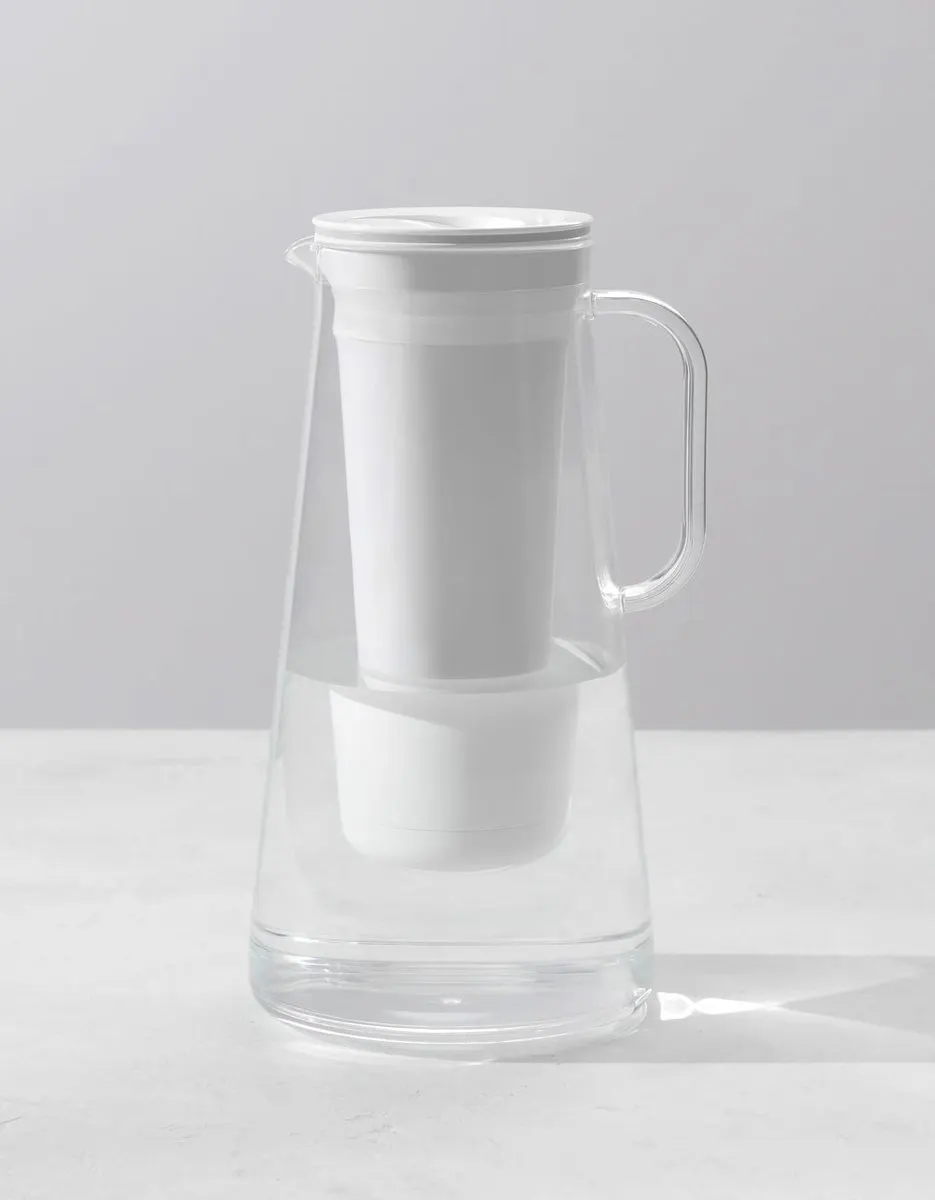
For: Filtering treated tap water
LifeStraw Home 7-Cup Gravity-Fed Water Filter Pitcher
A two-stage gravity pitcher filter and a sensible replacement for the delisted Berkey. LifeStraw rates the membrane to remove bacteria and parasites and the carbon/ion-exchange stage to reduce lead, mercury, chlorine and microplastics. It is not rated for viruses, so it suits treated tap and campground water rather than untreated sources.
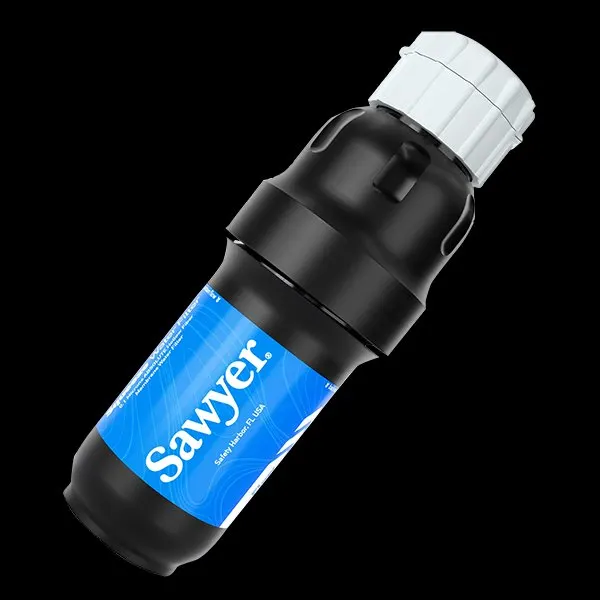
For: Pocket backup filter
Sawyer Squeeze Water Filter
A pocket-size backup filter. Sawyer rates its 0.1-micron absolute hollow fibre to remove 99.99999% of bacteria and 99.9999% of protozoa, but it does not claim virus removal and has no carbon stage for chemicals or taste. Sawyer gives no end-of-life volume on its current page; backflush it and never let it freeze once wet.
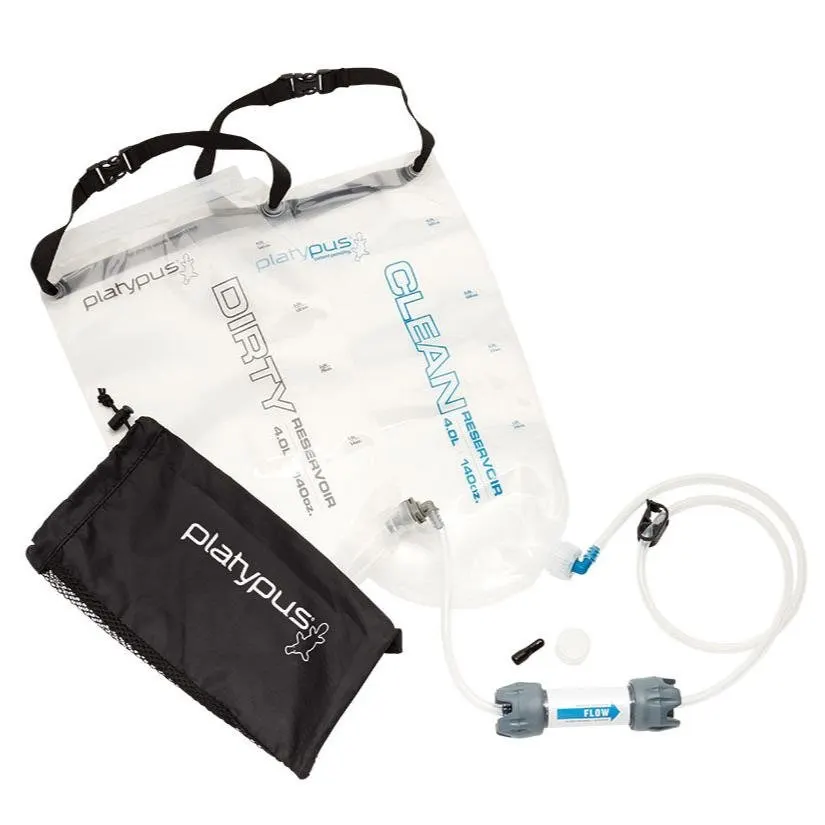
For: Group gravity filtering at camp
Platypus GravityWorks 4L Water Filter System
A 4-litre gravity filter with a 0.2-micron hollow-fibre element that Platypus says meets EPA/NSF guidelines for bacteria and protozoa, and removes particulates and microplastics. Fast and purely mechanical, with no pumping, but it does not remove viruses or chemicals, so it suits fresh-water sources and campground taps rather than water that may carry viruses.