Hario Skerton Pro Ceramic Burr Hand Grinder
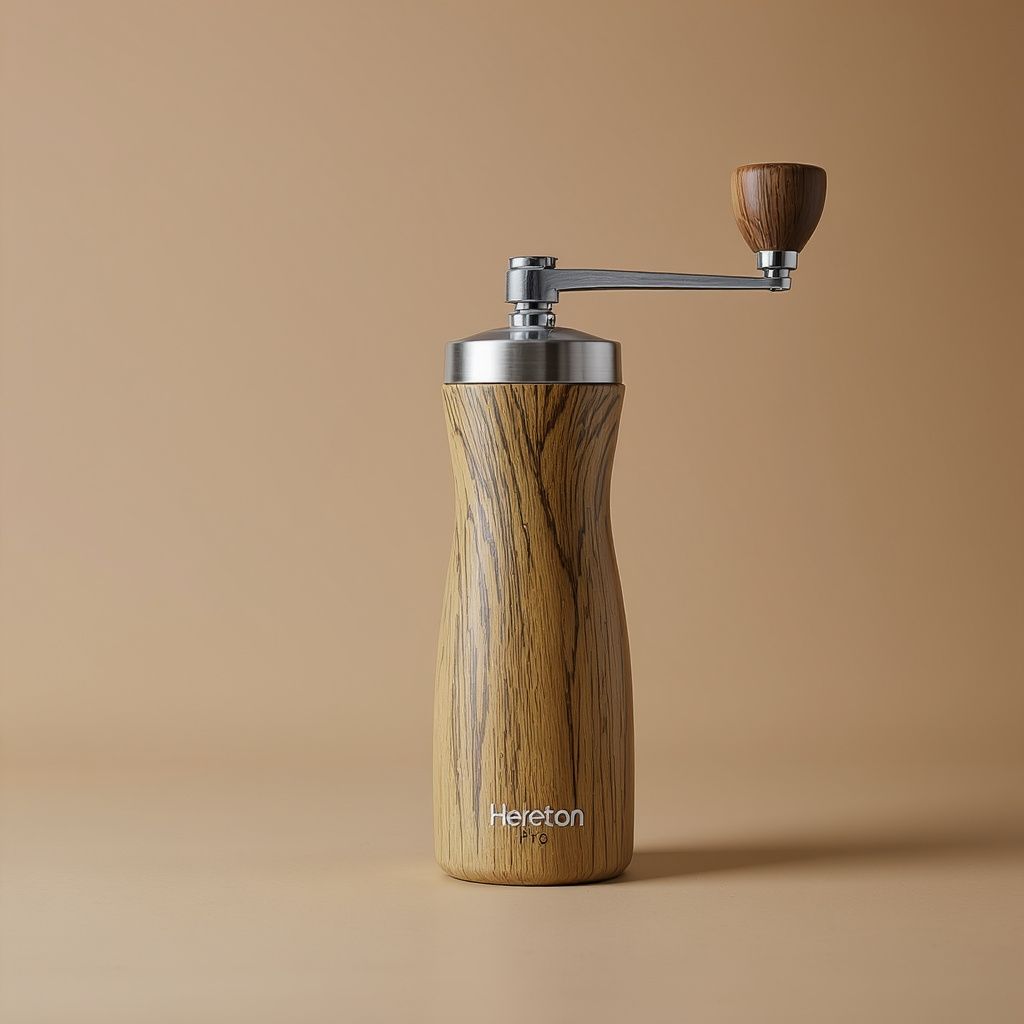
- Capacity
- 100g beans
- Grind Range
- Espresso to French press
- Burrs
- Ceramic conical
- Weight
- 1.4 lbs
- Materials
- Glass + ceramic + steel
- Warranty
- 1 year
Hario Skerton Pro Review: The Hand Grinder That Doesn't Suck
Let me say something unkind about most hand grinders under fifty bucks: they are terrible. They produce inconsistent grounds, they wobble, they take forever, and the people who recommend them have either never used a good grinder or they enjoy suffering. The Hario Skerton Pro is the exception worth coming back to for van life, and after two years of grinding beans in parking lots, on beaches, and on a swaying galley counter somewhere outside Moab, it is worth explaining exactly why this specific grinder earns its place in a van.
This is the Hario Skerton Pro review worth reading before spending money on three worse options.
Overview
The Hario Skerton Pro is a Japanese-made manual coffee grinder that runs about $49.95. It has ceramic conical burrs, an adjustable grind range that genuinely covers espresso through French press, a 100g bean hopper, a glass catch bowl, a steel drive shaft (this is the key Pro upgrade we will get to), and it weighs about 1.4 pounds. Hario makes it in Japan, and it ships with a one-year warranty. You crank it by hand. There is no battery, no motor, no cable, no noise beyond the satisfying crunch of beans giving up.
For van life, that last sentence is actually the whole pitch. If you have a 100Ah lithium house battery and a 2000W inverter, you can technically run a Baratza Encore. You can also technically haul a stand mixer around with you, but nobody does, because van life rewards gear that matches the way you actually live. An electric burr grinder wants 150-300 watts for 20 seconds, it is loud enough to wake your partner, and it takes counter space you do not have. A hand grinder solves all three problems, provided the hand grinder is not junk.
The Skerton Pro is not junk. That is the short version.
Burrs vs Blades: Why It Actually Matters
If you remember one thing from this review, remember this: blade grinders chop, burr grinders grind. They are not the same tool with different shapes. They are different categories of appliance, and the difference shows up in every single cup of coffee you make.
A blade grinder is a little propeller spinning inside a chamber. It hits beans randomly. Some particles end up the size of gravel, some end up as dust, and the ratio depends on how long you held the button down and whether you shook the thing while it ran. You cannot dial in a blade grinder. You can only get lucky. The resulting brew tastes muddy and over-extracted at the same time, because the dust over-extracts while the gravel under-extracts. Every coffee nerd on earth agrees on this, and they are right.
A burr grinder crushes beans between two abrasive surfaces set a precise distance apart. Every particle passes through the same gap, so every particle comes out roughly the same size. That consistency is what lets you actually control extraction. It is what makes a pour-over taste sweet instead of bitter. It is the difference between coffee and brown water.
The Skerton Pro uses ceramic conical burrs. Ceramic is harder than the stainless steel burrs you find in cheap electric grinders, it does not transfer heat into the grounds the way steel does when you crank hard, and it lasts basically forever if you do not drop it on concrete. Hario has been making ceramic burrs for decades and they know what they are doing. These are not a novelty feature. They are the main reason the grinder works.
If you are currently using a blade grinder in your van, swapping to the Skerton Pro will improve your coffee more than upgrading literally any other piece of gear in your kitchen. It is not close.
The Pro Upgrade: Why the Steel Shaft Matters
Here is the reason the Pro exists as a separate product. The original Hario Skerton had a design flaw: the upper burr was held in place mostly by the hand crank and a plastic-ish assembly that allowed the burr to wobble sideways under pressure. When the burr wobbles, the grind gap varies during a single grind session, and you get inconsistency for the exact same reason a blade grinder gives you inconsistency. Coffee people complained about this for years. The original Skerton was cheap and fine for French press, but it was not actually a precision tool.
The Hario Skerton Pro vs original story is basically one change: Hario added a steel drive shaft and a stabilizing plate that holds the upper burr concentric with the lower burr. The burr cannot wobble now. That one engineering fix turns the Skerton from "okay for coarse grinds" into "legitimately good across the full grind range." You can now grind for espresso and get a grind that is actually fine enough and consistent enough to pull a shot through an AeroPress or a moka pot. You could not do that reliably on the original.
When you shop for this grinder, make sure you are buying the Pro version. Hario still sells the original Skerton in some markets, and the price is similar enough that it is easy to grab the wrong one. Look for "Pro" in the product name and confirm it mentions the steel shaft. If the listing does not mention the shaft, it is probably the old version.
Grinding Performance
In practice, the Skerton Pro produces a grind good enough to stop thinking about. For drip coffee and pour-over, it is excellent. For French press, it is excellent. For AeroPress, which is forgiving by design, it is more than enough. For moka pot, it works well. For true espresso on a proper pressurized machine, it is on the edge of its capability, and honestly, if you are pulling espresso in a van you have bigger logistics problems than grinder consistency.
A typical 20g dose takes roughly 60 to 90 seconds of cranking depending on how fine you want the grind. Coarser grinds are faster. Finer grinds, like for AeroPress, take longer because the burrs have to work harder. The crank handle is long enough to give decent leverage, and the rubberized grip does not tear up your palm the way some all-metal hand grinders do after repeated sessions.
The glass catch bowl is a small but real feature. You can see exactly how much coffee you have ground, you can level the bed before pouring it into your brewer, and it rinses clean in a second. It is also glass, so do not drop it. The grinder screws into the bowl with a rubber gasket that grips well and makes the whole thing feel like one solid object while you grind.
Grind Adjustment
Adjustment is done by unscrewing the hopper, removing the top burr assembly, and rotating a small plastic nut that sets the gap between the burrs. It is a clicky, stepped adjustment. Each click moves the burrs closer or further apart.
Is it as nice as a numbered external dial on a Comandante? No. Does it work? Yes. The one downside is that you cannot easily switch between grind sizes mid-morning, so pick a setting and stick with it for the brew method you use most. Keep it at a medium setting for pour-over and occasionally tweak it when I am feeling ambitious. For most van lifers, you will pick a grind, set it, and forget it for months.
If you want to dial in systematically, grind a small amount, check the particle size, and adjust from there. It takes most people about three sessions to settle on a preferred pour-over grind. After that, muscle memory took over.
The Hand Grinding Time Cost
Let us be honest about the tradeoff. Grinding by hand takes longer than pushing a button. A typical morning cup is about 75 seconds of cranking — 75 seconds you would otherwise spend staring at a kettle.
Plenty of owners grow to love those 75 seconds. It is the quietest, most deliberate part of the morning — kettle heating on the stove, the rhythm of cranking meditative in a way that pushing a button is not. Your mileage will vary. If you are the kind of person who resents any friction in the morning, you will resent a hand grinder. If you are the kind of person who is already brewing pour-over in a van, you have made peace with friction, and another 75 seconds will not bother you.
For a deeper look at how this fits into a full setup, see the van life coffee setup guide.
Hario Skerton Pro vs Comandante vs 1Zpresso
Let us address the elephants. The Comandante C40 is the luxury hand grinder of the coffee world. It costs about $270. It has nitro-bladed steel burrs, a gorgeous external adjustment dial, and a grind quality that will make your pour-overs sing. It is legitimately better than the Skerton Pro. It is also more than five times the price.
The 1Zpresso JX and JX-Pro sit in the $140-$170 range. They grind faster than the Skerton Pro (40-50 seconds for the same dose), they have external numbered adjustment, and the grind quality is excellent. They are probably the best value in the premium hand grinder category.
Where does the Skerton Pro fit? It is the entry point to real coffee. It is the grinder you buy when you have accepted that blade grinders are bad but you are not ready to spend $150+ on a hand crank. The grind quality is 85% of what a 1Zpresso gives you at roughly 30% of the price. For most van lifers, that is the correct tradeoff. If you become a coffee obsessive later, upgrade then. If you do not, you never needed the upgrade anyway.
Value for Money
At $50, the Skerton Pro is the best hand grinder under $100, and it is not close. The ceramic burrs will outlast the glass bowl. The steel shaft fixed the one real flaw of the original. Hario has a reputation for building coffee gear that lasts decades, and there is no reason to think this grinder will be any different.
Compare that to a $40 blade grinder, which will produce bad coffee forever, or a $30 no-name hand grinder off a marketplace, which will wobble and break in six months. The Skerton Pro would still be worth recommending at $75.
Who Should Skip This
Skip the Skerton Pro if you mostly drink cold brew at home and never travel, because a cheap blade grinder and a long steep time will produce a fine cold brew and save you forty dollars. Skip it if you are already running a generator or a massive battery bank and you genuinely do not care about power draw, because a $150 electric burr grinder is faster and just as good. Skip it if you pull espresso daily on a real espresso machine and need finer-than-fine adjustment, because you will outgrow the Skerton Pro within months.
For everyone else brewing pour-over, AeroPress, French press, or moka pot in a van, the Skerton Pro is the answer. If AeroPress is your main brewer, pair it with the AeroPress Original review and you have a complete manual coffee setup for well under $100. If pour-over is more your speed, the Hario V60 ceramic dripper is the obvious partner.
Final Verdict
The Hario Skerton Pro is a practical, honest, well-engineered manual coffee grinder that happens to be the ideal no-electricity coffee grinder for van life. It is not the best hand grinder in the world. It is the best hand grinder at its price, the one that finally makes burr-ground coffee affordable for people who live in 80 square feet and do not want to run an inverter at sunrise. The ceramic conical burrs are durable, the steel shaft upgrade fixes the old wobble problem, and the grind quality is genuinely good across the range you will actually use.
We recommend it without reservation to any van lifer who is serious about coffee but not ready to spend $200 on a grinder. It is the one to keep in a van, which is about the highest endorsement we can give any piece of gear.
FAQ
Is the Hario Skerton Pro good for espresso? It can grind fine enough for AeroPress espresso-style shots and moka pot, and in a pinch for pressurized portafilter machines. For true unpressurized espresso on a commercial-style machine, you will want something more precise like a 1Zpresso J-Max or a Comandante.
How long does it take to grind 20 grams of beans? Roughly 60 to 90 seconds depending on grind size. Coarser grinds are faster, finer grinds take longer.
Can I take the Skerton Pro apart to clean it? Yes. The burrs unscrew completely for cleaning. Use a dry brush. Do not submerge the ceramic burrs in water for extended periods, and always dry thoroughly before reassembly.
Hario Skerton Pro vs original Skerton, is the upgrade worth it? Yes, completely. The steel shaft on the Pro version eliminates the burr wobble that made the original Skerton inconsistent. The price difference is small and the performance difference is large. Always buy the Pro.
Will the ceramic burrs wear out? Not on any timeline you will care about. Ceramic burrs routinely last 500+ pounds of coffee, which at a 20g daily dose is over 60 years of use. You will replace the glass bowl, or the whole grinder, long before the burrs give up.
Is it loud? No. It makes a low crunching sound while you grind. Quiet enough that you can grind in a van at 6am without waking anyone in the next sleeping bag over. This is a genuine quality of life upgrade over any electric grinder.
Compare with similar products
See how this stacks up against the other coffee gear we've tested.
Related Reviews
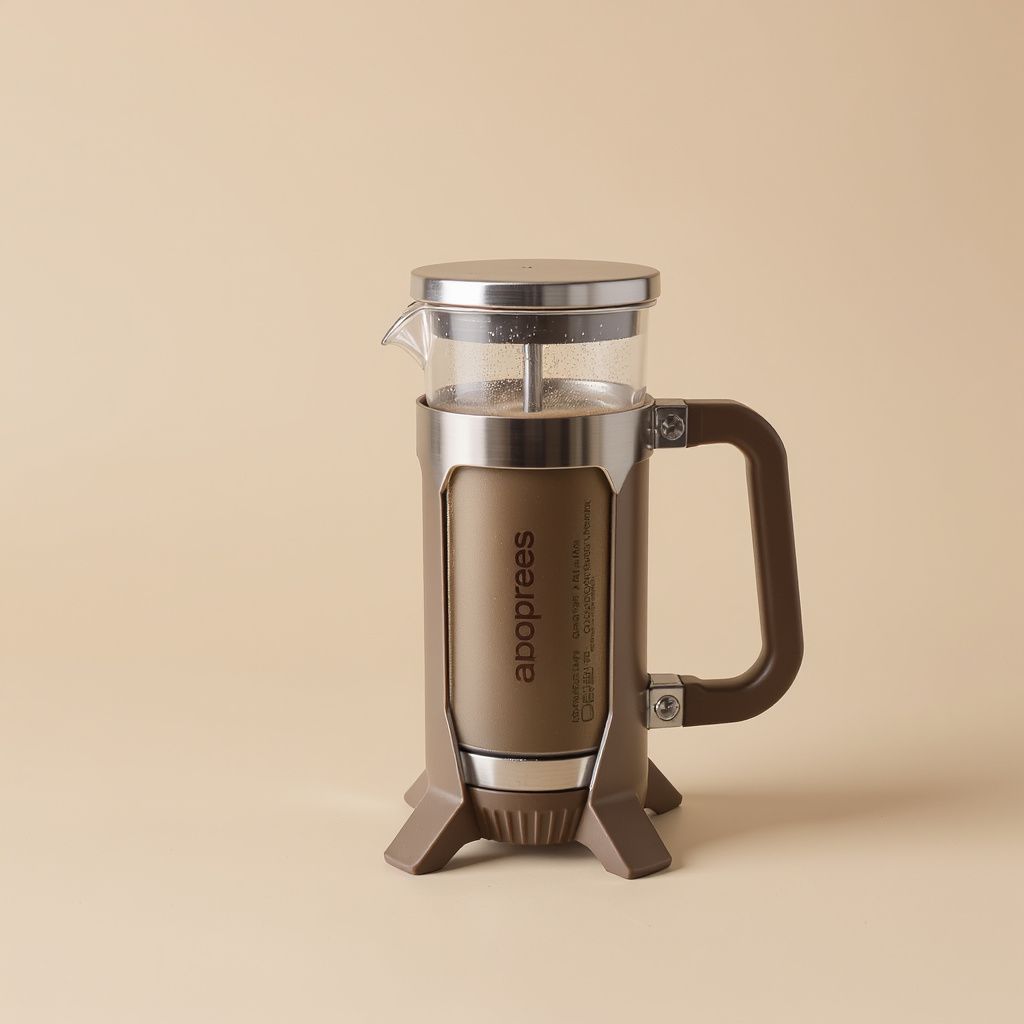
AeroPress Original Coffee Maker
The most reliable coffee method ever invented for van life. One-cup brewing in 90 seconds, indestructible plastic body, no glass to break, and the cleanup is a single rinse. If you only buy one piece of coffee gear, buy this.
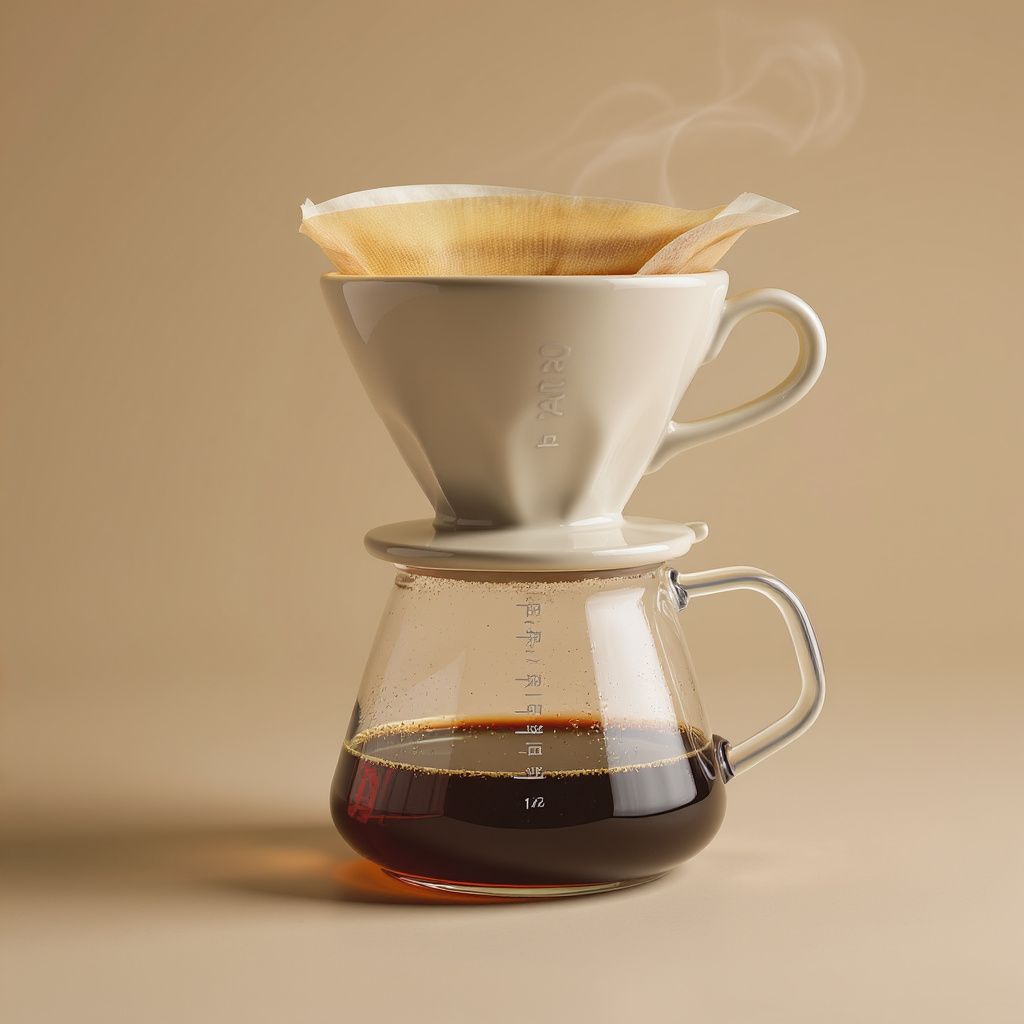
Hario V60 02 Ceramic Coffee Dripper
The pour-over standard. Ceramic Hario V60 brews 1-4 cups, controls extraction better than any other manual method, and at $25 it's the upgrade from the AeroPress when you want to actually taste the coffee.
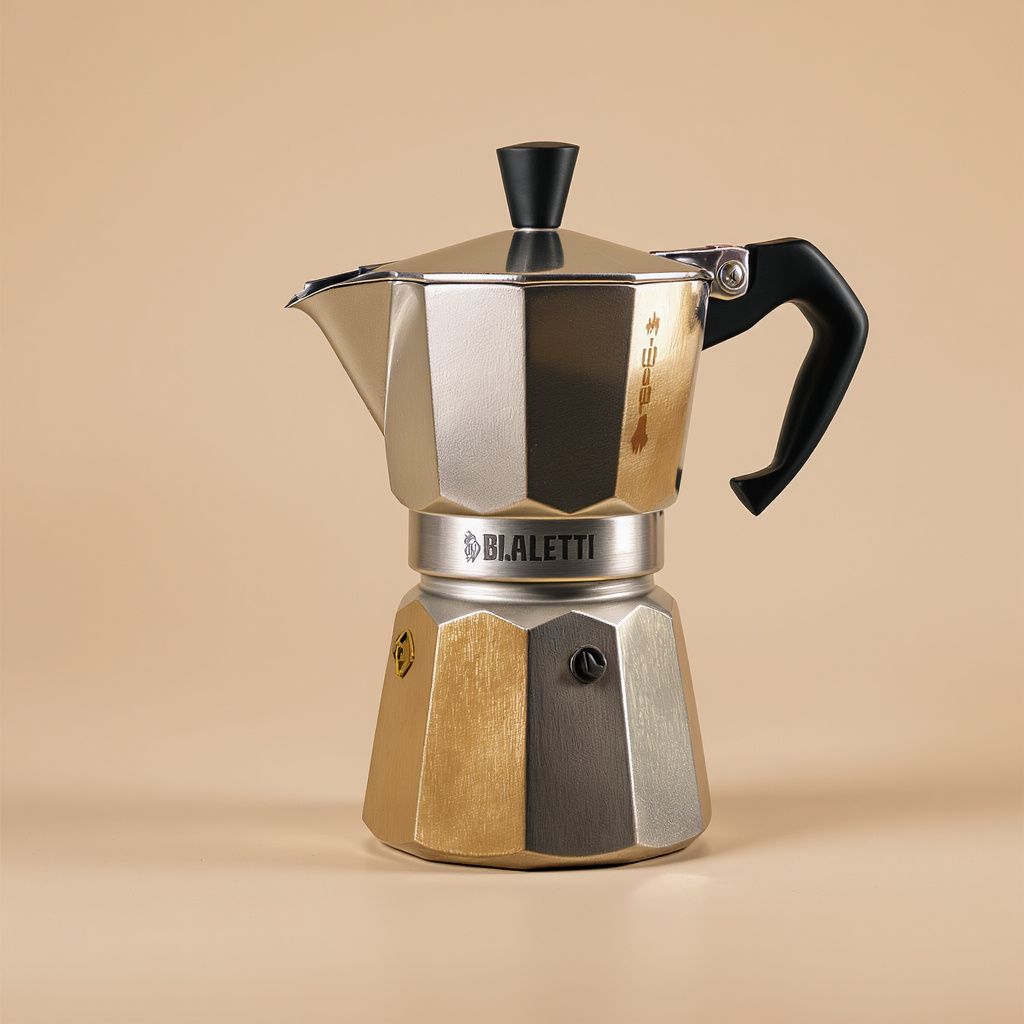
Bialetti Moka Express 6-Cup Stovetop Espresso Maker
The 92-year-old Italian icon. Brews 9 oz of strong stovetop espresso in 5 minutes, no electricity needed, works on every cooktop except induction. The way most of Europe makes coffee at home — and it's still right.