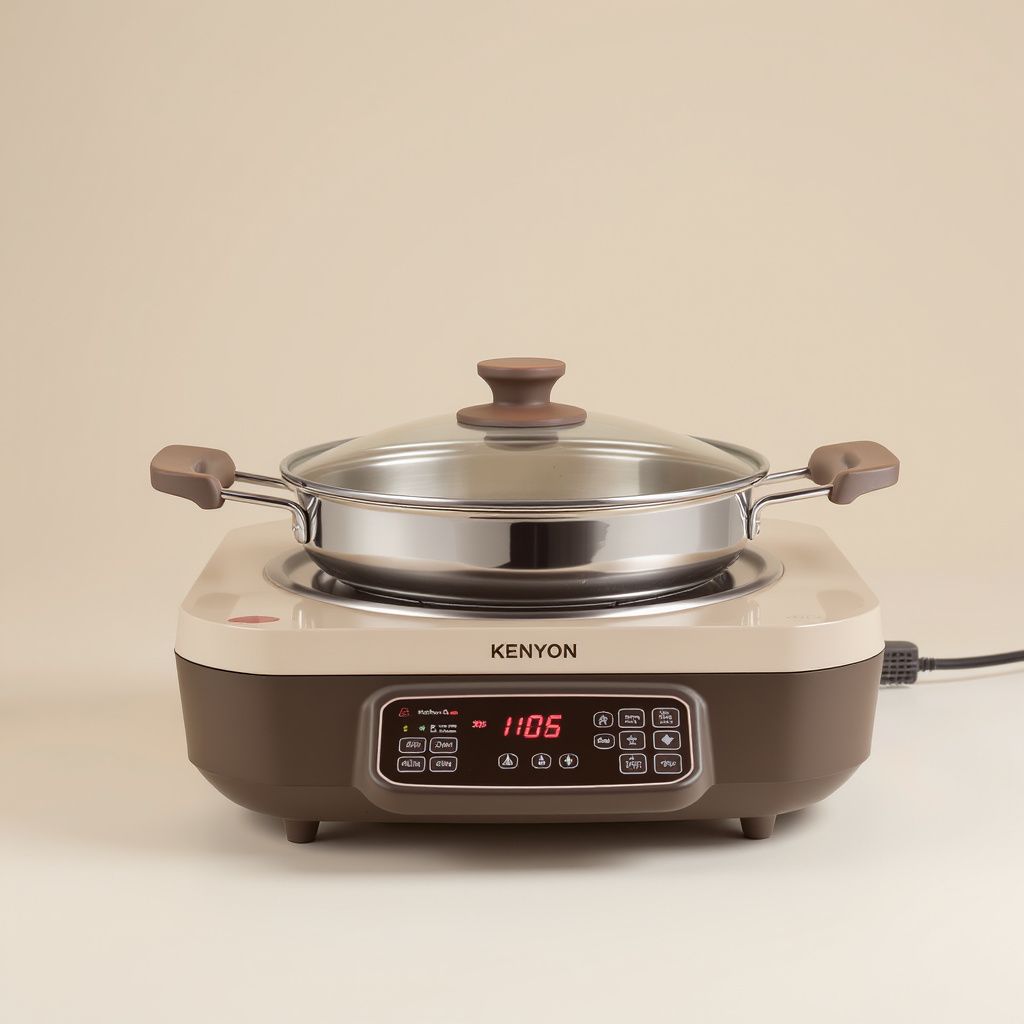
Kenyon B41600 Silken Single Induction
- Power
- 1300W
- Voltage
- 120V AC
- Dimensions
- 12.8 x 14.3 x 2.9 in
- Weight
- 7 lbs
- Materials
- Stainless + ceramic glass
- Warranty
- 3 years
Overview — Who Is This For?
If you have spent any time researching built-in cooking solutions for a van build, you have almost certainly run into the Kenyon Silken. It sits in a weird corner of the market: too expensive for most weekend warriors, too small for a full RV galley, and almost unknown outside the marine and high-end conversion world. And yet, for a very specific type of builder, it is the only cooktop that makes sense.
This Kenyon Silken induction review is written for that builder — the person who has already decided they want a flush-mount, permanently installed induction hob that looks factory-integrated, runs silently, and will survive a decade of salt air, vibration, and humidity. If that is not you, here it is plainly: the Duxtop 9100MC is faster, cheaper, and better for most van lifers. Keep that in the back of your mind as we go.
The Kenyon B41600 Silken is a 1300W single-burner induction cooktop built in Connecticut for the yacht market. Kenyon has been making marine cooking gear since the 1970s, and the Silken is their answer to the problem of cooking on a moving, wet, power-constrained vessel. It happens to be nearly perfect for a Sprinter, Transit, or ProMaster conversion with similar constraints.
At roughly $549, it is not an impulse buy. It is a commitment. Let us talk about whether that commitment is worth it.
Design & Build Quality (Marine-Grade + Flush Mount)
The first thing you notice when you unbox the Silken is how serious it feels. It weighs seven pounds — light for a built-in appliance, but dense for its footprint. The housing is 304 stainless steel with a ceramic glass top, and the edges are machined cleanly enough that you can run a finger along them without catching on a burr. Kenyon rates the unit for marine environments, which in practice means sealed electronics, corrosion-resistant fasteners, and a gasket system designed to keep water out of the control board when you wipe the galley down after a cook.
Dimensions are 12.8 by 14.3 by 2.9 inches. That 2.9-inch depth matters: it is shallow enough to drop into a countertop above a drawer, a fridge slide, or a water tank without eating your entire cabinet cavity. The flush-mount bezel sits almost perfectly flush with a well-cut countertop, and the touch controls are sealed beneath the glass — no knobs, no seams, nothing to catch crumbs or harbor mildew.
Compared to a portable unit like the Duxtop, which is designed to sit on top of a counter with rubber feet and a plastic bezel, the Silken looks and feels like built-in kitchen hardware. That is the entire point.
Performance (Boil Times at 1300W, Simmer, Sear)
Let us be honest about the elephant in the galley: 1300 watts is not a lot. The Duxtop 9100MC delivers 1800 watts on its top setting, and Kenyon's decision to cap the Silken at 1300W is dictated by marine wiring realities — most boats and a lot of vans run on a single 15A shore power or inverter circuit, and 1300W leaves headroom for a fridge, lights, and a water pump to coexist on the same line.
In real cooking terms, here is what that means. One liter of room-temperature water in a ferromagnetic pot comes to a rolling boil in roughly 5 minutes 45 seconds on the Silken's highest setting. The same liter on a Duxtop at 1800W takes about 4 minutes flat. That is not a huge gap in the abstract, but if you are boiling pasta for four people in a two-liter pot, you will feel the extra 90 seconds to two minutes.
Simmer control is where the Silken shines. Induction in general handles low heat well, but Kenyon's control board is tuned for the kind of gentle, stable low-end work that marine cooks do — reducing a pan sauce, tempering chocolate, keeping oatmeal from scorching. The lowest usable setting is genuinely low, not the pulsed-on-off ghost-simmer that cheaper units produce.
Searing is where 1300W hurts. A cast iron pan will get hot enough for a decent sear on a steak, but you will not get the screaming-hot, instant-crust experience you would from a 1800W unit or a propane burner. Preheating a 10-inch cast iron pan to 450°F takes about four minutes versus under three on the Duxtop. Again — not a dealbreaker, but an honest tradeoff.
If maximum speed matters more to you than silence or integration, you should read our Duxtop 9100MC review before you commit.
The Fanless Advantage (Why Silence Matters in a Van)
This is the section that will either sell you on the Silken or make you roll your eyes.
Every portable induction cooktop has a cooling fan. It has to — the electronics are packed into a thin plastic body and need active airflow to dump heat. That fan runs whenever the unit is powered on, and on a Duxtop it is loud enough to compete with a conversation in a 70-square-foot van. It also keeps running for one to three minutes after you turn the burner off, which is fine in a kitchen and mildly irritating in a bedroom-sized space.
The Kenyon Silken has no fan. None. The aluminum chassis and the stainless housing are engineered as a passive heatsink, and the unit dumps heat through the body of the cooktop itself. When you cook on it, the only sound is the faint hum of the induction coil switching and whatever is happening in your pan.
In a van, that silence is a luxury you do not appreciate until you have it. You can hold a phone call while you make breakfast. You can cook at 5 AM without waking up anyone in the bed three feet away. You can hear the rain on the roof. The fanless design also means there is no intake vent collecting dust, no fan bearing to wear out after 2,000 hours, and no airflow path that needs to stay clear under a fitted countertop.
For a stealth build, a shared-space family van, or anyone with noise sensitivity, the fanless design alone can justify the price jump.
Power Consumption (1300W vs 1800W Duxtop)
Let us put some numbers on the power conversation. A 1300W cooktop running for 15 minutes of active cooking pulls about 325 watt-hours. A 1800W Duxtop running for 12 minutes of the same cook pulls about 360 watt-hours. In other words, because the Silken cooks a bit longer, the total energy per meal is nearly a wash — the faster unit just gets there sooner at a higher peak draw.
The peak draw is where the Silken wins for off-grid builders. At 1300W, you need an inverter rated for roughly 1500W continuous, and your battery bank needs to sustain about 108 amps at 12V during the cook. At 1800W, you need a 2000W inverter and around 150 amps of continuous DC draw. On a modest 200Ah lithium bank, the Silken leaves meaningful headroom for everything else on the system; the Duxtop pushes most budget inverters to their limits.
If you are sizing a system around induction cooking, run the numbers through our power planner before you buy either cooktop. And if you are still deciding whether induction makes sense at all for your build, our induction vs butane vs propane comparison walks through the real tradeoffs for off-grid cooking.
Installation Considerations (Cutout, Wiring, Ventilation)
Installing the Silken is more involved than any portable unit, obviously, but simpler than a typical built-in RV cooktop. The required cutout is approximately 12 by 13.5 inches, and the unit drops in from above with a simple clamp system underneath. Kenyon's template is accurate — if you cut to the line with a jigsaw and a fine blade, you get a clean flush fit.
Wiring is standard 120V AC with a three-prong plug, so you can either hardwire it into a marine-style junction or plug it into a standard outlet mounted inside the cabinet below. There is no 240V option and no DC option — this is an AC-only appliance and it requires a proper inverter if you are running off battery.
Ventilation is where people get themselves in trouble. Because the Silken is fanless, it relies on convective airflow around the chassis to shed heat. Kenyon specifies a minimum of half an inch of air space around the sides and at least two inches of clearance below the unit. If you box it into a sealed cavity with no airflow, you will trigger the thermal protection and the unit will throttle mid-cook. Leave it a little breathing room and it runs happily for hours.
Kenyon Silken vs Duxtop 9100MC vs True Induction Double
Three cooktops, three different buyers.
The Duxtop 9100MC is the value champion at around $110. It is 1800W, portable, louder, plastic-bodied, and absolutely gets the job done for 80 percent of van builds. If you want maximum speed per dollar, this is the answer.
The True Induction MD-2B double-burner is the choice for builders who cook real meals for two or more people and need to run two pans at once. It is around $400, built-in, and splits power intelligently between the two burners. It has a fan, and the build quality is a step below the Kenyon.
The Kenyon Silken is the choice when integration, silence, and marine-grade durability matter more than raw speed or cooking two things at once. It is a single burner, which is its biggest limitation — you cannot simultaneously boil pasta and sear chicken. For solo travelers, couples who cook one-pan meals, or anyone using an Instant Pot alongside the induction burner, that is fine. For a family of four doing a traditional three-pan dinner, it is not.
Value for Money
At $549, the Silken costs roughly five times what a Duxtop costs and about 35 percent more than a True Induction double. You are not paying for more power or more burners — you are paying for build quality, silence, and a flush-mount finish.
Whether that is a good deal depends entirely on how long you plan to live in the van and how much you value the cooking experience. If you are building a three-year full-time rig and you cook twice a day, the Silken works out to about 25 cents per cooking session over its expected life, and the three-year warranty backs it up. If you are building a weekender, the math does not work.
Who Should Skip This
Skip the Kenyon Silken if any of the following apply:
You need maximum boil speed for large pots. Get the Duxtop. You cook for three or more people regularly. Get a double burner. You are on a tight build budget and every dollar matters elsewhere. Get the Duxtop and spend the savings on a better battery. You do not have the inverter capacity to run a 1300W AC load cleanly. Solve the power problem first. You are not sure you will still be vanning in two years. Buy portable, sell it later.
Final Verdict
The Kenyon Silken is a beautifully made, genuinely silent, marine-grade single induction burner that justifies its price for exactly one type of buyer: the full-time or long-term van dweller building a flush-mount galley where silence, integration, and durability matter more than raw wattage. For that buyer, it is the best cooktop on the market. For everyone else, the Duxtop exists and it is excellent.
we recommend the Silken without reservation to the right buyer, and we recommend against it for anyone who is not sure they are the right buyer. That is the most honest thing to say about a $549 appliance.
FAQ
Is 1300W enough for real cooking in a van? Yes, for one-pan meals, simmering, sautéing, and boiling up to two liters at a time. It is not enough if you need to boil large pasta pots quickly or sear multiple steaks back to back.
Can I run the Kenyon Silken off a 1500W inverter? Yes, a quality pure sine wave 1500W inverter will run the Silken at full power with a small margin. A 2000W inverter is a safer choice if you are running other AC loads simultaneously.
How hot does the chassis get without a fan? The stainless housing gets warm to the touch during long cooks but never hot enough to burn. Under-cabinet temperatures stay below 120°F with the recommended half-inch of clearance.
Does the Silken work with all induction cookware? It works with any ferromagnetic pan — cast iron, carbon steel, and most stainless steel. A magnet test on the bottom of your pan is the quickest way to confirm compatibility.
What happens if water gets on the controls? The touch panel is sealed and the electronics are gasketed, so splashes and wipe-downs are fine. Full submersion is not, but no cooktop is rated for that.
Is the three-year warranty worth anything? Kenyon has a reputation in the marine world for honoring warranty claims without drama. Multiple long-term users report replacement units shipped within a week of a warranty request, which is unusual in the small-appliance category.
Compare with similar products
See how this stacks up against the other cooktops we've tested.
Related Reviews
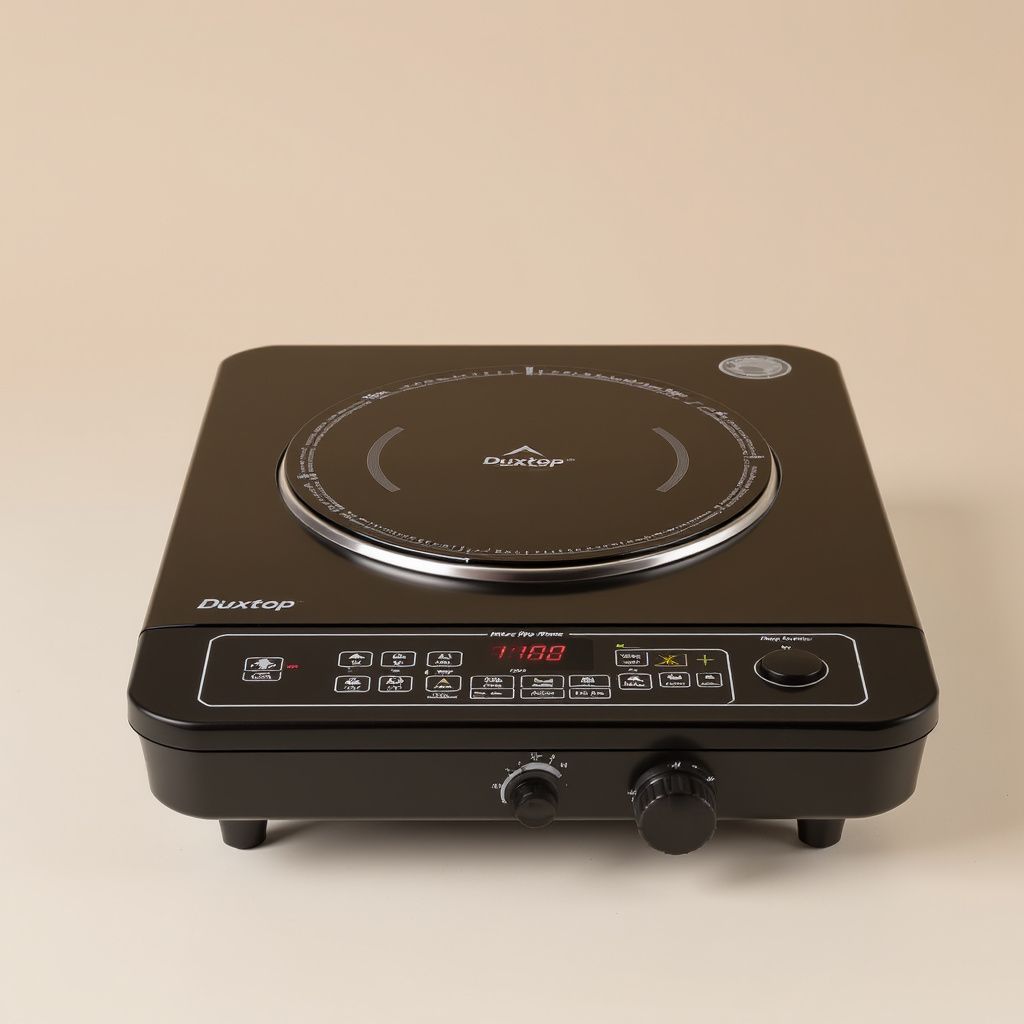
Duxtop 9100MC Portable Induction Cooktop
The budget induction king — 1800W, 15 power levels, and efficient enough to run off a modest battery bank.
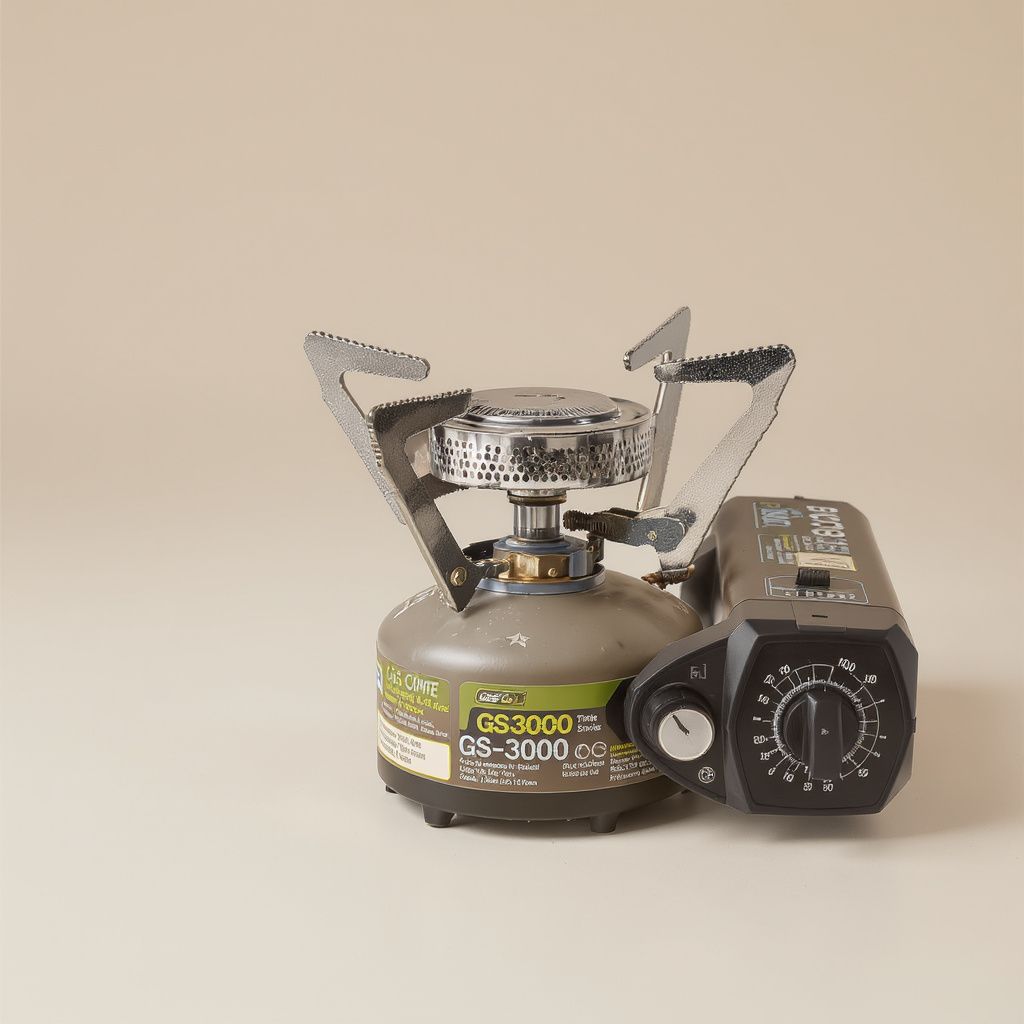
Gas One GS-3000 Butane Stove
The backup stove every van should have. Zero electricity, 12,000 BTU, and cheaper than a tank of gas.
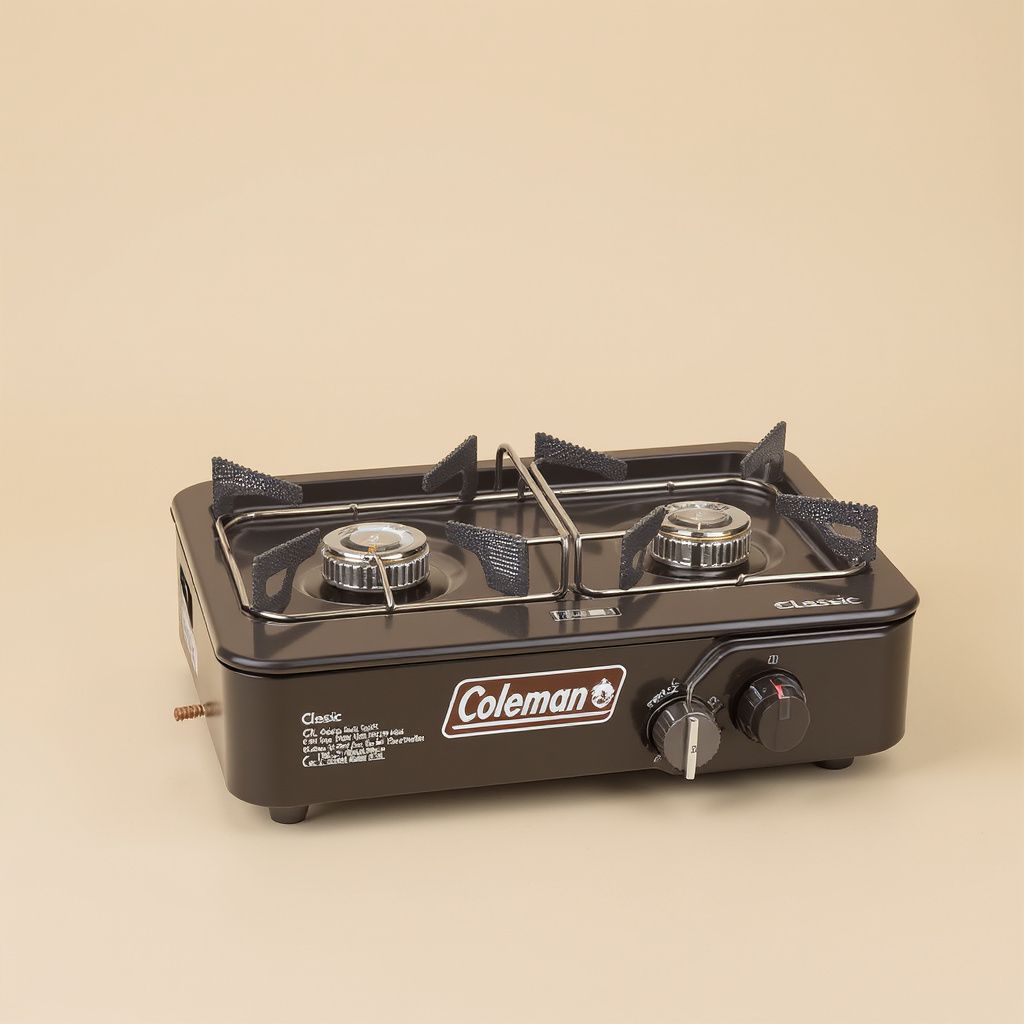
Coleman Classic 2-Burner Propane Stove
The propane stove every American camper has cooked on. Two 10,000 BTU burners, wind block side panels, and a price under $60 — the gold standard for budget cooking that works in any temperature.