Coleman Classic 2-Burner Propane Stove
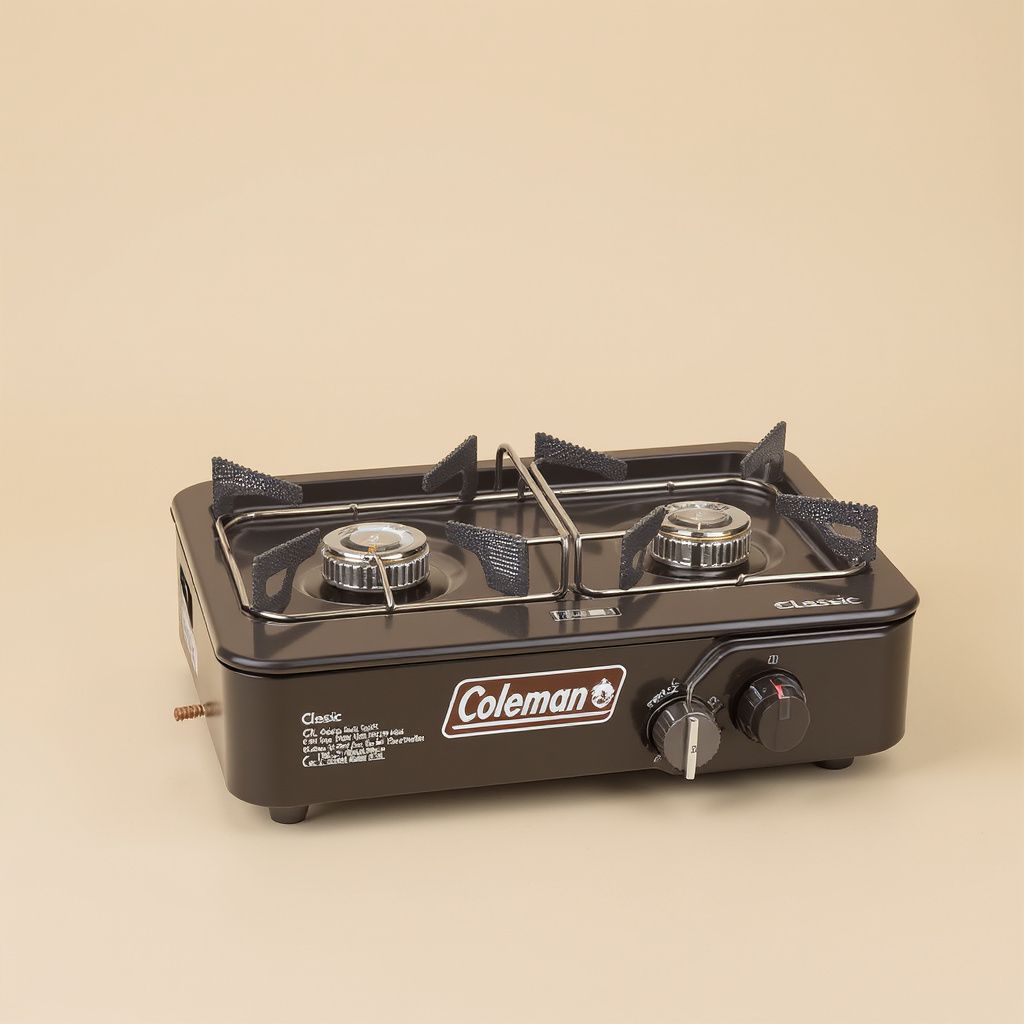
- Burners
- 2
- Output
- 20,000 BTU total (10,000 each)
- Fuel
- Propane (1 lb cylinders)
- Dimensions
- 21 x 13.4 x 4.1 in
- Weight
- 11.8 lbs
- Warranty
- 5 years
Overview — Who is this for?
The Coleman Classic 2-Burner Propane Stove has been in continuous production for roughly fifty years, and it remains the single most-sold camp stove in America. That is not marketing hyperbole — walk into any sporting goods store, big box retailer, or hardware shop in the country and you will almost certainly find the green Coleman box on a shelf. This Coleman Classic propane stove review exists because, despite dozens of fancier competitors, the $55 Coleman is still the default answer when someone asks "what stove should I put in my van?" and there are good reasons for that.
This stove is for the van lifer, weekend camper, tailgater, or emergency-prep household who wants a two-burner cooking surface that will absolutely, positively work the first time they turn the knob — in the desert, in a snowstorm, at 9,000 feet, or in their driveway during a power outage. It is not for someone chasing the lightest backpacking setup, the slickest built-in galley, or the quietest simmer for a reduction sauce. It is for people who want to boil water, fry eggs, simmer chili, and not think about their cooking setup any harder than that.
At around $54.99 with two 10,000 BTU burners, a lid-mounted pressure regulator, integrated wind blocks, and a 5-year warranty, the Coleman Classic is the universal baseline against which every other portable stove gets compared. If you are shopping butane stoves, induction cooktops, or fancy Camp Chef burners, you are implicitly comparing them to this thing whether you realize it or not.
Design & Build Quality (50 years of refinement)
The Classic has the industrial-design vibe of a product that stopped changing because it stopped needing to change. The body is stamped and porcelain-coated steel, the hinges are riveted, the knobs are chunky red plastic, and the regulator screws directly into the lid-mounted port. There is nothing clever going on here — no touch buttons, no digital ignition, no piezo sparker (you bring your own lighter). That sounds like a complaint and it is not. Every part that could fail has been removed from the design.
The footprint is 21 x 13.4 x 4.1 inches folded, 11.8 pounds on the scale, and it folds into a hard-shell briefcase with a spring-loaded latch and a carry handle. The lid flips up and doubles as a rear wind block. Two hinged side panels flip out and lock into place as side wind blocks. Everything nests flat. You can toss it in a rear storage bay, under a bench seat, or in the pass-through of a Promaster without babying it.
The two cast-aluminum burner rings sit below chrome-plated steel wire grates. The grates are removable, dishwasher-unfriendly but scrub-friendly, and the drip tray under them lifts out for cleaning grease and spilled coffee. After a season of real use the porcelain will develop some chips around the edges where the lid closes, and the grates will discolor — that is cosmetic, not functional. There are 1980s 425E models still running on 2020s propane cylinders.
The one legitimate build gripe: the pressure regulator is a single point of failure, and if you damage its threads you are down until a replacement ships. Coleman sells them cheap and the 5-year warranty covers most failures, but keep the stove in its case during transit and do not hang anything off the regulator.
Performance (boil times, cold weather, wind handling)
Two 10,000 BTU burners means 20,000 BTU total output, which is respectable but not class-leading. In calm, 70°F conditions the Classic boils one liter of water in about 4 to 4.5 minutes on high — noticeably slower than a Camp Chef Everest's 7,500 + 7,500 + 15,000 BTU monster, noticeably faster than most butane single-burners, and roughly tied with a 1,800W induction cooktop plugged into a healthy inverter.
Flame control is coarse. The knobs have a usable range but the low end is not truly low — simmering rice or melting chocolate takes patience and a diffuser plate. Searing a steak, boiling pasta water, frying bacon, and making a one-pot pasta are all easy. Delicate work is not what this burner was designed for.
The integrated wind blocks are the Classic's quiet superpower. Pop the lid up, swing the two side panels out, and the burners sit in a three-sided pocket that keeps a 10-15 mph crosswind from murdering your flame. In a full gale you still want a rock wall or a vehicle to block the open front, but for normal coastal, desert, and mountain conditions the stock wind blocks are enough. Most butane stoves have zero wind protection and become useless outside.
Fuel Cost & Runtime (per 1lb cylinder vs 20lb tank)
Out of the box the Classic runs on the screw-on green 1 lb propane cylinders that every hardware store in North America stocks. One 1 lb cylinder delivers roughly 60 to 75 minutes of runtime with one burner cranked, or about 30 to 40 minutes with both burners on high. At retail, green cylinders run $4 to $6 each in 2-packs, which works out to roughly $4 to $8 per hour of cooking. That is genuinely expensive if you cook three meals a day out of your van.
The fix is a refill adapter or a hose kit that connects the stove's regulator to a standard 20 lb barbecue tank. A 20 lb tank holds about 4.7 gallons of propane, costs $20 to $25 to refill, and delivers somewhere around 20 to 24 hours of full-blast runtime — call it two to three weeks of real cooking for a solo van lifer or a week for a couple who cooks everything on board. That drops your per-hour fuel cost to under a dollar.
Full-time van lifers almost always end up running the Classic off a 20 lb tank stored in an external propane locker or a ventilated rear compartment. Weekend users stick with green bottles and keep two or three spares in a milk crate. Either works. Compared to butane canisters, which cost roughly the same per hour as green propane cylinders but fail in the cold, propane wins on operating cost the moment you connect a big tank.
Cold Weather Performance (the propane advantage)
This is the section that matters if you are reading this review in October trying to decide whether to pack a butane single-burner or spend the extra $30 on the Coleman. The answer is: spend the $30.
Propane vaporizes at temperatures down to about -44°F. Butane stops vaporizing at around 31°F — basically the freezing point of water. What this means in practice is that a butane stove stored overnight in a cold van in Moab in November will not light in the morning until you warm the canister against your body, and it will sputter and die mid-cook if the canister gets cold again. A propane stove will light and run normally all the way through a Canadian winter. For shoulder-season and winter van lifers this is not a minor convenience issue — it is the difference between a working kitchen and a non-working kitchen.
If most of your cooking happens in cold conditions, read our cold weather van cooking guide for the fuller picture on insulation, condensation management, and why propane is the default winter fuel. The short version: the Coleman Classic earns its keep on the first 20°F morning you try to make coffee.
Coleman Classic vs Gas One Butane vs Camp Chef Everest
Three stoves dominate the portable-cooking conversation for vans, and the Classic sits squarely in the middle.
The Gas One GS-3000 butane stove is cheaper (roughly $30), lighter, quieter to operate, and more compact. It is a legitimately good stove in warm, still conditions, and a lot of new van lifers start there because the price is right. It fails in two situations: cold weather, for the reasons above, and any serious wind, because it has no wind blocks. If those two conditions never apply to you, the Gas One is genuinely fine — see our Gas One GS-3000 butane stove review for the honest case in its favor.
The Camp Chef Everest 2X is the upgrade target. At roughly $130 to $160 it doubles the BTU output, ignites with a built-in piezo sparker, simmers noticeably better, boils water in under 3 minutes, and has a more refined build. If you cook seriously in your van — reductions, delicate eggs, pan sauces — the Everest earns its premium. If you mainly boil water, fry proteins, and heat soup, the extra BTUs are wasted and the Classic does the same job for a third of the price.
The Coleman Classic is the "good enough for almost everybody" middle option. Buy the Gas One if you camp in summer and want to save $25. Buy the Everest if you are a serious van cook with money to spend. Buy the Classic if you want one stove that will never surprise you and will probably outlive your van.
Value for Money
At $54.99, the Coleman Classic delivers more cooking capability per dollar than anything else on the market. A butane single-burner saves you $25 but loses a burner and fails in cold. An induction setup saves nothing because you also need a 2,000W inverter, upgraded wiring, and a battery bank that can sustain the load — read our induction vs butane vs propane guide if you want the full cost breakdown. A built-in propane cooktop runs $300 to $600 installed and requires a dedicated propane line, a locker, and permit-worthy plumbing in some jurisdictions.
The 5-year warranty is not marketing fluff, and owner reports consistently describe Coleman honoring it — including failed regulator and received a replacement within three weeks at no cost. For a $55 product that is remarkable, and it is part of why the stove's real-world cost-per-year of ownership is closer to $5 than to $55.
Who should skip this
Skip the Coleman Classic if any of the following describe you. First, if you are building out a premium van with a dedicated propane system and a fixed cooktop — spend the $300 and get something installed. Second, if you exclusively camp in warm weather and want the absolute lightest, smallest setup, a butane single or a backpacking stove will serve you better. Third, if you have already invested in a large lithium battery bank and inverter and want to cook electric for indoor air quality reasons, induction is better for you. Fourth, if you are a serious cook who cares about low-end simmer control, the Classic will frustrate you — look at the Camp Chef Everest or a built-in unit.
Finally, if you live in a jurisdiction or building situation where propane is restricted (some apartment complexes, some national parks during fire bans, indoor-only use), the Classic is not a fit because it cannot run indoors safely and cannot be stored in some buildings.
Final Verdict
The Coleman Classic 2-Burner Propane Stove is not the best stove you can buy. It is the best stove most people should buy. It is cheap, it is bulletproof, it works in the cold, it runs on fuel you can find at any hardware store in North America, and it has a real warranty from a company that actually honors it. Fifty years of production and a permanent place as America's best-selling camp stove are not accidents.
If you are outfitting your first van, buy this stove, use it for a year, and then decide whether you actually need something better. Ninety percent of van lifers never upgrade, and they are not settling — they are just using a tool that solves the problem. Buy it from Amazon or Walmart, whichever has it cheaper on the day you check, and get on with building your van.
FAQ
Can I use the Coleman Classic indoors? No. Propane combustion produces carbon monoxide, and the Classic has no enclosed venting. Always cook outside, under an awning, or in a very well-ventilated garage with the door open. Never run it inside a closed van.
How do I connect it to a 20 lb propane tank? You need a high-pressure hose with a POL or Type 1 connector on the tank end and a 1 lb cylinder-threaded fitting on the stove end. Coleman sells one, and several third parties make cheaper versions. Hand-tight plus a quarter turn with a wrench is enough — do not overtighten.
Does it work at high altitude? Yes, with no modification. Propane stoves lose some efficiency above 10,000 feet but continue to light and burn reliably. Boil times lengthen slightly because water boils at a lower temperature and takes longer to cook food, not because the stove is struggling.
How long will one green 1 lb cylinder last? Roughly 60 to 75 minutes on one burner on high, or 30 to 40 minutes on both burners on high. In real cooking — lots of medium and low-heat use — expect two to three full meals per cylinder for a solo cook.
Is the Coleman 5430 the same as the 425E? Functionally yes. The 5430 is the current model number and the 425E is the legacy designation you will still see on older units and parts listings. The burner output, footprint, and regulator are essentially unchanged. Replacement parts are largely cross-compatible.
What is the Coleman Classic's main weakness? Low-end simmer control. The knobs do not dial down smoothly enough for delicate work like melting chocolate or holding a sauce at a bare simmer. Use a heat diffuser plate if you need truly low heat, or step up to a Camp Chef Everest if simmer control is a priority for you.
Compare with similar products
See how this stacks up against the other cooktops we've tested.
Related Reviews
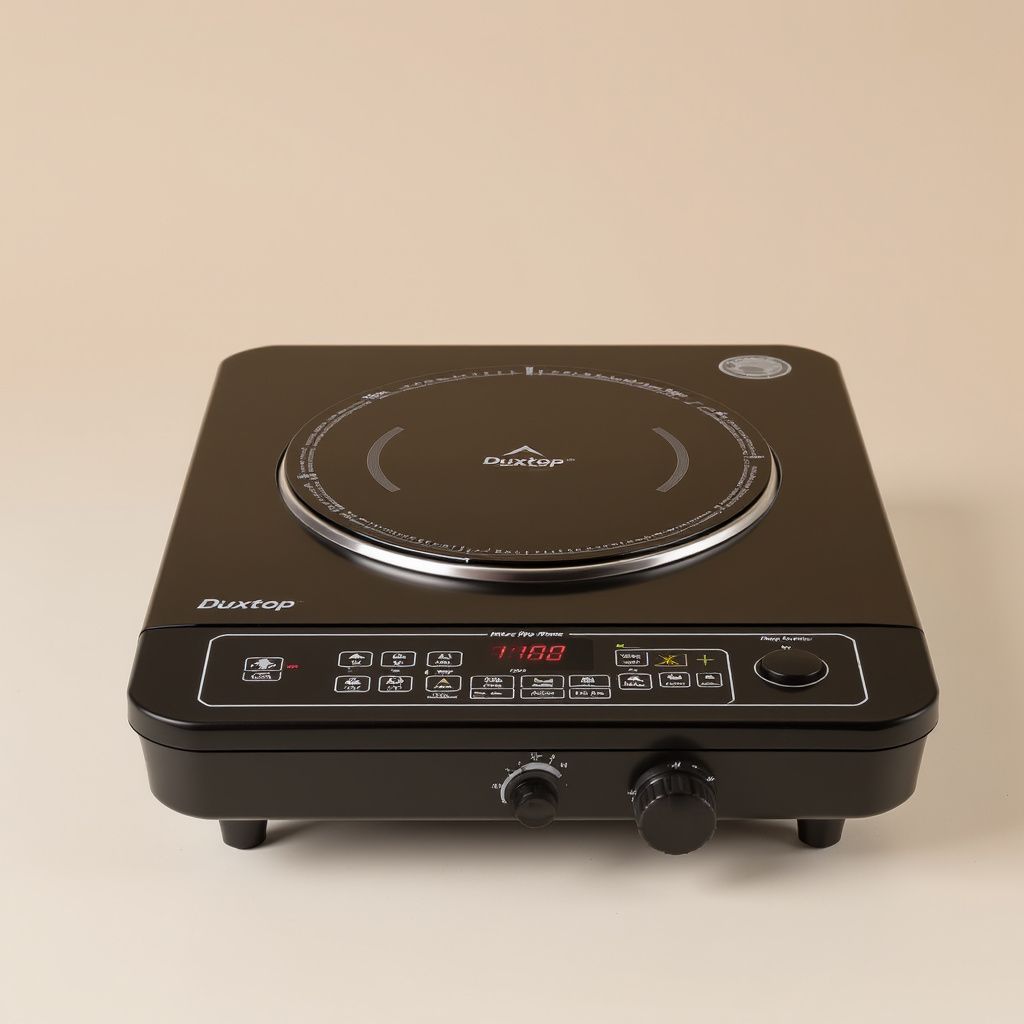
Duxtop 9100MC Portable Induction Cooktop
The budget induction king — 1800W, 15 power levels, and efficient enough to run off a modest battery bank.
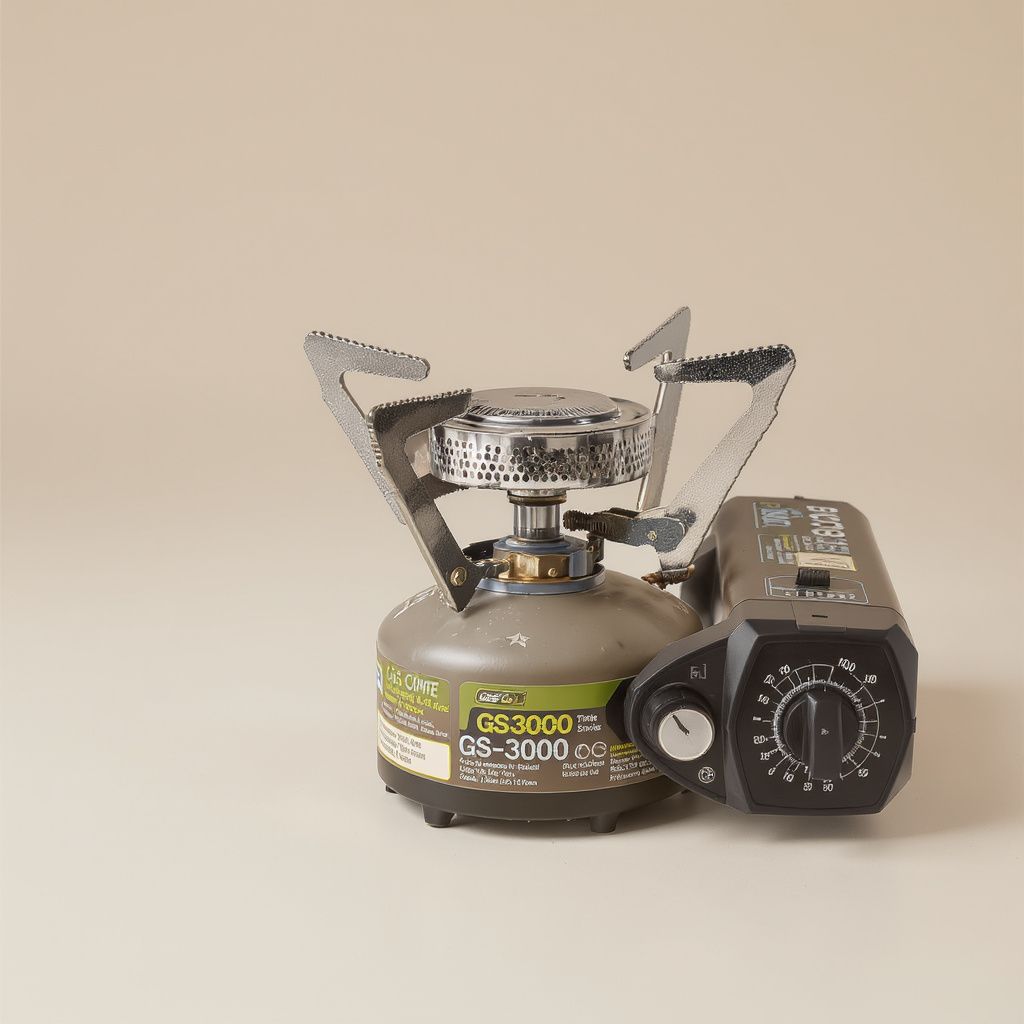
Gas One GS-3000 Butane Stove
The backup stove every van should have. Zero electricity, 12,000 BTU, and cheaper than a tank of gas.
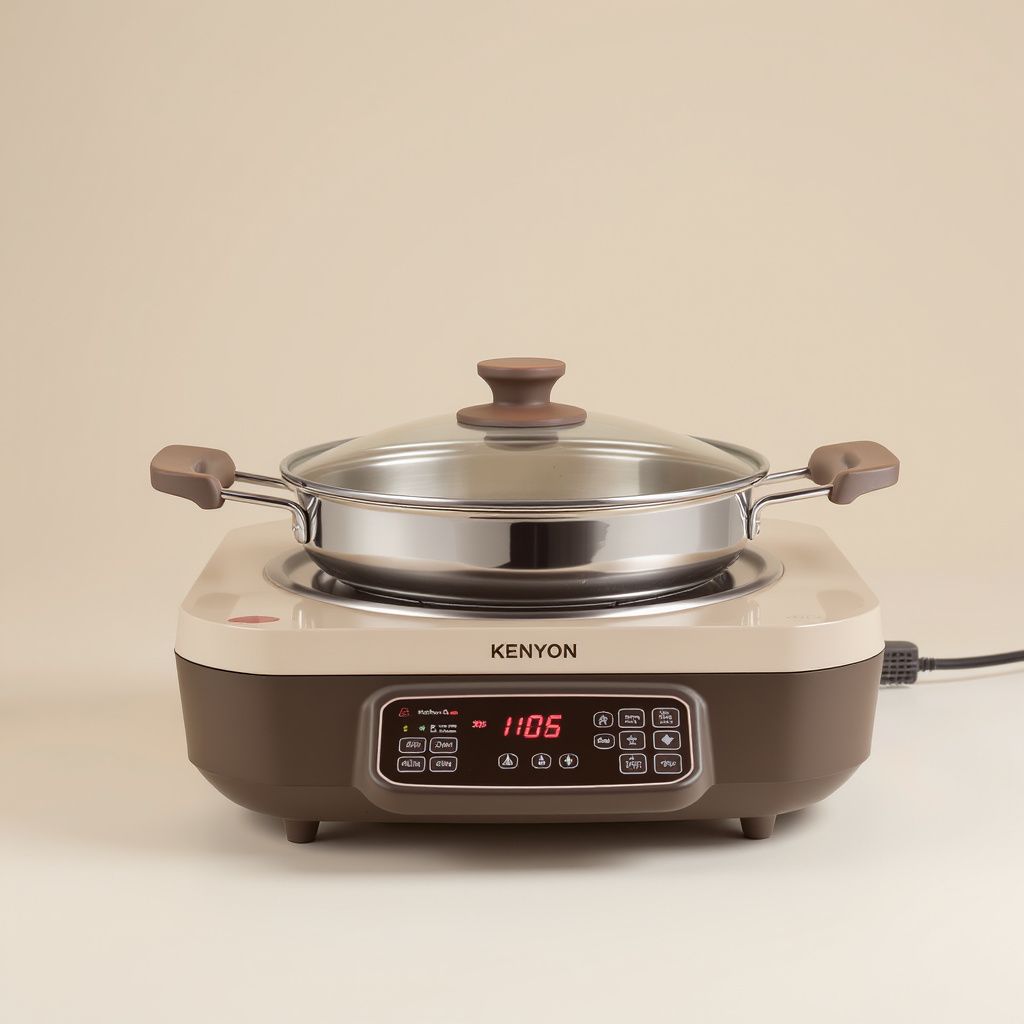
Kenyon B41600 Silken Single Induction
The built-in induction unit for flush-mount van kitchens. Marine-grade, fanless, and silent enough to cook at 3 a.m.