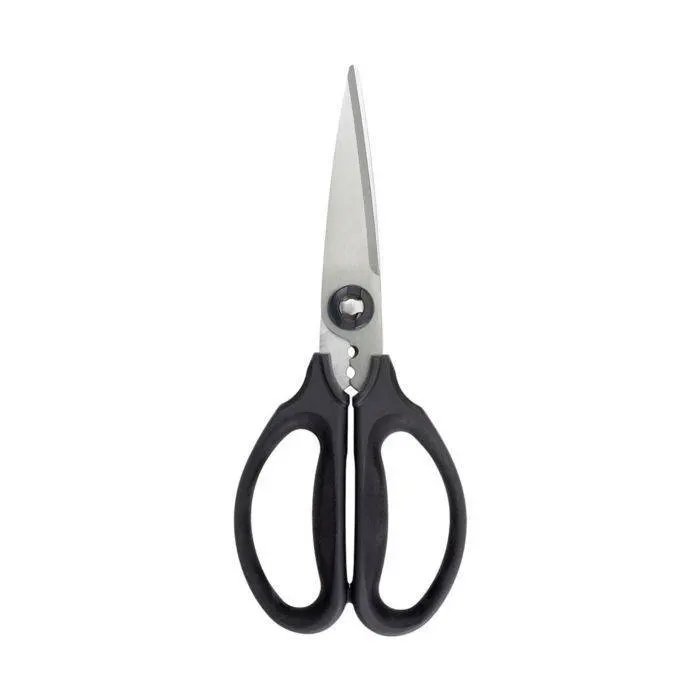
OXO Good Grips Multi-Purpose Kitchen Shears and Herb Scissors
- Model
- 1072121 (Amazon)
- Blades
- Stainless steel, micro-serrated
- Features
- Herb stripper; blades separate for cleaning
- Handle
- Cushioned grip pads
- Guarantee
- OXO satisfaction guarantee
Overview — Who is this for?
The OXO Good Grips Kitchen and Herb Scissors are inexpensive take-apart kitchen shears with micro-serrated stainless blades, cushioned handles and a built-in herb stripper. Kitchen scissors rarely make van gear lists, but in a cramped galley they do a lot of small jobs more easily than a knife and board. They snip herbs straight into a pot, trim bacon and fat, cut twine, open packaging without a blade near your palm, divide a tortilla or pizza, and take the backbone out of a small chicken.
What the Amazon link sells: the OXO Good Grips Multi-Purpose Kitchen Shears and Herb Scissors (OXO part number 1072121).
A note on sources. OXO's website blocked our requests, so the specs here come from the Amazon listing the site links to. Earlier versions of this review gave a blade length, an overall length and a dishwasher-safe claim from retailer listings. We couldn't confirm them from a source we opened, so they're removed or flagged below.
Choose this if:
- You snip herbs, trim meat or open packaging often and want to skip the knife and board for small jobs.
- You want shears whose blades separate, so the pivot can be cleaned properly.
- You want a cushioned grip that's comfortable with wet or oily hands.
Skip this if:
- You regularly cut through poultry breastbones or other heavy bone. Get dedicated poultry shears.
- You already own a good pair of take-apart kitchen shears.
What you are actually getting
According to the Amazon listing:
- Blades: stainless steel and micro-serrated. The listing says they "grip items securely and prevent slipping."
- Uses: the listing says the scissors slice "through cardboard, twine, meat, vegetables and more."
- Herb stripper: built in, to pull leaves off tough stems such as rosemary and thyme.
- Handles: cushioning pads on the grip that "absorb pressure while cutting."
- Take-apart design: the "blades separate for thorough and easy cleaning."
- Guarantee: OXO's satisfaction guarantee. If you're not satisfied, OXO will replace the product or give a refund.
The listing gives item dimensions of about 10.5 x 4.8 x 1.1 in and 0.22 lb. Those may be packaged figures, so measure your drawer slot with some allowance. The listing doesn't state whether the scissors are dishwasher safe. Hand washing is the safe default, and in a van it's what you'll do anyway.
Why take-apart blades matter
Food residue collects in the pivot of any pair of scissors: chicken fat, herb juice, cheese. On a fixed-pivot pair you can't reach it, so the best you can do is rinse it, and a warm van is a good place for whatever's trapped there to grow. Separating blades let you wash each half and the pivot area directly. If you cut raw meat with your kitchen scissors, this matters more than any other feature.
To take them apart, open the blades fully until they separate at the pivot. Wash and dry each half, then fit them back together. Be careful with the blade edges while they're apart, and don't force the pivot at an angle it doesn't release at.
How they work in a van kitchen
Herbs. Snipping chives, parsley or cilantro straight into a pot saves pulling out a board and knife, and leaves one less thing to wash. Sharp blades cut herbs cleanly; dull ones crush them. The herb stripper takes leaves off woody stems quickly and doesn't take up a drawer slot of its own.
Meat trimming. Trimming fat, cutting bacon into lardons, cutting chicken skin, or taking the backbone out of a small bird are scissor jobs. Cutting through a breastbone or heavy joint is beyond what multi-purpose shears are designed for, and forcing it can spring the pivot.
Packaging. Clamshells, vacuum-sealed meat, cheese wrap, zip-top bags and twine. The listing names cardboard and twine. Scissors are a safer tool than a knife for opening hard plastic packaging, where a blade can slip toward your other hand.
Small dividing jobs. Cutting a tortilla, flatbread or pizza into wedges over the plate, or cutting long pasta to fit a small pot.
Cross-contamination. Because scissors move between jobs so easily, it's easy to trim raw chicken and then snip herbs onto a finished dish with the same blades. In a van without a sink full of hot water, either do the herbs first and the raw meat last, or take the blades apart and wash them between the two jobs. If you cut raw meat often, a second cheap pair kept only for meat avoids the problem.
Why scissors suit a small galley
No cutting board needed. You can cut over the pot, the sink or the plate, which matters when the only flat surface is also the stove and the table.
A smaller cutting zone. Scissors keep the blades in a small, controlled space in one hand. That's easier to manage than a long chef's knife in a narrow galley, especially if the van is rocking in wind.
One-handed. You can hold a pot lid or a pan handle with one hand and cut with the other.
Easier for some jobs than a knife. Cutting parchment to fit a pan, trimming a vacuum-seal bag without nicking the contents, or snipping one strip of bacon off a pack.
Limitations
Heavy bone. For regular whole-bird butchery, buy spring-loaded poultry shears made for it.
Precision slicing. Thin, even slices of meat or vegetables are knife or mandoline work. See the Victorinox Fibrox and the Benriner mandoline.
Lots of cardboard. The listing says they cut cardboard, but a lot of it dulls any blade. Use a utility knife for breaking down boxes.
Forcing it. If something won't cut with reasonable hand pressure, switch to a knife rather than twisting the blades.
Unverified details. We couldn't load OXO's page, so the blade length and dishwasher rating aren't confirmed here.
Cleaning and maintenance
- After raw meat, take the blades apart and wash both halves and the pivot area in hot, soapy water. Rinse and dry fully before reassembling.
- In a van, a small bowl of soapy water and a brush is enough. You don't need a running tap. See the van kitchen dishwashing system for low-water routines.
- Dry them before storing. Stainless resists rust, but a damp pivot in a closed drawer is still a bad idea.
- Sharpening: micro-serrated edges are harder to sharpen than plain ones. If the scissors start to fold food rather than cut it, a light pass on the flat inside face of each blade with a fine ceramic rod can help. Heavily worn serrations usually mean it's time to replace them. A rolling knife sharpener like the HORL 3 Cruise is for knives, not scissors.
Storage in a moving van
Keep the scissors closed, in a drawer slot or a knife roll, so they can't slide around and dull against other metal tools. A magnetic knife strip will hold stainless scissors only if the steel is magnetic enough. Test yours before trusting it on rough roads. The van knife storage and safety guide covers drawer inserts, rolls and strips.
How to choose kitchen scissors
The useful checks when comparing kitchen scissors, whichever brand:
- Do the blades come apart? This is the biggest hygiene difference.
- Are the blades serrated or plain? Micro-serrations grip slippery food; plain edges are easier to sharpen.
- How comfortable is the handle with wet or oily hands? OXO's cushioned grip is designed for that.
- What extras does it have? Here there's an herb stripper. Some pairs add a bottle opener or a jar-gripping area; the OXO listing doesn't mention those.
- Is there a warranty or guarantee? OXO offers its satisfaction guarantee.
- Do they fit your drawer? Measure the slot.
Dedicated poultry shears are the better choice for frequent bone work. A plain-edged pair is easier to sharpen at home. For most van kitchens, a take-apart multi-purpose pair covers the daily jobs.
The verdict
The OXO Good Grips Kitchen and Herb Scissors are a low-cost tool that saves knife-and-board work in a small galley. The Amazon listing confirms the features that matter: micro-serrated stainless blades, separating blades for cleaning, cushioned handles, a built-in herb stripper, and OXO's satisfaction guarantee. They're for herbs, packaging, trimming and light poultry work, not heavy bone. If your van kitchen has no kitchen scissors yet, a take-apart pair like these is a sensible addition.
FAQ
Do the blades come apart for cleaning? Yes. The Amazon listing says the "blades separate for thorough and easy cleaning." Separate them after cutting raw meat and wash both halves.
Are they dishwasher safe? The Amazon listing we checked doesn't say, and we couldn't load OXO's own page. Hand wash them in hot, soapy water and dry them before storing.
Can they cut through chicken bones? They can handle skin, fat and the small bones of a backbone. For breastbones or heavy joints, use dedicated poultry shears.
What is the herb stripper? It's a hole in the scissors that you pull a stem through to strip the leaves off woody herbs like rosemary and thyme.
What warranty do they have? The listing describes OXO's satisfaction guarantee: return the product for a replacement or refund if you're not satisfied.
Sources and verification
- Amazon listing ASIN B000KILLXM: OXO Good Grips Multi-Purpose Kitchen Shears and Herb Scissors, part number 1072121, stainless steel blades that cut "cardboard, twine, meat, vegetables and more", micro-serrated blades, herb stripper, cushioned grip pads, blades that separate for cleaning, satisfaction guarantee, listed dimensions and weight (checked 2026-10-12)
Compare with similar products
See how this stacks up against the other knives & prep we've reviewed.
Related Reviews
For: Fast, uniform vegetable slicing
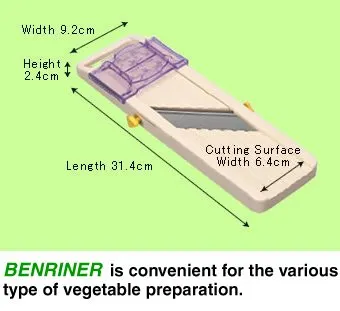
Benriner Classic Japanese Mandoline Slicer
An affordable Japanese mandoline widely used by professional cooks. It makes paper-thin radishes, uniform potato slices for gratins and julienned carrots much faster than a knife, and it packs into a drawer. Use the finger guard every time.
For: Primary galley knife
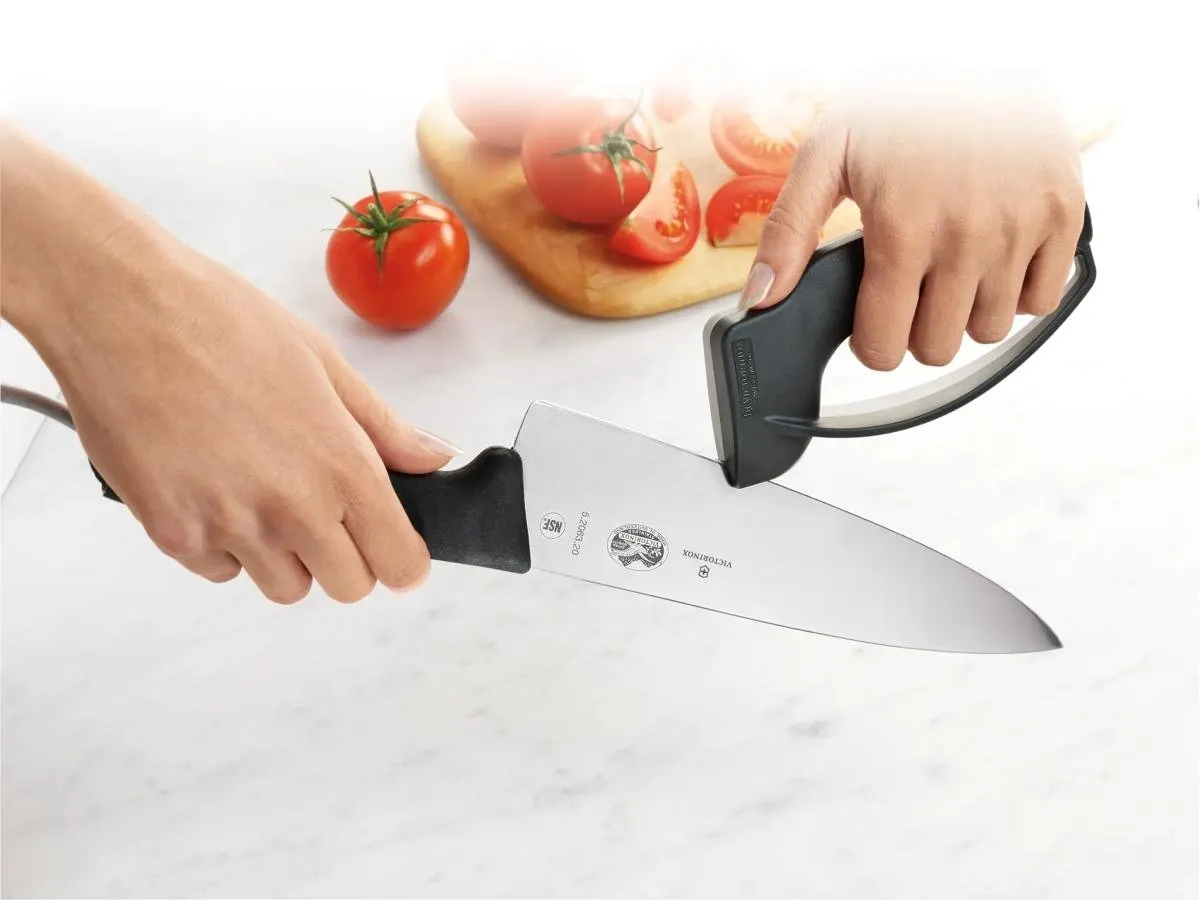
Victorinox Fibrox 8-Inch Chef Knife
A stamped Swiss chef knife common in commercial kitchens. A modest price for a 7.9-inch high-carbon stainless blade that is easy to resharpen, and the textured Fibrox handle grips even with wet hands. Victorinox lists it as dishwasher safe; hand washing is kinder to the edge. It covers nearly all galley prep on its own.
For: Folding knife for picnics, trail
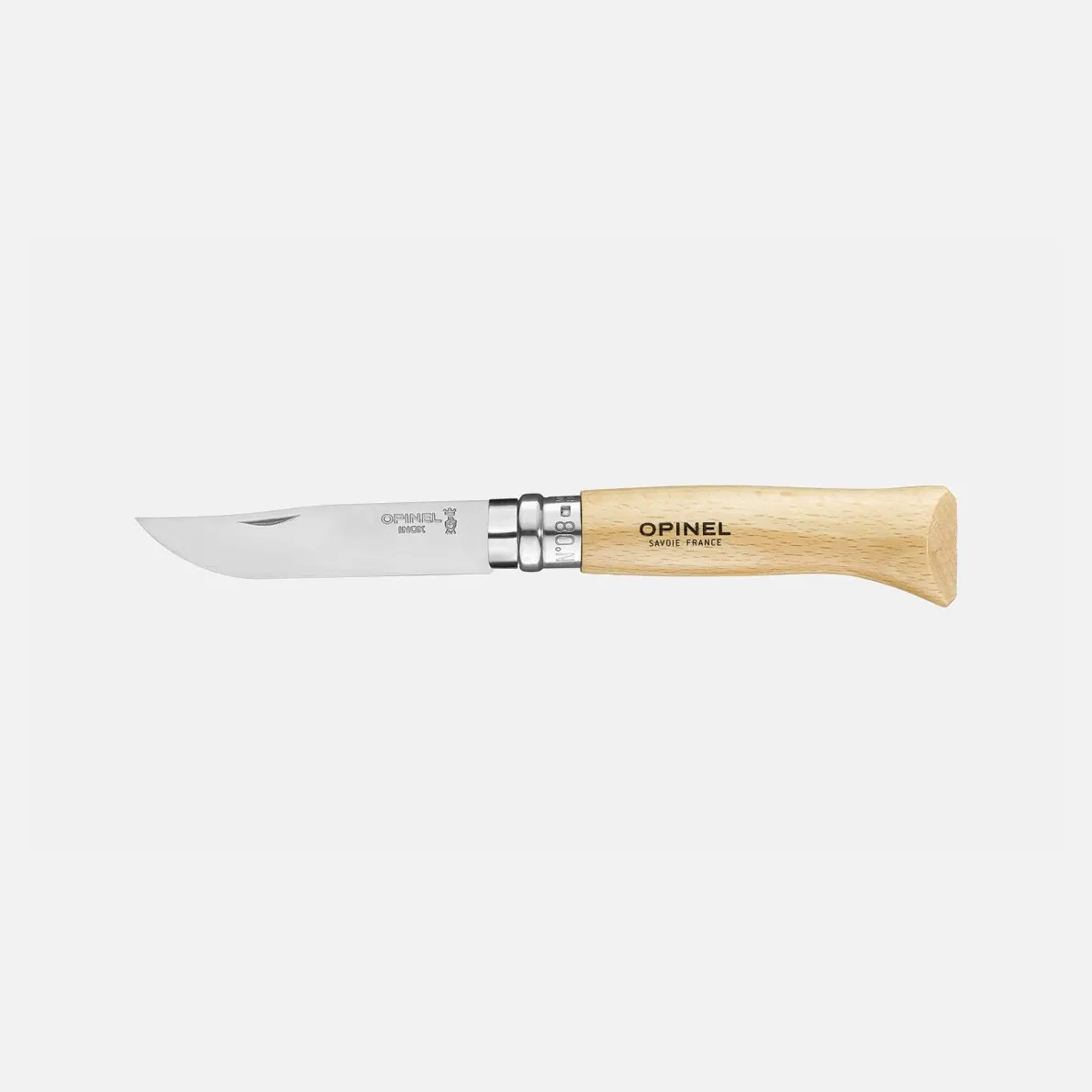
Opinel No. 8 Stainless Folding Knife
A French folding knife made since 1890: a 3.28-inch Sandvik 12C27 stainless blade, beechwood handle and Virobloc ring that locks the blade open or closed. This listing includes a faux-leather sheath. Pocket-friendly and good for cheese, fruit and trail lunches; a practical second knife for a van.