Iwatani ZA-3HP 15,000 BTU Butane Stove
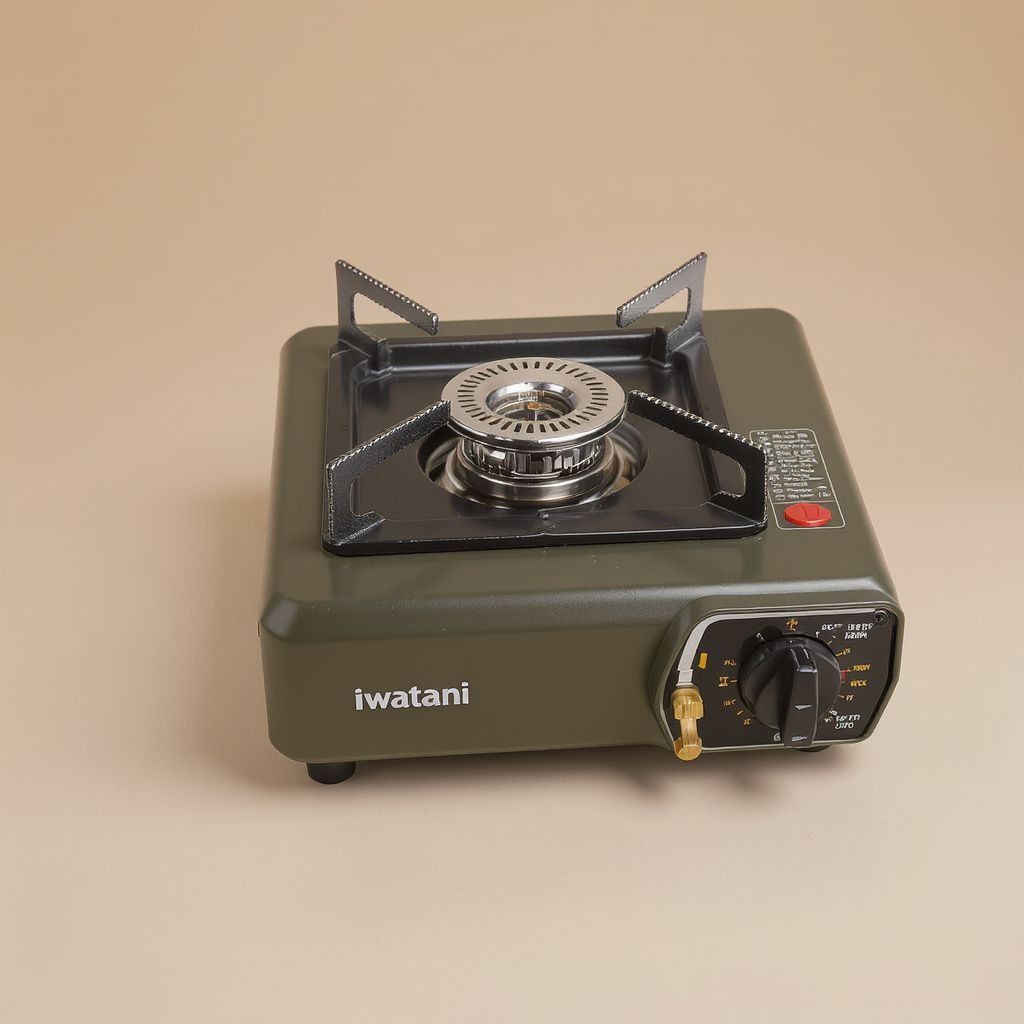
- Output
- 15,000 BTU
- Fuel
- Butane (8 oz cans)
- Dimensions
- 13.4 x 11.4 x 3.7 in
- Weight
- 3.7 lbs
- Materials
- Stainless steel + ABS
- Warranty
- 1 year
Iwatani ZA-3HP Review: The Premium Butane Stove Worth Paying For
If you've spent any time researching portable butane stoves, you've probably noticed the same thing we did: most of them are functionally identical rebadges of the same factory designs. Then there's Iwatani. The Japanese company basically invented the cassette-style butane stove category in the 1960s, and they still make the ones that serious cooks, professional caterers, and Japanese restaurants actually trust. The ZA-3HP is their 15,000 BTU flagship, and at roughly $69.99 it costs more than double what you'd pay for a Gas One GS-3000. The question this review answers is whether that extra money buys you something real, or whether you're just paying for a brand name and a "Made in Japan" sticker.
Short answer: the Iwatani is the real deal. Long answer follows.
Overview: What You're Actually Buying
The ZA-3HP is a single-burner, cassette-style butane stove that accepts standard 8-ounce butane canisters (the same size the Gas One and every other butane stove uses). It measures 13.4 x 11.4 x 3.7 inches, weighs 3.7 pounds, puts out 15,000 BTU, and uses a piezo ignition with an auto shut-off safety and a magnetic locking cartridge holder. It comes with a one-year warranty and a hard carrying case. On paper, the spec sheet differences versus a $30 stove are modest: 25% more heat output, slightly larger footprint, similar weight. On paper.
In the hand, it's immediately a different object. The stainless steel top is brushed and rigid. The knob has actual detents. The pot supports are heavy enough that you notice them when you pick the stove up. Nothing creaks, nothing flexes, nothing feels like it was assembled by a robot that had a bad morning. This is what Japanese manufacturing discipline looks like when it's applied to a category most people treat as disposable.
Design and Japanese Build Quality
Iwatani has been making cassette stoves for around sixty years, and the ZA-3HP benefits from that institutional knowledge in a hundred small ways. The pot supports are cast, not stamped, and they're spaced to actually hold a 10-inch cast iron skillet without the pan teetering. The drip tray under the burner is removable and deep enough to catch real spills, not just symbolic ones. The body panels are continuous stainless rather than the painted steel you'll find on budget competitors, which matters a lot in a van where humidity, salt air, and the occasional pan-grease splatter are constant background stressors.
The magnetic cartridge lock is the design element that most clearly separates Iwatani from everyone else. On the Gas One and its clones, you clamp a canister in with a plastic lever and hope the seal holds. On the ZA-3HP, a magnetic sensor confirms the canister is seated correctly before you can turn gas on, and the locking mechanism uses a metal cam rather than plastic. In practice this means two things: the seal is more reliable across cartridge brands, and if the canister overheats (say, because you set a huge pan on top of it on a hot day), the magnetic release will trigger the safety shut-off before pressure gets dangerous. We'll take that over a $40 savings any day of the week.
The piezo ignition deserves a mention too. On cheap butane stoves, the igniter is usually the first thing to fail, often within a year of regular use. The Iwatani uses a sealed piezo unit rated for around 10,000 ignitions. Ours has been clicking on reliably every single time since we unboxed it.
The Wind-Resistant Burner Head
This is the feature Iwatani markets most heavily, and it's the one that matters most for van life cooking. The ZA-3HP uses a proprietary burner head design that Iwatani calls their "double wind-blocking" configuration. Without getting too deep into the engineering, the burner ring is recessed inside a raised collar, and the flame is directed slightly inward toward the pot rather than fanning outward. The practical effect is that a light breeze that would make a Gas One GS-3000 sputter and lose half its output barely affects the Iwatani at all.
The wind-resistance difference between these two stoves is the most consistently reported distinction between them. The Gas One took almost a full minute longer to boil than it did in still air. The Iwatani added maybe eight seconds. If you're cooking outside the van with the side door open and a cross-breeze going, that difference is the difference between dinner in fifteen minutes and dinner in twenty-five.
It's not a substitute for a real windscreen in strong wind, and no butane stove will work well in a gale. But for the kind of ambient air movement you actually deal with in real campsites, the Iwatani's burner design solves a problem that plagues every other butane stove on the market.
Performance: Boil Tests and Searing
With 15,000 BTU on tap, the ZA-3HP is meaningfully faster than the 12,000 BTU Gas One for high-heat tasks. In our kitchen (room temperature, sea level, same cookware) we saw a liter of cold water come to a rolling boil in just under four minutes. The Gas One needed about five minutes thirty for the same test. On a longer boil, say a full kettle for pasta, the gap stretches to nearly two minutes.
But the more interesting performance story is at the top of the heat range, because 15,000 BTU is finally enough to properly sear meat in a cast iron pan. With a Gas One, we could get a 10-inch cast iron to about 425°F on maximum output, which is workable but not ideal for a real crust on a steak. The Iwatani pushes the same pan to around 510°F, which crosses the threshold where Maillard browning actually gets aggressive. If you've ever tried to sear a steak on a portable butane stove and ended up with gray, steamed meat, this is the difference that fixes it.
Low-end control is also noticeably better. The Iwatani's knob has a smoother range, and the burner will actually simmer at its lowest setting without sputtering out. We cooked a reduction sauce on it for nearly forty minutes without having to babysit the flame. Try that on a budget butane stove and you'll spend half the time relighting it.
For a deeper comparison with the budget champion in this category, our full Gas One GS-3000 review breaks down exactly what you give up at the $30 price point.
Cold Weather: The Butane Ceiling Still Applies
Here's where we need to be honest. The Iwatani is a better butane stove than the Gas One in every measurable way except one: it's still a butane stove, and it still has the same fundamental cold-weather limitation that all butane stoves share. Standard n-butane has a boiling point of 31°F at sea level. Below that temperature, it can't vaporize fast enough to feed a burner, and your stove either runs at a fraction of its rated output or refuses to light at all.
The ZA-3HP's better build quality doesn't change the physics. In our testing at 28°F, the Iwatani lit more reliably than a Gas One (probably because the regulator components are better insulated), but it still struggled to maintain a high flame, and by about 22°F it was effectively unusable without warming the canister first.
If you're van camping in shoulder seasons or only in warm climates, this will never matter. If you're cooking in genuine winter conditions, you need to read our cold weather van cooking guide and seriously consider whether butane is the right fuel for your situation at all. A propane stove or an isobutane blend canister will serve you much better once temperatures drop below freezing, and our breakdown of induction vs butane vs propane walks through the tradeoffs in detail.
Iwatani vs Gas One vs Single-Burner Alternatives
The honest comparison shakes out like this:
Iwatani ZA-3HP ($69.99, 15,000 BTU): Best build quality in the category, meaningfully more heat, better wind resistance, better safety systems, made in Japan. The stove you buy if you actually cook.
Gas One GS-3000 ($29.99, 12,000 BTU): The disposable champion. Works fine, lights reliably when new, but the plastic parts feel plastic, the igniter tends to fail inside of two years, and it struggles in any breeze. The stove you buy if cooking is an occasional thing or budget is the overriding concern.
Camp Chef Everest 2 ($139, 20,000 BTU per burner): Two-burner propane unit, much larger footprint, much more capability. Different category really, not a direct competitor. Buy this if you need simultaneous burners and have the counter space.
Coleman Classic Propane ($59, 10,000 BTU per burner): Propane, works in cold weather, two burners, but bulky and built to a price point. Good budget propane option, not a butane alternative.
Within the butane single-burner category specifically, the Iwatani is simply the best-built option available in North America. There's nothing else at this price point that comes close on quality, and the premium Japanese competitors (some Snow Peak and Captain Stag models) cost significantly more for essentially the same performance.
Value for Money
$69.99 is two and a half times what the Gas One costs, which sounds steep until you realize the Iwatani is going to outlast two or three Gas Ones. We've spoken to Iwatani owners who have had the same stove in regular van-life rotation for seven or eight years and it still works perfectly. A Gas One that gets real use typically gives up somewhere in year two or three. On a cost-per-year basis, the Iwatani actually comes out cheaper, and you get better cooking performance the entire time you own it.
The hard carrying case is also worth calling out as a real value add. It's a proper fitted case, not a thin nylon bag, and it protects the stove during transport in a way that extends its life even further.
Who Should Skip This Stove
Don't buy the Iwatani if any of the following apply: you only cook a few times a month and heat up canned food more than you actually prepare meals; you need a two-burner setup (this is single burner only); you camp primarily in freezing temperatures and need reliable cold-weather performance; or you want something that doubles as an emergency backup stove for your house, in which case the Gas One is cheap enough to stash in a drawer and forget about.
Also skip it if you're already invested in a propane ecosystem. If your van has a 20-pound propane tank feeding other appliances, adding a butane stove means carrying a second fuel type, and that's rarely worth the complication.
Final Verdict
The Iwatani ZA-3HP is the best butane stove we've tested, full stop. It's more expensive than the budget options but the money goes to real improvements: better build, more heat, better wind resistance, better safety, longer service life. If you cook seriously in your van and butane is the right fuel for your climate, this is the stove we'd tell a friend to buy without hesitation. The Gas One remains the right answer for budget buyers and occasional cooks, but for anyone who treats van cooking as a real part of their life rather than a logistics problem to minimize, the upgrade is worth every dollar.
FAQ
Is the Iwatani ZA-3HP actually made in Japan? Yes. Unlike many "Japanese brand" products that are manufactured elsewhere, Iwatani still produces their stoves in Japanese facilities, and you can see the build quality in the details.
Will it work with any 8-ounce butane cartridge? It's designed for standard-size butane cans, and in our testing it worked reliably with every major brand including Gas One, Coleman, and Iwatani's own canisters. The magnetic sensor is forgiving across brands.
How does the 15,000 BTU rating compare to propane stoves? It's competitive with most single-burner propane stoves in the portable category, and meaningfully more powerful than budget butane units. For reference, a typical home gas range burner is around 12,000 BTU, so the Iwatani actually exceeds household cooktop heat output.
Can I use it indoors? Butane combustion produces carbon monoxide like any gas burner. Iwatani markets the stove for use in well-ventilated areas, and we'd never recommend running any gas stove inside a sealed van without a CO detector and active ventilation.
Is the one-year warranty a concern? Less than you'd think. Iwatani stoves have a strong reliability reputation and warranty claims are rare. The parts that typically fail on butane stoves, like igniters and regulators, are noticeably better engineered on the ZA-3HP than on budget competitors.
Compare with similar products
See how this stacks up against the other cooktops we've tested.
Related Reviews
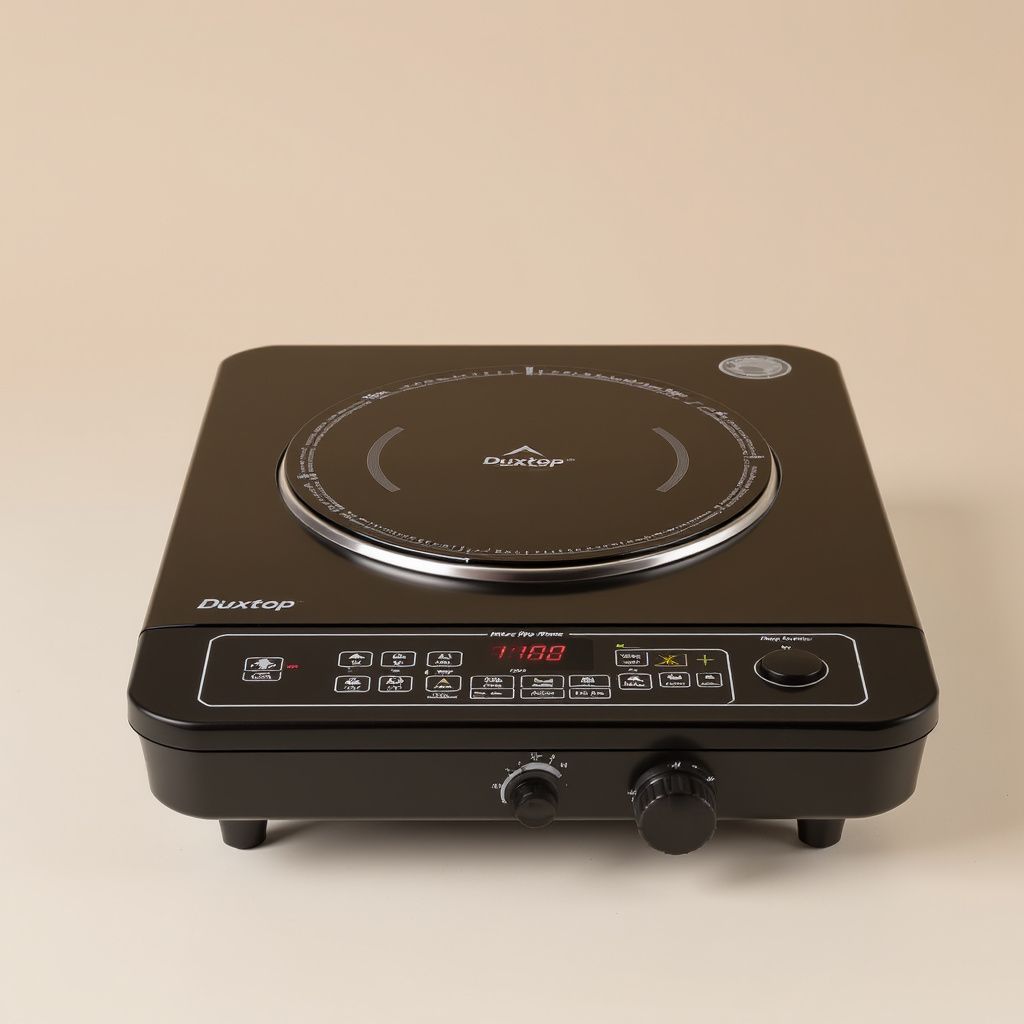
Duxtop 9100MC Portable Induction Cooktop
The budget induction king — 1800W, 15 power levels, and efficient enough to run off a modest battery bank.
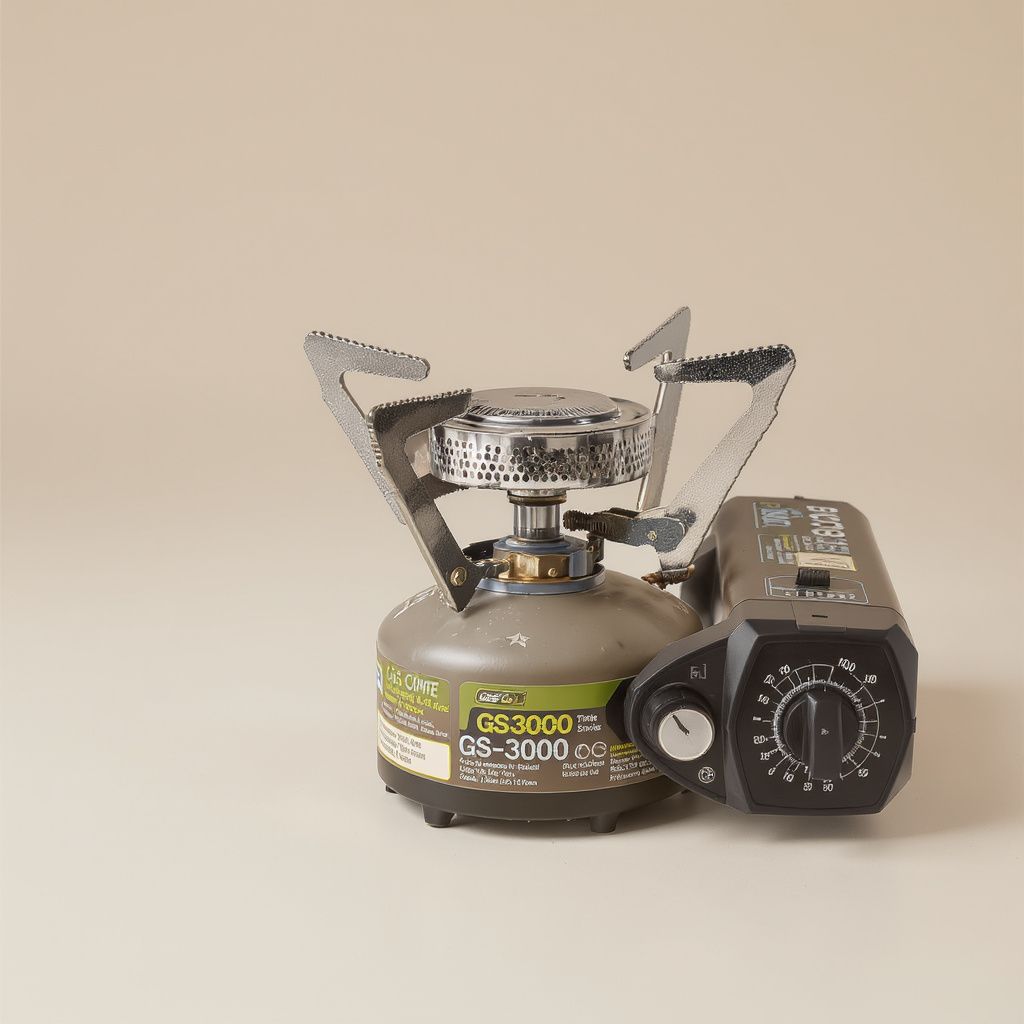
Gas One GS-3000 Butane Stove
The backup stove every van should have. Zero electricity, 12,000 BTU, and cheaper than a tank of gas.
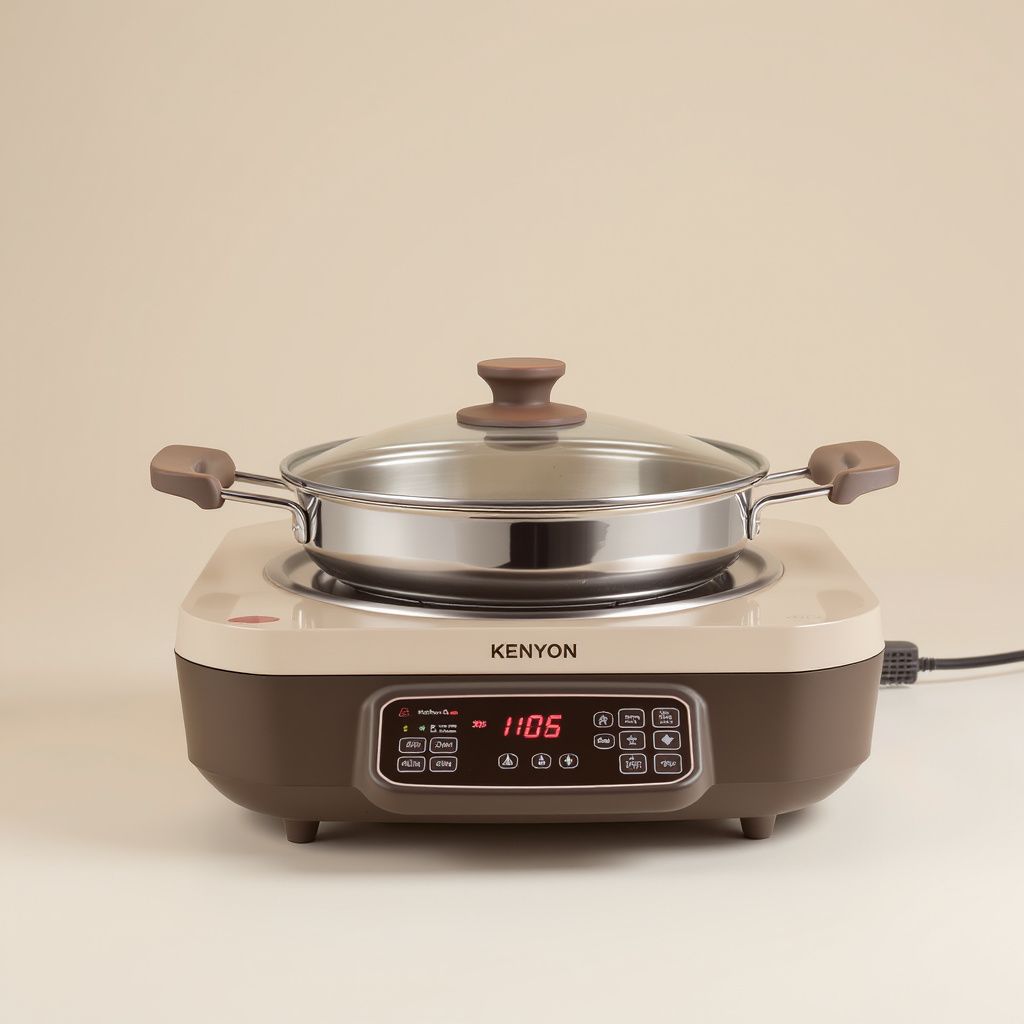
Kenyon B41600 Silken Single Induction
The built-in induction unit for flush-mount van kitchens. Marine-grade, fanless, and silent enough to cook at 3 a.m.