Omnia Stovetop Oven (Model 1301)
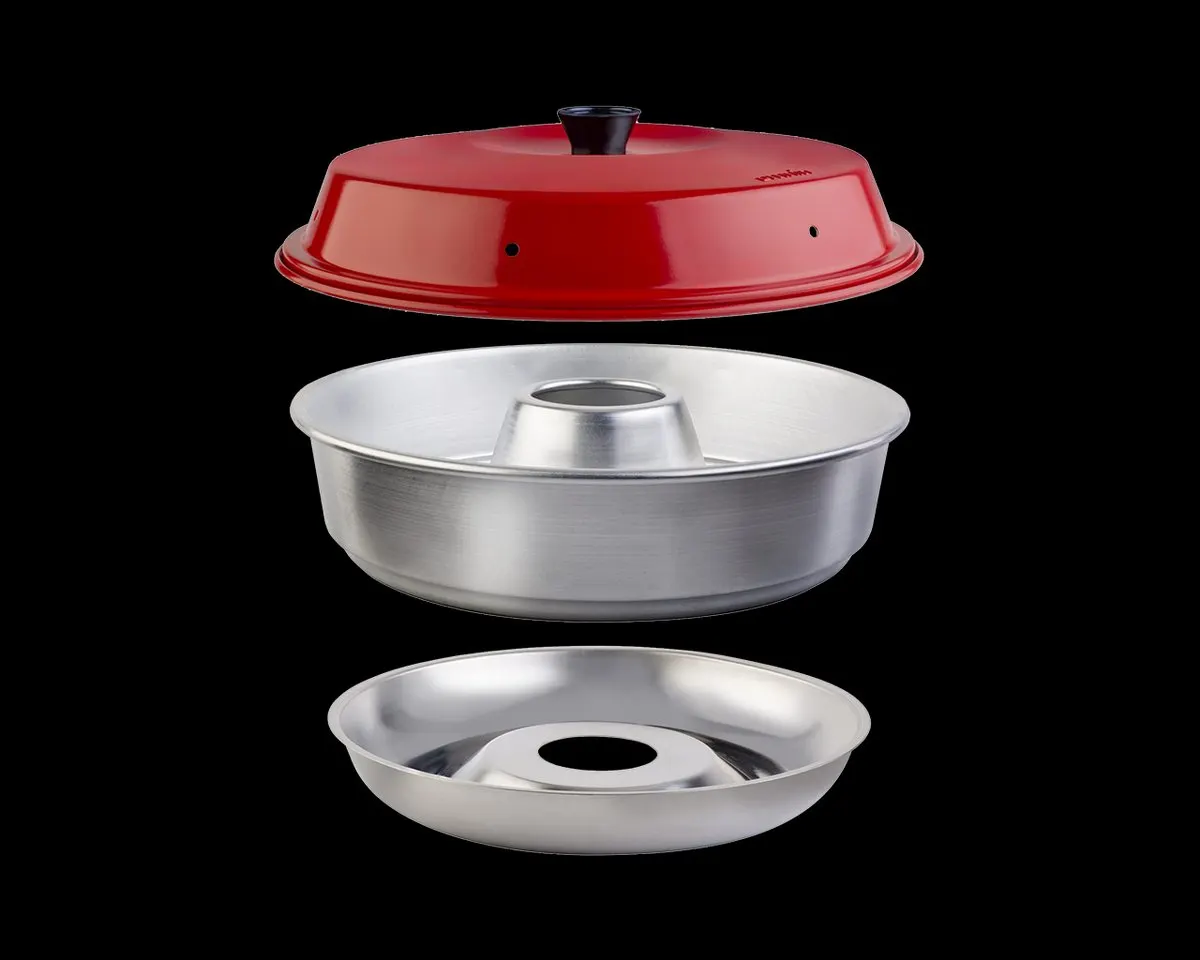
- Model
- 1301 (listing); Omnia lists the Classic Original 2L as article 1001
- Capacity
- 2 L (Omnia); 2.1 qt (listing)
- Diameter
- 9.84 in; 5.51 in tall with knob (Omnia)
- Weight
- 1.1 lb (Omnia); 1.8 lb (listing)
- Material
- SS430 stainless steel base; aluminium pan and lid (Omnia)
- Heat Source
- Gas, electric, kerosene, alcohol or camp stove, or a grill; not induction
- Warranty
- Lifetime against manufacturing defects (listing)
- Accessories
- Non-stick pan and silicone moulds sold separately
Overview: who is this for?
This Omnia Stove-Top Oven review is for the van lifer who misses baked food: bread with a crust, cinnamon rolls, a tray-bake on a cold evening. The Omnia (model 1301 on the Amazon listing this page links to; Omnia's own US site calls the same three-part oven the Omnia Classic Original 2L) is a Swedish-designed stovetop oven long used on boats and in campervans. It sits on top of a burner you already own and turns it into a small oven, with no propane oven, 120 V connection or built-in RV appliance required.
Two facts to know before anything else:
- It does not work on induction. Omnia's instructions say the Classic "can be used on all heat sources except induction", and the Amazon listing says plainly: "Does not work on induction." If your van kitchen is induction-only, this isn't for you.
- It's plain aluminium inside. Omnia's product page describes the pan as aluminium (meeting FDA and LFGB food-contact standards), with no non-stick coating. Omnia sells non-stick baking forms and silicone moulds separately. (An older version of this review described a non-stick interior; that was wrong for this model.)
Where you use it depends on your stove. The Omnia has no flame of its own; it goes on a burner. Every fuel-burning stove on this site (the Gas One GS-1000G, Iwatani Cassette Feu, Coleman Triton+ and Camp Chef Everest 2X) is labelled by its manufacturer for outdoor use. So in most vans, Omnia baking happens on a stove set up outside the van. A 30- to 45-minute bake also means a long burn, which is exactly when the outdoor-only rule matters most.
Choose this if:
- you cook on a gas burner (outdoors, per your stove's manual) and want to bake bread, cakes and casseroles;
- you cook for one or two;
- you're willing to spend a few bakes learning heat management.
Skip this if:
- your only cooktop is induction (Omnia says it doesn't work on induction);
- your only stove is a small canister stove, or a cassette stove where the Omnia's base would overhang the canister compartment;
- you want to bake for groups in one batch, or you cook a lot of tomato-based or other acidic bakes (see the care section).
The framing to keep in mind: the Omnia is not a replacement for a full oven. It's a workaround that covers a lot of what an oven does, in a package that weighs between 1.1 and 1.8 pounds depending on whose figure you read (below).
Specifications
| Spec | Omnia Classic 2L (1301 listing) |
|---|---|
| Volume | 2 L (Omnia); 2.1 qt (listing) |
| Diameter | 9.84 in (Omnia) |
| Height | 5.51 in with knob (Omnia) |
| Weight | 1.1 lb (Omnia); 1.8 lb (listing) |
| Base | Stainless steel, SS430 (Omnia) |
| Pan and lid | Aluminium, uncoated pan |
| Induction | Does not work |
Omnia's product page gives article number 1001 for the Classic Original 2L; the Amazon listing gives model and part number 1301. Both describe the same three-part, 2-litre oven, but the numbers differ, so check the listing title and photos before you buy. The listing's item dimensions (11 x 10 x 4 inches) are larger than Omnia's 9.84-inch diameter, probably because they're measured on the box; plan storage around about 10 inches across and 5.5 inches tall.
How it works
Omnia's instructions describe three parts that "must always be used together to provide both top and bottom heat":
- a bowl-shaped stainless steel base that sits on the burner, with a hole in the middle;
- an aluminium ring-shaped pan (the "mold") with a hollow centre chimney, which rests on the top edge of the base;
- a painted lid with ventilation holes.
When you light the burner, the flame heats the base. Hot air rises through the hole and up the centre chimney, and the lid traps it on top, so the food is heated from below, from the centre and from above. The vents in the lid let steam escape, which Omnia says prevents soggy bakes. The base keeps the bottom of the pan off direct flame, which is what stops the bottom burning before the middle cooks.
The weakest heat zone is the top surface of the food, which matters for browning (more below).
Omnia's heat numbers are worth knowing before you handle it. The instructions say the bottom gets "up to 350°C/662°F" and must cool before handling, and the lid knob can exceed 100°C/212°F, so use pot holders for the lid and the pan. Omnia also warns that the hole in the base has a sharp edge.
What bakes well
Omnia's position is that "almost everything that can be made in a conventional oven can also be made in the Omnia Classic", with the same cooking times once the heat is right. In practice the ring shape and the heat pattern favour some foods over others:
Bread. Yeasted doughs and no-knead breads work as a ring loaf. Omnia says to fill the pan only halfway for anything that rises, so a recipe sized for an 8-inch square pan or a small loaf tin is the right scale.
Cinnamon rolls, muffins and quick breads. Portioned doughs and batters that bake at moderate temperatures for 20 to 35 minutes are the most forgiving, because there's less mass for the heat to get through.
Pizza. Not a flat pizza, but a deep-dish ring. The crust bakes against the aluminium; the toppings don't brown the way they would under a grill.
Casseroles and gratins. They cook through, and Omnia allows a slightly fuller pan for foods that don't rise, but never closer than 1 inch from the top edge. Omnia's own caution for this group is that pastries and gratins "may get a little colored. But don't expect the same extent as in a traditional oven."
Not suitable: acidic foods. Omnia's instructions say the Classic is "Not suitable for acidic foods." That's a real limitation for tomato-heavy bakes, lasagne and fruit cobblers in the plain aluminium pan. Omnia's separate non-stick pan or silicone insert is the usual way round it; check Omnia's accessory descriptions for what each is rated for.
Heat management: the learning curve
The Omnia has no thermostat, so you manage the burner throughout the bake. That's the biggest learning curve. Omnia's instructions put it directly: "on a gas stove, it's easy to overheat", and their starting point for a gas burner of about 2,500 W (roughly 8,500 BTU/h) is "just above the lowest flame setting". On a 2,000 W portable electric hotplate they suggest high heat instead, which shows how much the right setting depends on the stove.
Omnia suggests learning on something simple, like a ready-made cake batter, to find the right setting for your particular stove. Every stove on this site has a different output (from the Gas One's 7,650 BTU to the Camp Chef's 20,000 BTU per burner), so expect your first few bakes to be calibration. On the higher-output propane burners, the lowest flame may already be more than the Omnia wants, which is a reason to start very low and check early.
Two more details from the instructions:
- For short bakes (10 to 20 minutes) on an electric stove, Omnia suggests preheating the stainless base on high for about 3 minutes, and says some breads and cakes benefit from a one-minute "kickstart" on the highest heat.
- When the bake is done, lift the pan off the base and remove the lid, or the food keeps cooking in the residual heat.
The oven must never be left unattended while in use, Omnia says, which fits the outdoor-stove rules anyway.
Stove fit matters for safety. At about 10 inches across, the Omnia's base is wider than many small burners. Check your stove before baking:
- Cassette butane stoves (Gas One, Iwatani): their manufacturers warn against cookware that overhangs the canister compartment, because reflected heat can overheat the canister. A long bake under a wide base is exactly that risk. Only use the Omnia on a cassette stove if it sits fully on the pot support without extending over the canister bay; if in doubt, use a different stove.
- Canister backpacking stoves (MSR PocketRocket 2): MSR's manual says never to use cookware wider than 8 inches, so the Omnia is out.
- Two-burner propane stoves (Coleman Triton+, Camp Chef Everest 2X): the most natural fit, with the fuel supply away from the burner and a wide, stable grate. Use them outdoors, as their manuals require.
Omnia's own instructions add one more warning that applies to fixed galleys: on a gas stove mounted on wooden beams, make sure the base doesn't extend beyond the stove and over the wood, because the heat "can become intense enough to cause the wooden joist to smolder." The same logic applies to a camp stove on a wooden table or a plywood slide-out: put a heat-resistant board under the stove if the Omnia sits near the edge.
The browning problem, and the workarounds
Omnia itself says not to expect the same colour on pastries and gratins as from a traditional oven. Heat comes from below and through the chimney, and the lid doesn't radiate much heat downward the way an oven ceiling does, so you get a golden bottom and sides and a paler top.
For cinnamon rolls, casseroles and quick breads, it barely matters. For bread and pizza, it's noticeable. Two simple workarounds: turn the loaf out upside down so the browned bottom is on top, or finish the top with a kitchen torch. Both avoid putting extra heat on the lid, which Omnia's instructions say can discolour if the heat inside gets too high.
Omnia vs a folding camp-stove oven box
The other common stovetop baking option is a folding aluminium oven box that sits over one burner of a camp stove and takes standard rectangular pans.
The trade-offs for van life: a box oven takes over the top of a full-size two-burner camp stove, it's bulky even folded, and thin walls lose heat in wind. The Omnia is smaller, uses one burner and takes up roughly the space of a large saucepan. The box takes standard pans and gives a flat bake, which matters for sheet cakes and flat pizzas. Neither works on induction. Both go on fuel stoves, which on this site means cooking outdoors.
If you have a big enough electrical system and want to bake inside the van, the electric alternative is a small air fryer oven; the Omnia vs Instant Vortex Mini comparison covers that trade-off. For which cooktops pair with the Omnia, see the cooktops complete guide.
Capacity and size
Omnia rates the Classic at 2 litres; the listing says 2.1 quarts, or about as much as an 8-inch square baking pan. Omnia's half-full rule for rising foods means the usable volume for bread and cake is smaller than the headline number: one small loaf, a batch of cinnamon rolls, one deep-dish pizza, or a casserole for two. For four or more, plan on multiple batches. Omnia also sells a Maxi 3L, which it says is 50% larger with the same cooking times; that's a different product from the one this page links to.
Storage: the pan, lid and base nest together. Plan on a slot about 10 inches square and 6 inches tall, which is a deep drawer or a cabinet shelf rather than a shallow utensil drawer.
Cleaning and care
The pan is plain aluminium with no coating, so grease it before every bake; Omnia says it "should be well-greased and, when baking, also floured." If you want an easier release, Omnia sells a non-stick pan and silicone moulds separately.
Omnia says to wash the pan by hand, because detergent, "especially dishwashing detergent, may discolor the surface", and not to use sharp knives or utensils in it. With limited water in a van, that's an advantage: a greased, floured pan usually needs a wipe and a small rinse rather than a soak. The stainless base will discolour from heat, which Omnia says is cosmetic, and the lid can change colour if it's overheated; neither affects function.
Why it earns a place in a van kitchen
Van food can get monotonous: stir-fries, one-pot pastas and skillet meals on repeat. The Omnia adds a whole category of cooking (bread, bakes, gratins, reheated leftovers that don't go soggy) for the cost of one burner and a cabinet slot. It needs no electricity, which matters in a van where every watt-hour is budgeted, and it works on the same outdoor propane stove you already carry.
Who should skip this
Skip the Omnia if your only cooktop is induction. Skip it if your only stove is a backpacking canister stove, or a cassette stove where it would overhang the canister bay. Skip it if you want to bake acidic dishes in the plain pan, since Omnia says it isn't suitable for them. Skip it if you have no patience for a few imperfect first bakes or no storage slot about 10 inches across. And skip it if you already have a working built-in oven.
Final verdict
The Omnia Stove-Top Oven (1301 on the listing, the Classic Original 2L at Omnia) adds baking to a van kitchen for a modest price: 2 litres of capacity, around a pound and a half, no electricity. The learning curve is real, the top doesn't brown like an oven, the uncoated aluminium pan needs greasing and isn't meant for acidic foods, and it doesn't work on induction. Used on a stable two-burner propane stove outdoors, as those stoves' manuals require, it's the simplest way on this site to bake bread, rolls and casseroles on the road.
FAQ
Does the Omnia work on induction cooktops? No. Omnia's instructions say it can be used on all heat sources except induction, and the Amazon listing states: "Does not work on induction." It won't work on the Duxtop or Nuwave induction plates on this site.
Is the Omnia non-stick? Not the 1301 base kit. Its pan is plain aluminium, so grease it (and flour it for baking) before every use. Omnia sells non-stick pans and silicone moulds separately.
Can I bake inside my van with the Omnia? That depends on the stove underneath, and every fuel stove on this site is labelled outdoor-use-only by its manufacturer. Bake on a stove set up outside the van. A long bake means a long burn, so this matters more than usual.
What stove works best with the Omnia? A stable two-burner propane stove used outdoors, such as the Coleman Triton+ or Camp Chef Everest 2X, is the easiest fit. On a cassette butane stove, only use it if the base doesn't overhang the canister compartment. Don't use it on a PocketRocket-style canister stove; MSR limits cookware to 8 inches.
Can I use regular baking recipes? Yes, scaled to the 2-litre pan, which the listing compares to an 8-inch square pan. Omnia says cooking times are the same as in a conventional oven once the heat is right; fill the pan only halfway for anything that rises.
How do I stop the bottom burning? Keep the heat low. On gas, Omnia suggests starting just above the lowest flame setting. Don't overfill the pan, since Omnia says overfilling can burn the bottom before the top is ready.
Can I bake tomato dishes in it? Omnia's instructions say the Classic is not suitable for acidic foods. Use Omnia's separate non-stick pan or silicone insert for those, checking Omnia's description of what each accessory is for.
Sources and verification
- Omnia Classic Original 2L product page, https://us.omniasweden.com/products/omnia-oven/: article number 1001, 2 L volume, 9.84 in diameter, 5.51 in height with knob, 1.1 lb, SS430 stainless base, FDA/LFGB aluminium pan, no induction (checked 2026-10-12).
- Omnia Stovetop Oven Classic Original 2L and Maxi 3L instructions for use (PDF), https://us.omniasweden.com/wp-content/uploads/sites/2/2025/09/Manual_Omnia_Classic_2_3_L_EN.pdf: three parts used together, no induction, not suitable for acidic foods, 350°C base and 100°C knob temperatures, wooden-joist warning, half-full rule, gas and electric heat advice, hand-wash only, never leave unattended (checked 2026-10-12).
- Amazon listing, ASIN B000YLJQ5U: title (Omnia Oven – Stovetop Oven), model and part number 1301, 2.1 qt, 8 in square pan comparison, heat sources and "Does not work on induction", steam vents, 1.8 lb and 11 x 10 x 4 in listed dimensions, lifetime warranty against manufacturing defects, in stock (checked 2026-10-12).
Compare with similar products
See how this stacks up against the other small appliances we've reviewed.
Head-to-head comparisons
Related Reviews
For: Smoothies on a large inverter
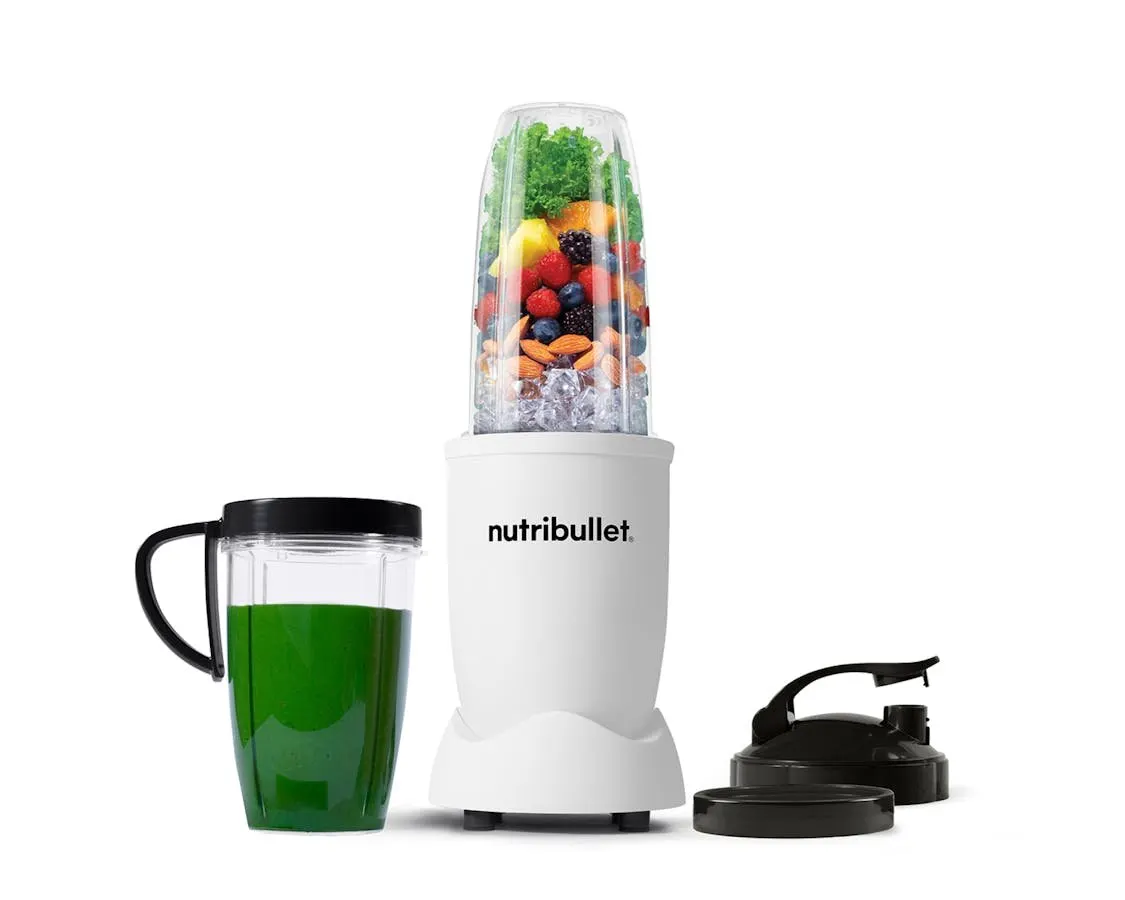
NutriBullet Pro 900W Compact Blender
A compact 900W blender for smoothies, sauces and cold soups in a van kitchen. It handles frozen fruit and greens with enough liquid, and the twist-on cups double as drinking containers.
For: Vacuum-sealing fridge and freezer food
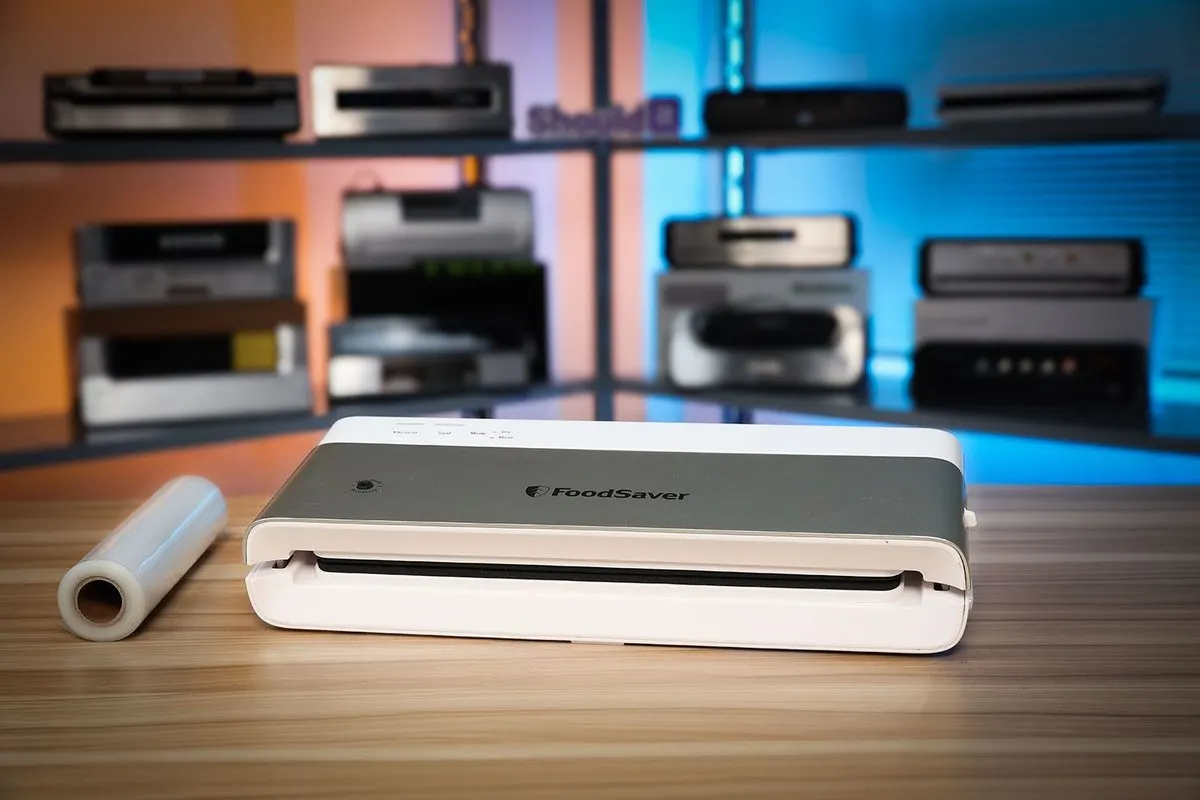
FoodSaver Compact Vacuum Sealer
A compact vacuum sealer with dry and moist settings that stores upright. It keeps cheese and dry goods fresh longer and helps prevent freezer burn, which makes freezer-zone meal prep practical in a van fridge. It runs on AC, so plan for inverter power.
For: Jerky, dried fruit, shore power
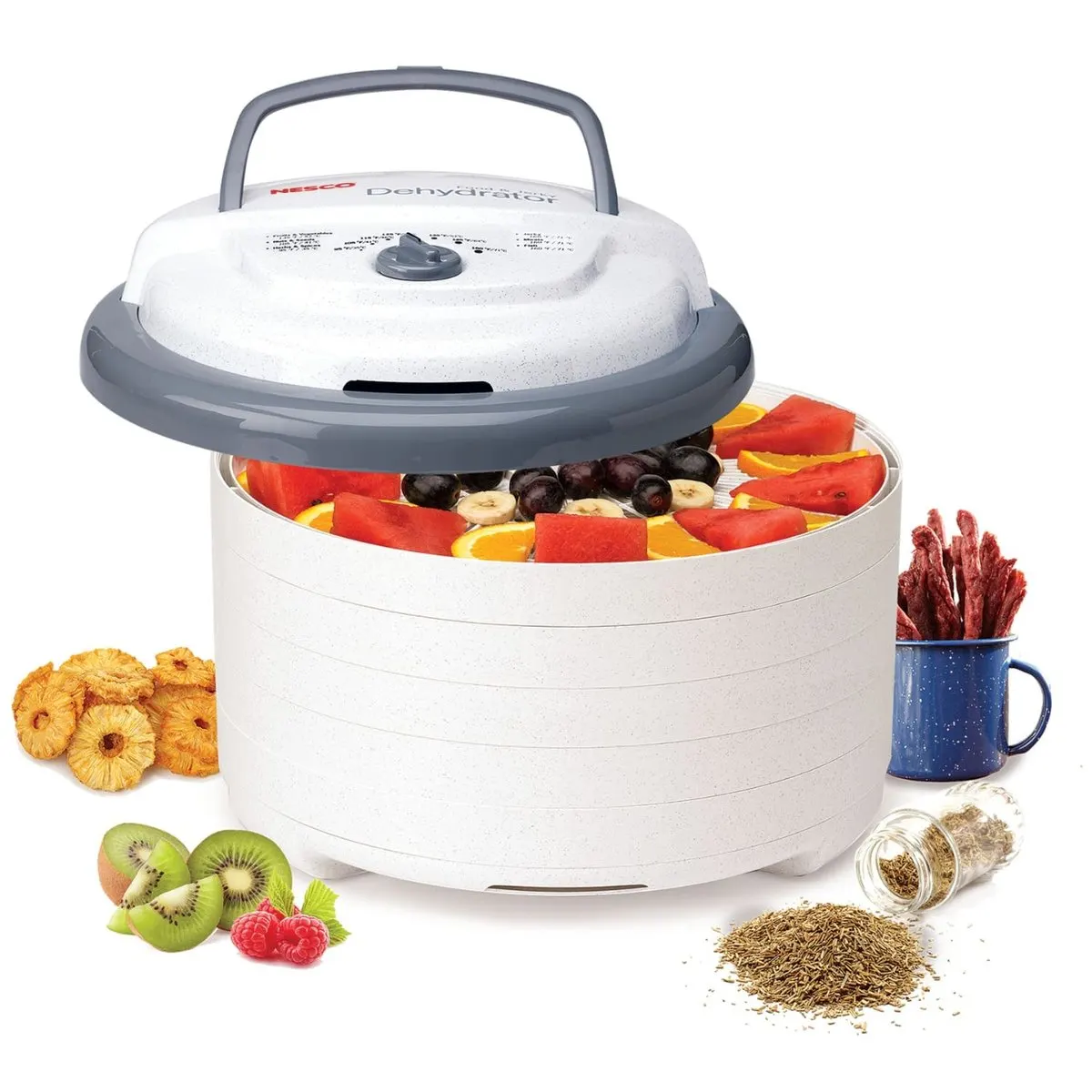
Nesco FD-75A Snackmaster Pro Food Dehydrator
A 5-tray food dehydrator for beef jerky, dried fruit, vegetable chips and herb blends, for less than buying them ready-made. It needs shore power or a large inverter for long drying cycles, and Nesco's current lineup lists the FD-75PR in its place.