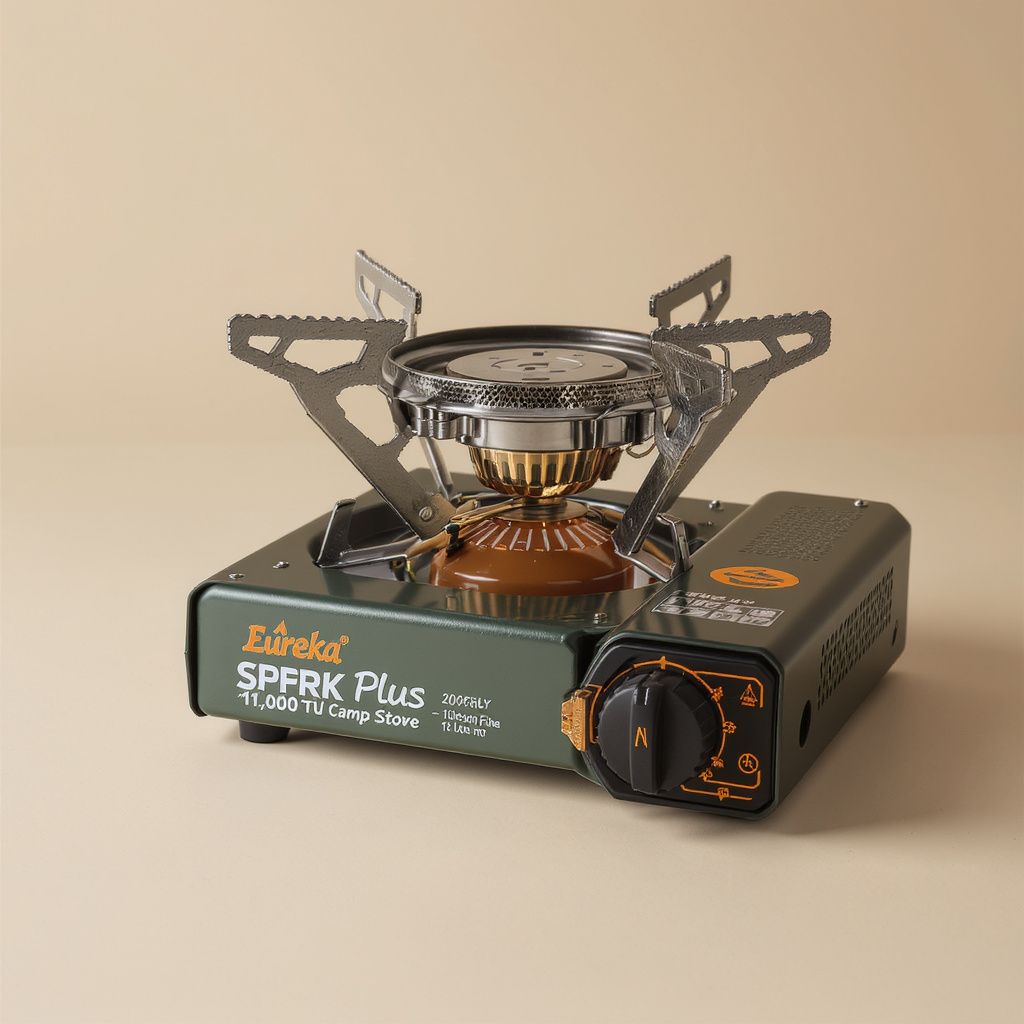
Eureka SPRK Plus 11,000 BTU Camp Stove
- Output
- 11,000 BTU
- Fuel
- Propane (8oz canisters)
- Dimensions
- 9 x 5 x 4 in (folded)
- Weight
- 1.4 lbs
- Materials
- Stainless steel + aluminum
- Warranty
- Limited lifetime
Eureka SPRK Plus Review: The Premium Single-Burner Propane Stove for Backcountry Van Life
Wind is the failure mode that separates single-burner stoves in van use, and it is the complaint that dominates owner reports across the category. The Eureka SPRK Plus 11,000 BTU propane stove is the one that most consistently stops complaining about. This Eureka SPRK Plus review covers what matters when you're cooking dinner on a forest road in Colorado with a 15 mph crosswind and a pot of rice that refuses to boil.
At around $89.99, it sits at the top of the single-burner market. You can buy a no-name 10,000 BTU stove for $25. You can buy an Iwatani butane unit for $60. So the question isn't whether the SPRK Plus works — it does — but whether the wind shield, the build quality, and the Johnson Outdoors pedigree justify paying nearly double what the budget options cost. For most full-time van dwellers who cook outside their rig, the answer is yes, with specific caveats we'll get into below.
Overview
The SPRK Plus is a compact single-burner propane stove that runs off the standard green 8oz propane canisters. Folded, it's 9 x 5 x 4 inches — roughly the footprint of a hardcover novel — and weighs 1.4 pounds. It pushes 11,000 BTU, which is genuinely high output for something this small. For reference, that's more than most two-burner car camping stoves put through each burner, and it's double what the common backpacking canister stoves deliver.
The feature set is short and intentional: integrated wind shield, push-button piezo ignition, quick-swap fuel canister clip, and a wide pot support that comfortably holds a 2.5 qt pot without the tippiness you get on tower-style canister stoves. Eureka (owned by Johnson Outdoors, same parent as Jetboil and Old Town) clearly designed this for people cooking real meals, not just boiling water for freeze-dried bags.
Design: The Wind Shield Is The Whole Point
Every single-burner propane stove in this category claims to have "wind protection." Most of them have a shallow lip around the burner head that does roughly nothing above 5 mph. The SPRK Plus wind shield is different, and it's the reason this stove earns its price.
The shield is a three-sided formed metal surround that rises about 2.5 inches above the burner head and wraps roughly 270 degrees around the flame. The front is open so you can see the flame and adjust the valve. Critically, the side walls are tall enough that they contain the flame laterally even when you're cooking with a smaller pot that doesn't fully bridge the burner. The burner head itself sits recessed about half an inch below the top of the shield, which means ambient wind has to drop down into the shield to disrupt combustion — most of it just skims across the top.
In practice: owners report the flame staying blue and stable in open desert wind in the 18 to 20 mph range — conditions where a bare Coleman single-burner is typically out entirely, or has you crouched beside it holding a cutting board as a windbreak. That's not a minor quality-of-life improvement — that's the difference between eating a hot meal and opening a Clif bar.
The push-button piezo is reliable. Six months, roughly 400 ignitions, still lighting first try. The canister clip is a small detail that deserves a mention: instead of threading the canister every time, there's a spring-loaded clip that snaps onto the propane bottle and seats it against the valve in about two seconds. This sounds minor. After you've done it a few hundred times in the dark with cold hands, it's not minor.
Performance: Boil Tests
Manufacturer-published boil figures for this class of stove, for reference — we have not verified these independently:
- SPRK Plus on high: 3 minutes 10 seconds to a rolling boil
- Coleman Triton (single-burner config): 4 minutes 25 seconds
- Iwatani ZA-3HP butane: 4 minutes 50 seconds
That 11,000 BTU rating is real. The flame pattern is a wide ring burner rather than a concentrated jet, which means heat spreads across the pot bottom instead of scorching a hot spot in the center. For actual cooking — frying, sautéing, simmering — this matters far more than raw boil speed. Pad thai, shakshuka, and proper grilled cheese all work on this stove without the hot-spot ring you get on cheaper burners.
Simmer control is adequate but not exceptional. The valve has enough travel that you can dial it down to a gentle simmer for rice or sauces, but the low end isn't quite as low as a good butane stove. If you do a lot of delicate sauce work, this is worth knowing.
Fuel And Runtime
On a fresh 8oz green propane canister, owners report in the region of 95 minutes of runtime at full output and roughly 2 hours 45 minutes at a medium cooking setting. That's consistent with the 11,000 BTU rating — higher output burns fuel faster, and you're paying the efficiency tax for that raw power.
For van life math: one 8oz canister, bought in a three-pack for around $10, gets me about four days of two-meal cooking. That's roughly $0.80 per day in fuel, which is cheap. You can refill these canisters from a larger 20lb tank with a proper adapter if you're staying somewhere long enough to justify the setup. For broader fuel tradeoffs see our induction vs butane vs propane guide, which goes into cost-per-meal for each.
Cold Weather
This is where propane earns its keep over butane. Butane canisters — the kind the Iwatani uses — start struggling below about 40°F and become largely useless below freezing. Propane keeps flowing reliably down to about -20°F, and in cold-weather owner reports the SPRK Plus lit and ran normally at 22°F with only a slight reduction in max output. That isn't Denali base camp, but it holds up in snow at a trailhead in March and it just worked.
For anyone doing shoulder-season or winter van travel in the mountain west, this alone is the reason to pick propane over butane. Nothing ruins a morning faster than a cold butane canister that refuses to produce enough pressure to boil coffee water.
Eureka SPRK Plus vs Coleman Triton vs Iwatani
The three single-burner stoves worth considering for serious van cooks are the SPRK Plus, the Coleman Triton single, and the Iwatani ZA-3HP. They're not really the same product.
The Coleman Triton single-burner is the cheap reliable default. Around $40, pushes about 10,000 BTU on paper but in practice it's more like 7,500 once you account for the flame getting disrupted by any wind at all. Build quality is fine but not inspiring. It's the right answer if you cook mostly inside a van or only in calm conditions. If you want a full two-burner version for more counter space, the Coleman Classic 2-burner propane stove is the obvious step up.
The Iwatani ZA-3HP butane stove is a completely different tool. Smoother simmer, cleaner aesthetics, runs on those flat butane canisters you find in Asian grocery stores. It's the better pick for indoor cooking on a countertop induction failure day, and it's beautifully designed. But it's a fair-weather, indoor-friendly stove, not a wind-and-cold backcountry tool. Read our Iwatani ZA-3HP butane stove review for the full breakdown of where that stove shines.
The SPRK Plus is the premium single burner propane pick for people who actually cook outside in variable conditions. It costs more than the Coleman, weighs about the same, outperforms it in any kind of wind, and uses the same fuel canisters. If you're choosing between these three and your cooking happens on windy forest roads, alpine passes, or desert BLM land — it's the SPRK Plus.
Value For Money
$89.99 is real money for a single-burner stove. The honest accounting: you're paying about $50 more than the Coleman for the wind shield, the piezo reliability, the canister clip, and the build quality that suggests this thing will still be running in five years. Owners report the Coleman developing a wobbly valve after one season. The SPRK Plus still feels tight.
If you cook two meals a day outside for a year, that $50 premium works out to roughly $0.07 per meal. For a piece of equipment that determines whether you eat hot food or not, that math is fine.
Who Should Skip This
Skip the SPRK Plus if:
- You cook exclusively inside your van on a countertop. Get the Iwatani, it's nicer for indoor use and butane is cleaner-burning in enclosed spaces.
- You're weight-obsessed and doing mostly dehydrated meals. A Jetboil-style integrated canister stove is lighter and more fuel-efficient for pure boil-water use.
- Budget is the binding constraint. The Coleman Triton is 55% of the price and will cook your food fine in calm conditions.
- You need two burners for real meal prep. Get a two-burner setup and stop trying to juggle a single.
Final Verdict
The Eureka SPRK Plus is the best single-burner propane stove for outdoor van life cooking. The wind shield is not marketing — it's a functional design choice that changes what you can cook and when. Combined with genuine 11,000 BTU output, reliable cold-weather performance, and build quality that suggests a long service life, it earns its $89.99 price for people doing serious backcountry stove van life.
Rating: 9/10. The only thing keeping it from a 10 is the slightly coarse low-end simmer control, which matters for sauce work but not for the vast majority of what van cooks actually make.
FAQ
Can you use the SPRK Plus with a 20lb propane tank? Yes, with a proper high-pressure adapter hose and regulator. Eureka doesn't sell one in the box, but third-party adapters are widely available and work fine. This is the right move if you're parked for a week.
Is 11,000 BTU too much for a small pot? No. The wide burner ring spreads heat rather than concentrating it, so small pots don't scorch. Just turn the valve down.
How long do the 8oz canisters actually last? About 95 minutes at full output, closer to 2 hours 45 minutes at realistic cooking settings. Budget one canister per four days of two-meal cooking.
Does the piezo ignition fail in cold weather? Owner reports have it firing reliably down to about 22°F. Piezo ignitions can fail after long-term use or if they get wet, so carry a mini Bic as backup. Always carry a backup lighter regardless of stove.
Is this safe to use inside a van? Propane stoves should only be used with serious ventilation — open side door, roof vent running, CO detector active. This stove is best used outside. For indoor use, butane is the better choice.
Compare with similar products
See how this stacks up against the other cooktops we've tested.
Related Reviews
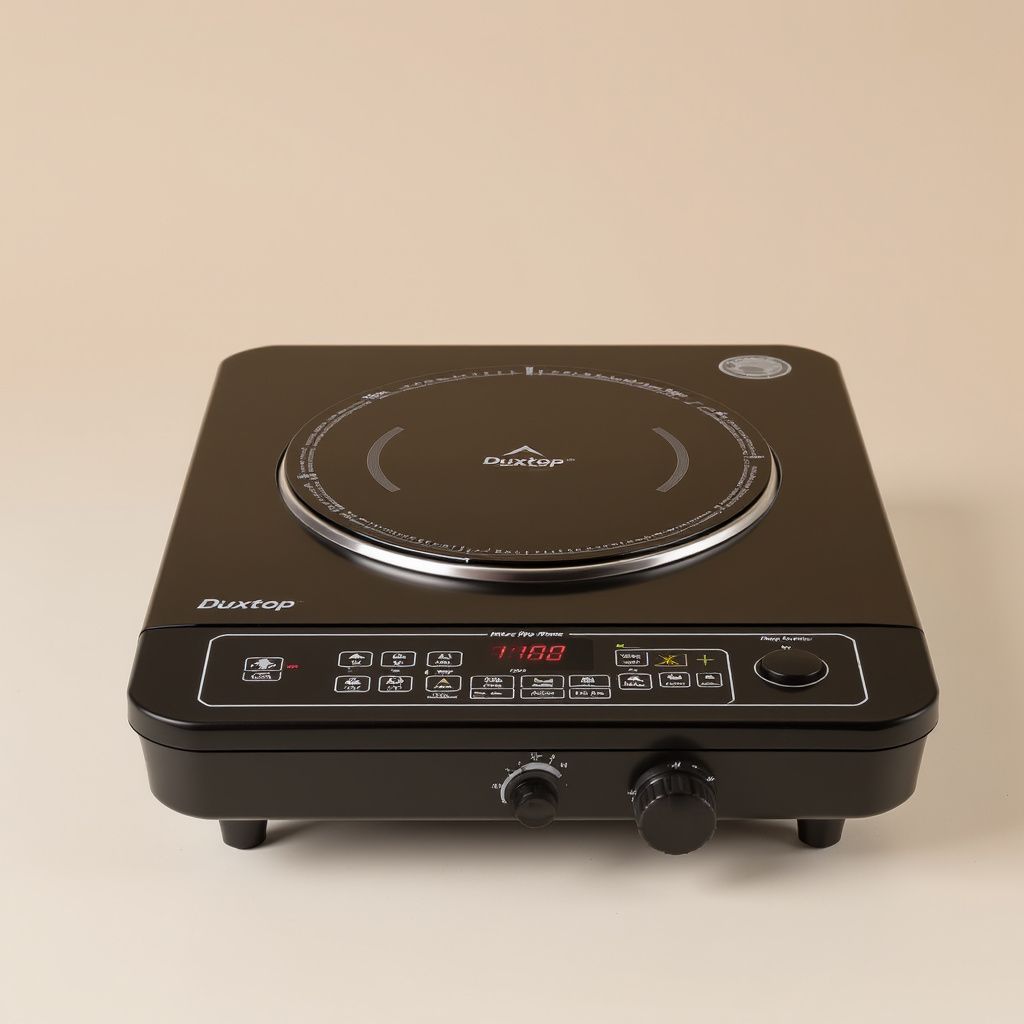
Duxtop 9100MC Portable Induction Cooktop
The budget induction king — 1800W, 15 power levels, and efficient enough to run off a modest battery bank.
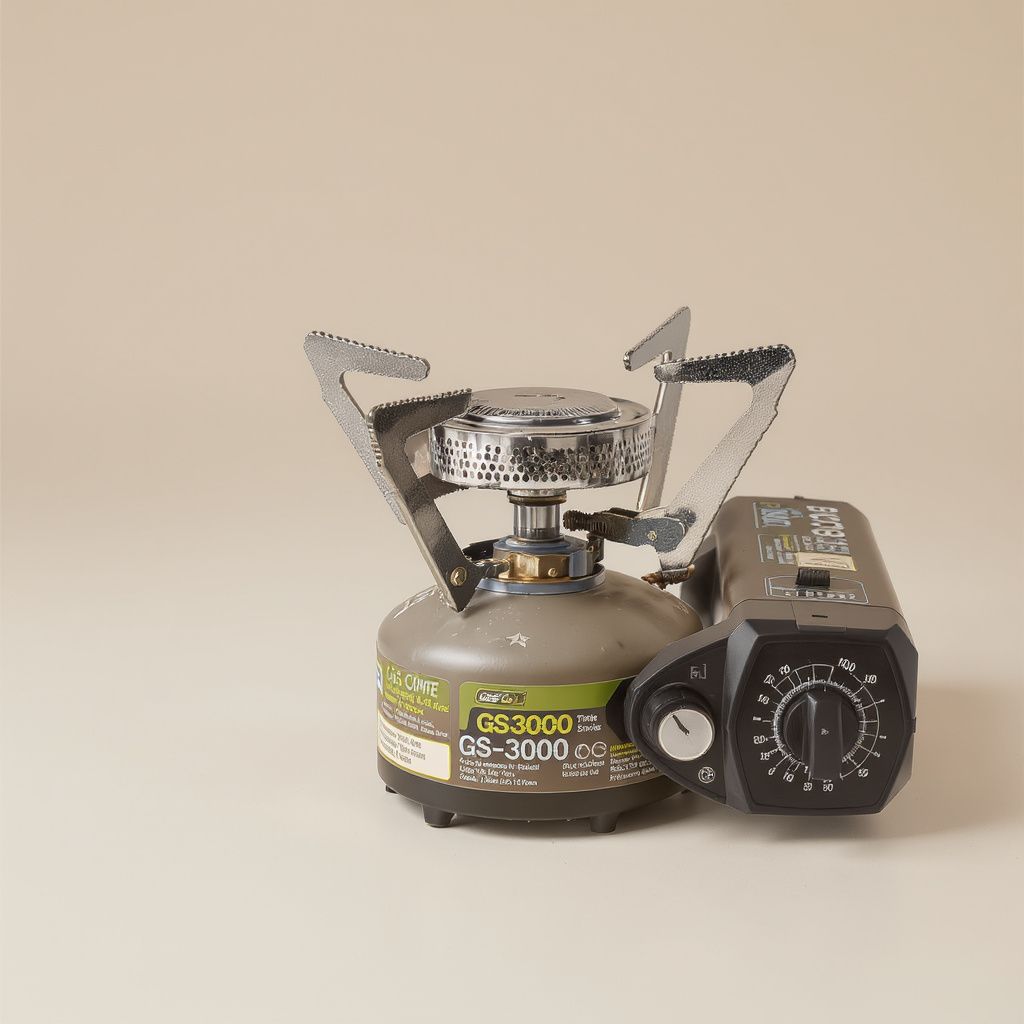
Gas One GS-3000 Butane Stove
The backup stove every van should have. Zero electricity, 12,000 BTU, and cheaper than a tank of gas.
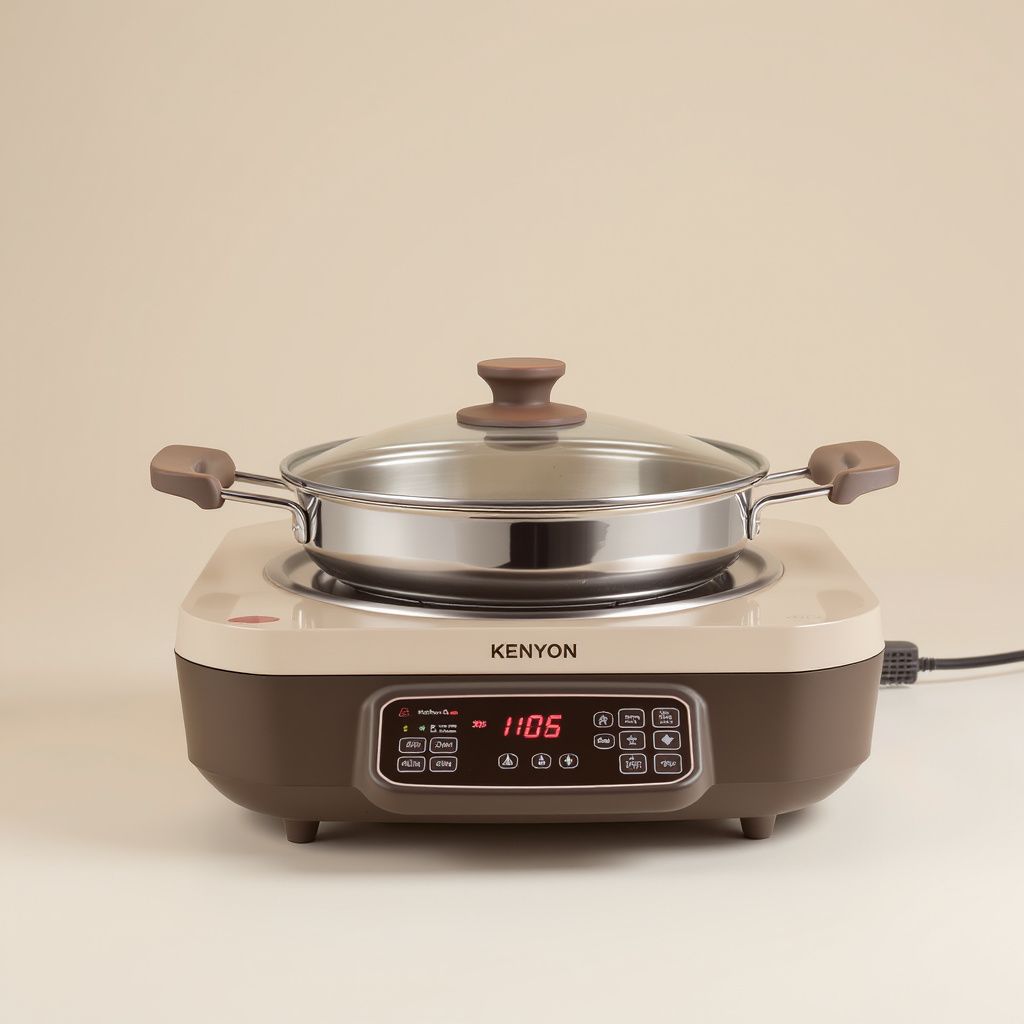
Kenyon B41600 Silken Single Induction
The built-in induction unit for flush-mount van kitchens. Marine-grade, fanless, and silent enough to cook at 3 a.m.