Off-Grid Chef
Disclosure: As an Amazon Associate I earn from qualifying purchases. Links to Amazon on this page are affiliate links: if you buy through one, VanLifeKitchens.com may earn a commission at no extra cost to you. Read our affiliate disclosure.
The build philosophy
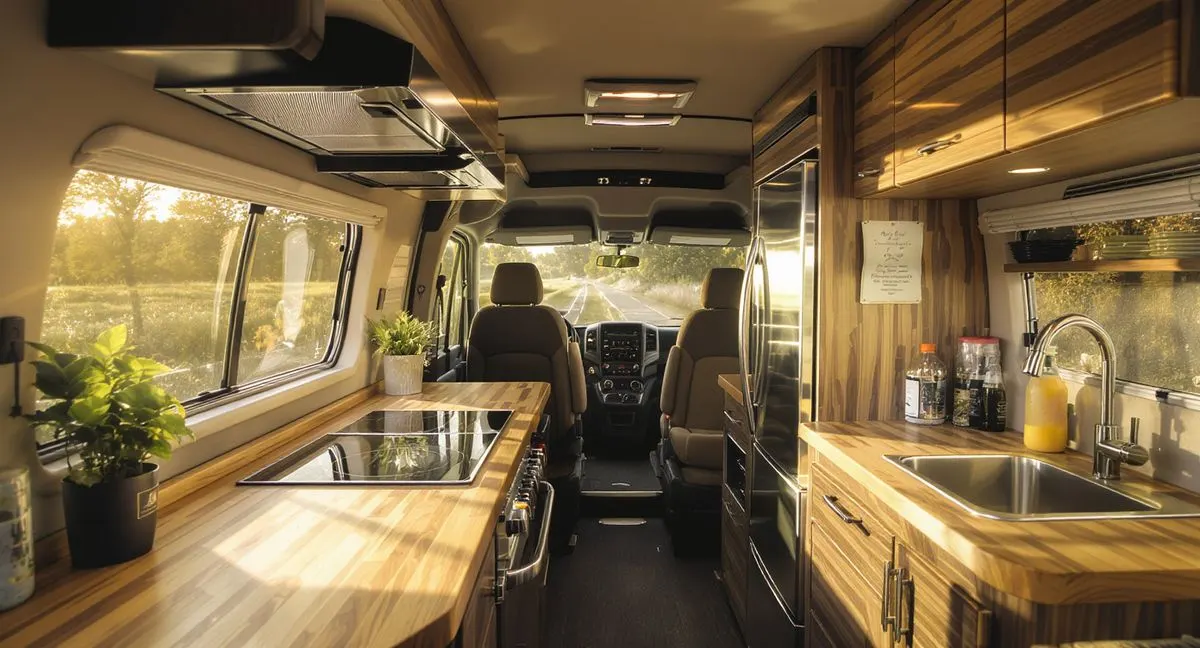
The Off-Grid Chef is an example Promaster 136 build designed around cooking. Picture the cook it is planned for as a professional line cook turned remote worker: the entire build prioritizes kitchen capability over everything else — bigger fridge, more counter, proper ventilation, and enough electrical system to run induction most days in most climates. It is a design template assembled from manufacturer specs and common owner practice, not a van we have built or lived in.
If you cook seriously and you're willing to sacrifice sleeping space, storage, or aesthetic minimalism for a real kitchen, this is the template. It's a premium build and it's not cheap — but the money goes into components you use every day.
The kitchen zone
The galley runs 84 inches along the driver-side wall. From front to rear:
- Full-height pantry cabinet (20" wide, 20" deep) with latching doors and internal dividers
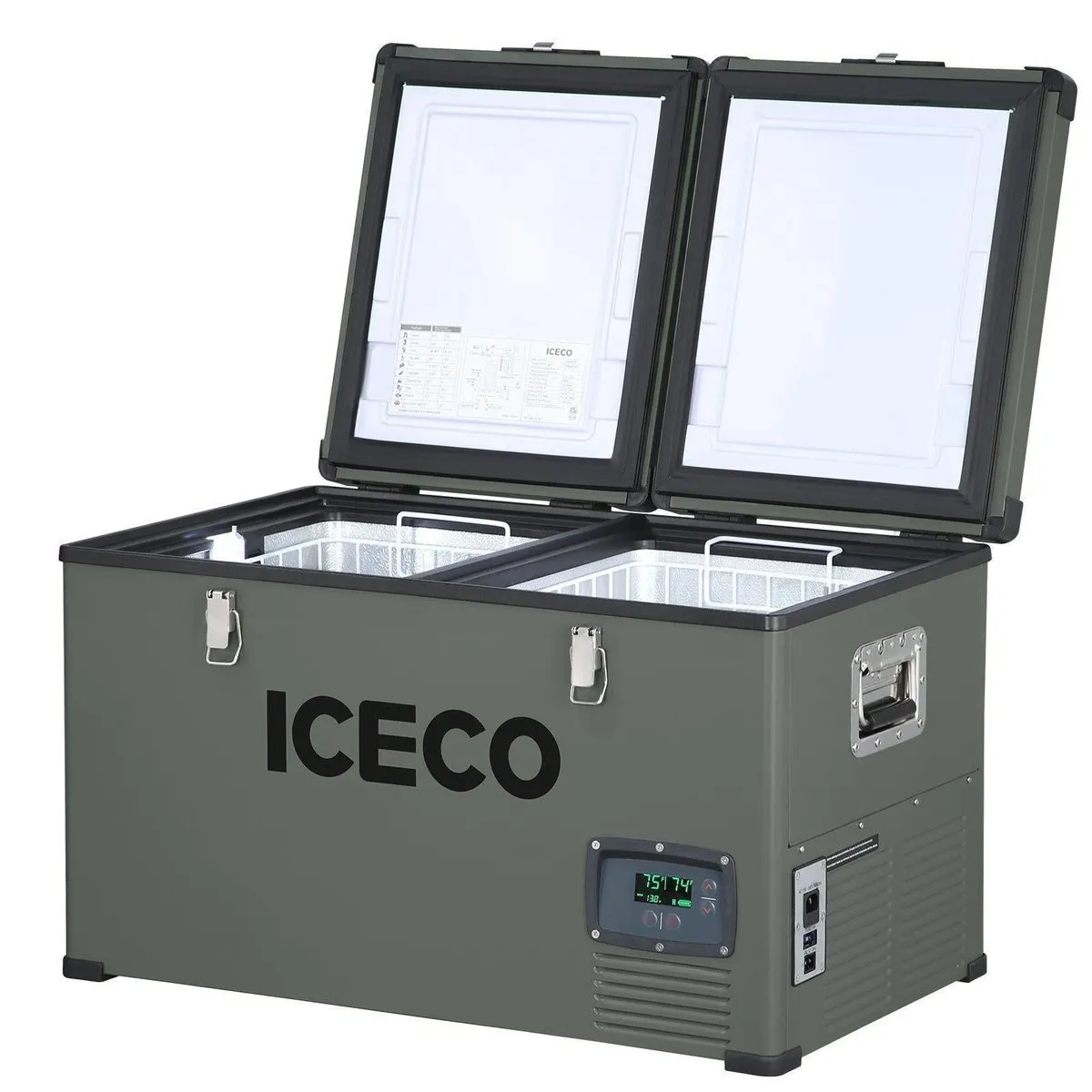
- Iceco VL60 dual-zone fridge/freezer on a heavy-duty fridge slide (it weighs 64 lbs empty, so the slide has to be rated for it)
- 30 inches of butcher-block countertop with a 3-inch lip at the front to prevent items from sliding
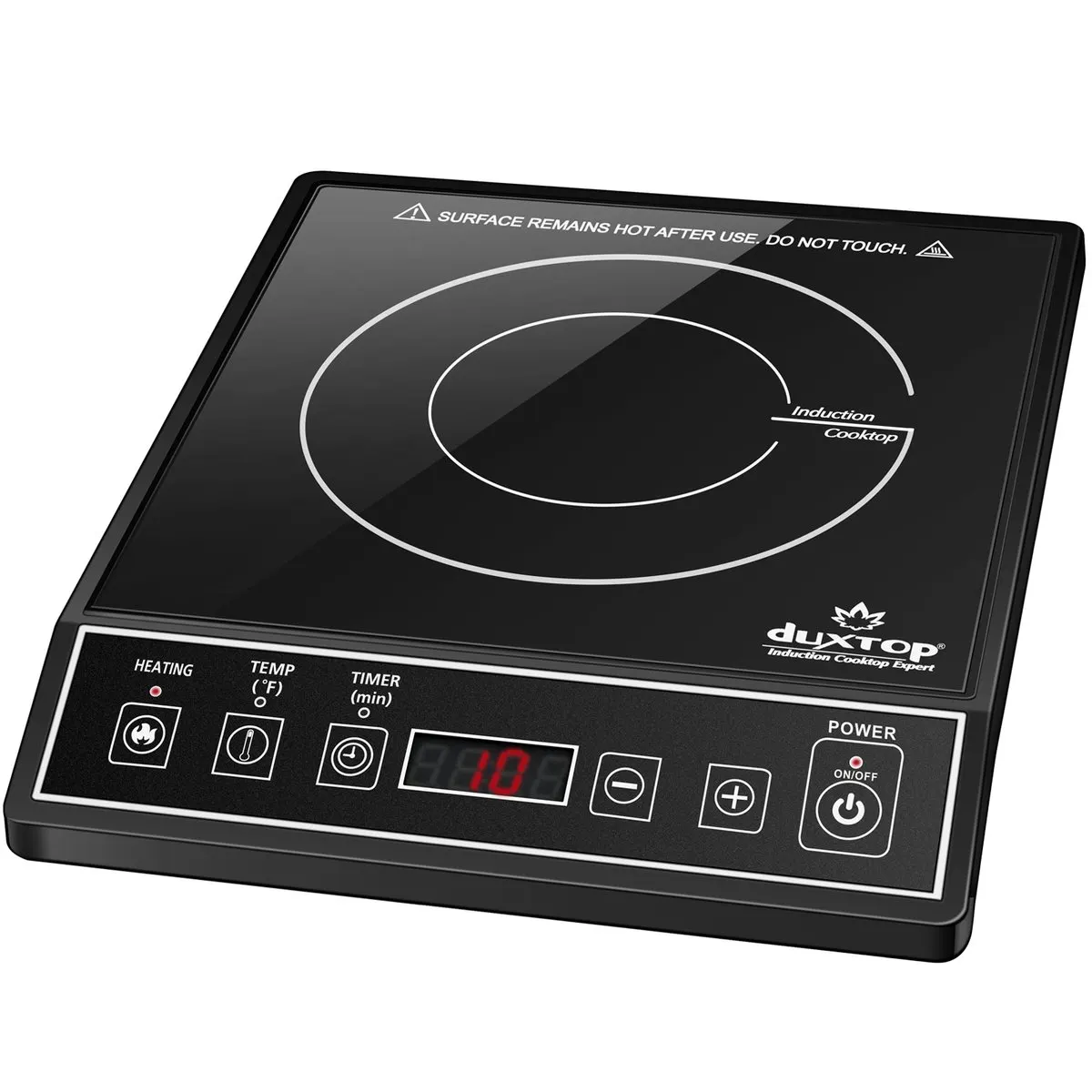
- Two Duxtop 9100MC portable induction burners side by side in a shallow recess in the counter. "Two-burner induction" in this build means two separate single-burner units, each on its own inverter outlet, not one two-zone cooktop
- 15 x 15 bar sink with gooseneck faucet at the rear end, over a 25-gallon grey tank
- Upper cabinet above the sink and stove only, not across the counter middle (headroom for tall pots)
A dedicated 300 CFM rangehood vents through the roof above the cooktop, wired to a momentary switch. The counter is finished with mineral oil, not polyurethane — easier to refinish when it gets scorched.
The gear list
- Iceco VL60 dual-zone fridge/freezer
- Duxtop 9100MC induction burner (x2, one per burner position)
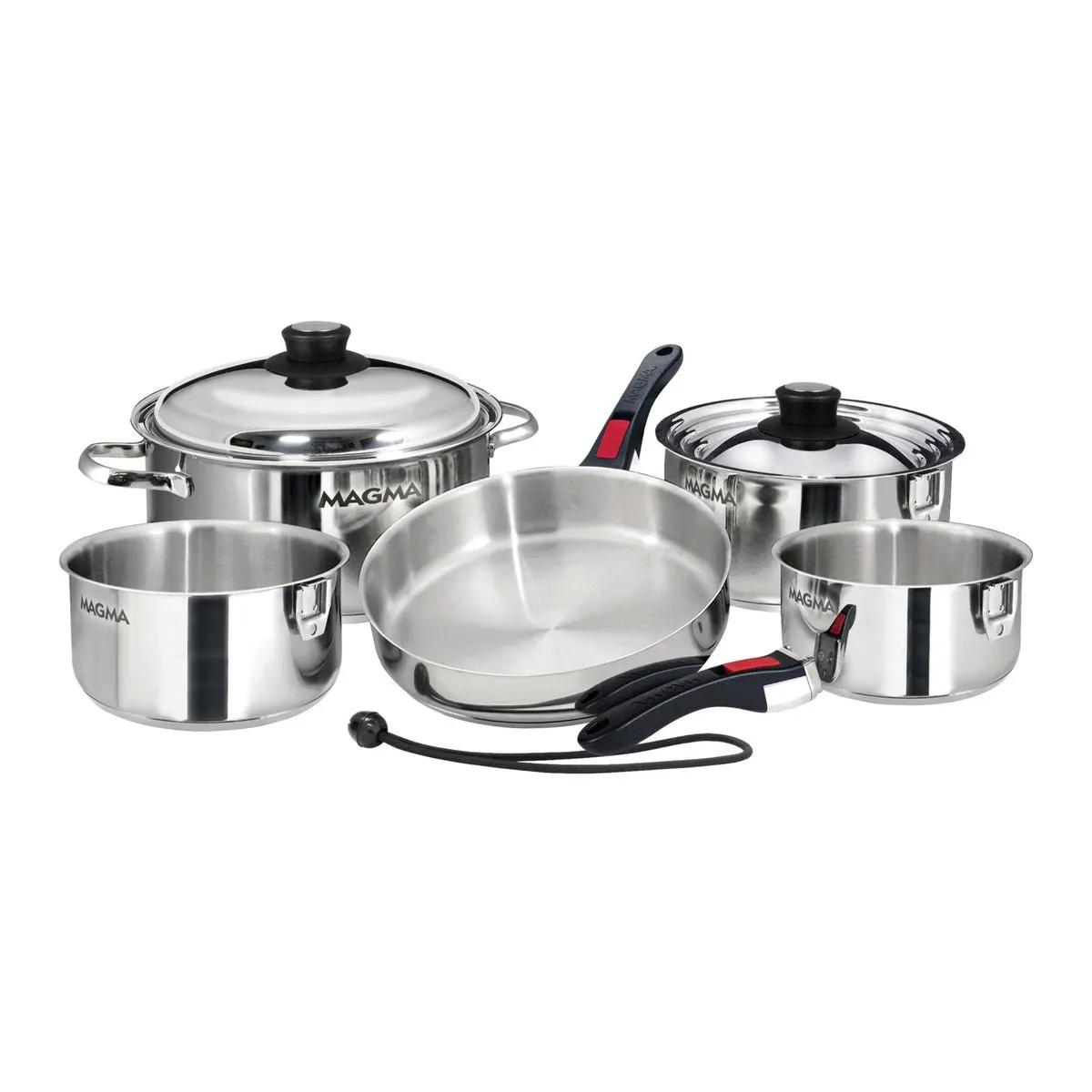
- Magma Nesting 10-piece cookware
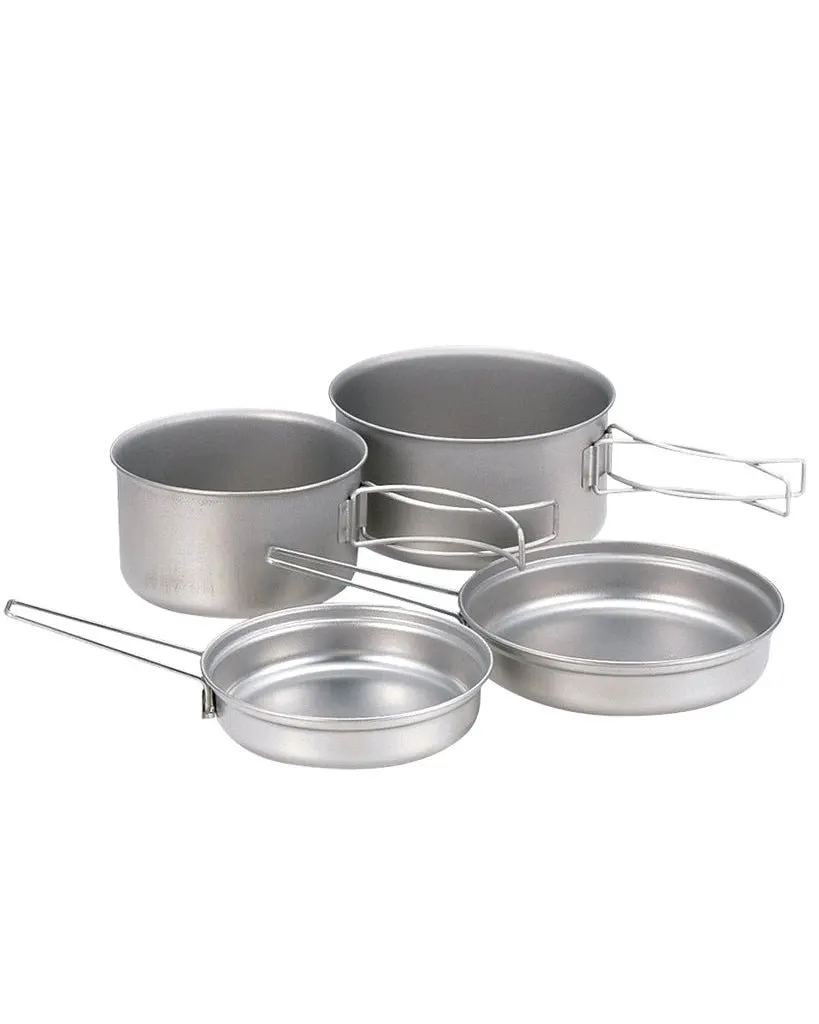
- Snow Peak titanium cookset (overflow for outdoor cooking)
- LifeStraw Home Gravity Pitcher
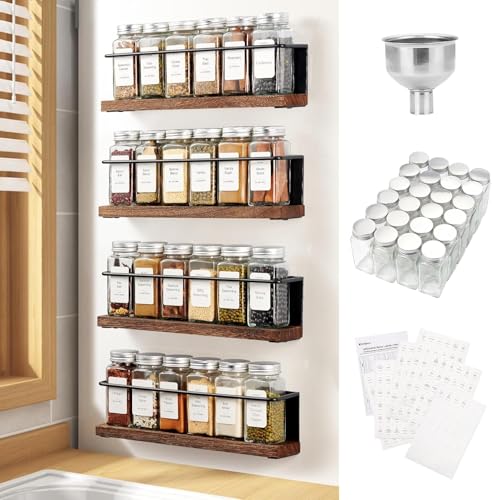
- KitHero magnetic spice rack with 24 jars, on a steel plate screwed to the galley wall (plate not included), with a strap across the shelves for driving
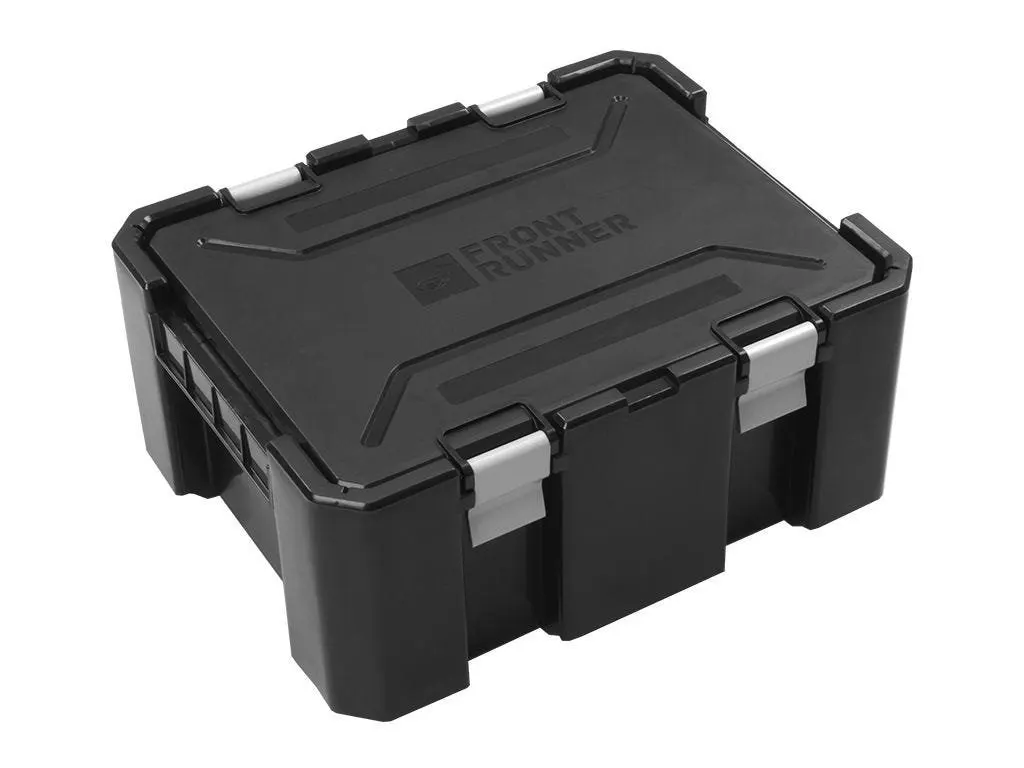
- Front Runner Wolf Pack Pro storage bins (x3 for dry goods)
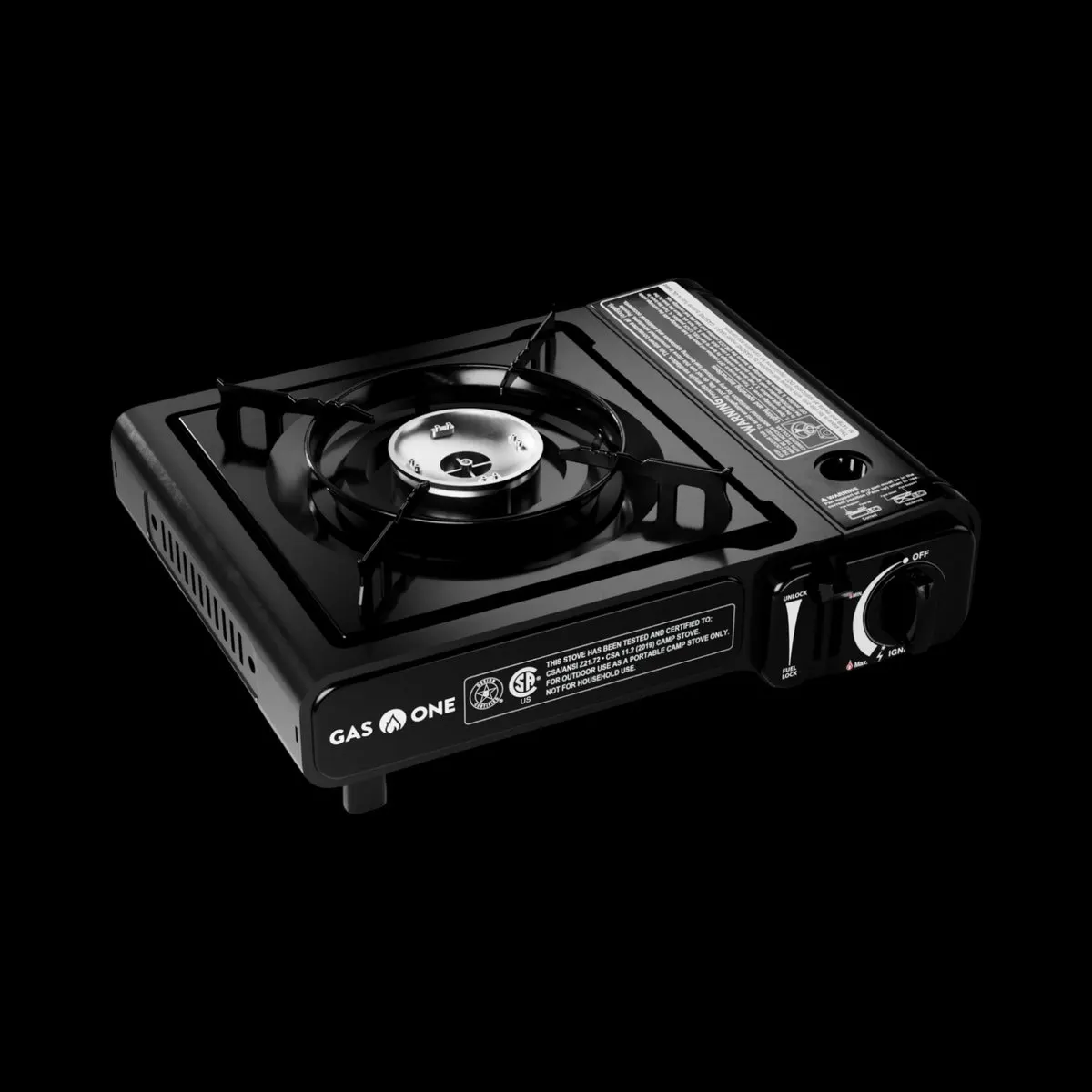
- Gas One GS-1000G butane backup
- 300 CFM range hood + roof vent
The fridge and the cookware are where most of the budget goes. Check current prices on Amazon, since they move often.
Electrical setup
Induction cooking for two people, full-time, means big electrical. This build runs:
- 460 Ah Battle Born LiFePO4 bank (2x 230 Ah, self-heating)
- 3000W Victron Multiplus pure sine inverter/charger
- 800W rooftop solar (4x 200W panels)
- 60A Victron Orion DC-DC charger from alternator
Estimated daily kitchen-and-cabin draw runs roughly 155–195 Ah in heavy cooking mode and 105–125 Ah on light days (estimates built up in the electrical math section below, at 12V nominal). The 460 Ah bank gives 2+ days of full autonomy, and the 800W solar replenishes it by early afternoon in good sun. In winter, the DC-DC charger does most of the work on driving days.
The electrical system is the most expensive part of the whole van, well beyond the kitchen gear itself. It supports the rest of the van too (heat, Starlink, lights, fans), so it isn't counted as kitchen gear here.
At these currents (a 3000W inverter can pull well over 250 A from a 12V bank), cable sizing, fusing, battery mounting and the inverter-charger's shore-power connection matter for safety. Follow Battle Born's and Victron's installation manuals, and have the system installed or checked by a qualified electrical installer where your insurer or local rules require it. The numbers in this article describe the design, not a code-compliant wiring plan.
Water system
A 30-gallon fresh tank sits under the passenger seat, insulated and heated by cabin air. A 25-gallon grey tank sits under the galley, with a dump valve accessed through the rear door. A Shurflo 4008 diaphragm pump with a 1-gallon accumulator delivers pressurized water to the sink at household-feeling pressure.
Pre-tank: 5-micron sediment filter on the fill hose. Post-pump: inline carbon block filter before the faucet. Separate LifeStraw Home Gravity Pitcher on the counter for drinking water. LifeStraw designs it for tap water and lists tests to NSF/ANSI 42 and 53, NSF 401, NSF P473 (PFOA/PFOS) and NSF P231 (bacteria and parasites); it does not claim to remove viruses. It is a practical replacement now that genuine Black Berkey elements have been scarce since EPA stop-sale orders that began in late 2022. None of these filters turns an untreated lake or stream into safe drinking water on its own; fill from treated sources, and boil or use a virus-rated purifier when you can't.
Restock cadence: the fresh tank is planned to last about 5 days for two people, assuming roughly 6 gallons a day for drinking, cooking, dishes and washing up (no showers). Grey tank dumped at campground stations or RV parks.
What makes this build work
Three things separate this from typical Promaster conversions:
-
Real prep counter. 30 inches of butcher block, uninterrupted, at 34 inches high. It's the single most important feature. Cabinets above the counter middle were intentionally omitted to keep headroom for a Dutch oven and tall pots.
-
Dual-zone refrigeration. The Iceco VL60 has two compartments with separate lids and separate setpoints, so the owner gets a real freezer next to the fridge — for ice, for long-storage proteins, for frozen vegetables that don't require a grocery stop every three days. It runs a Secop compressor in a steel cabinet, and it's priced as a premium fridge. The trade-offs: it is large (31.2 x 19.5 x 18.9 inches), heavy, and ICECO lists a 0°F freezer floor, so ice cream will not stay rock-hard.
-
Real ventilation. A proper rangehood that vents to outside air. Induction cooking generates steam and food odors that need to leave the van. An inexpensive rangehood makes the difference between a kitchen that feels like a kitchen and one that feels like a converted cargo bay.
Who should copy this build
This is the right build if you cook daily, you have a premium-level total van budget, and the kitchen is the reason you're building the van. It is not the right build for weekenders, for couples on budget, or for people who eat out six nights a week. If you want indoor induction without a built-in galley, the example two-person induction kitchen plan is the portable, single-burner version, with the battery and inverter arithmetic to size your own system.
A typical cooking day
A working line cook's daily rhythm does not stop because the kitchen now has wheels. The Off-Grid Chef build was designed around a schedule that looks roughly like this.
7:00 AM — Coffee and prep. Grind beans for pour-over, boil water on the first Duxtop while the second heats a small pan for eggs. Two burners running simultaneously is the single biggest reason this build is not a one-burner minimalist setup — coffee and breakfast happen in parallel, not in sequence. Total time from waking to breakfast on the counter: under ten minutes.
10:30 AM — Prep for dinner. Remote work fills the day, but prep happens in small pockets. Dice onions and carrots for a braise, sear off a chuck roast on the cast iron, brown some pancetta, then the Dutch oven goes into the oven (portable convection oven on a cabinet shelf, 275°F, three hours). The rangehood pulls the smell straight out through the roof rather than letting it live in the mattress for the next week. Owners of vans without one often say the lingering garlic smell at bedtime is what convinced them to add a hood.
1:00 PM — Lunch, fast. A big salad, or leftovers from the night before, or a grain bowl from pre-cooked components in the fridge. Lunch in this build is rarely cooked from scratch — the prep work happens in morning and evening blocks, and lunch is assembly. The 30 inches of butcher block is the MVP here: enough space to spread out four components, chop something fresh, and plate without moving the laptop off the dinette table.
6:00 PM — Dinner. The reason the van exists. Two burners running, the oven finishing the braise, the sink full of prep dishes getting washed in small batches as the cooking progresses. The build is designed for dinners of three or four components — a protein, a starch, a green, a sauce — that need two burners at once. Induction makes the timing work: power levels respond instantly, simmer stays at simmer, and no burner is wasted on "medium-low while I figure out what to do with the pasta water."
8:00 PM — Cleanup. Two zones: hot soapy water in the sink for pots, the drying rack for plates and cookware. The 25-gallon grey tank absorbs dinner's dishes without needing an empty. The butcher-block gets wiped with warm water and mineral oil touched up once a month. Counter is clear, Snow Peak titanium goes back in its bag, the rangehood gets a final ten-second run to clear residual steam, and the kitchen is reset for the next morning before bed.
The electrical math, spelled out
Two-burner induction cooking for two people is not a gentle draw. At full tilt, the two Duxtop units are rated at 1800W each — 3600W total, which is more than the 3000W Multiplus can supply, so the two never both run at power level 10 at the same time. That peak is still the reason this build has a 3000W inverter and a 460 Ah bank instead of a 2000W inverter and 200 Ah. But the average draw is much lower. A typical dinner session runs one burner at high and one at medium-low: maybe 2200W average, for 30 minutes of active cook time. That works out to roughly 90 Ah per dinner.
Add breakfast (one burner, 15 minutes, 15 Ah), lunch assembly (zero cooking Ah beyond the fridge), the dual-zone fridge running 24/7 (about 45 Ah with both zones running, planning around the 0.545 kWh/day figure on ICECO's Amazon listing rather than the manual's lower 0.416 kWh lab figure), lights and Starlink and laptops (25 Ah), and you land at a daily kitchen-and-cabin draw of about 175 Ah on a heavy cooking day. The 460 Ah bank at 80% DoD gives 368 Ah of usable capacity — two days of full autonomy even with zero solar input, three days with careful conservation.
With 800W of solar panels on the roof, summer harvest in the American Southwest and Rockies is 3.5–4 kWh per day, which is 290–330 Ah at 12V. That replaces the entire daily kitchen draw with margin left over for shore-free weeks. In winter, solar drops to 25–35% of summer and daylight shortens to nine hours. The DC-DC charger from the alternator — 60A for up to an hour of driving per day — fills the gap on travel days. On stationary winter days, the bank slowly drains and a shore plug-in every four to six days tops it back up.
The lesson: a two-burner induction setup is absolutely achievable off-grid, but only if you size the electrical system for the peak, not the average. A 200 Ah / 2000W / 400W-solar system will not do this build. 460 Ah / 3000W / 800W solar is the floor.
Why the butcher block counter matters
The 30 inches of uninterrupted butcher block is the feature every other feature exists to protect. Cooks know immediately why: you cannot prep four components for a dinner on a 12-inch square. You cannot rest a hot cast iron off the burner unless there is somewhere for it to go. You cannot have a cutting board, a stack of prepped vegetables, a mise en place of spices, and a drying towel all visible at once unless you have counter space. The minimalist Sprinter build works because it accepts a single-pan, single-component workflow. The Off-Grid Chef build works because it refuses to.
Butcher block was chosen over stainless, epoxy, or laminate for three reasons. First, it is warm to the touch and absorbs some vibration — dishes do not clatter against it the way they do on steel. Second, minor scorches and knife marks sand out with a palm sander and a coat of mineral oil, which is a five-minute fix at a campsite; a damaged epoxy counter is a pull-the-whole-thing-out replacement. Third, it looks less like a commercial kitchen and more like a home kitchen, which matters when the kitchen is also the living room.
The finish is pure mineral oil, reapplied every four to six weeks. Not polyurethane, not Waterlox, not beeswax blend. Mineral oil because it is food-safe, because it reapplies in three minutes with a rag, and because it will never delaminate or peel the way a film finish can on a surface that flexes with vehicle motion.
The ventilation question
Most van kitchen guides skip ventilation entirely or hand-wave it with "open a window." Open windows are not enough for two induction burners running 40 minutes of active cooking, producing steam, oil aerosols, and food aromatics in an enclosed cabin. (They are also not an answer for flame stoves: portable butane and propane camp stoves are labelled by their makers for outdoor use, which is why this build's butane backup is used outside.)
This is general cooking ventilation, not combustion ventilation. Induction produces no carbon monoxide, so the hood here is about steam, grease, odour and heat. A van with any fuel-burning appliance, such as a diesel heater, still needs a CO alarm.
The 300 CFM rangehood in this build vents through a 4-inch stainless duct straight up through the roof, with an aluminum backdraft damper to prevent rain and cold air intrusion when it is not running. It is wired to a momentary switch mounted under the upper cabinet above the sink. The parts — hood, duct, damper, roof fitting, switch — are inexpensive, and the install takes about half a day.
The payoff is a van that does not smell like dinner in the morning. Anyone who has tried to sleep on a mattress six feet from where they pan-seared salmon four hours earlier knows why this matters. A proper rangehood is not luxury; in a full-time cooking build, it is basic hygiene.
What breaks at this ambition level
Every ambitious build has failure modes the minimalist builds avoid by virtue of not having that part in the first place. The Off-Grid Chef's vulnerabilities are:
- The induction burners are glass-topped. A dropped cast iron pan will crack one. The upside of portable Duxtop units is that a replacement is inexpensive and plugs straight in, so a spare is cheap insurance. Mitigation: the lip on the front of the butcher-block counter prevents pans from sliding off, and cast iron gets lowered onto the glass, not dropped.
- The grey tank. A plumbed 25-gallon grey tank needs a dump valve, a vent, and regular rinsing to avoid becoming a permanent source of smell. Mitigation: dump every three days whether it needs it or not, and flush with hot water plus a tablespoon of baking soda weekly.
- The electrical system is the budget. The batteries, inverter, and solar are the single biggest expense in the van. If induction or the battery bank fails on the road, the backup plan is the Gas One GS-1000G butane stove at the bottom of the gear list, used outside on a folding table beside the van (it is an outdoor appliance, not something to set on the indoor counter), and a shore plug-in at the next campground.
For the cook who understands all three and builds them in from day one, the Off-Grid Chef does what no other build on this site does: it makes daily cooking in a van feel like cooking in a house.
See the van kitchen layouts guide for the principles behind the zone placement, and the van kitchen power budget guide for the electrical math.
Products in this example build
Disclosure: As an Amazon Associate I earn from qualifying purchases. Links to Amazon on this page are affiliate links: if you buy through one, VanLifeKitchens.com may earn a commission at no extra cost to you. Read our affiliate disclosure.

The Gear List

For: Main prep board, one counter
John Boos R-Board Edge-Grain Maple Cutting Board 18x12
A 1.5-inch, reversible edge-grain hard maple board sized for a van galley. John Boos has made boards in the USA since 1887; the maple is gentler on knife edges than bamboo, can be sanded smooth when scarred, and the 18x12 size suits a single-counter van kitchen. It is heavy and needs monthly oiling.
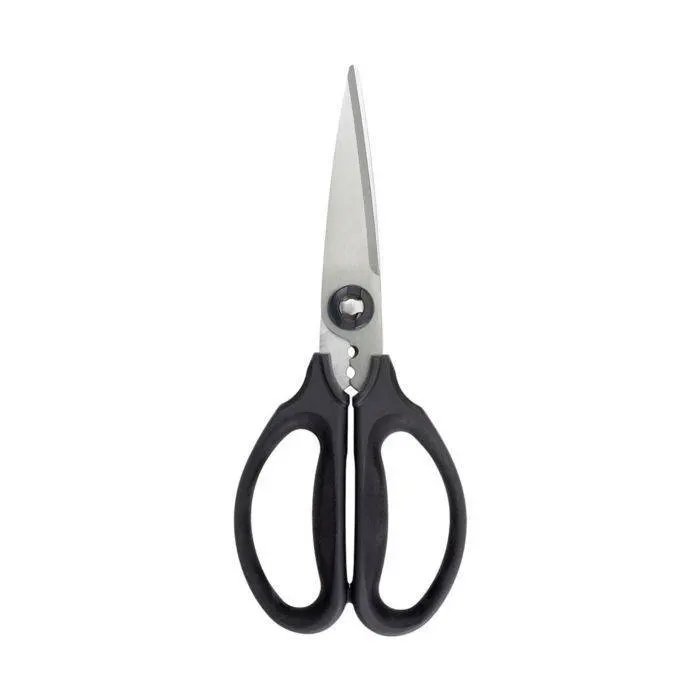
For: Herbs, packaging, light poultry
OXO Good Grips Multi-Purpose Kitchen Shears and Herb Scissors
The inexpensive kitchen tool that quietly does three jobs a knife would do badly in a cramped van galley — snipping herbs directly into a pot, spatchcocking a chicken, and opening stubborn clamshell packages without pulling out a blade. OXO's soft cushioned handles make these usable one-handed, and the take-apart design means you can actually clean them.
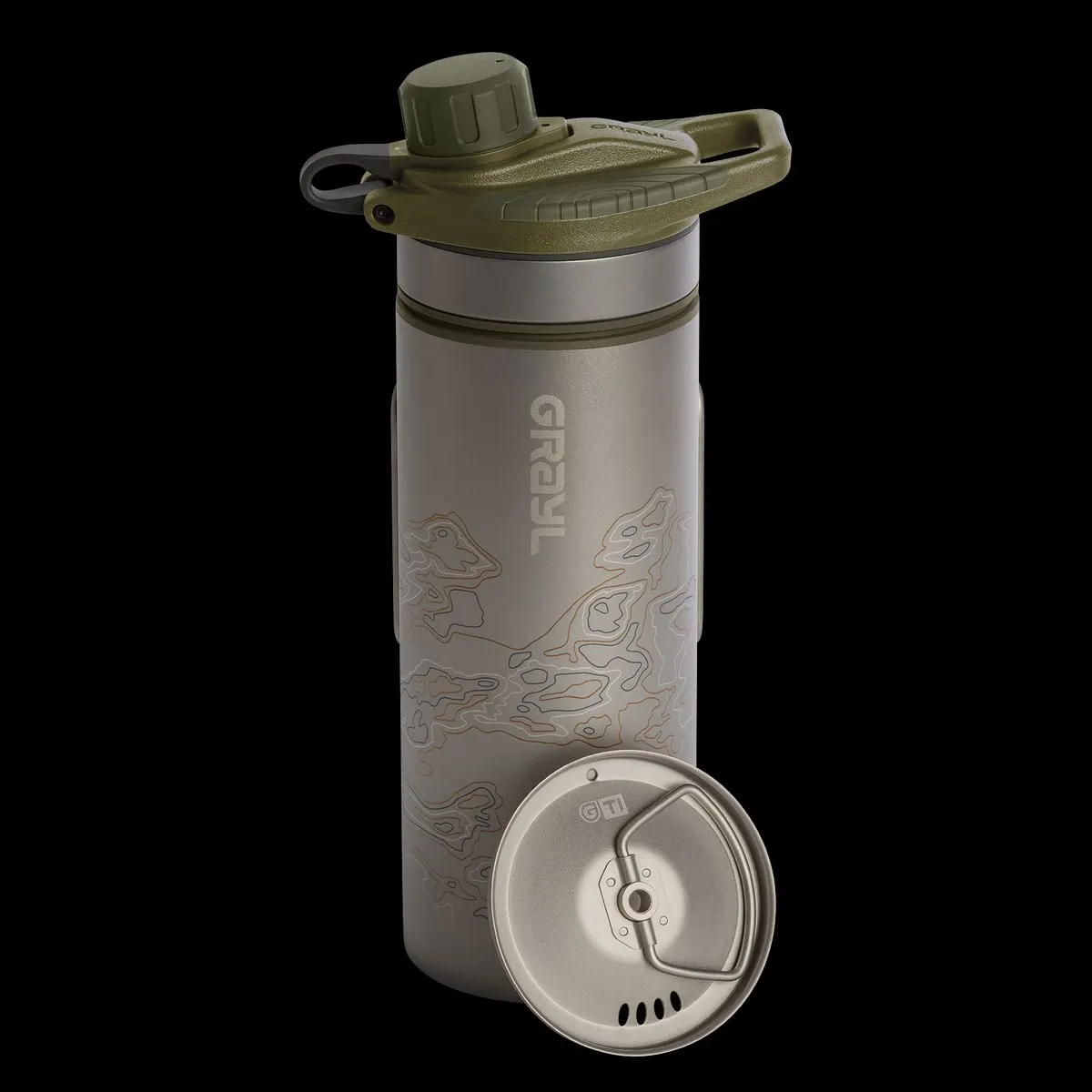
For: Travel and untreated water
Grayl GeoPress 24oz Water Purifier Bottle
A bottle-style purifier that Grayl rates to remove viruses, bacteria and protozoa and to reduce many chemicals, heavy metals and microplastics, in one eight-second press with no pumping, power or tablets. It is the only portable purifier on this site with published virus-removal figures and a named EPA test protocol, which matters for international travel and sources downstream of people or livestock. It is for fresh water only (not salty or brackish), and the cartridge must be replaced on schedule.