Winter Van Kitchen Essentials: Gear Guide for Sub-Freezing Cooking (2026)
The gear that keeps a van kitchen functional when temperatures drop below freezing — cold-rated butane, insulated cookware, freeze-proof water systems, and the backup heat sources that actually work.
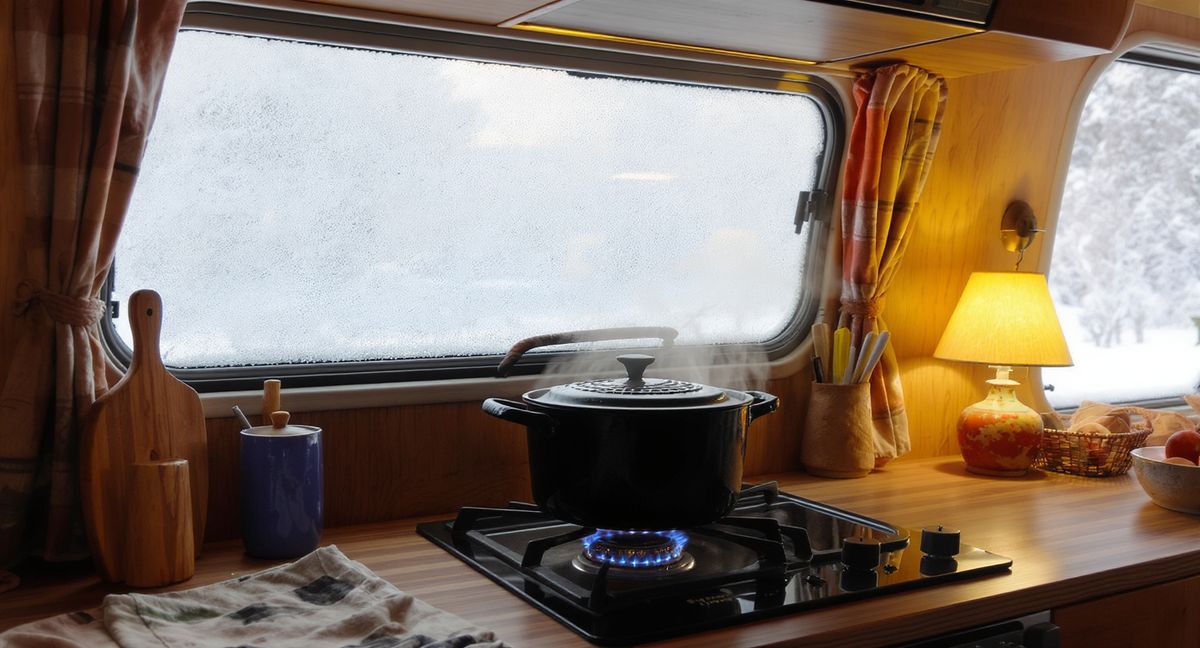
The gear that keeps a van kitchen alive in freezing weather
Winter van cooking is the test that separates real full-time van dwellers from fair-weather enthusiasts. Everything that works in summer falls apart in winter: butane cartridges sputter, water lines freeze, solar output drops 70%, induction cooking starts draining the bank faster than daylight can replenish it, and the cabin temperature stays at 45°F if you're not cooking actively.
This year-stamped gear guide covers the specific equipment decisions that keep a van kitchen functional when temperatures drop below freezing. If you live in the US northern tier from October through April, or if your travel patterns bring you to mountain winters, high desert cold snaps, or Canada at any time, this is the gear list you need. The cold weather van cooking guide covers the operational strategy; this post covers the specific products.
The core problem: every cooking method has a winter failure mode
Summer van cooking works because every method — induction, butane, propane — is in its comfort zone. Winter exposes the weaknesses:
- Butane de-rates sharply below 35°F. Below 32°F the canister cannot maintain vapor pressure. Below 20°F the burner simply won't ignite.
- Propane works down to about -20°F but the regulator can freeze in heavy wet snow, and disposable 1lb bottles de-rate faster than refillable tanks.
- Induction works at any temperature but the 12V solar bank that powers it is 25-35% of its summer output, and daylight shortens to 9 hours from 14.
- Solar cookers do nothing useful in winter. Skip them entirely from late November through mid-February.
The winter strategy is primary + backup redundancy, sized for the failure mode of whichever method is primary.
The 5 winter-critical gear picks
1. Camp Chef Everest 2X — Winter cooking primary
Price: $150. Cold-weather rating: Operational to -20°F.
The Camp Chef Everest 2X is the primary winter cooktop for van builds that venture into genuine cold. Propane works where butane fails, two burners at 20,000 BTU each let you cook fast in cold ambient conditions, and the matchless electronic ignition works when your hands are too cold to strike a lighter. This is the cooktop we recommend for any van crossing winter climates.
Why winter specifically: propane's high vapor pressure means the regulator keeps feeding the burners even in single-digit temperatures. Butane stoves simply stop working below 32°F. The Everest's fully enclosed wind-protected burner design handles the wind that always accompanies winter cooking.
Full review: Camp Chef Everest 2X
2. Iceco VL35 ProS Fridge — Insulated refrigeration
Price: $429.
In winter, refrigeration has the opposite problem from summer — the ambient cabin temperature can drop below the fridge set point, and the compressor shuts off for long stretches. The Iceco VL35 ProS has the best insulation in the mid-price tier, which means it holds temperature through the cold nights without compressor cycling and draws less than 10 Ah/day in winter conditions. This fridge effectively becomes free refrigeration in the coldest months.
Why winter specifically: excellent insulation means the compressor runs rarely. Low daily draw frees battery capacity for cooking and heat.
Full review: Iceco VL35 ProS 12V Fridge
3. Lodge 5 Qt Cast Iron Dutch Oven — The winter workhorse
Price: $60.
Winter cooking is soup, stew, chili, braises, slow-cooked grains, and bread. All of these work better in a cast iron Dutch oven than in any other vessel. The Lodge 5 Qt Dutch Oven at $60 is the correct pick — heavy enough to hold heat through long simmers, large enough for a full pot roast or a loaf of Dutch oven bread, cheap enough to replace if you crack it (you won't).
Why winter specifically: thermal mass is the critical property. A thin pot loses heat to the cold cabin faster than it cooks. A cast iron Dutch oven holds temperature for 90 minutes after coming off the burner, which means you can use it as a "keep warm" station while other food finishes.
Full review: Lodge 5 Qt Cast Iron Dutch Oven
4. Gas One GS-3000 Butane — Secondary (summer primary)
Price: $30.
Why does a winter gear guide recommend a butane stove that doesn't work in winter? Because the Gas One GS-3000 is the fair-weather primary that pairs with propane. From April through October, butane is cheaper, lighter, faster, and cleaner than propane. Keep it as the year-round secondary — you'll use it 8 months out of 12.
The winter workaround: keep the butane cartridge inside the cabin overnight (warm), warm it in your hands for 30 seconds before igniting, and accept a slightly longer boil time. With this technique, butane works down to about 25°F. Below 25°F, switch to the Camp Chef Everest 2X as primary.
Full review: Gas One GS-3000 Butane Stove
5. Clearsource Ultra RV Inline Filter — Freeze-safe water system
Price: $200.
The Clearsource Ultra is the dual-stage inline filter with stainless housings — critical because stainless tolerates freeze-thaw cycles that plastic cannot. The 0.2-micron bacterial filtration also matters in winter because cold water hosts different bacteria than warm water (the organisms that colonize winter spigots are different from the summer ones).
The winter workflow: drain the filter cartridges before every freezing night. Remove cartridges, blow out with compressed air from a small compressor or a bike pump, store the housings dry. In the morning, reinstall cartridges, run a gallon through the system to wet them, then begin filling. Takes 10 minutes. Skipping this step splits the cartridges.
Full review: Clearsource Ultra RV Inline Filter
The full winter kit ($899)
- Camp Chef Everest 2X propane stove — $150
- Iceco VL35 ProS fridge — $429
- Lodge 5 Qt Cast Iron Dutch Oven — $60
- Gas One GS-3000 Butane — $30
- Clearsource Ultra inline filter — $200
- Plus: 20lb refillable propane tank ($40) + hose and regulator ($30)
Total: $939 for a complete winter van kitchen kit that works reliably from -20°F to +100°F.
Winter-specific operating tips
1. Keep cooking fuel warm. Butane cartridges, propane 1lb bottles, and any gas canister stores 2-3x better when kept inside the heated cabin rather than in an exterior compartment. The latent heat capacity of the gas affects vapor pressure.
2. Cook larger batches. In winter, cooking time is a fixed cost (setup, cleanup, battery draw or fuel burn). Cooking 2-3 meals worth of food in one session amortizes that cost. Store the surplus in the fridge and reheat for the next meal.
3. Use the fridge as a warmer. An empty fridge in winter holds temperature longer than an empty room. Put hot leftovers in the fridge while still warm — they cool from 140°F to 40°F more slowly than on a cold counter, which means less energy wasted on re-heating later.
4. Insulate water lines. Wrap any exposed plumbing with pipe insulation. Even 1/4 inch of foam insulation dramatically increases the time before freezing occurs. Critical for vans without heated plumbing.
5. Plan one backup method. If your primary cooking is induction, have butane or propane as a backup. If your primary is butane or propane, have the other as a backup. Winter cooking has more single-point-of-failure risk than any other season.
Related resources
- Cold Weather Van Cooking Guide — the operational strategy companion
- Cooktops Complete Guide — full cooktop category pillar
- 12V Fridges Complete Guide — full fridge category pillar
The short answer
For 2026 winter van cooking, the correct primary is the Camp Chef Everest 2X propane stove at $150, backed up by the Gas One butane for warm-spell shoulder seasons, with a Lodge Dutch oven as the cooking vessel for slow-cooked winter meals and the Clearsource Ultra as the freeze-tolerant water filter. This kit costs $939 complete and handles every winter cooking scenario short of genuine polar expedition work.
More in Buying Guides
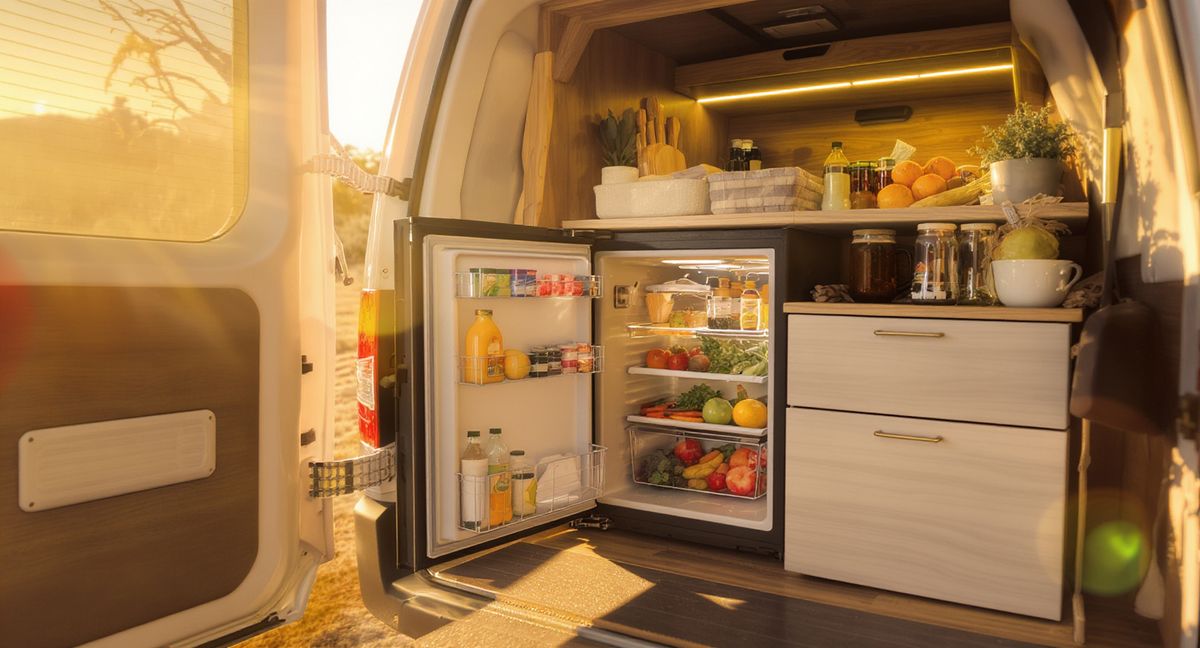
The Complete Van Life 12V Fridge Guide (2026)
The definitive resource on 12V compression refrigeration for van life — how they work, how to size them, how to power them, and the 8 fridges we've tested at every price tier. Every review and guide in one place.
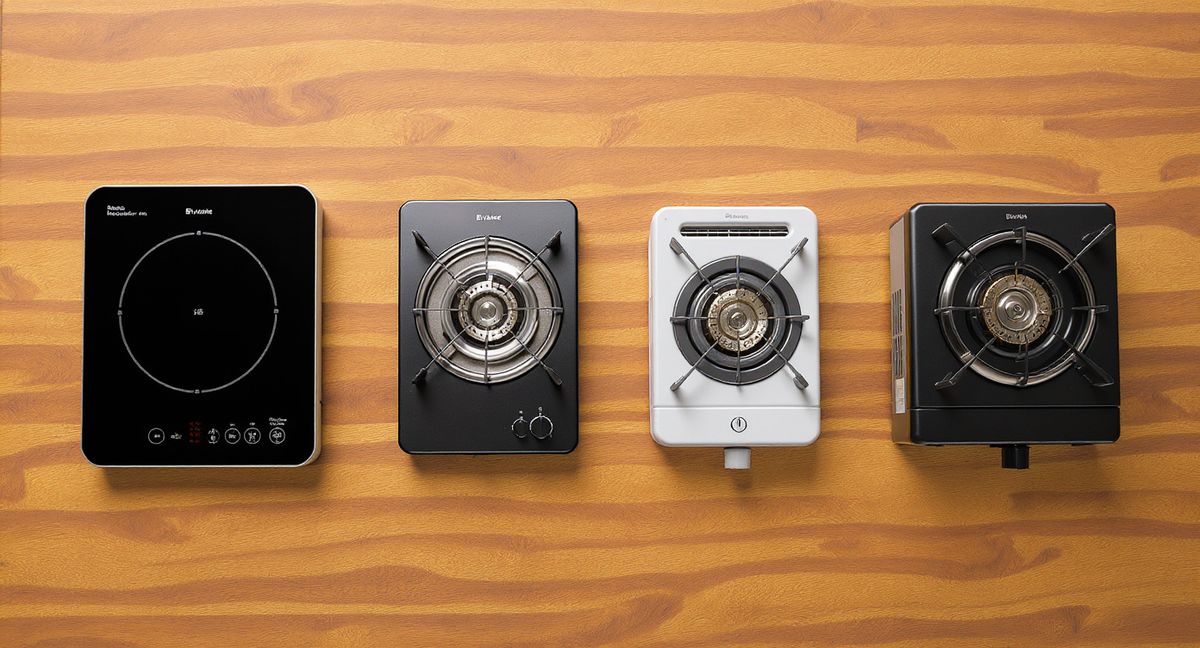
The Complete Van Life Cooktop Guide (2026)
Every fuel type, every product tier, every trade-off — the definitive guide to choosing a portable cooktop for van life. Induction, butane, propane, multi-fuel, with 9 products compared.
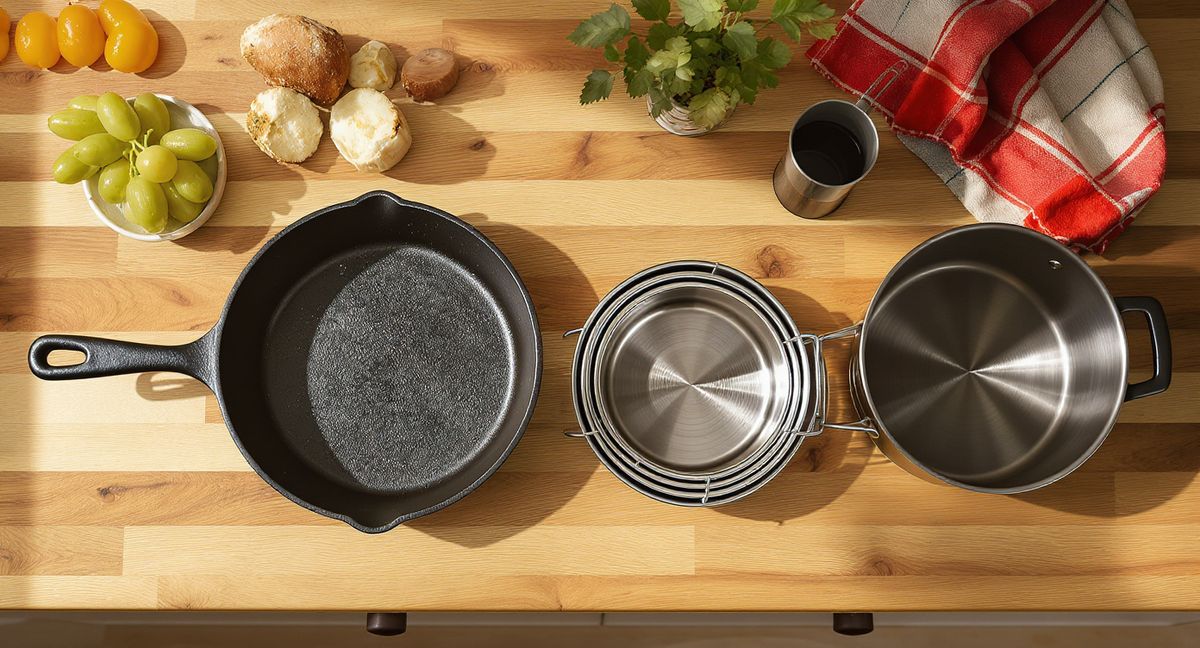
The Complete Van Life Cookware Guide (2026)
Nesting sets, cast iron, stainless, titanium — the definitive guide to cookware for small-space van kitchens. 9 cooksets reviewed, plus the two-pan kit that covers every meal.