The Minimalist Sprinter
Disclosure: As an Amazon Associate I earn from qualifying purchases. Links to Amazon on this page are affiliate links: if you buy through one, VanLifeKitchens.com may earn a commission at no extra cost to you. Read our affiliate disclosure.
The build philosophy
The Minimalist Sprinter is what happens when a full-timer decides the enemy of a good van kitchen is cabinets, not budget. This 144-wheelbase Mercedes Sprinter runs a full cooking kitchen on a mid-range gear budget, with zero custom cabinetry. Everything is portable, everything is modular, and everything can be pulled out and replaced without rebuilding the van.
If you're trying to decide whether to pay for a built-in kitchen or start simpler, this is the template for starting simpler. You can cook real meals in it, it packs down in ten minutes, and you can upgrade piece by piece over time without throwing anything away. If your van is smaller or you'd rather not build around induction and a large battery, the example one-person compact van kitchen plan is a researched shopping list built on a 12V fridge and a butane stove used outside.
The kitchen zone
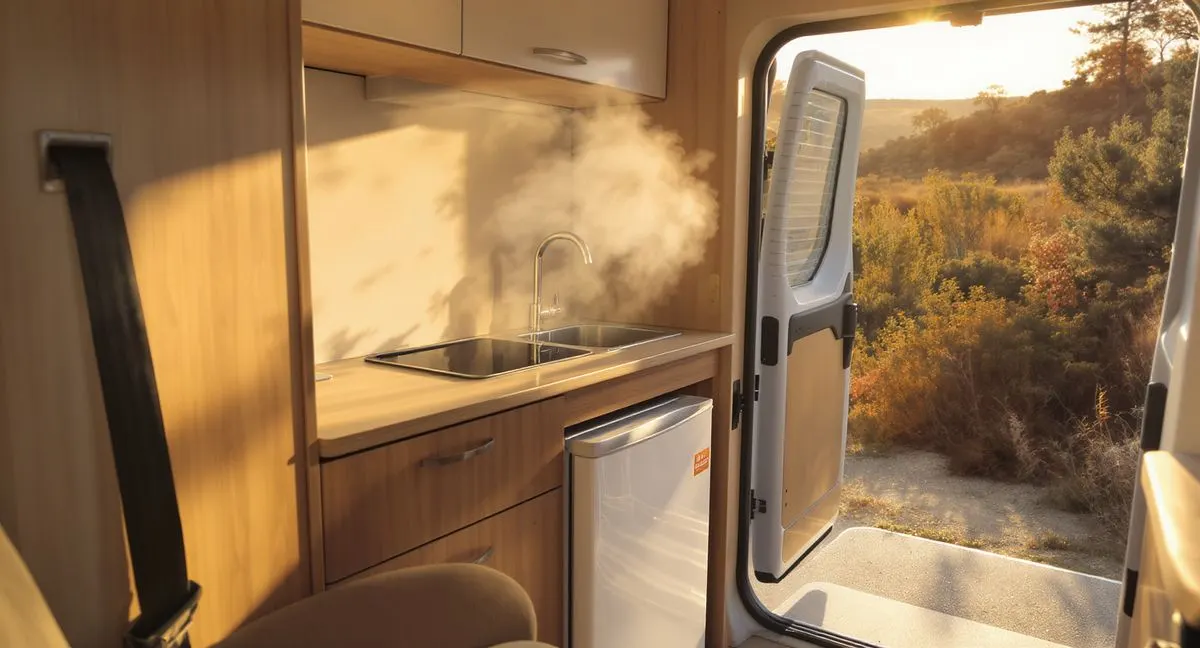
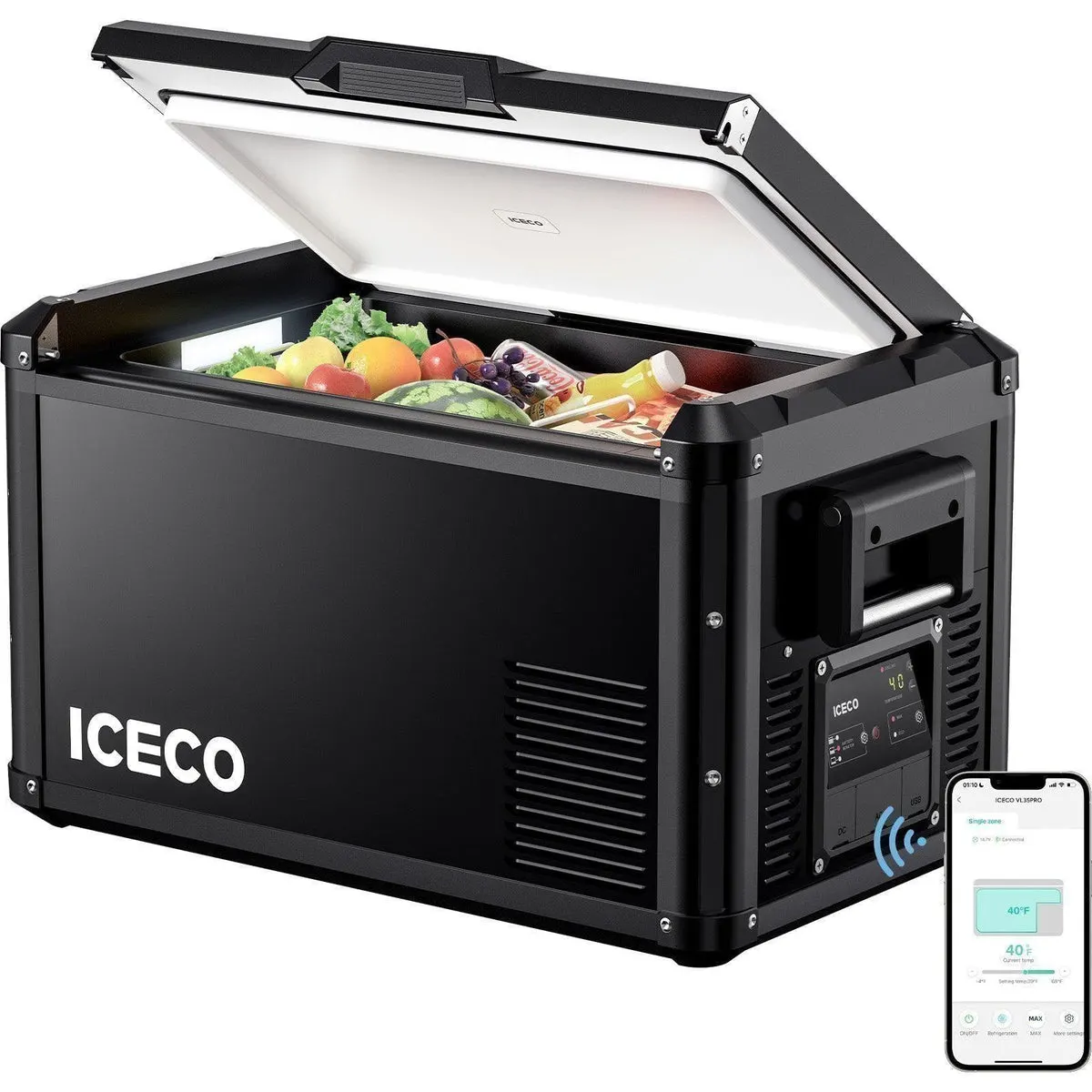
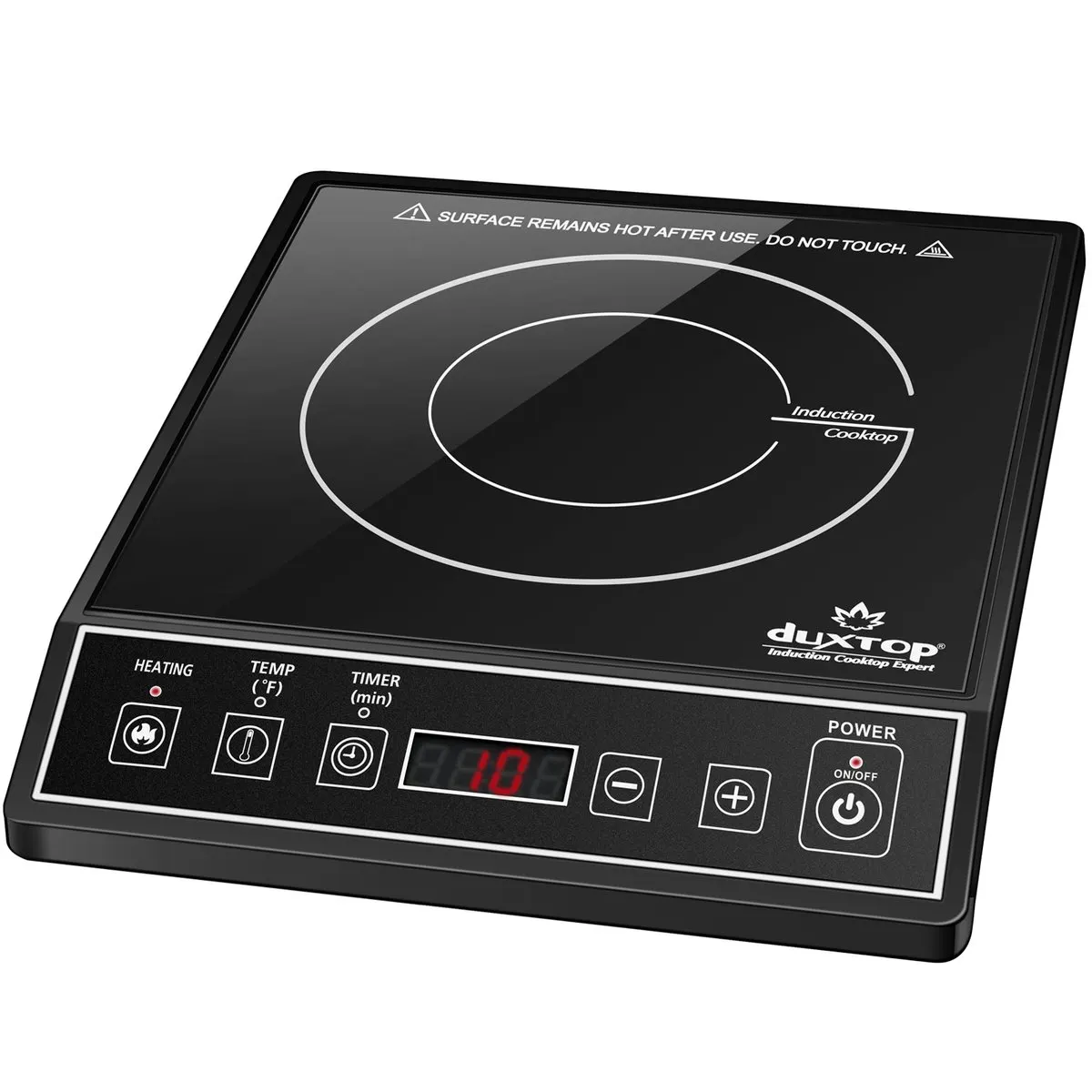
The cook zone lives on a 24 x 18 inch fold-down countertop bolted to the slider-side wall at 34 inches high. A single Duxtop induction cooktop sits on the counter when deployed, stores in a drawer when driving. A 35L Iceco VL35 compressor fridge slides out from under the bench seat. A 5-gallon fresh water jug with a USB-rechargeable pump sits next to the fridge; a second 5-gallon jug catches greywater underneath.
That's the whole kitchen. No plumbing, no tank install, no custom cabinets. Because nothing is plumbed or wired in, setting up and packing away is quick.
The gear list
- Iceco VL35 ProS fridge
- Duxtop 9100MC induction cooktop
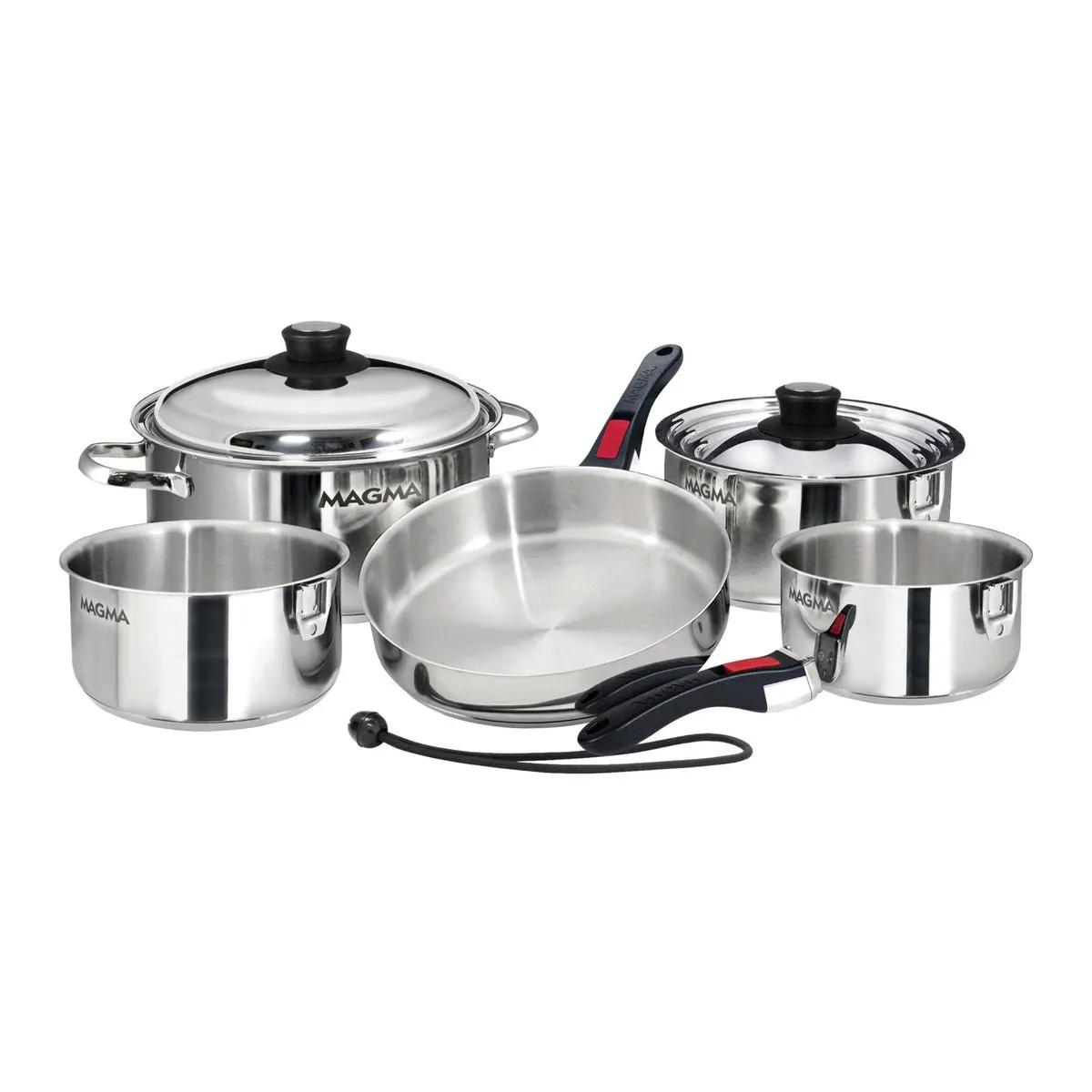
- Magma Nesting 10-piece cookware
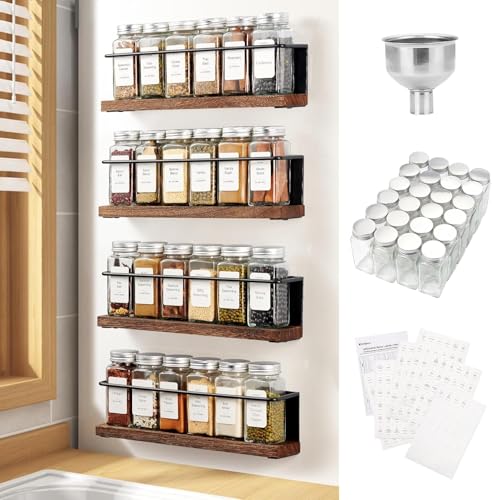
- KitHero magnetic spice rack, 24 jars (on a bare steel wall section or a steel plate, strapped for driving)
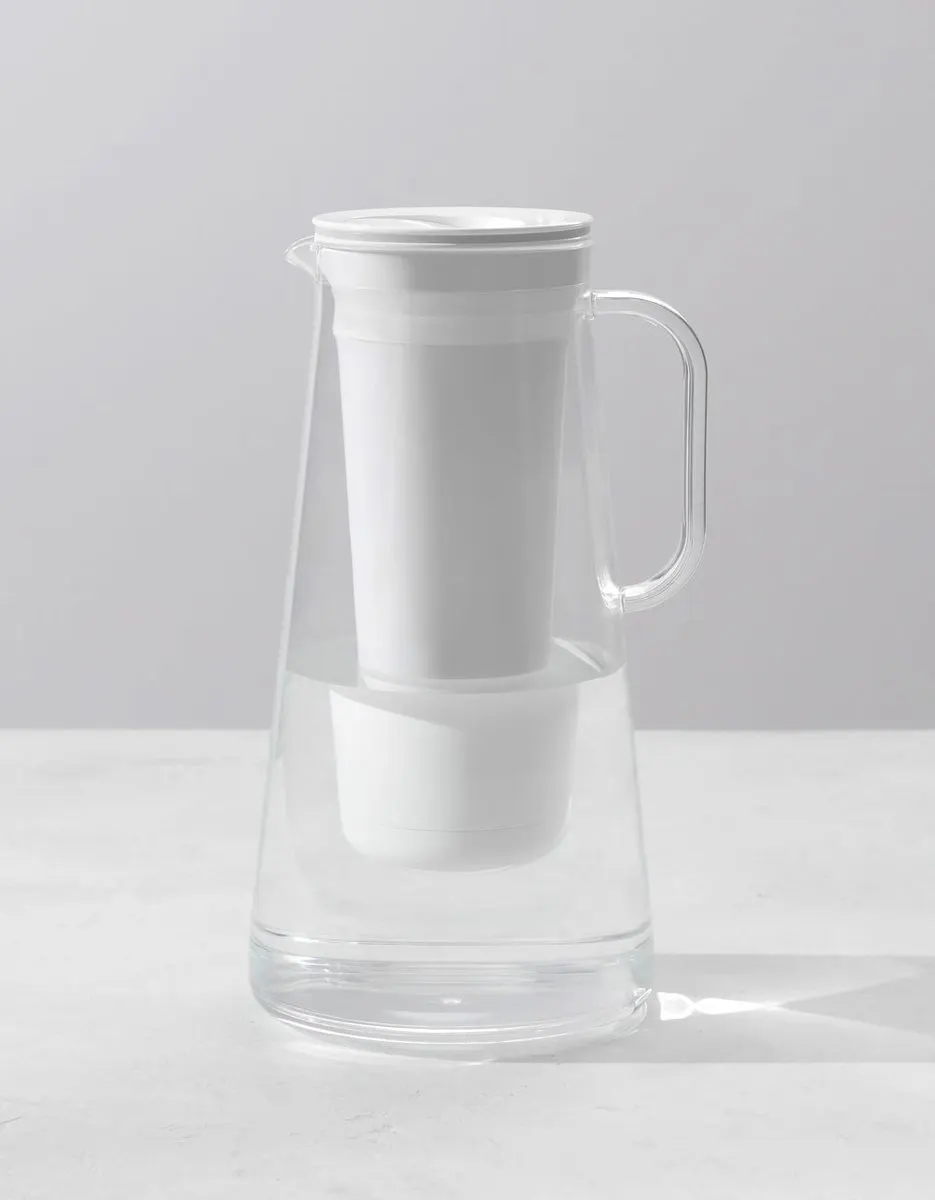
- LifeStraw Home Gravity Pitcher
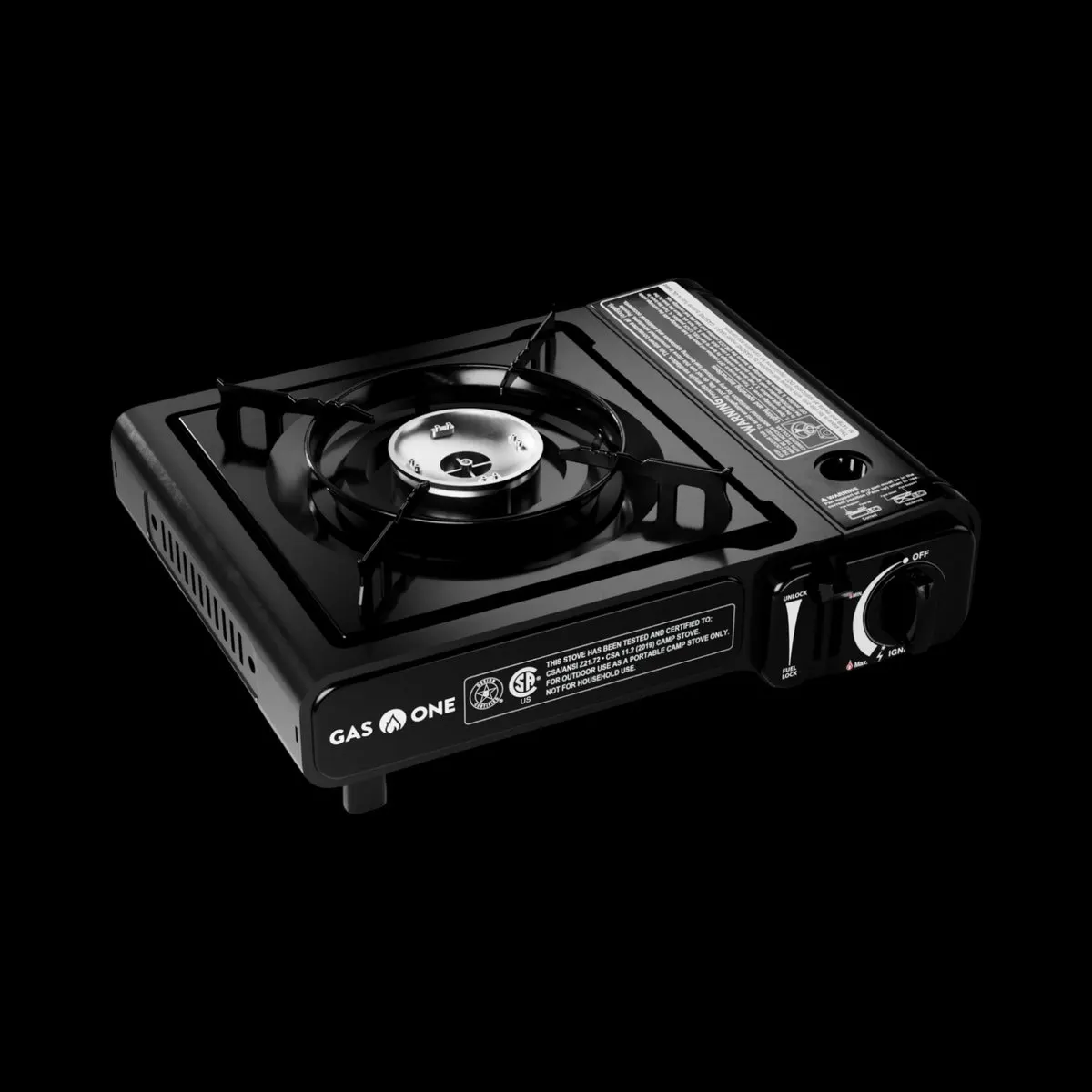
- Gas One GS-1000G butane backup stove
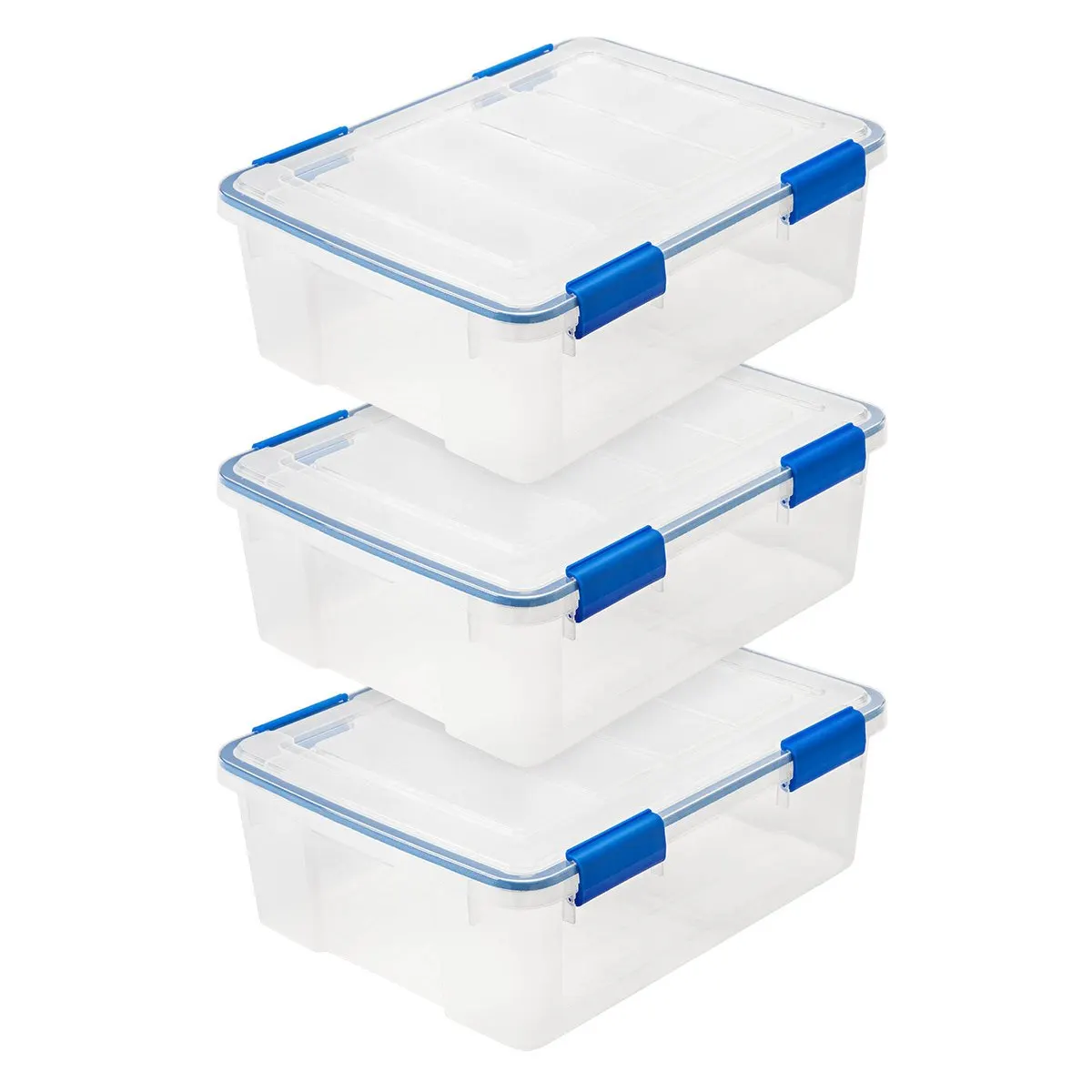
- IRIS USA Weathertight 19-Qt bins (pantry)
Add a 5-gallon water jug, a USB rechargeable pump, and a small cutting board, and that's the whole kitchen. The fridge is the biggest single purchase. No cabinetry costs. No plumbing. Check current prices on Amazon, since they move often.
Electrical setup
The Duxtop induction draws 1800W, which requires a real battery bank. This build runs a 200 Ah LiFePO4 battery + 2000W pure sine inverter + 400W rooftop solar — the most expensive part of the build, costing more than the kitchen gear itself. The fridge draws roughly 30 Ah/day (ICECO rates the VL35 ProS at 0.430 kWh per 24 hours, about 36 Ah at 12V, in lab conditions), induction cooking adds 30–50 Ah/day for one-person use, lights and phone charging add 10 Ah/day. Total daily kitchen draw: 70–95 Ah.
With 400W of solar in the Southwest summer, the bank should replenish by early afternoon on clear days. In fall and spring, it barely keeps up. In winter (late November through February), induction becomes mostly a shore-power affair and the Gas One butane takes over much of the cooking, used outside the van on a table, since portable butane stoves are labelled by their makers for outdoor use. Butane is weak near freezing, so in a cold winter this build either cooks outside in milder spells, swaps in a propane camp stove for outdoor use, or plans more shore-power nights. See the induction vs butane guide for the winter logic.
The battery, inverter, solar controller and cabling should be installed per each manufacturer's instructions; at roughly 170 A of battery current at full cooktop power, cable size and fusing matter. Use a qualified installer where your insurer or local rules require one.
What's missing (on purpose)
No built-in sink. No plumbed fresh tank. No grey tank with dump valve. No overhead cabinets.
The logic: every cabinet is a week of build time and a real materials bill. A 5-gallon jug with a pump is a 5-minute install and costs very little. The trade-off is manual water refill every 2–3 days instead of weekly, and no running water at a faucet. For a minimalist solo build, that trade is fine. For a full-time couple doing big cooking, it's not.
The upgrade path
The build is deliberately modular so pieces can grow without replacing anything:
- Year 1: as-is. Cook on the counter, wash dishes in a bowl, pump water from a jug.
- Year 2: add a proper 20-gallon fresh water tank under the passenger seat + a 12V pump + a small bar sink. A modest plumbing cost, and no kitchen gear changes.
- Year 3: build a real galley cabinet with drawers. Move the fridge from under-bench to a dedicated slide. Add a second cooktop burner. This is the most expensive upgrade step.
Each upgrade reuses every piece of gear from the previous step. That's the real win of starting simple.
A typical cooking day
Here is what a normal weekday looks like in this build, because the layout only makes sense if you can picture the workflow.
6:45 AM — Coffee. Slide the Duxtop onto the fold-down counter from its storage drawer. Plug into the outlet wired off the inverter. Fill a kettle from the jug pump. Boil water (a couple of minutes for a mug or two on the 1800W induction). Pour over an Aeropress or V60. Total time from zero to coffee in hand: under four minutes. The cooktop goes straight back into the drawer the moment the kettle comes off — keeping the counter clear is how this build stays livable.
8:30 AM — Breakfast. Two eggs and a tortilla. The Duxtop comes back out. The 10-inch sauté/fry pan from the Magma nesting set gets a splash of oil and cooks both sides of the tortilla and scrambles the eggs in four minutes total. One pan, one plate, one fork. Dishes happen immediately in a collapsible dish bin — hot water from the kettle plus a drop of castile soap — and the whole kit is dry and put away before the first email of the day.
12:30 PM — Lunch on the move. When the van is moving between locations, lunch is either cold from the fridge (pre-cooked grain bowl, a wrap, leftover dinner) or cooked at a trailhead on the Gas One butane stove outside the van. The butane stove lives in the sliding door pocket and deploys in 30 seconds. Using butane outside keeps the van cooler and avoids running the inverter when the van is parked at an awkward solar angle.
6:00 PM — Dinner. The big meal. One-pot stews, rice-and-protein bowls, pasta, skillet-and-veg combinations — anything that fits in a single 10-inch skillet or a 2-quart pot from the nesting set. On a typical induction session the Duxtop runs 15–25 minutes at partial power, drawing 20–40 Ah from the battery. The fridge opens and closes three or four times during prep. The KitHero spice rack, mounted on the van wall at eye level, keeps the everyday spices in reach. For a slow braise, a cast iron Dutch oven goes on the butane stove outside for braises that would overheat the van.
8:00 PM — Cleanup. Dish bin fills with hot soapy water, dishes go in, rinse with a squeeze bottle from the fresh jug, into the drying rack for the night. Grey water goes into the second jug. The whole kitchen is "off" within 20 minutes of dinner: Duxtop in the drawer, cutting board hung on its hook, counter wiped down, spices lids down. If the counter stays messy, the minimalist build starts to feel small fast.
The greywater workflow
No grey tank means grey water is your problem, not a valve's problem. The second 5-gallon jug under the fridge slide catches everything from the dish bin and the fresh pump drain. It gets emptied every two to three days at a dump station, an RV park, or a pit toilet (never on bare ground in developed areas, never within 200 feet of a waterway). A tablespoon of baking soda in the jug between empties neutralizes food acids and keeps the smell from becoming a problem.
One of the cheapest quality-of-life upgrades for a jug-based setup like this is a sink strainer placed in the dish bin. It catches the rice, the bean fragments, and the onion skin pieces that otherwise turn the grey jug into a science experiment inside 48 hours. Scraping plates into the trash before dish washing matters more than any filter or fancy tank — that habit is the difference between a clean-smelling van and a van that reeks of old soup by the end of the week.
The electrical math, spelled out
The Duxtop's nameplate is 1800W, which at 12V DC works out to about 150A at the battery before inverter losses, and roughly 165-170A once you allow for an inverter around 88-90% efficient. A typical induction cooking session — say a 20-minute simmer at power level 6 — averages around 900–1100W of actual draw, because induction cycles on and off to hold temperature rather than running continuously at maximum. That works out to roughly 25–30 Ah per cooking session.
Doing two cooking sessions a day (breakfast and dinner) pulls about 50–60 Ah from the bank. Add the fridge's roughly 30 Ah/day, lights and USB at 10 Ah/day, and you land at a daily kitchen draw of 90–100 Ah. The 200 Ah LiFePO4 bank provides roughly 160 Ah of usable capacity at 80% depth of discharge, which is close to two days of full kitchen autonomy with zero solar input. In practice, 400W of southwestern solar in spring, summer, and fall can usually replenish the bank by early afternoon on clear days, so the "autonomy" only matters on multi-day overcast stretches.
In winter, when solar harvest drops to 20–30% of summer and daylight shortens to nine hours, the math inverts. A single induction session starts to dig into the reserve capacity faster than solar can replace it. That is why the Gas One butane stove stays in the build year-round: it is not only a backup for failures, it carries much of the cooking from roughly mid-November through mid-February, always set up outside the van. Store the cartridge in the cabin so it starts warm, and expect weak flames when it is near freezing outside. A single inexpensive butane cartridge runs roughly an hour or more of cooking at moderate flame, which is two to four simple meals. The fridge stays on battery power year-round because in a cold van it uses little.
Why modular beats built-in at this size
A 144-wheelbase Sprinter has roughly 76 square feet of floor space. Every inch of cabinet costs floor space elsewhere, and once a cabinet is bolted in it is bolted in forever. Modular gear lets the same 6 square feet of counter space serve as a kitchen in the morning, a desk in the afternoon, and an extra seat when a friend shows up. The fold-down counter hinges against the wall when not in use and disappears entirely — you get the floor space back.
Built-in kitchens also force choices that become regrets. A built-in 40L fridge at year one looks perfect; by year three you wish it were a 60L. A built-in two-burner cooktop looks great until you realize you almost never use the second burner and it is eating counter space every day. In a modular build, the fridge is a slide that comes out and gets replaced with whatever fits best at year three, and the cooktop is a single-burner unit precisely because that is what gets used 95% of the time.
The counterargument is that built-ins look nicer in photos and reassure guests. True. But this build is not for guests. It is for the person living in the van, making four meals a day, for years.
What this build cost vs the alternative
A comparable built-in kitchen for a 144 Sprinter — custom lower cabinets with drawer slides, a built-in 12V fridge, an induction cooktop flush-mounted in butcher block, a plumbed 20-gallon fresh tank, a grey tank with dump valve, a stainless bar sink, an under-counter water pump, and the wiring to tie it all together — is a premium job at a professional van builder, and even a DIY version means a substantial parts bill plus two to four weekends of build time.
The modular build above costs considerably less than either, even counting the odds and ends. The savings buy either a proper electrical system, two years of campground fees, or the ability to walk away from the build entirely if van life does not work out — without having destroyed the cargo area of a Sprinter.
Why it works
The Minimalist Sprinter isn't the fanciest build on the road, and it'll never win a van tour video. But every piece in it is simple, widely used gear chosen to cook daily meals and handle washboard and highway when it's stowed properly, and the whole kitchen costs far less than a typical built-in RV galley. Simplicity is the feature, not the constraint. The kitchen you actually use — fast, simple, fixable with a screwdriver at a gas station — beats the kitchen you admire in a photo every time.
Products in this example build
Disclosure: As an Amazon Associate I earn from qualifying purchases. Links to Amazon on this page are affiliate links: if you buy through one, VanLifeKitchens.com may earn a commission at no extra cost to you. Read our affiliate disclosure.
The Gear List

For: Main prep board, one counter
John Boos R-Board Edge-Grain Maple Cutting Board 18x12
A 1.5-inch, reversible edge-grain hard maple board sized for a van galley. John Boos has made boards in the USA since 1887; the maple is gentler on knife edges than bamboo, can be sanded smooth when scarred, and the 18x12 size suits a single-counter van kitchen. It is heavy and needs monthly oiling.
For: Herbs, packaging, light poultry
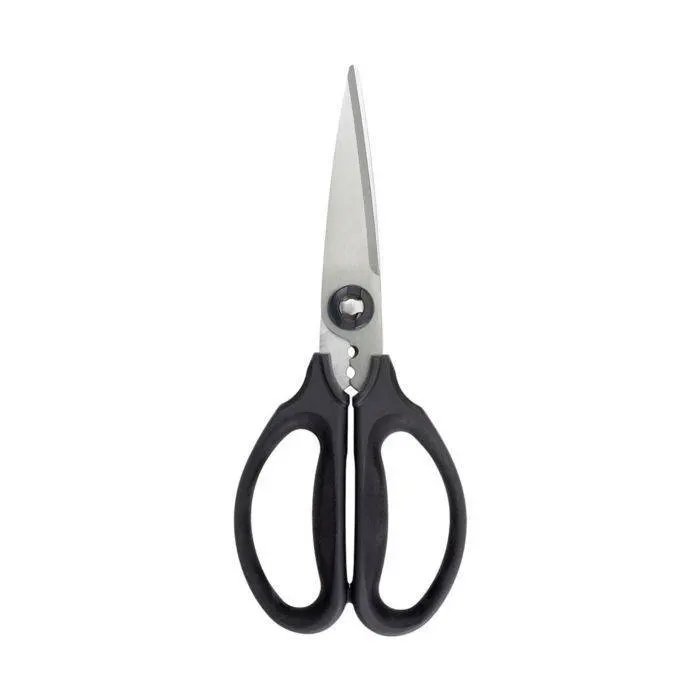
OXO Good Grips Multi-Purpose Kitchen Shears and Herb Scissors
The inexpensive kitchen tool that quietly does three jobs a knife would do badly in a cramped van galley — snipping herbs directly into a pot, spatchcocking a chicken, and opening stubborn clamshell packages without pulling out a blade. OXO's soft cushioned handles make these usable one-handed, and the take-apart design means you can actually clean them.
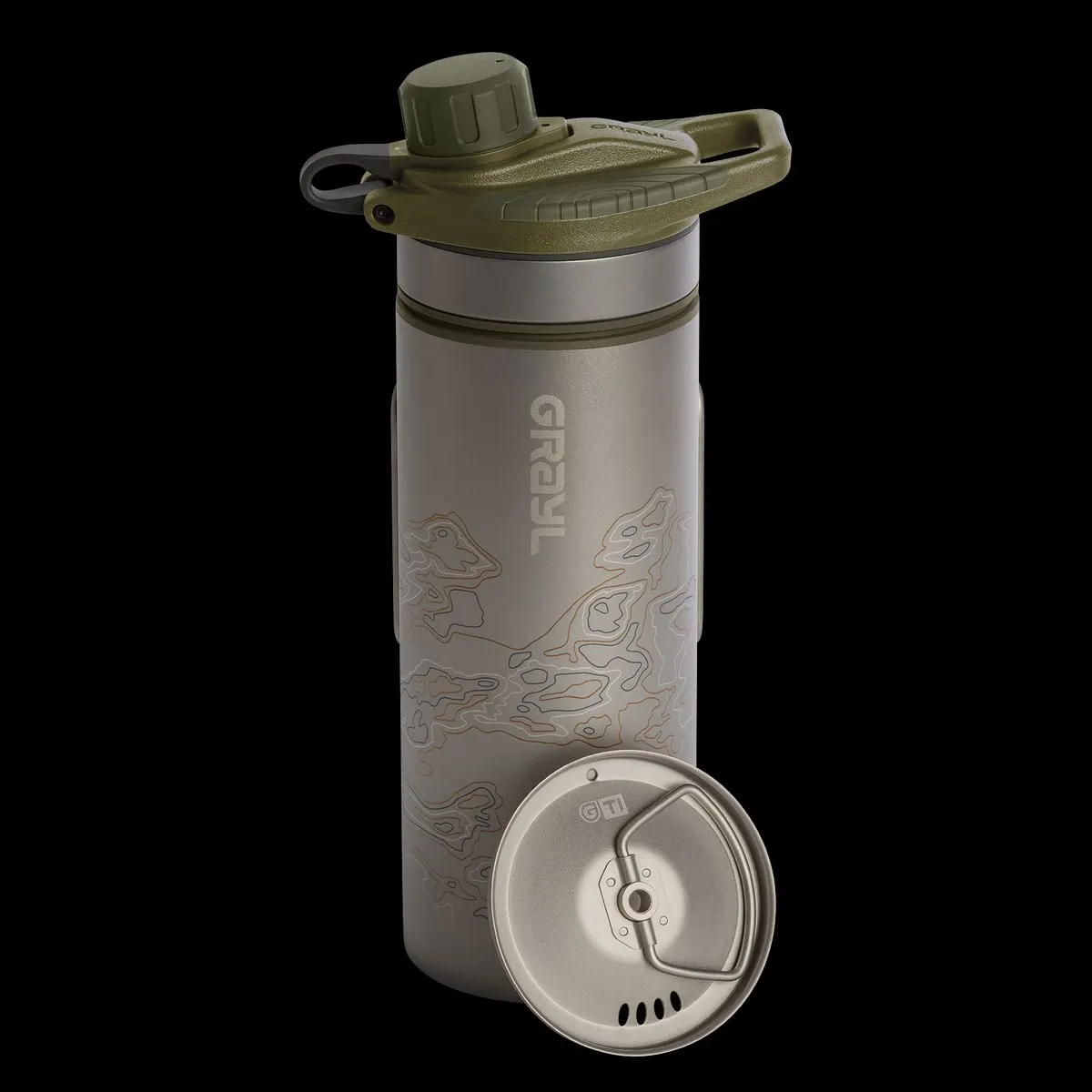
For: Travel and untreated water
Grayl GeoPress 24oz Water Purifier Bottle
A bottle-style purifier that Grayl rates to remove viruses, bacteria and protozoa and to reduce many chemicals, heavy metals and microplastics, in one eight-second press with no pumping, power or tablets. It is the only portable purifier on this site with published virus-removal figures and a named EPA test protocol, which matters for international travel and sources downstream of people or livestock. It is for fresh water only (not salty or brackish), and the cartridge must be replaced on schedule.