Weekend Warrior
Disclosure: As an Amazon Associate I earn from qualifying purchases. Links to Amazon on this page are affiliate links: if you buy through one, VanLifeKitchens.com may earn a commission at no extra cost to you. Read our affiliate disclosure.
The build philosophy
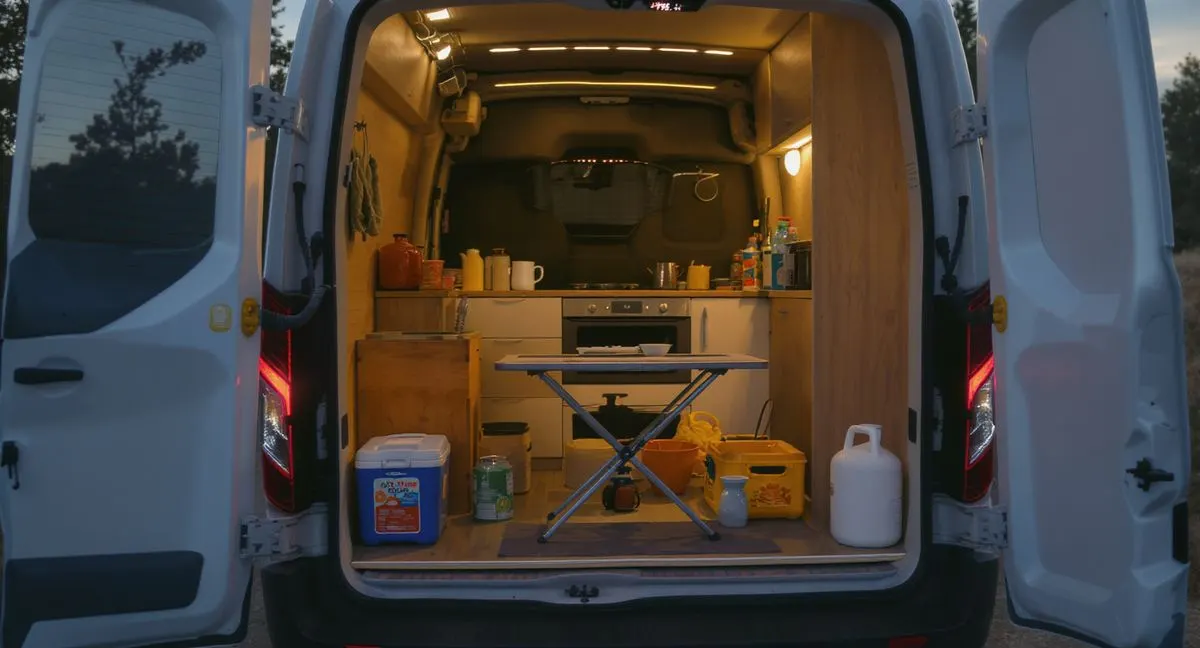
The Weekend Warrior is a Ford Transit 148 built for three-day weekends, not full-time living. The kitchen is deliberately under-built: no electrical system beyond a single 100Ah battery, no plumbing, no built-in anything. It's a budget build from top to bottom, and the whole setup packs down into two storage totes when the van is parked at home.
If you're building a rig for 30–40 weekends a year and you're not willing to sink the cost of a full custom galley into a kitchen you'll use 10% of the time, this is the template. It's also the ideal first-build — every component transfers forward if you later decide to upgrade to full-time.
The kitchen zone
There isn't really a fixed kitchen zone. The "galley" is a folding camping table placed in front of the slider door when the van is parked. All cooking happens outside the van, in any weather: the Gas One GS-1000G is a portable butane stove, and stoves of this type are labelled by their manufacturers for outdoor use because of carbon monoxide. In rain, the cook works under a pop-up canopy or a tarp pitched well above the stove (stove manuals call for generous clearance to combustibles; Coleman's, for example, asks for 48 inches above the flame), or switches to a no-cook meal. Water comes from a 5-gallon jug with a hand pump; dishwater is scattered on bare ground well away from camp and water only where that's allowed.
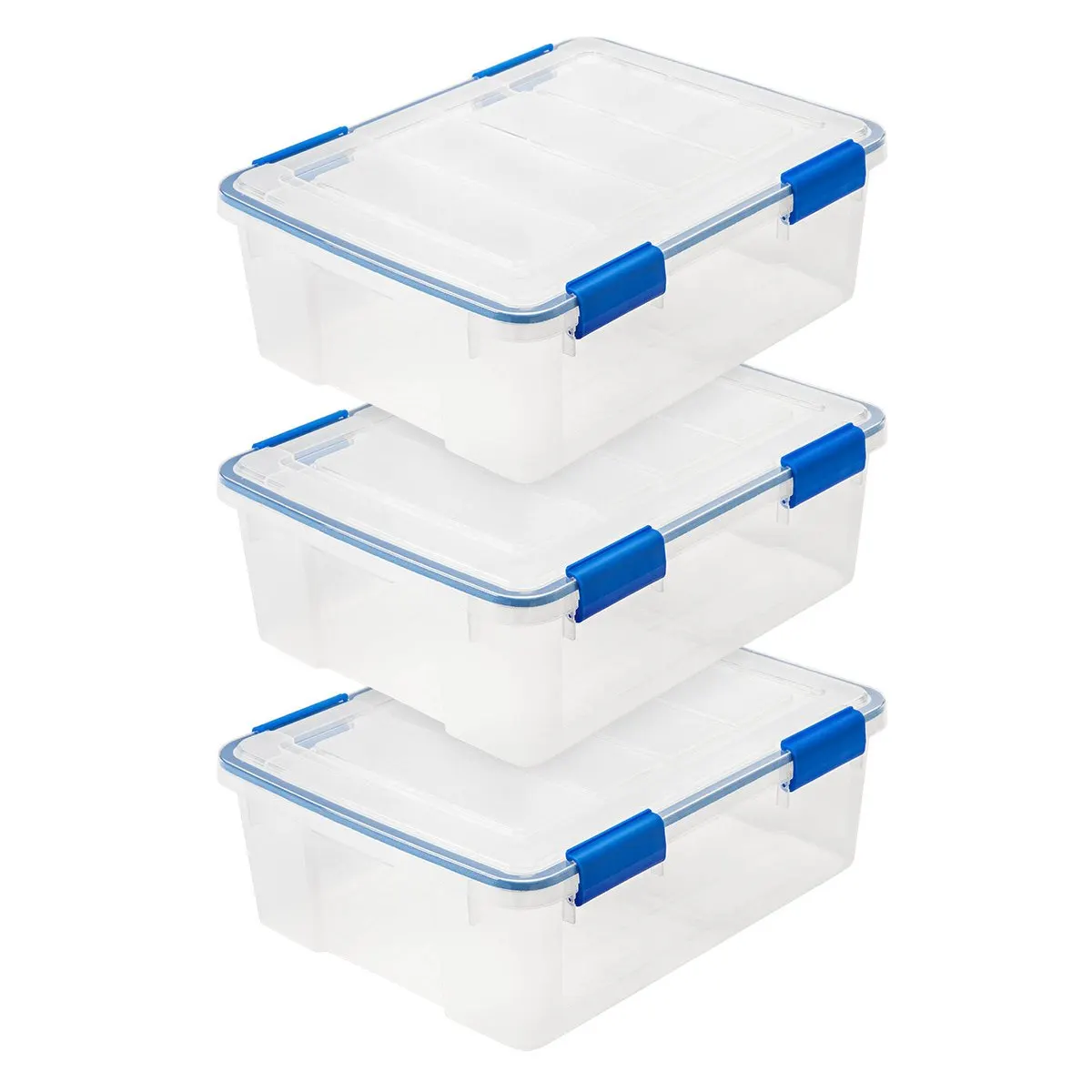
The whole kitchen deploys in 5 minutes and packs back into two 27-quart Iris Weathertight bins that live behind the rear seats when driving.
The gear list
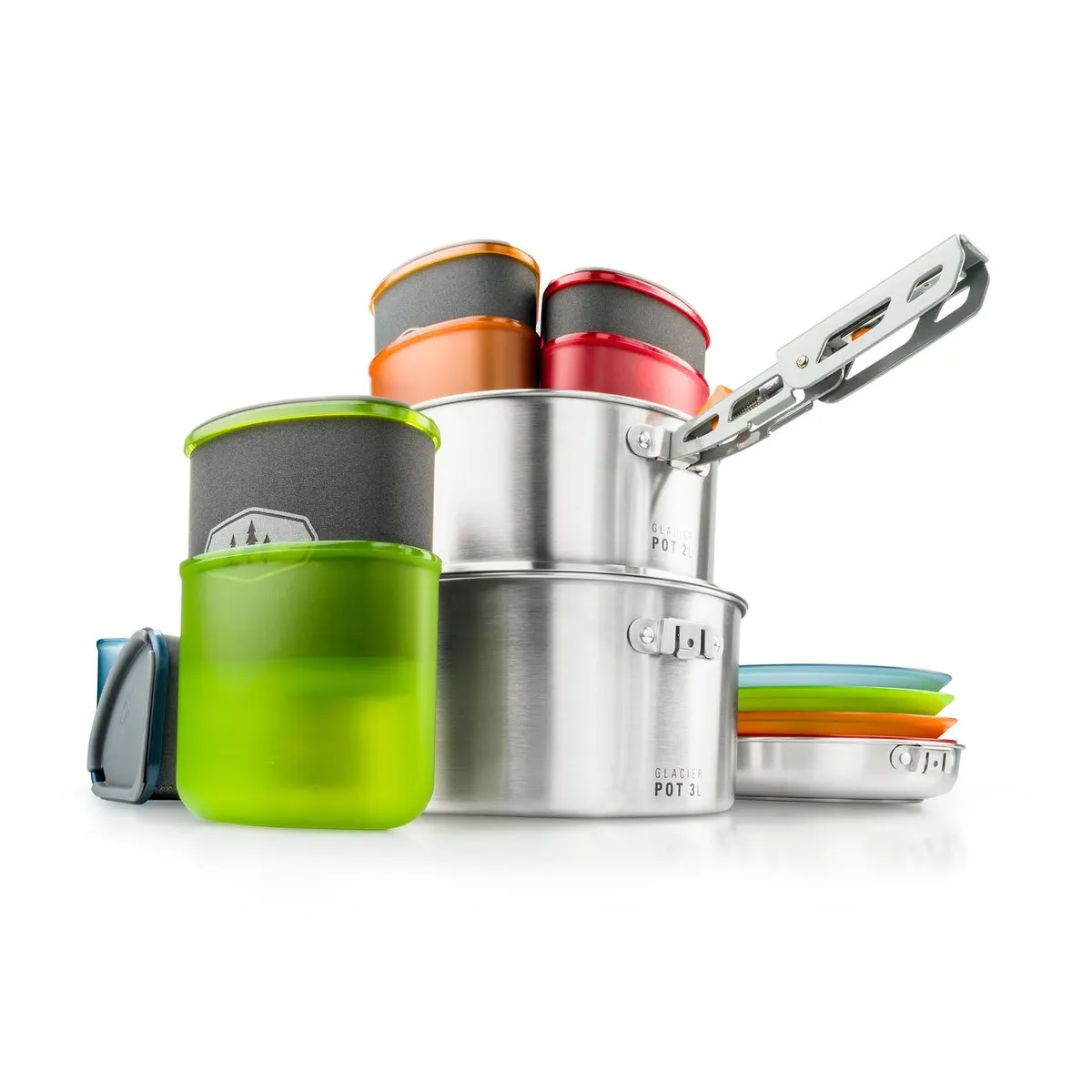
- GSI Glacier Stainless Camper cookset (3L + 2L pots, fry pan, dinnerware for four)
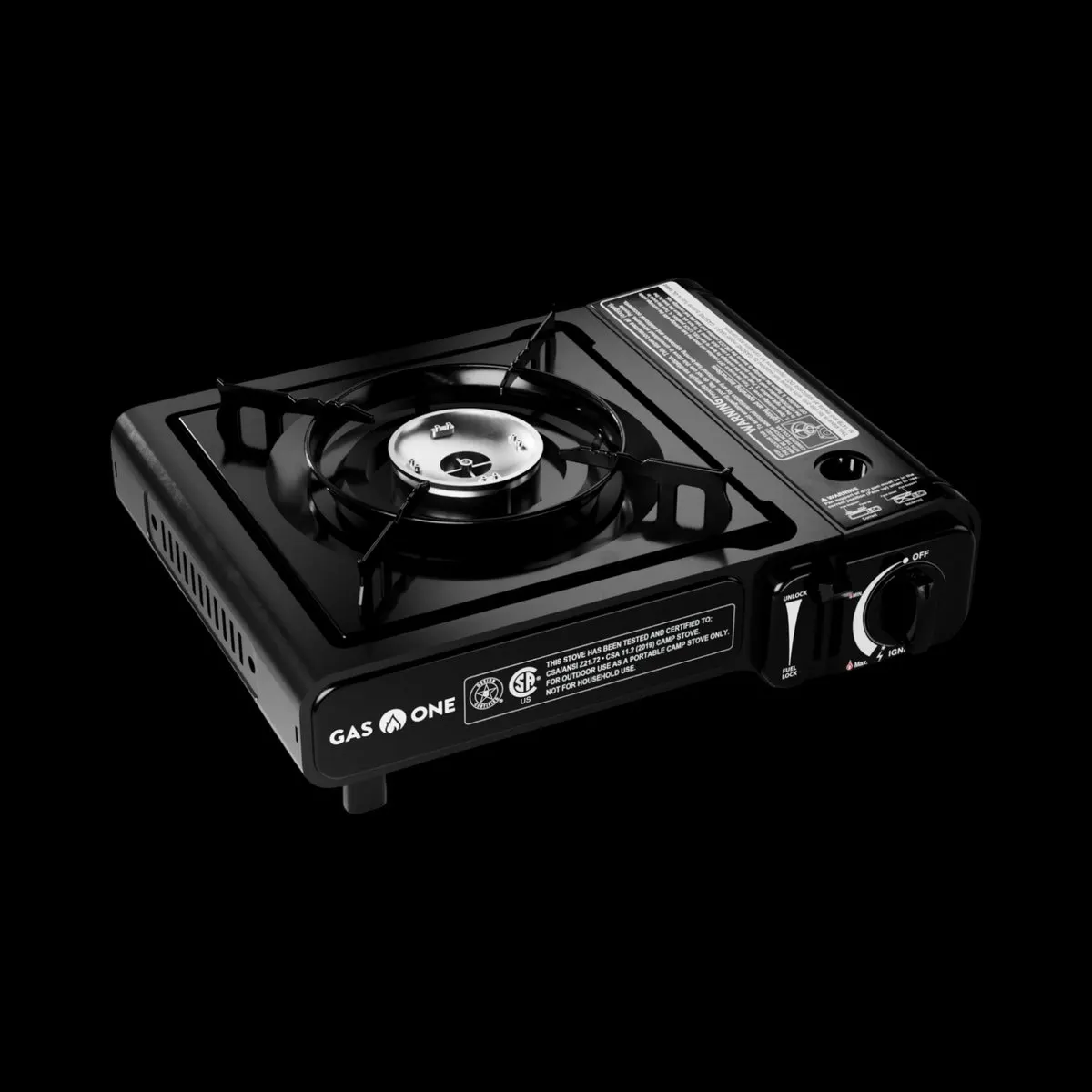
- Gas One GS-1000G butane stove
- 40-quart thermoelectric cooler (bought used)
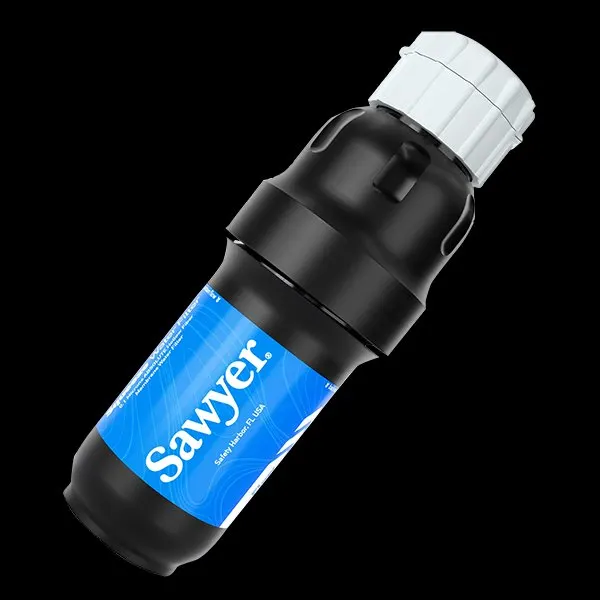
- Sawyer Squeeze water filter
- IRIS USA Weathertight 19-Qt bins
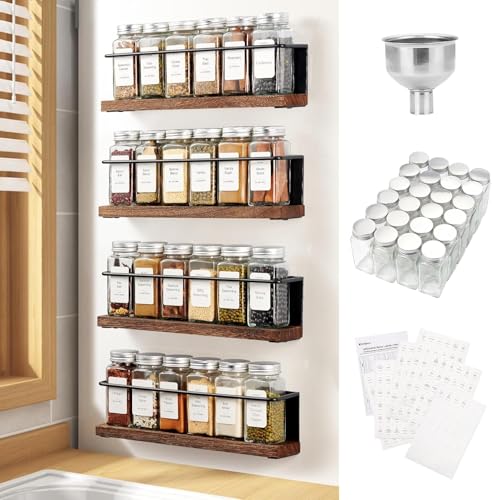
- KitHero magnetic spice rack, 24 jars (shelves stick to bare steel inside the slider; jars ride in a bin while driving)
- Folding camping table (Coleman)
- Collapsible dish washing bin
- 5-gallon Aqua-Tainer water jug
- Basic cutting board + knife + utensils
- 2 x 8 oz butane cartridges
- Trash bags, paper towels, dish soap
- First weekend's groceries
- Cooler ice (weekend)
Everything on this list is budget-tier gear, chosen because it does the job and transfers forward. Check current prices on Amazon, since they move often.
Electrical setup
A single 100Ah AGM battery in the passenger footwell powers:
- LED interior lights
- 12V USB ports for phone charging
- A small 12V fan for hot nights
- The cooler (in 12V mode, drawing 4–5 amps continuously)
That's it. No inverter. No induction. No solar. The battery gets charged by driving (via a 30A isolator from the alternator) and by a plug-in charger when the van is home.
It's the simplest, cheapest electrical setup that still keeps the cooler running and the phones charged. Even a small system like this needs a fuse at the battery on every positive cable, cable sized for the current and length, and a properly secured battery box; follow the isolator and battery makers' installation instructions, and use a qualified installer if you're not confident with vehicle wiring or your insurer requires one.
Why skip the electrical system
The single biggest money-saver in this build is accepting that induction is not required. An inexpensive butane stove, used outside at the camp table, boils water in a few minutes, cooks real meals, and burns one or two cartridges per weekend. Even over a full year of weekend use, fuel stays a small line item.
A full induction setup with the required 200Ah lithium + 2000W inverter + 400W solar costs far more than the stove and a season of cartridges. At weekend-only use, the fuel savings would never pay it back.
The cooler compromise
The biggest technical compromise in this build is using a thermoelectric cooler instead of a compression fridge. Thermoelectric coolers pull about 4A continuously, only cool to 20-25°F below ambient, and can't freeze. For a weekend trip, that's acceptable — you pack food cold from the freezer at home, top up with ice at the start of the trip, and you're good for 48–72 hours before things get warm.
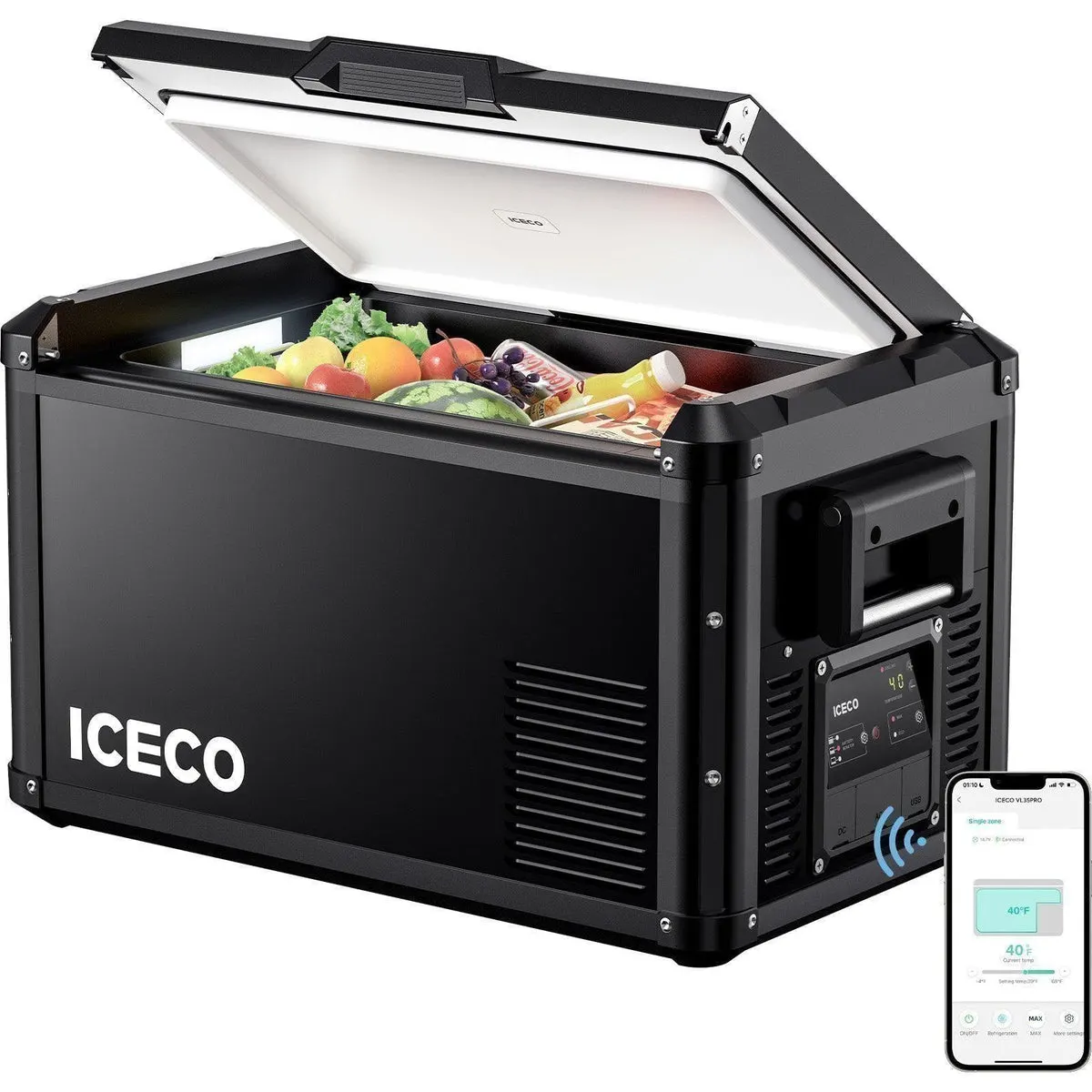
For anything longer than a weekend, the cooler is the weak link. When you're ready to upgrade, replacing it with an Iceco VL35 ProS is the natural next step — far better refrigeration performance, and it holds a set temperature instead of tracking the cabin.
What's deliberately missing
- No built-in sink or water system. A 5-gallon jug and a plastic bowl work for weekends.
- No permanent fridge mount. The cooler lives on the floor behind the passenger seat.
- No countertop. A folding table deploys outside when needed.
- No overhead cabinets. Storage is two Iris bins that live behind the rear seats.
- No rangehood and no indoor cooking. The butane stove is an outdoor appliance, so cooking happens at the table outside the slider, not inside the van with the door open.
The entire kitchen disassembles in 15 minutes and stores in a 30-gallon footprint. When the van is used as a daily driver during the week, you can't even tell it's a camper.
Upgrade path from here
Every component in this build transfers forward if the owner decides to go longer-term:
- Upgrade the cooler → compression fridge. Biggest single quality-of-life improvement.
- Add a proper battery bank (200 Ah lithium + 1500W inverter + 300W solar). The most expensive step, and it unlocks induction cooking.
- Build a proper galley cabinet. Fixed kitchen zone instead of a folding table.
- Add plumbed water + grey tank. Running water at a sink.
Taken together, those upgrades turn this budget build into a mid-range full-timer kitchen. You can spread them over a year or two without throwing away any of the original gear.
Who should copy this build
If you want to camp in a van 20-40 nights a year, if you're not sure whether van life is for you, or if you're working with a tight total van budget including the vehicle, start here. You can always upgrade. You can't easily unspend the money on custom cabinetry you later decide you don't need.
A typical weekend flow
Friday after work, the two Iris Weathertight bins get loaded from the kitchen: pre-portioned food in labeled bags, the butane stove and two fresh cartridges, the GSI nested cookset in its sack, and whatever produce the trip calls for. The cooler gets a block of ice from the home freezer and the week's pre-chilled proteins. Loading time from garage floor to van interior is about 12 minutes. No cabinets to fill, no tank to top off — the whole kitchen goes in as two objects and a cooler.
Friday night at camp, the table deploys outside the slider door. The stove sits on the table, the cook gear comes out of the first bin, dinner is on the ground in twenty minutes. Most weekends dinner is something one-pot on Friday (pasta, a big skillet of curry, foil-packet potatoes and sausages), something quick on Saturday (tacos, burgers, quesadillas), and leftovers or a cold breakfast on Sunday morning.
Cleanup happens in a collapsible plastic dish bin with hot water from the kettle, a drop of biodegradable Dr. Bronner's, and a rinse from the jug. Grey water gets poured into a pit toilet, or on the ground well away from camp in the backcountry, or into a dish-station grey drain at a developed campground. The whole kitchen packs back into the two bins in fifteen minutes Sunday afternoon, and back into the home garage closet by Monday morning. The van goes back to being a daily driver for the week.
What the cooler can and can't do
The thermoelectric cooler is the biggest technical compromise in this build, and it is worth being blunt about its limits so the buyer knows what they are signing up for. A Peltier-element cooler like the Koolatron or the Igloo Iceless pulls heat through a semiconductor junction and dumps it out the back via a small fan. It cannot actually chill — it can only maintain a differential of roughly 20 to 25°F below ambient. In a 90°F van in August, that means the cooler holds about 65–70°F. That is refrigerator failure for anything dairy or protein.
The workaround is simple: treat it like an insulated cooler plus a fan, not a fridge. Pack food cold from home, add a block of ice or two bags of cubes at the trailhead, and use the 12V fan to extend the ice life from about a day to about three days. For a two- or three-night weekend trip, that is enough. For a weeklong trip in the Southwest in summer, it is not enough, and the butane stove won't save you from spoiled milk.
The day the owner gets tired of the ice shuffle is the day the build graduates to an Iceco VL35 ProS compression fridge. A real step up in cost and far more refrigeration headroom. Its compressor draws a few amps only while it is running and then cycles off, so its daily use is usually lower than a thermoelectric cooler running nonstop: ICECO publishes a lab figure of 0.430 kWh per 24 hours (about 36 Ah at 12V), and hot weather and frequent lid openings push real use higher. Use the fridge battery calculator to check it against a 100Ah battery. Every other piece of gear in the build stays.
Butane stove: why it is the right choice here
There is a whole induction vs butane vs propane guide on this site that digs into the full comparison, but the TL;DR for the weekend warrior is: butane wins on simplicity and wins on total cost for occasional use.
A single 8 oz butane cartridge is cheap and, as a rough estimate, runs a single-burner cassette stove like the Gas One GS-1000G for about an hour at full flame (longer at lower settings), which is several meals depending on what you are cooking. A full weekend of cooking for two typically uses one to two cartridges, more if you are boiling pasta for four people on Saturday night. The stove itself weighs about 3.1 pounds, lives in a carry case, has a piezo igniter, and boils a liter of water in roughly four to five minutes in mild, still air. There is little to maintain and nothing to assemble.
Two operating rules come from cassette-stove manuals: don't use a pan so wide that it overhangs the canister cover, and don't set two cassette stoves side by side, because both can overheat the canister. Store cartridges out of direct sun and below the maker's storage limit (Iwatani gives 104°F/40°C), which a closed van in summer can exceed.
Propane would require a tank, a regulator, and a hose — more parts, more weight, more install time, and no meaningful upside at this usage level. Induction would require the expensive electrical system we are deliberately skipping. White gas is a backpacking solution, not a car-camping solution. Butane is the correct answer here.
The only operational caveat is that butane cartridges de-rate badly below about 35°F. In genuinely cold weekends — late October mountain trips, any winter camping — the stove will sputter. The workaround is to keep the cartridge inside the cabin of the van overnight so it starts warm, take it out to the stove on the table, and accept a slightly longer boil time. Never warm a cartridge with a flame or heater. For weekend trips in shoulder seasons and summer, it is rarely an issue.
The water system (such as it is)
There is no plumbed water in this build. The water system is a 5-gallon Aqua-Tainer jug with a threaded spigot, refilled at whatever potable spigot is on the way to camp — campground fills, state park hand pumps, or a friend's hose. Five gallons is enough for a weekend of drinking, cooking, dish washing, and hand washing for two people, with a little slack. The jug sits on the floor behind the driver's seat during driving and moves onto the camping table at camp.
A Sawyer Squeeze lives in the first-aid bin for emergency use if the spigot water is questionable, but it is not the primary filter. Its 0.1-micron hollow fibre removes bacteria and protozoa; it does not remove viruses, chemicals, salt or heavy metals, so where viruses are a concern (sources near heavy human use), boil or use a purifier rated for them. For weekend-distance drives, you can always carry enough municipal water from home to avoid filtering altogether.
The grey water workflow is the same as any minimal build: scrape plates into the trash before washing, wash in a collapsible dish bin, pour the bin into a pit toilet or a developed-campground drain. Never on the ground in developed areas, never within 200 feet of any waterway. Leave No Trace principles apply even when the total grey volume is just a bin or two per day.
Why this build makes financial sense
Kitchen gear, first-trip consumables and the single battery with its isolator add up to a budget build by any measure. Compare that to the cheapest turn-key Class B camper van (such as a Winnebago Travato) or even a second-hand Airstream Basecamp trailer. For thirty to forty weekend trips a year, that kind of spending is hard to justify.
The relevant comparison is not to a built-in van — it is to not going camping at all because you're waiting to afford the built-in van. The Weekend Warrior removes that bottleneck. If you own a Transit (or any cargo van, or even a minivan with the rear seats out), you can be camping this weekend. Build quality and comfort get upgraded later, incrementally, without throwing anything away. The budget kitchen gets used now. The premium custom kitchen gets used in 18 months, after you've saved up and scheduled the build.
Van life is supposed to reduce friction between you and the outdoors. A build that takes six months of weekends and money you don't have increases friction. This build does not.
See the van pantry staples guide for the shelf-stable weekend food list, and the one-pot meals guide for five recipes that work on a single butane burner.
Products in this example build
Disclosure: As an Amazon Associate I earn from qualifying purchases. Links to Amazon on this page are affiliate links: if you buy through one, VanLifeKitchens.com may earn a commission at no extra cost to you. Read our affiliate disclosure.
The Gear List

For: Main prep board, one counter
John Boos R-Board Edge-Grain Maple Cutting Board 18x12
A 1.5-inch, reversible edge-grain hard maple board sized for a van galley. John Boos has made boards in the USA since 1887; the maple is gentler on knife edges than bamboo, can be sanded smooth when scarred, and the 18x12 size suits a single-counter van kitchen. It is heavy and needs monthly oiling.
For: Herbs, packaging, light poultry
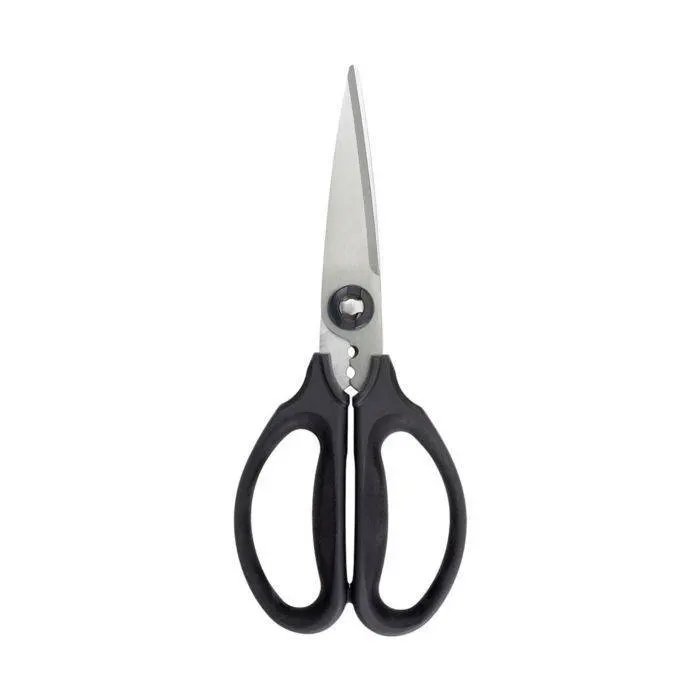
OXO Good Grips Multi-Purpose Kitchen Shears and Herb Scissors
The inexpensive kitchen tool that quietly does three jobs a knife would do badly in a cramped van galley — snipping herbs directly into a pot, spatchcocking a chicken, and opening stubborn clamshell packages without pulling out a blade. OXO's soft cushioned handles make these usable one-handed, and the take-apart design means you can actually clean them.
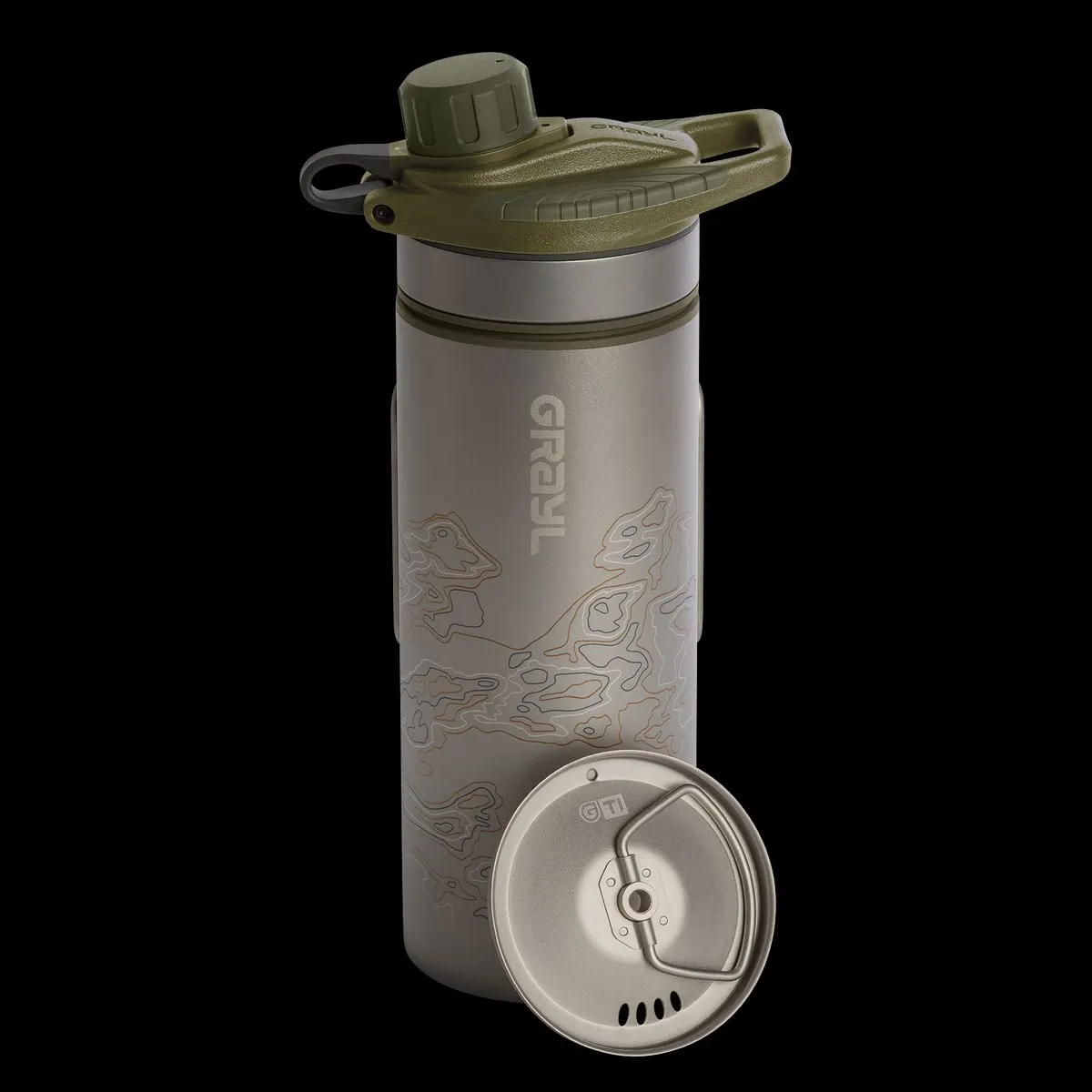
For: Travel and untreated water
Grayl GeoPress 24oz Water Purifier Bottle
A bottle-style purifier that Grayl rates to remove viruses, bacteria and protozoa and to reduce many chemicals, heavy metals and microplastics, in one eight-second press with no pumping, power or tablets. It is the only portable purifier on this site with published virus-removal figures and a named EPA test protocol, which matters for international travel and sources downstream of people or livestock. It is for fresh water only (not salty or brackish), and the cartridge must be replaced on schedule.