Minivan Weekend Camper
Disclosure: As an Amazon Associate I earn from qualifying purchases. Links to Amazon on this page are affiliate links: if you buy through one, VanLifeKitchens.com may earn a commission at no extra cost to you. Read our affiliate disclosure.
The build philosophy
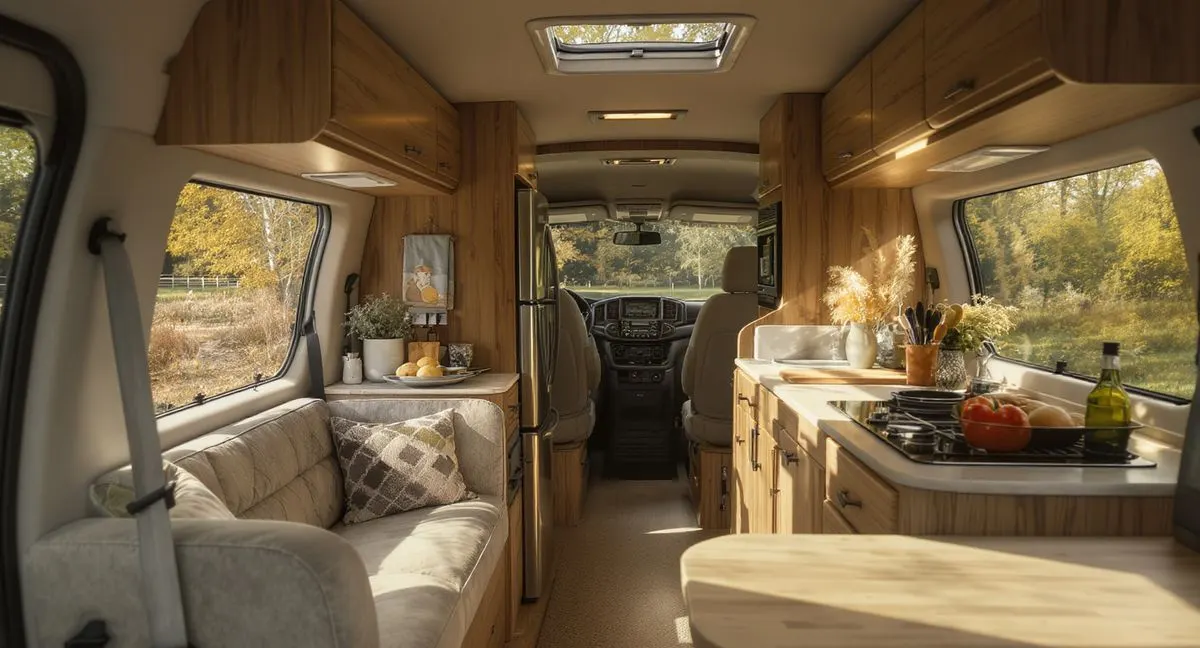
The Minivan Weekend Camper is the build for parents who want to cook real food on camping trips without buying a van they will use 30 nights a year. It is a Honda Odyssey or Toyota Sienna with the rear seats removed, a sleeping platform for two adults and a kid, and a slide-out drawer kitchen behind the middle row that deploys in 60 seconds. As a budget-to-mid-range build, it sits in the sweet spot between the ultra-minimal Outback build and a full van conversion — enough capability to cook proper meals, not so much investment that you feel guilty when the minivan sits in the driveway for three weeks between trips.
The core insight behind this build is that a minivan with the rear seats out has roughly the same cargo volume as a short-wheelbase van. A Honda Odyssey's cargo area with the third row removed is 83 inches long and 50 inches wide at the widest point. That is enough for a queen-size sleeping platform in the back, a kitchen drawer system behind the middle row, and a fridge tucked against the wall where it does not interfere with either. The middle row stays in because it carries the kids during driving. The kitchen lives in the space between the middle row and the sleeping platform — about 24 inches of depth that becomes a fully functional cooking zone when the drawer slides out through the sliding door.
The philosophical difference between this build and a full van conversion is permanence. Nothing in this build is permanent. The drawer system sits on the floor with non-slip pads and a single ratchet strap. The fridge plugs into the 12V outlet. The sleeping platform is three pieces of plywood with folding legs. On Monday morning, the plywood stands in the garage, the drawer slides against the wall, and the minivan goes back to soccer practice duty with all three rows of seats in place. The design aims for a conversion you can do and undo in well under an hour; how long it takes depends on your van and practice.
The kitchen zone
The kitchen lives in a slide-out drawer system built from 3/4-inch birch plywood, measuring 48 inches wide by 22 inches deep by 14 inches tall. The drawer slides out through the minivan's sliding door on full-extension ball-bearing slides, creating a 48-inch wide cooking surface at about 30 inches off the ground (the height of the minivan's floor plus the drawer height). It is slightly lower than standard counter height, which works fine for cooking and is actually better for kids who want to help.
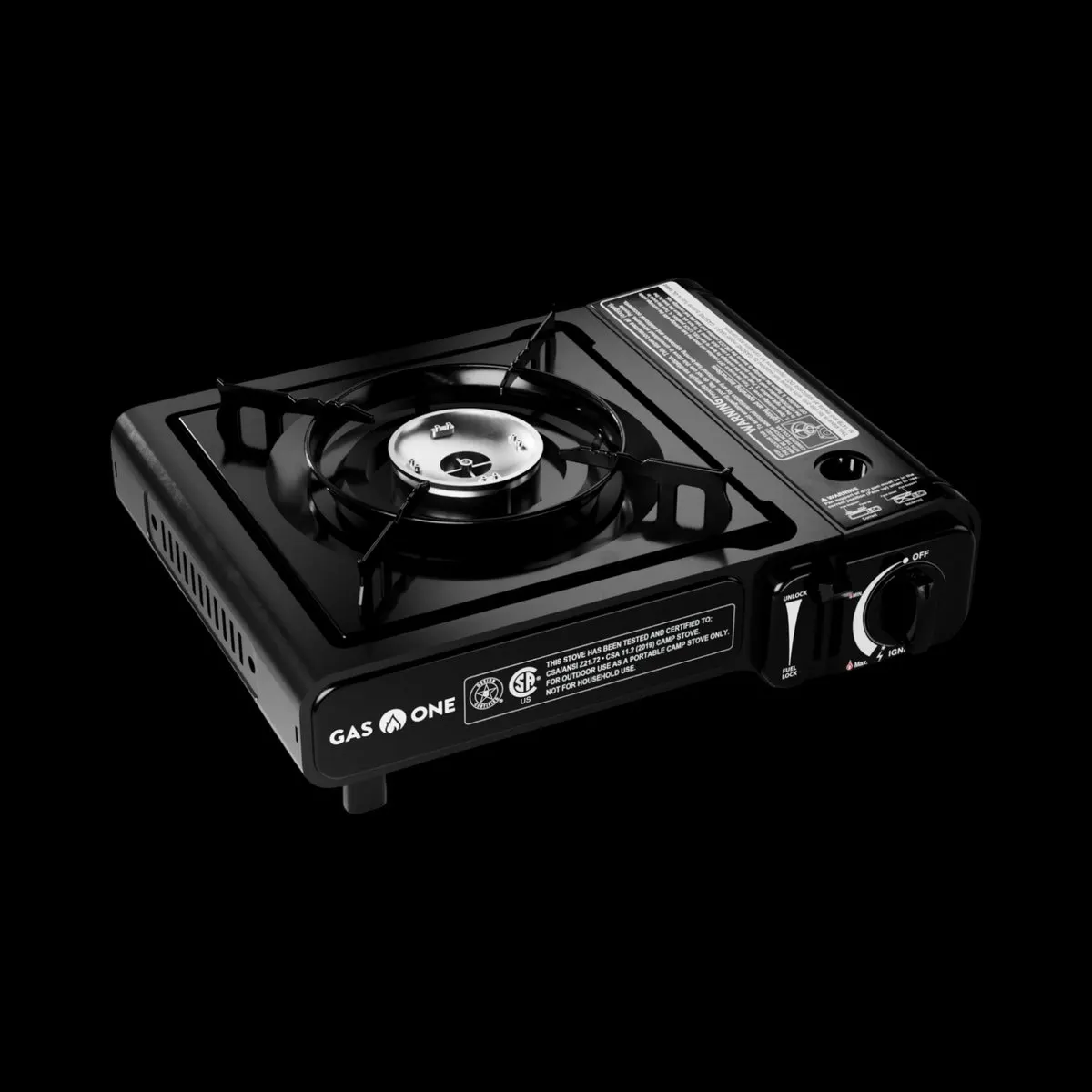
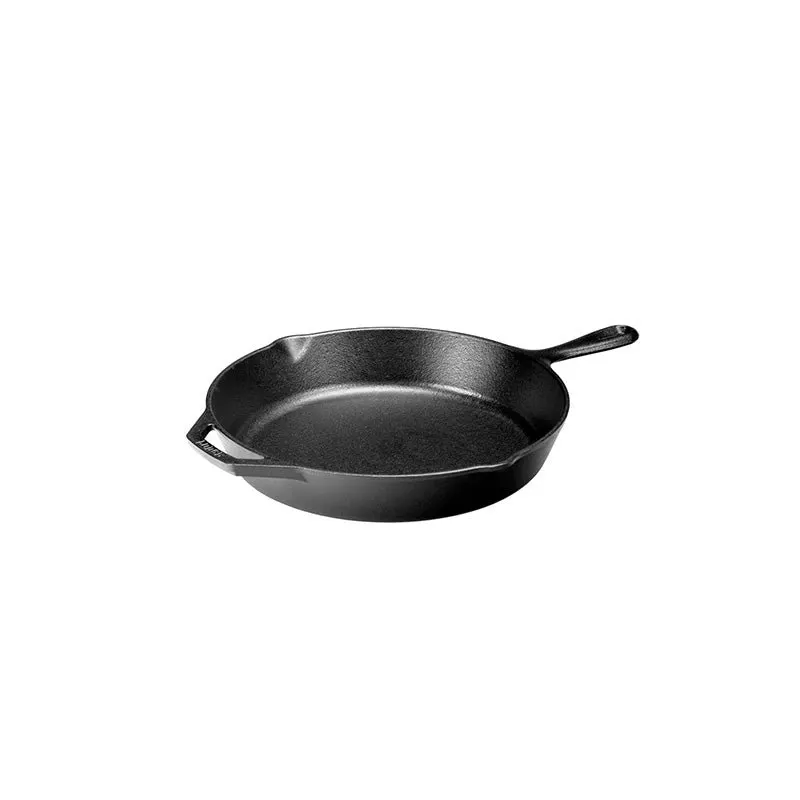
The drawer has three compartments. Left compartment: the Gas One butane stove and three butane cartridges for transport, with a heat shield of aluminum flashing on the bottom and sides. In summer a closed minivan in the sun can get hotter than the 104°F (40°C) storage limit Iwatani gives for butane canisters, so on hot days the spare cartridges ride in a shaded spot low in the cabin rather than baking in the drawer, and they never sit on the dashboard. Center compartment: the cookware — Lodge cast iron skillet, a 2-quart pot with lid, the John Boos cutting board stood on edge, utensils in a rolled canvas wrap. Right compartment: dry goods, spices in a small weathertight container, dish soap, sponge, collapsible dish bin, trash bags, lighter, paper towels.
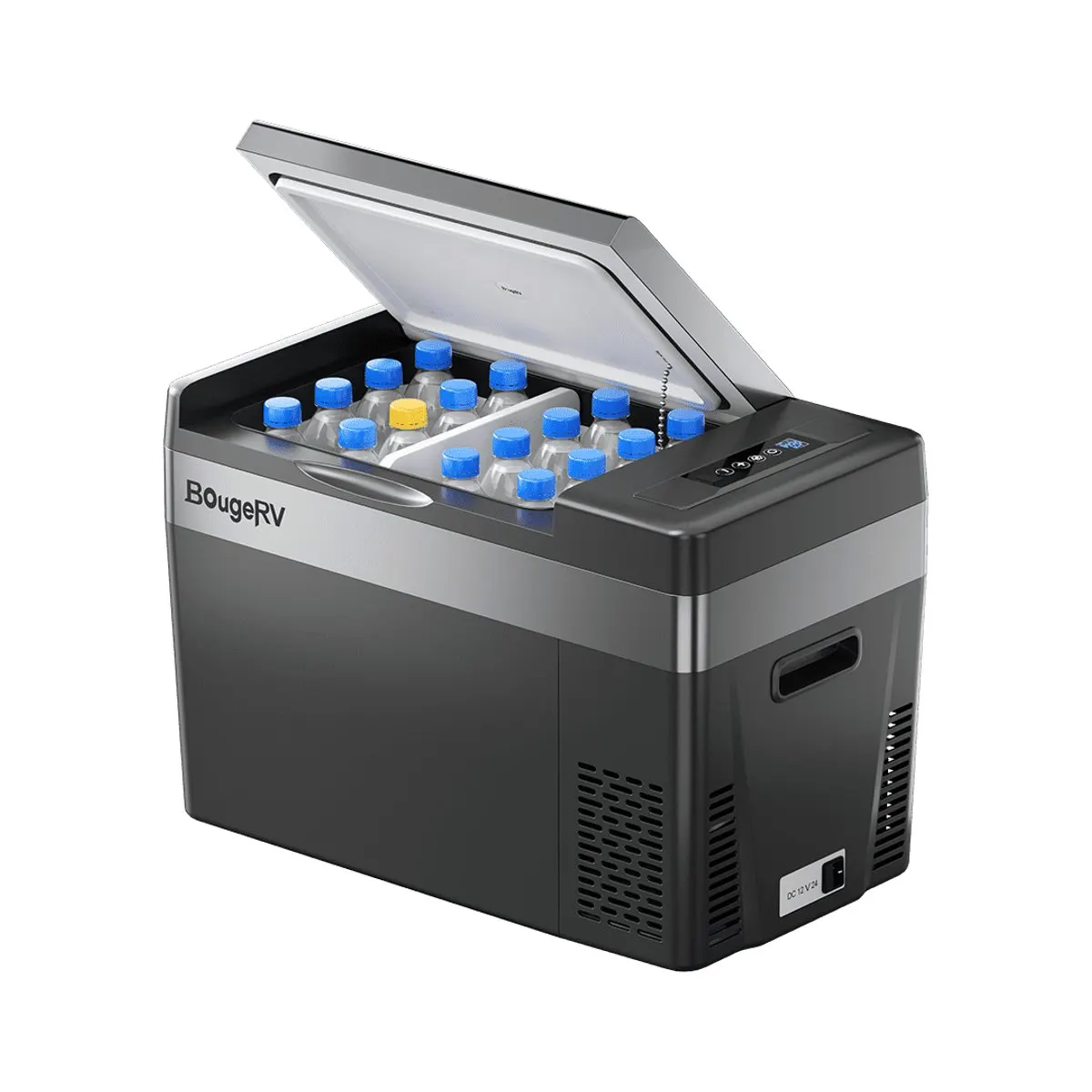
The BougeRV 30Qt fridge sits to the right of the drawer system, against the passenger-side wall of the cargo area, plugged into the 12V outlet. It does not slide — it stays in position during driving and during cooking. The LifeStraw Home pitcher sits on top of the fridge when parked.
Cooking workflow: open the sliding door, pull the drawer out until it locks at full extension, take the Gas One stove out, set it on a small folding table next to the van, and cook. The drawer top is the prep counter, not the stove stand. Portable butane stoves are labelled by their manufacturers for outdoor use, and a stove on a drawer that sits half inside the doorway puts the flame next to the van's interior trim, seat fabric and the sleeping area, where combustion gases can drift in. On the table, keep the flame well clear of the open door and anything above it. Everything you need is in the drawer or in the fridge two feet to the right. When done, stove and cookware go back in the compartments, drawer slides in, sliding door closes. The kitchen is invisible from outside and from the middle row seats.
The gear list
- BougeRV 30Qt 12V compressor fridge
- Gas One GS-1000G butane stove
- Lodge 10.25-inch cast iron skillet
- OXO Good Grips kitchen shears
- John Boos R-Board 18x12 cutting board
- LifeStraw Home Gravity Pitcher
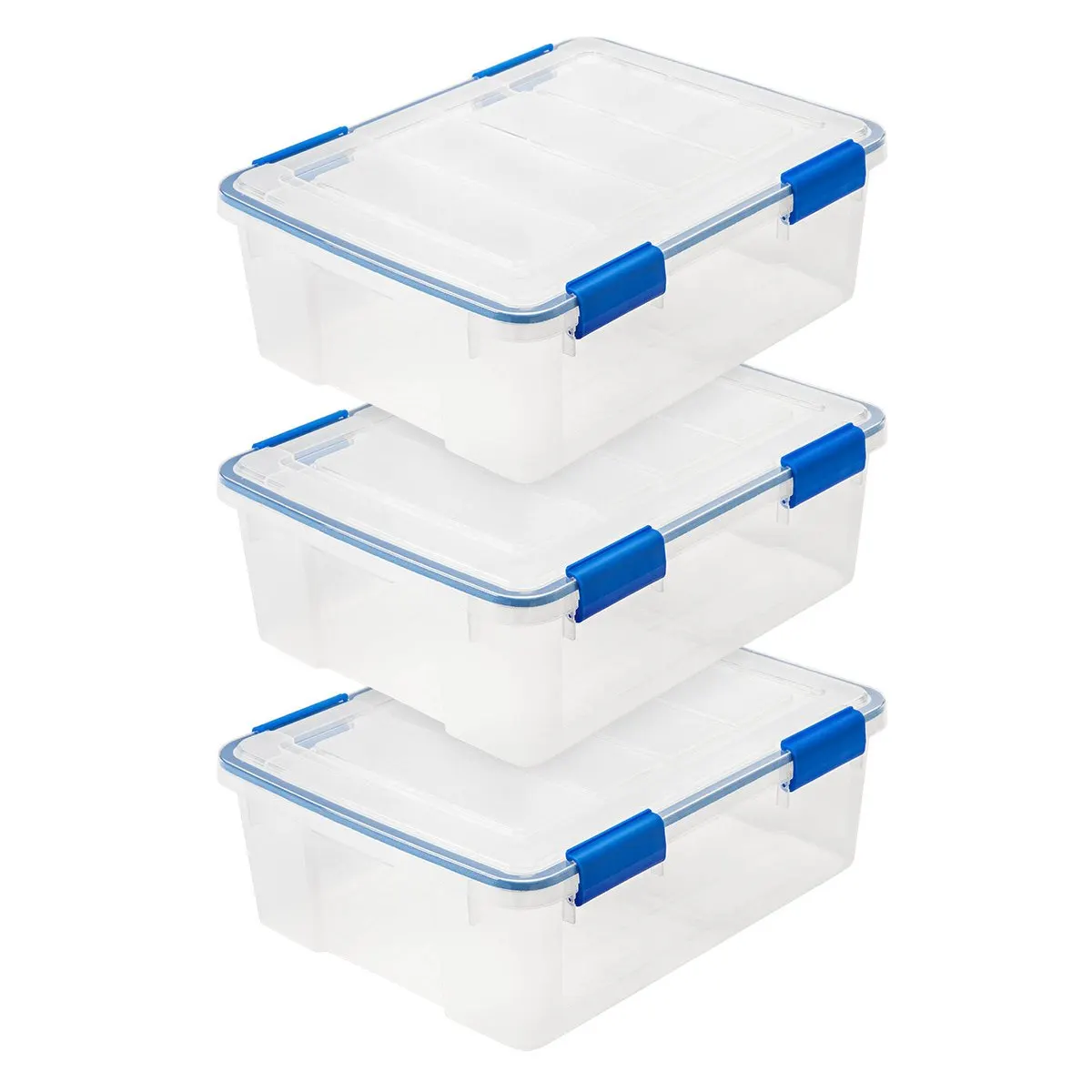
- IRIS USA Weathertight 19-Qt bins (two bins: pantry + kitchen misc)
- 100Ah AGM battery
- Battery isolator (ACR)
- 12V distribution panel and wiring
- 3-gallon water jug with spigot
- Collapsible dish bin
- Butane cartridges (6-pack)
- Canvas utensil roll with basic set
The list splits into two parts. The 100Ah AGM battery, the isolator, the distribution panel, and the wiring are technically electrical infrastructure, not kitchen gear, and they're a meaningful share of the total. If you run the fridge exclusively from the factory 12V outlet (which works for weekend trips with daily driving), you can skip them and keep this a true budget build. With the auxiliary battery for longer stationary camping, it moves toward mid-range. Check current prices on Amazon, since they move often.
Electrical setup
The 100Ah AGM battery sits in a battery box behind the driver's side rear wheel well, connected to the minivan's starter battery through an ACR (automatic charging relay) isolator. When the engine runs, the alternator charges both batteries. When the engine is off, the isolator disconnects them so the fridge cannot drain the starter battery.
Daily draw from the auxiliary battery:
- BougeRV fridge: 25-30Ah/day in mild weather (a planning estimate from its rated 3.75A ECO-mode draw; plan for 40Ah or more in hot weather)
- Interior LED light strip: 2Ah/day
- USB charging for phones and tablets: 5Ah/day
- Small fan for hot nights: 4Ah/day
Total daily draw: about 36-41Ah. The 100Ah AGM provides roughly 50Ah of usable capacity at 50% depth of discharge (AGM batteries should not be drawn below 50% regularly). That is about 30 hours of operation — one full day and one night of stationary camping without driving.
On a typical weekend trip with two to three hours of driving per day, the alternator fully recharges the auxiliary battery during each drive. For a stationary weekend at a single campsite (Friday night through Sunday morning with no driving Saturday), the battery handles Friday night and Saturday comfortably, starts to get low Saturday night, and benefits from a 20-minute idle Sunday morning before the drive home. This is the exact use pattern most parents follow, and the 100Ah AGM handles it without drama.
No solar. No inverter. No shore power. The butane stove handles all cooking without electrical input, and the fridge is the only significant 12V draw. This build's electrical system is inexpensive and simple, but it still involves heavy cable from the starter battery, so follow the ACR and battery makers' installation instructions: a fuse close to each battery on the positive cable, cable sized for the current and run length, a secured battery box, and no cables chafing on sheet metal. It can be an afternoon job; if you aren't confident with vehicle wiring, or your insurer requires it, have an auto electrician or qualified installer do it. Some newer minivans have smart alternators or battery sensors that affect how an ACR behaves, so check compatibility for your model first.
Water setup
A 3-gallon water jug with a spigot and a LifeStraw Home gravity pitcher. That is the entire water system.
The jug provides cooking water, drinking water, and cleanup water. The LifeStraw pitcher filters campground and municipal tap water: pour water in the top, and it passes through a membrane microfilter and a carbon/ion-exchange stage. LifeStraw rates the membrane to remove bacteria and parasites, lists tests to NSF/ANSI 42 and 53, NSF 401 and NSF P231, and says it reduces lead, mercury, chlorine and microplastics. It does not claim to remove viruses, and LifeStraw designs it for tap water, not for untreated sources like streams. For a family filling up at campground spigots, it mainly improves taste and adds a margin of safety. If you ever need to drink from a stream or lake, boil the water or use a purifier rated for viruses.
Three gallons lasts a family of three about one and a half days with cooking and basic cleanup. For a two-night weekend trip, bring two jugs (a small extra cost) or plan to refill at a campground spigot once. Water management is the most manual part of this build, and it is the first thing most families upgrade after a few trips — see the upgrade path section.
Grey water goes into the collapsible dish bin and gets dumped at a campground utility sink or packed out in a sealed jug. At the volumes a weekend trip generates (maybe 3-4 gallons of grey water), this is a non-issue.
A typical weekend camping trip
Here is what a Saturday looks like with two parents and one or two kids, because the kitchen has to work for the whole family or it does not work at all.
Friday 6:00 PM — Load and leave. The drawer system slides into the cargo area through the rear hatch and sits on its non-slip pads. Ratchet strap hooks to a floor anchor. Fridge goes in next to it, plugs into the 12V outlet (or the auxiliary battery, if installed). Sleeping platform plywood goes on top of the fridge and drawer, creating the bed surface. Sleeping bags and pads go on top. Grocery bag into the fridge — pre-prepped where possible, because chopping onions in a minivan parking lot at 10 PM after a four-hour drive is nobody's idea of fun. The cooler bag with tomorrow's breakfast ingredients sits on top of the fridge for easy access. Total load time: 20 minutes. Kids are already in their car seats.
Friday 10:00 PM — Arrive at camp. Late arrival means no cooking tonight. Snacks from the fridge, maybe a thermos of soup that was heated at home before departure. Pull into the campsite, open the sleeping platform, inflate the pads, and everyone is asleep by 10:45. The fridge hums quietly in the cargo area, drawing maybe 2 amps from the auxiliary battery.
Saturday 7:00 AM — Breakfast. The kids are awake at dawn because children do not understand sleeping in. Open the sliding door, pull the drawer out. Gas One stove onto the folding table beside the van. Fill the kettle from the water jug, boil for coffee (AeroPress or pour-over for the parents, hot chocolate for the kids). The Lodge cast iron gets a splash of oil for pancakes — the 10.25-inch skillet makes one large pancake at a time, and a batch of six takes about 15 minutes. Maple syrup from the fridge. Fruit from the fridge, sliced on the John Boos board with the OXO shears doing the grape-halving duty that keeps toddlers from choking.
Breakfast for four takes about 25 minutes of active cooking. The kids eat on a picnic blanket next to the van while the cooking parent finishes up. This is the rhythm that works: one parent cooks, one parent supervises kids, the kitchen is small enough that one person can run it efficiently.
Saturday 12:00 PM — Lunch at the trailhead. After a morning hike, lunch is cold from the fridge — sandwiches assembled on the cutting board at the open sliding door, carrots and hummus, cheese sticks, trail mix. A compressor fridge like the BougeRV keeps deli meat and cheese at safe temperatures through a day of lid openings, as long as the lid goes back down quickly. The LifeStraw pitcher fills from the trailhead's treated water tap. Lunch is a 10-minute affair with zero cooking and zero cleanup beyond wiping the cutting board.
Saturday 5:00 PM — The real dinner. Back at camp. This is the meal that justifies the whole build — the meal that would be freeze-dried backpacker food or a sad campground hot dog without a proper kitchen.
Pull the drawer, set up the stove on the small folding table next to the van, as at every meal. Put the table on the side away from where the kids are playing, and keep them a few steps back from the flame and the hot skillet. The Lodge skillet goes on the Gas One. Brown a pound of ground beef or diced chicken thighs. Remove the protein, sautee onions and peppers in the same skillet. Add canned black beans, canned tomatoes, cumin and chili powder from the spice container, and the protein back in. Simmer for 15 minutes. Serve over rice that cooked in the 2-quart pot simultaneously (the pot sits on a second small burner stand or waits for the skillet to finish — one-burner cooking requires sequencing, and the trick is to cook the rice first, set it aside with the lid on to stay warm, then use the burner for the skillet work).
Tacos, burritos, rice bowls — whatever the family agrees on. The OXO shears mince cilantro directly over the plates. The John Boos board handles the avocado and the lime. Real food, real flavors, real dinner. The kind of meal that makes kids say "this is better than camping food" because it is not camping food — it is just food, cooked in a small kitchen.
Saturday 7:00 PM — Cleanup. Heat water in the pot on the stove. Pour into the collapsible dish bin with a squirt of dish soap. Wash the skillet (hot water and a scraper, no soap on the cast iron), wash the pot, wash the plates and utensils. Rinse with clean water from the jug. Grey water goes into the bin and gets dumped at the campground utility sink 50 yards away. Stove and cookware back in the drawer. Drawer slides in. Sliding door closes. Kitchen gone, campsite clean, kids are making s'mores over the fire ring.
Sunday 8:00 AM — Break camp. Quick breakfast — oatmeal on the stove, fruit, coffee. Pack up. The sleeping platform plywood comes out first, then the fridge, then the drawer. Everything back in the garage. The minivan looks like a normal minivan. Nobody at school pickup on Monday suspects it was a camper 12 hours ago.
Why a minivan instead of a real van
The case for the minivan conversion over a dedicated van is economic and practical.
A used Honda Odyssey or Toyota Sienna (2015-2020, 60-100K miles) costs considerably less than a used Sprinter or Transit in similar condition. The minivan is your daily driver — school runs, grocery shopping, commuting. The van is a second vehicle with insurance, registration, maintenance, and parking costs even when it sits unused.
For a family that camps 20-40 nights a year, the minivan conversion delivers most of the cooking capability at a fraction of the cost. The fridge holds temperature. The stove cooks real food. The storage is organized. The sleeping platform fits two adults and a child. The only thing missing compared to a full van conversion is standing room, an interior kitchen you can use in the rain (which in a van means induction or a professionally installed RV cooktop, never a camp stove), and plumbed water — and for weekend use, those gaps are manageable. On rainy weekends, a pop-up canopy over the folding table, pitched high enough to keep the fabric well clear of the flame, keeps the cook dry.
The minivan also has one advantage a cargo van does not: sliding doors on both sides. The kitchen deploys from the passenger sliding door. Gear loads through the rear hatch. Kids enter through the driver sliding door. Nobody has to climb over anything to get anywhere. In a cargo van with a single sliding door, the kitchen blocks the entry or the entry blocks the kitchen. The minivan's dual sliding doors solve a layout problem that van builders spend a lot of money engineering around.
The upgrade path
The Minivan Weekend Camper grows in predictable stages based on what annoys you first.
- Year 1: as-built. Weekend trips, the occasional week-long vacation. Learn what works, figure out what bothers you. The budget kitchen handles everything a 2-3 night trip demands.
- Year 2: add a 100W portable solar panel. This eliminates the "drive to recharge" constraint and lets you camp stationary for three or four days at a time. The panel unfolds on the ground next to the van, connects to the AGM battery through a small charge controller, and keeps the fridge running indefinitely on sunny days. It's one of the cheapest upgrades with the biggest payoff.
- Year 2-3: upgrade the water system. Replace the 3-gallon jug with a 7-gallon rigid tank and a small 12V pump with a faucet mounted on the drawer. This turns "pour from a jug" into "push a button for running water" and meaningfully improves the dishwashing experience, for a modest outlay.
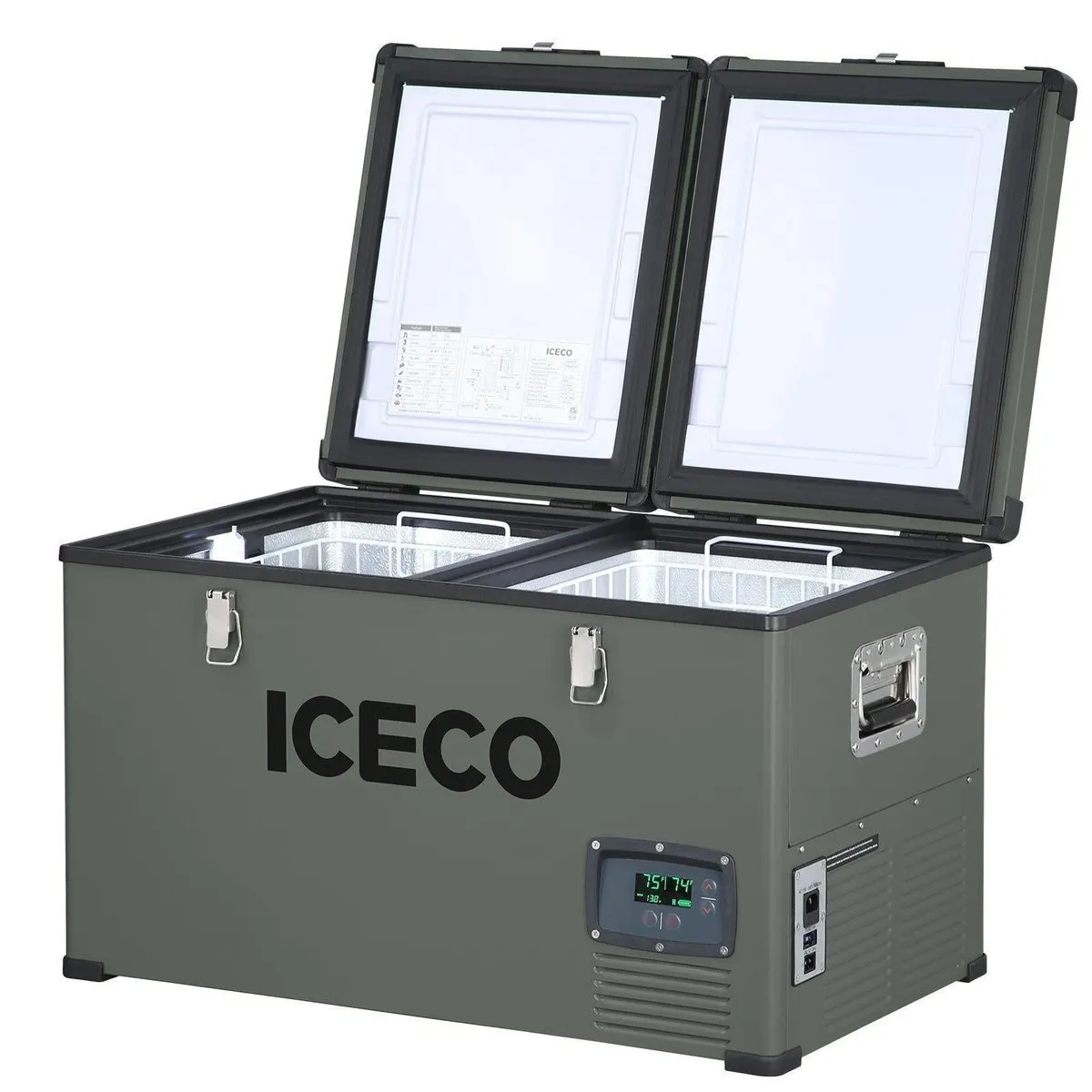
- Year 3: upgrade the fridge. The BougeRV 30Qt is good for weekends. For week-long trips with a family, a dual-zone fridge like the 60L Iceco VL60 is the big (and most expensive) upgrade — a separate freezer compartment for meat storage and far more room for fresh produce. It is also heavy (64 lbs) and uses more power with both zones running (plan on about 45Ah/day), so pair it with the solar upgrade above or a lithium battery. If you only need more space, not a freezer, the single-zone 40L ICECO JP40 Pro costs less and has wheels and a Secop compressor.
- The van question. After two or three years of minivan camping, most families know whether they want a dedicated van or not. If the answer is yes, every piece of kitchen gear transfers to the van. If the answer is no (and for many families, it is genuinely no), the minivan setup is a permanent solution that keeps getting better with small upgrades.
Who should copy this build
If you are a parent with a Honda Odyssey, Toyota Sienna, Chrysler Pacifica, or Kia Carnival, if you camp 10-40 nights a year and want your kids to eat real food on those trips, if you do not want to buy a second vehicle, and if you value the ability to convert your van back to a family hauler quickly — this is your build. For a gear-by-gear version of a one-to-three-night kit that marks which items you can borrow from your home kitchen, see the portable kitchen kit checklist for weekend car camping.
It is also the right build for couples who own a minivan and want a low-commitment way to try the camping-kitchen lifestyle before investing in a dedicated rig. The entry cost is low enough that the downside of "we tried it and didn't love it" is a Craigslist listing, not a financial crater.
This is not the right build for full-time travelers (the space and electrical constraints make it a weekend-to-week-long rig, not a year-round home), for families of five or more (the sleeping platform maxes out at two adults and one or two small children), or for anyone who needs to cook in all weather conditions (the exterior-only kitchen is the biggest limitation). For full-time family travel, see the School Bus Family Galley. For a more capable van conversion, see the Promaster Off-Grid Chef.
See the budget van kitchen guide for the gear philosophy behind this build's kit selection, and the van kitchen storage solutions guide for the drawer-based organization system that makes the slide-out kitchen work in a tight space.
Products in this example build
Disclosure: As an Amazon Associate I earn from qualifying purchases. Links to Amazon on this page are affiliate links: if you buy through one, VanLifeKitchens.com may earn a commission at no extra cost to you. Read our affiliate disclosure.

The Gear List

For: Main prep board, one counter
John Boos R-Board Edge-Grain Maple Cutting Board 18x12
A 1.5-inch, reversible edge-grain hard maple board sized for a van galley. John Boos has made boards in the USA since 1887; the maple is gentler on knife edges than bamboo, can be sanded smooth when scarred, and the 18x12 size suits a single-counter van kitchen. It is heavy and needs monthly oiling.
For: Herbs, packaging, light poultry
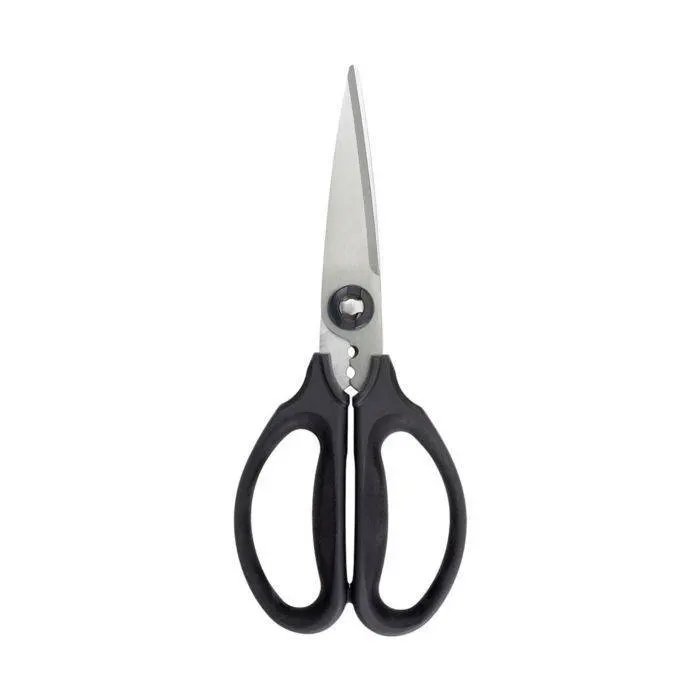
OXO Good Grips Multi-Purpose Kitchen Shears and Herb Scissors
The inexpensive kitchen tool that quietly does three jobs a knife would do badly in a cramped van galley — snipping herbs directly into a pot, spatchcocking a chicken, and opening stubborn clamshell packages without pulling out a blade. OXO's soft cushioned handles make these usable one-handed, and the take-apart design means you can actually clean them.
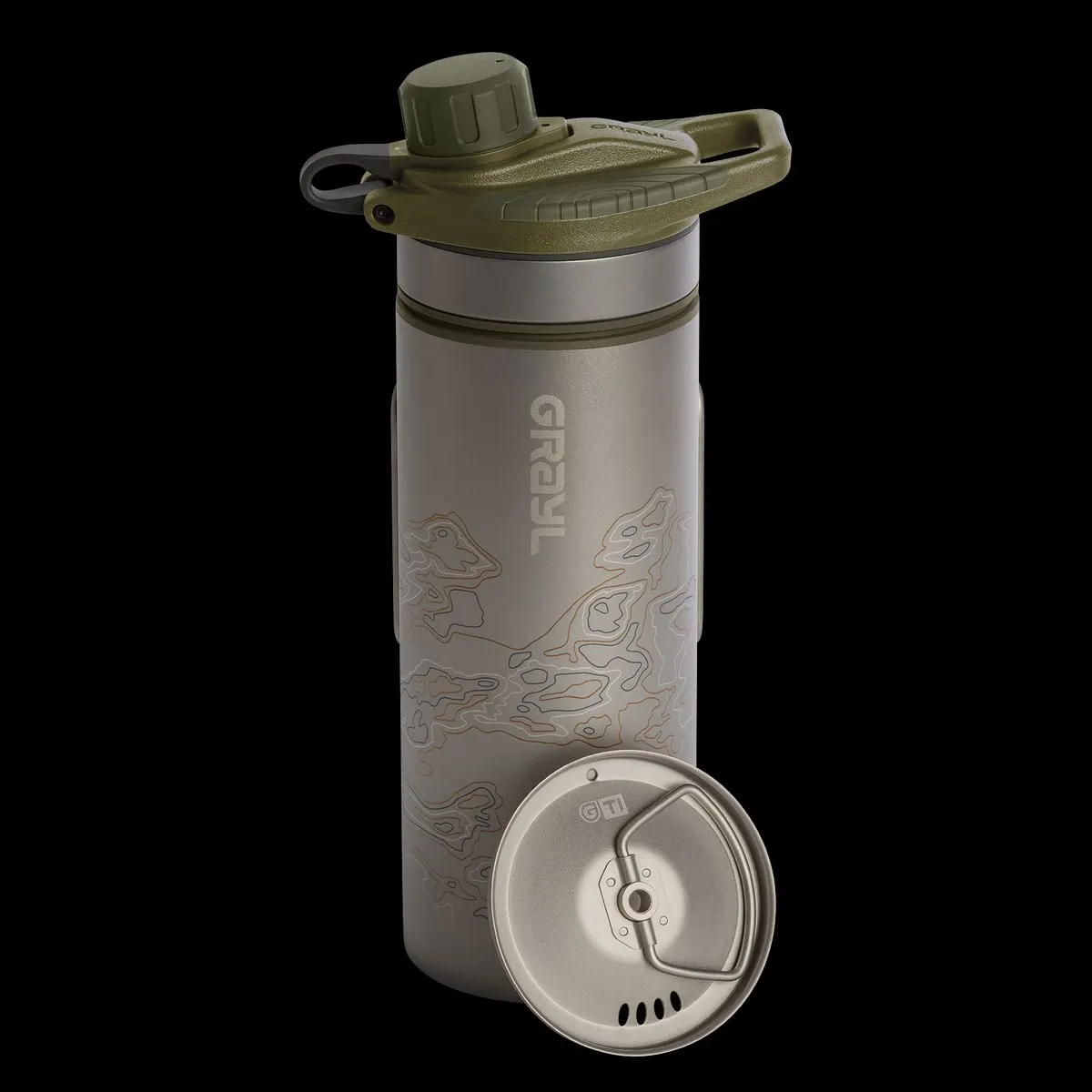
For: Travel and untreated water
Grayl GeoPress 24oz Water Purifier Bottle
A bottle-style purifier that Grayl rates to remove viruses, bacteria and protozoa and to reduce many chemicals, heavy metals and microplastics, in one eight-second press with no pumping, power or tablets. It is the only portable purifier on this site with published virus-removal figures and a named EPA test protocol, which matters for international travel and sources downstream of people or livestock. It is for fresh water only (not salty or brackish), and the cartridge must be replaced on schedule.