The Tacoma Overlander
Disclosure: As an Amazon Associate I earn from qualifying purchases. Links to Amazon on this page are affiliate links: if you buy through one, VanLifeKitchens.com may earn a commission at no extra cost to you. Read our affiliate disclosure.
The build philosophy
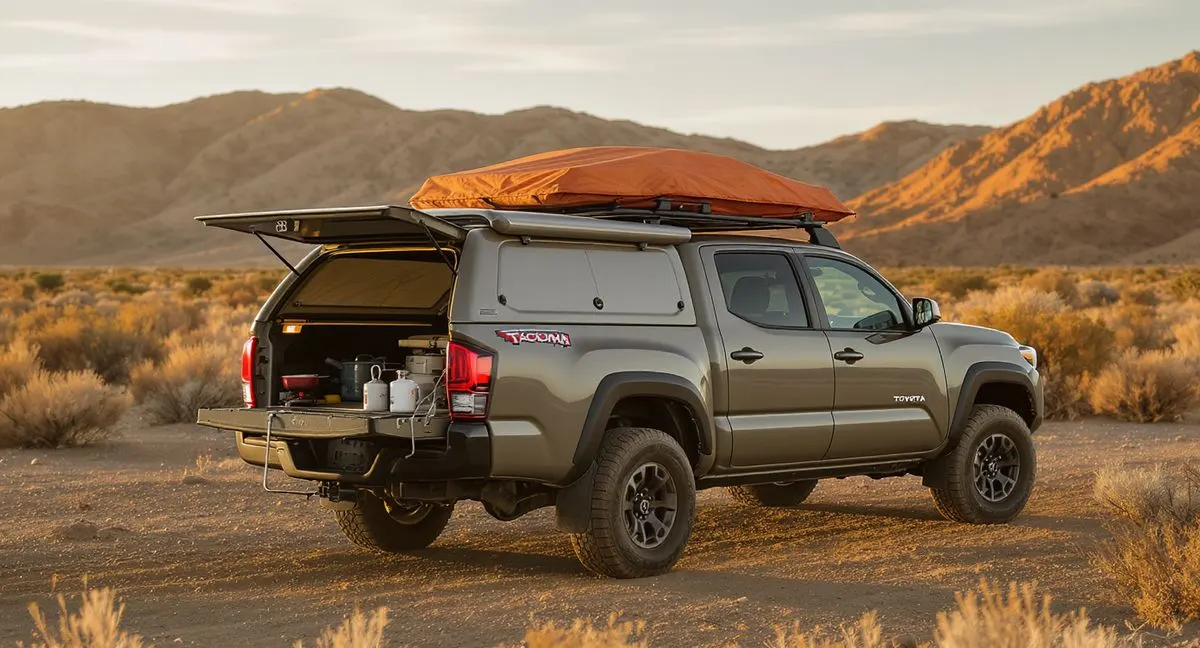
The Tacoma Overlander is the build for people who do not own a van. It is a 2nd-generation Toyota Tacoma (double cab, short bed) with a fiberglass camper shell and a rooftop tent on the cross bars, built around a kitchen that deploys from the tailgate and packs down for daily driving. As a mid-range build, it costs less than any of our full-van setups, and the truck itself is a daily driver that doubles as a camper on weekends and long trips. Like every setup on this site, it is an example build assembled from manufacturer specs and common owner practice, not a truck we have built and camped in. For Tacoma owners who want to cook real food out of their existing truck without building a dedicated van, this is the template.
It is also the template we recommend to anyone who cannot commit to a full van build yet. Van life is expensive, van life is a lifestyle change, and van life sometimes doesn't stick. A Tacoma with a camper shell and a kitchen kit is the low-risk onramp: you can drive it to work every day, you can camp out of it every weekend, and if you decide you want more space, none of the gear you bought is wasted when you eventually upgrade to a real van.
The kitchen zone
There is no fixed kitchen zone. The tailgate of the Tacoma — when lowered, with the camper shell's rear glass flipped up — forms a 60-inch wide by 20-inch deep cooking counter that sits about 34 inches off the ground. This is almost identical in dimensions to a full van galley counter, just outside the vehicle instead of inside. When the tailgate is up and the glass is down, the entire kitchen stows in two large plastic totes in the truck bed alongside the sleeping gear.
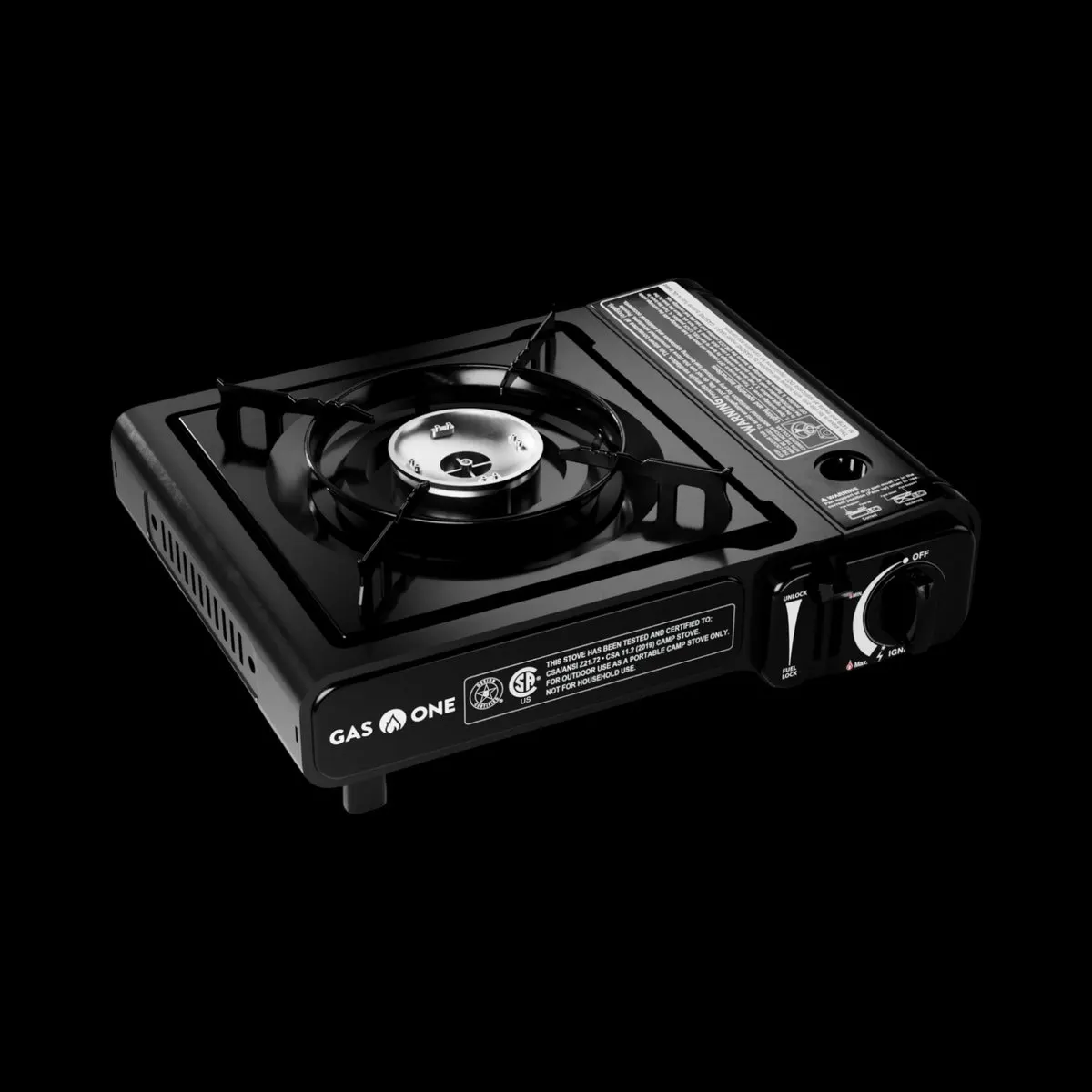
The cooking workflow: park at camp, lower the tailgate, pull the two kitchen totes to the tailgate edge, flip up the shell's rear glass to create an overhead rain cover for the cook, set up the butane stove on a folding table beside or behind the truck, and use the tailgate as the prep counter. The stove goes on the table rather than the tailgate for two reasons. Portable butane stoves are labelled by their makers for outdoor use, and a flame at the tailgate sits right at the opening of the shell you sleep in, where combustion gases can drift inside. And the raised rear glass sits low over the tailgate, much closer than the overhead clearance stove manuals ask for (Coleman's, for example, calls for 48 inches above the flame). The 40-quart fridge stays in the bed behind the cab where it does not need to move. Water comes from a 5-gallon jug with a pump mounted in the bed. Cleanup happens in a collapsible dish bin on the tailgate. Everything packs back into the two totes in about ten minutes when it's time to drive.
The gear list
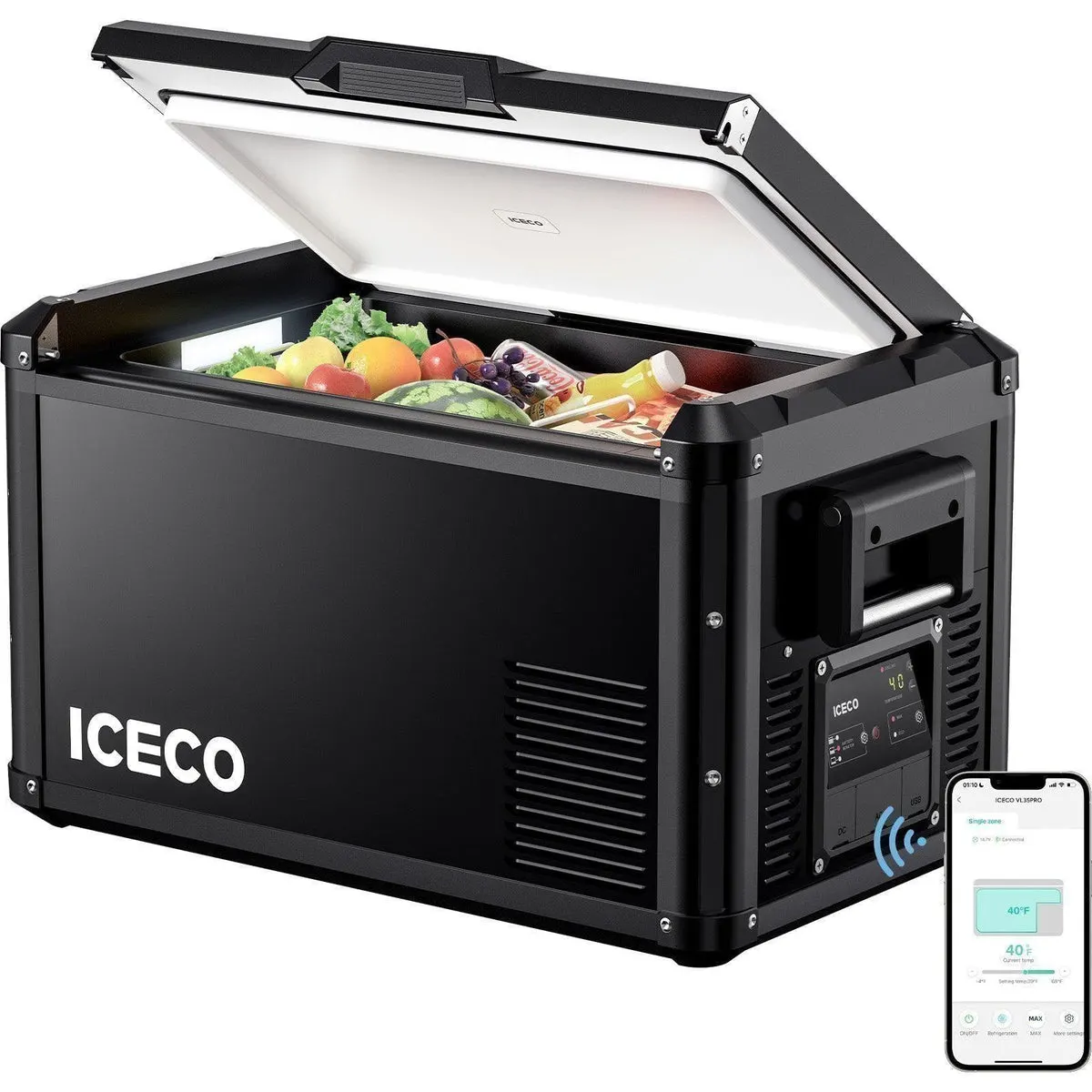
- Iceco VL35 ProS 35L compression fridge
- Gas One GS-1000G butane stove (the main cooktop: this build has no inverter for induction)
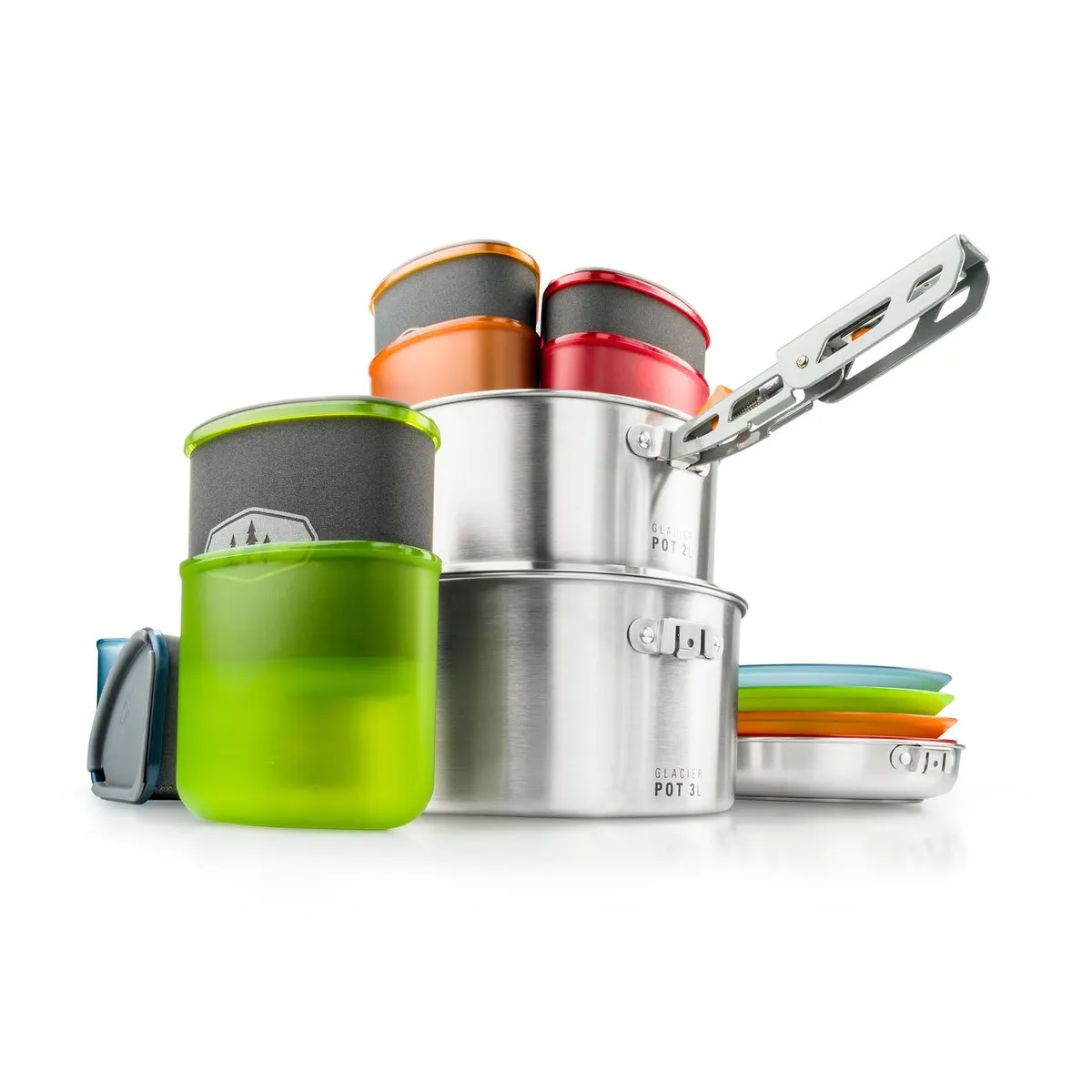
- GSI Glacier Stainless Camper cookset (3L + 2L pots, 9-inch fry pan, dinnerware for four)
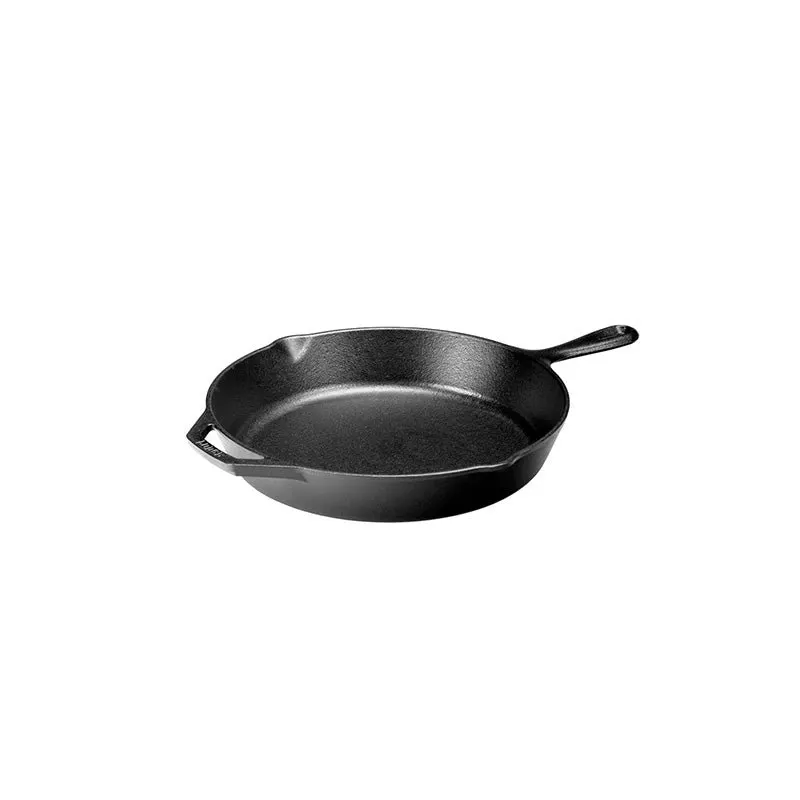
- Lodge 10.25-inch cast iron skillet
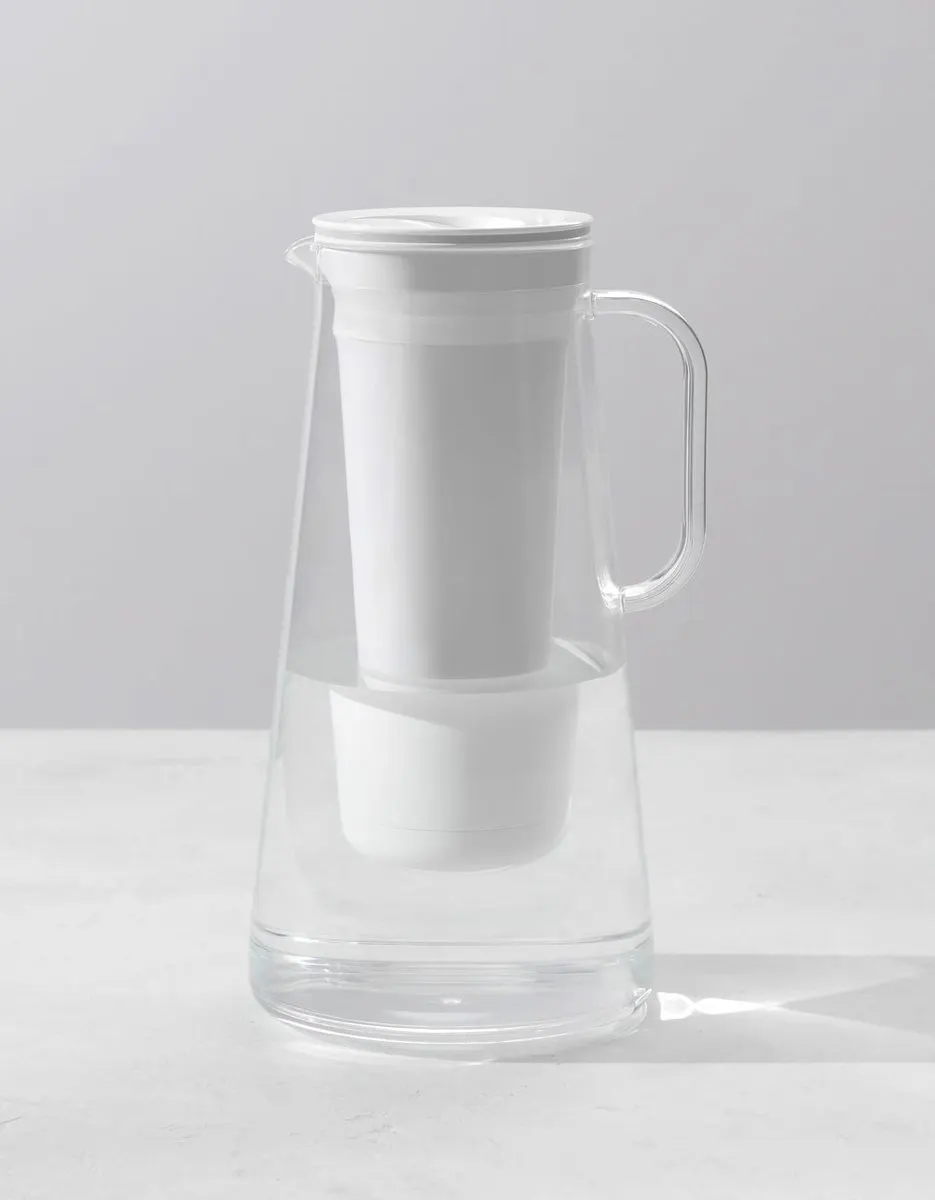
- LifeStraw Home Gravity Pitcher
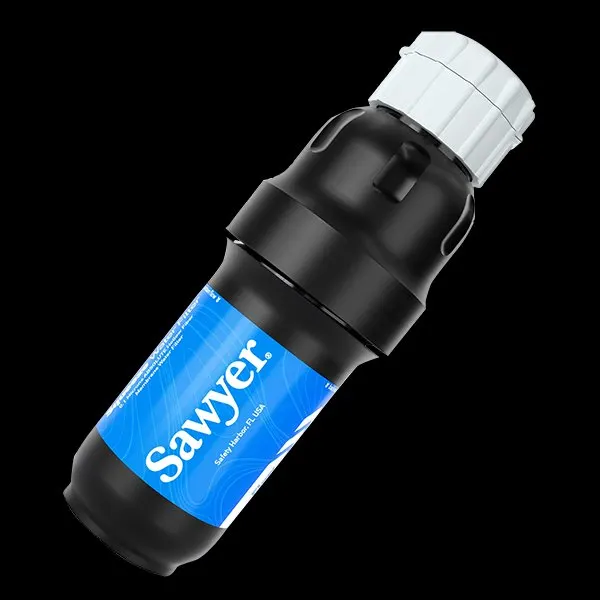
- Sawyer Squeeze water filter (backup)
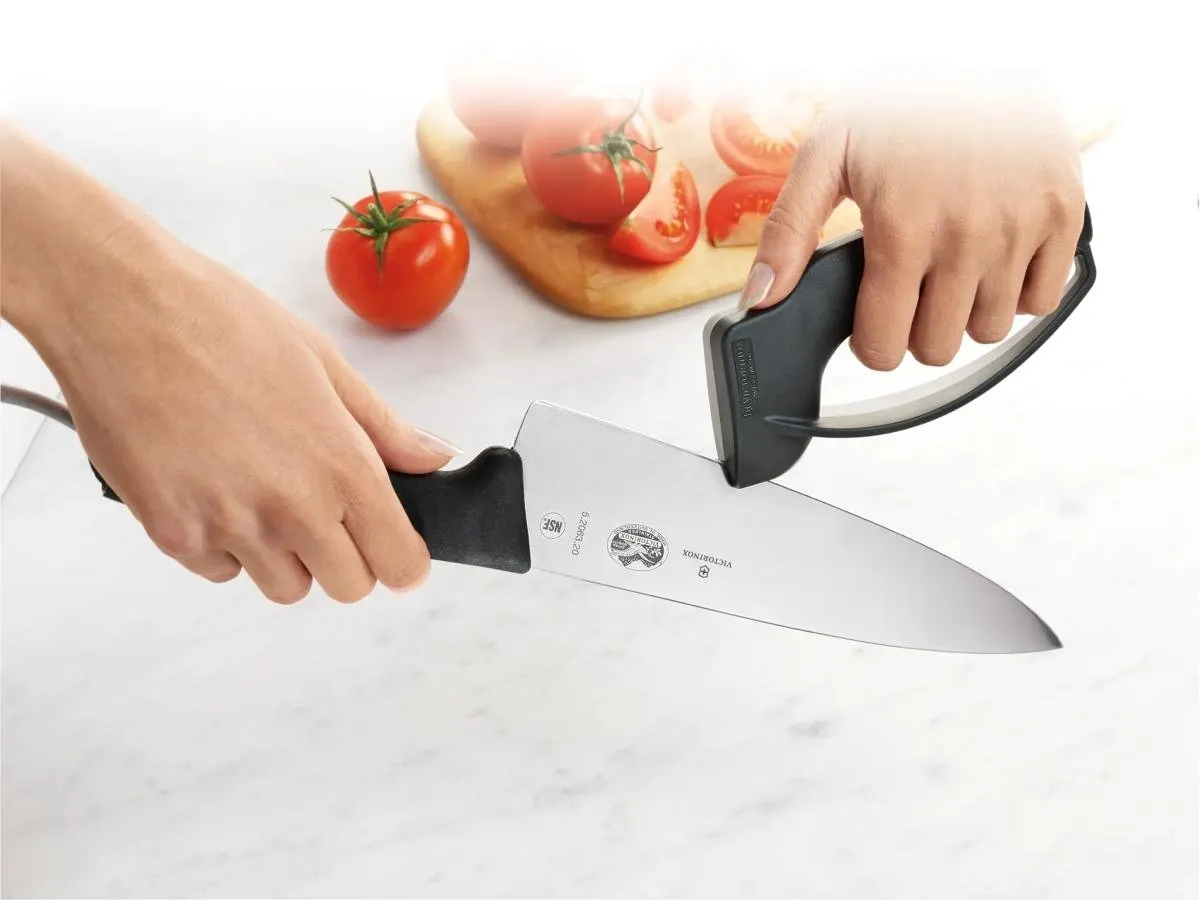
- Victorinox Fibrox 8-inch chef knife
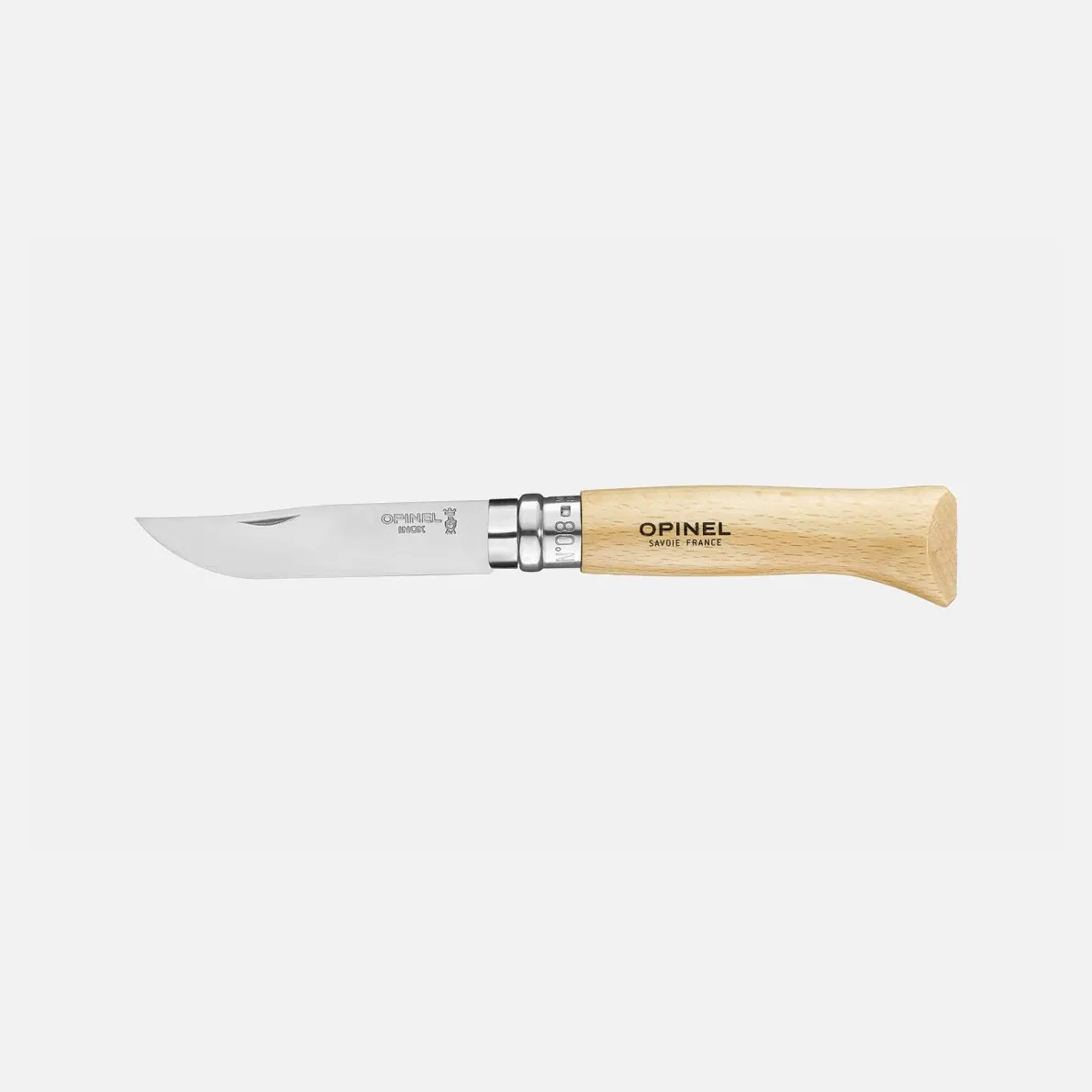
- Opinel No. 8 folding knife
- John Boos R-Board 18x12 cutting board
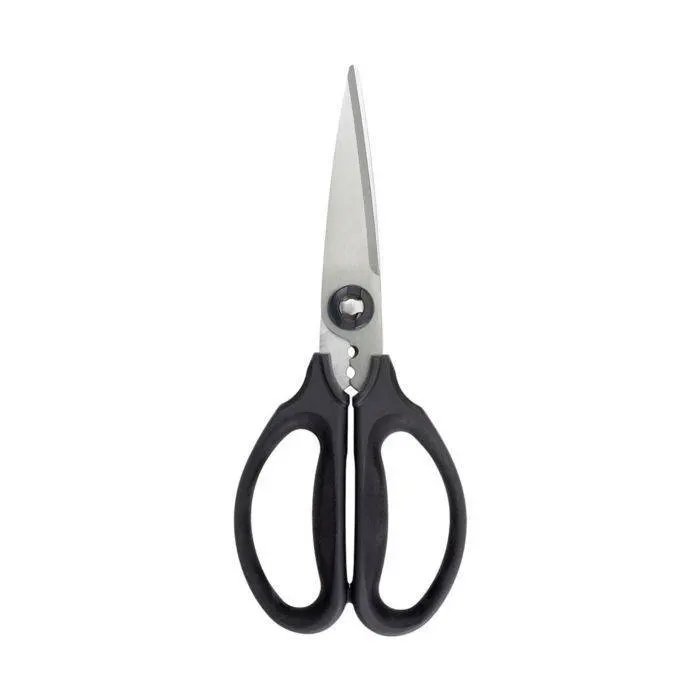
- OXO Good Grips kitchen shears
- IRIS USA Weathertight 19-Qt bins (x2 for kitchen totes)
- Front Runner Wolf Pack Pro storage bin (fridge platform)
- KitHero magnetic spice rack, 24 jars (on a steel plate bolted inside the shell wall, since fiberglass isn't magnetic)
- 5-gallon Aqua-Tainer water jug + USB pump
- Camping folding table (the stove stand, plus extra counter)
- Collapsible dish washing bin
- Butane cartridges (6-pack for a week)
The fridge is the biggest single purchase; most of the rest is budget-tier gear. Check current prices on Amazon, since they move often.
Add the fridge mounting hardware, the 100 Ah battery to run the fridge, and a small 12V distribution panel, and that's the whole kitchen. No cabinets, no plumbing, no custom install.
The camper shell setup
The camper shell is the critical piece of infrastructure that separates this build from "truck camping with a Coleman stove." A mid-tier fiberglass shell (Leer 100R, A.R.E. CX, or similar) is a significant purchase new, and a used one from Craigslist costs considerably less. The shell turns the truck bed from a weather-exposed storage space into a dry, lockable, insulated room that holds the kitchen gear and the sleeping platform.
The key shell features for this build: a rear flip-up glass (not a barn door), side windows that open for ventilation, an interior dome light, and headliner insulation. The flip-up glass is what creates the rain cover over the tailgate prep area; without it, cooking in any weather becomes miserable. Side windows with screens let you ventilate the shell and sleep in bug country without being eaten alive. The shell is never a place to run the stove: no cooking inside it, even with the windows open. A battery-powered CO alarm in the shell is a sensible last-line warning for sleeping near a campsite full of stoves and engines, not permission to cook inside.
Storage inside the shell: the front 2/3 of the bed becomes the sleeping platform (twin-size, built from three 12x24 interlocking plywood panels with foam pads on top). The rear 1/3 stays clear as the "galley zone" — this is where the fridge and the kitchen totes live during driving, and where the cook stands during meal prep. The fridge sits on a Front Runner Wolf Pack Pro bin lid, which gives it 8 inches of clearance and lets the bin below hold dry goods.
The electrical setup
A single 100 Ah AGM battery in the passenger footwell, charged by an ACR isolator from the truck's alternator, powers:
- Fridge (about 36 Ah/day, based on ICECO's 0.430 kWh/24h rating)
- Interior lights in the shell (2 Ah/day)
- 12V USB charging for phones (3 Ah/day)
- A small fan for hot nights (4 Ah/day)
Total daily draw: about 45 Ah, an estimate that uses ICECO's lab figure for the fridge; hot weather and frequent lid openings push it higher. On a driving day, alternator charging through the isolator recovers most or all of that, depending on how long you drive. A stationary rest day takes the 100 Ah AGM down to roughly 55% state of charge. AGM batteries last longest when kept above about 50%, so plan on one full rest day before needing a drive; a second day is possible only by discharging deeper and shortening battery life.
No inverter, no solar, no induction cooking from the battery. This is the deliberate budget-simplicity choice — adding solar and an inverter to this build would add considerably to the electrical cost, and the inexpensive butane stove already solves the cooking problem for about one cartridge of fuel per weekend. Electrical upgrades go on the wishlist for year two.
The battery, the isolator, the 12V panel, and the wiring together make a budget electrical system. Running cable from the engine bay to the cab still needs a fuse near each battery on the positive cable, cable sized for the current and length, grommets where it passes through metal, and a secured battery box. Follow the isolator and battery makers' instructions, and use an auto electrician or qualified installer if you aren't confident or your insurer requires one.
A typical camping day
6:30 AM — Coffee and breakfast. The rooftop tent ladder folds down into the bed. Flip up the shell's rear glass, drop the tailgate, and pull the Gas One butane stove from the kitchen tote. Set it on the folding table beside the truck, boil water for an AeroPress cup. Cast iron skillet goes on the butane for eggs and toast. Total from asleep to eating: about 15 minutes.
Midday. Truck is on the move between trailheads and forest roads. Lunch is cold out of the fridge — pre-made wraps, cheese and salami, whatever fits in the 35L. The 18x12 John Boos cutting board lives behind the rear seats and comes out for quick prep on the tailgate at any stop.
6:00 PM — Dinner at camp. Pull into a dispersed camping spot on public land, lower the tailgate, set up the stove on the table, cook a one-pan meal — pasta with sausage and vegetables, a skillet stir-fry, a stew in the Lodge cast iron. The OXO shears snip herbs directly into the pan. The Victorinox handles the cutting board work. Dinner takes about 40 minutes active cook time.
8:00 PM — Cleanup and stow. Dish bin with hot water from the kettle, dishes in, rinse, into the drying rack. Grey water into the 5-gallon grey jug. Stove into the first tote, cookware into the second, spice rack stays mounted on the shell wall with a strap across the jars. Tailgate up, glass down. The truck is ready to drive — five minutes from dinner table to ready-to-move-at-3-a.m.
Why a Tacoma instead of a van
Three arguments for the truck-camper approach over a dedicated van build.
First, daily driver compatibility. A Tacoma fits in a normal parking spot, parks in a standard garage, and has the running costs of a midsize truck — oil changes, tire rotations, nothing exotic. A Sprinter needs a commercial-scale maintenance budget and cannot be daily-driven in a city without constant parking grief. For most people, the Tacoma is usable 365 days a year; the van is usable 50 weekends a year and sits in storage the rest of the time.
Second, resale and exit strategy. A used Tacoma is one of the most liquid vehicles in the US market — you can sell one in any city in any state within a week. A built-out van is a niche sale that takes weeks to months and usually sells below its investment cost. If van life does not work out for you, the Tacoma is easier to unwind.
Third, off-pavement capability. A stock Tacoma with all-terrain tires handles 95% of forest service roads, backcountry two-tracks, and moderate desert washes without modification. A Sprinter on street tires cannot. The Tacoma reaches campsites the van cannot, which is the whole point of going off-grid in the first place.
Where the Tacoma falls short
Being honest about the tradeoffs.
Interior space for living. You cannot stand up inside a Tacoma camper shell. Sleeping works, cooking outside works, but spending a rainy afternoon inside the truck is genuinely uncomfortable. The solution is a rooftop tent with a rain fly and an awning that extends over the tailgate — a real added expense that solves the "all-day rain" problem. This build budgets for a basic rooftop tent and uses the tailgate-plus-awning as the dry prep zone, with the stove on its table at the edge of the awning so the flame stays well clear of the fabric. Never cook inside the rooftop tent or its annex.
Cold weather livability. A fiberglass shell is not insulated the way a van is. Winter camping in a Tacoma camper requires serious sleeping gear (a -10°F bag, an insulated pad) and accepts that cooking outside in freezing weather is unpleasant. For shoulder-season and summer use, the build is fine. For winter van-life-style living, the van is the correct choice.
Fresh water capacity. Five gallons for one person lasts 3-4 days. For longer trips, you carry multiple jugs — which gets awkward fast. A van with a 20-gallon tank has much more autonomy.
Standing room at the kitchen. Cooking on a tailgate is fine in good weather. Cooking in wind, rain, or snow is where the "exterior kitchen" model falls apart compared to an interior galley. The shell's flip-up glass and a small tarp awning help, but they are not a real wall.
The upgrade path
The Tacoma Overlander is designed as a build that can grow or transfer:
- Year 1: as-is. Weekend and week-long trips, dispersed camping, basic comfort. The shell and the rooftop tent cost more than the kitchen gear itself.
- Year 2: add solar + a larger battery. A 200W rooftop panel on the shell, a 200 Ah lithium battery and a 2000W inverter make occasional induction cooking on a cooktop like the Duxtop 9100MC possible, along with longer stationary stretches; 200W of solar won't replace daily induction use on its own, so expect to lean on alternator charging. The battery and inverter are the expensive part, and at roughly 170 A of draw at full cooktop power they need heavy cable and fusing installed per the manufacturers' instructions, by a qualified installer where required.
- Year 3: swap the shell for a pop-up camper or a full rooftop hardshell. This buys you standing room for cooking in bad weather. It's the most expensive step, and the cost varies widely depending on the direction.
- Or: sell the Tacoma build and move into a full van. Every kitchen item in this build transfers directly into a van conversion with zero waste.
Going from the base Tacoma to a full Tacoma-plus-popup setup turns this into a premium build. The full van route, including the van itself, costs considerably more again — a choice you make based on whether you actually want a van or whether the truck camper is enough.
Who should copy this build
If you already own a Tacoma (or a Tundra, a Ranger, a Colorado, or any midsize/full-size pickup), if you camp 20-50 nights a year and want to eat real food on those trips, if you are not ready to commit to a dedicated van, and if you need your primary vehicle to still function as a daily driver — the Tacoma Overlander is the correct build and the one we recommend.
It is not the right build if you want to live in the vehicle full-time, if you travel with more than one other person, or if you camp primarily in cold weather. For those cases, a real van or a small Class B camper is the correct call.
See the van kitchen storage solutions guide for how the modular tote storage system in this build fits into the broader van kitchen storage philosophy, and the budget van kitchen guide for a closely-related minimalist cooking kit.
Products in this example build
Disclosure: As an Amazon Associate I earn from qualifying purchases. Links to Amazon on this page are affiliate links: if you buy through one, VanLifeKitchens.com may earn a commission at no extra cost to you. Read our affiliate disclosure.
The Gear List

For: Main prep board, one counter
John Boos R-Board Edge-Grain Maple Cutting Board 18x12
A 1.5-inch, reversible edge-grain hard maple board sized for a van galley. John Boos has made boards in the USA since 1887; the maple is gentler on knife edges than bamboo, can be sanded smooth when scarred, and the 18x12 size suits a single-counter van kitchen. It is heavy and needs monthly oiling.
For: Herbs, packaging, light poultry
OXO Good Grips Multi-Purpose Kitchen Shears and Herb Scissors
The inexpensive kitchen tool that quietly does three jobs a knife would do badly in a cramped van galley — snipping herbs directly into a pot, spatchcocking a chicken, and opening stubborn clamshell packages without pulling out a blade. OXO's soft cushioned handles make these usable one-handed, and the take-apart design means you can actually clean them.
For: Travel and untreated water
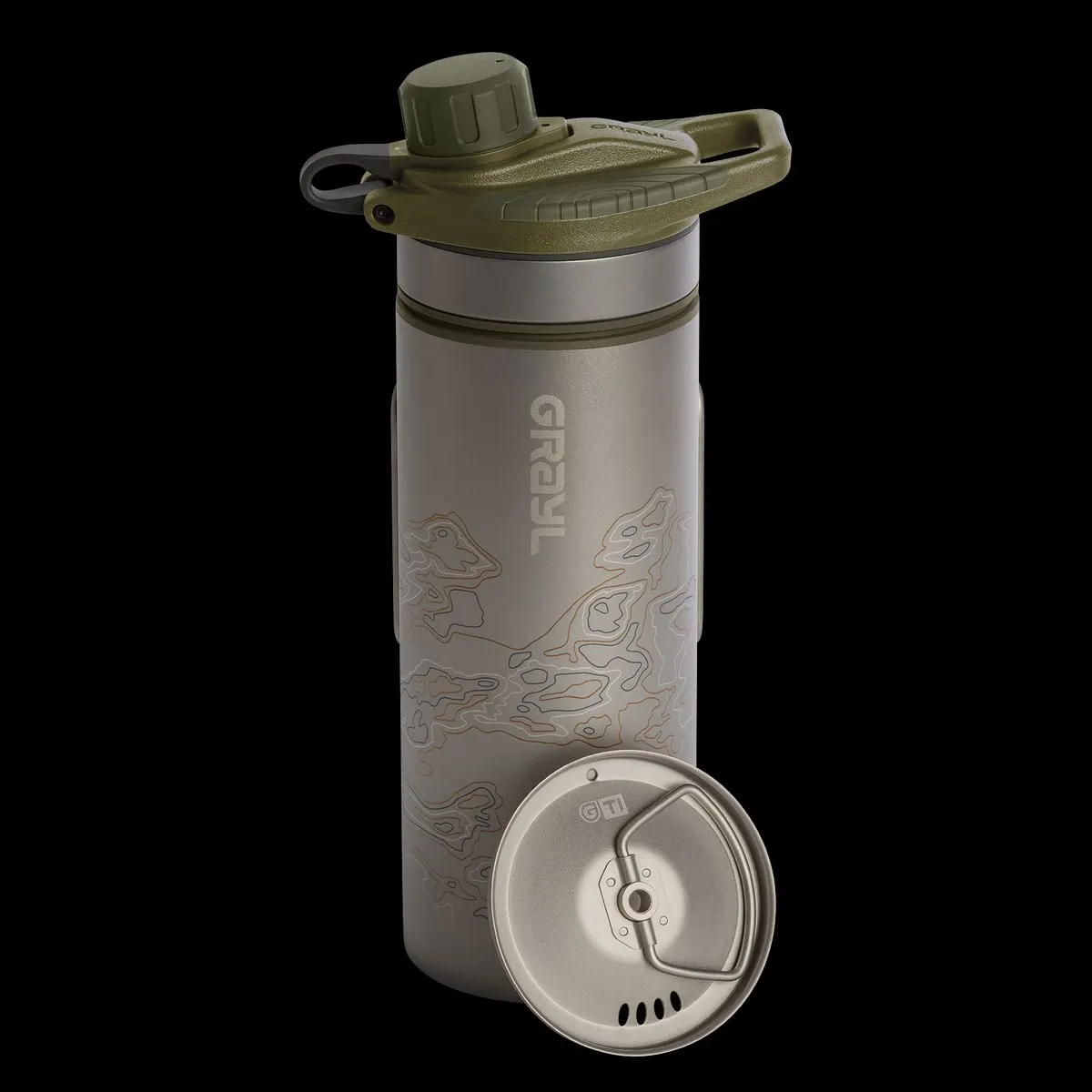
Grayl GeoPress 24oz Water Purifier Bottle
A bottle-style purifier that Grayl rates to remove viruses, bacteria and protozoa and to reduce many chemicals, heavy metals and microplastics, in one eight-second press with no pumping, power or tablets. It is the only portable purifier on this site with published virus-removal figures and a named EPA test protocol, which matters for international travel and sources downstream of people or livestock. It is for fresh water only (not salty or brackish), and the cartridge must be replaced on schedule.