Portable Kitchen Kit for Weekend Car Camping
A researched checklist for one-to-three-night car and SUV trips with no built-in kitchen: essential vs optional gear, water and grey water, cooler vs 12V fridge, outdoor-only stove rules, packing and cleanup.
Disclosure: As an Amazon Associate I earn from qualifying purchases. Links to Amazon on this page are affiliate links: if you buy through one, VanLifeKitchens.com may earn a commission at no extra cost to you. Read our affiliate disclosure.
The short answer
This is a researched checklist, not a tested kit. Nobody at VanLifeKitchens has packed and cooked from this exact list; it is assembled from manufacturer manuals, published specs and the reviews on this site, and every safety statement below is tied to a manual we read.
For a one-to-three-night car or SUV trip with no built-in kitchen, the core kit is:
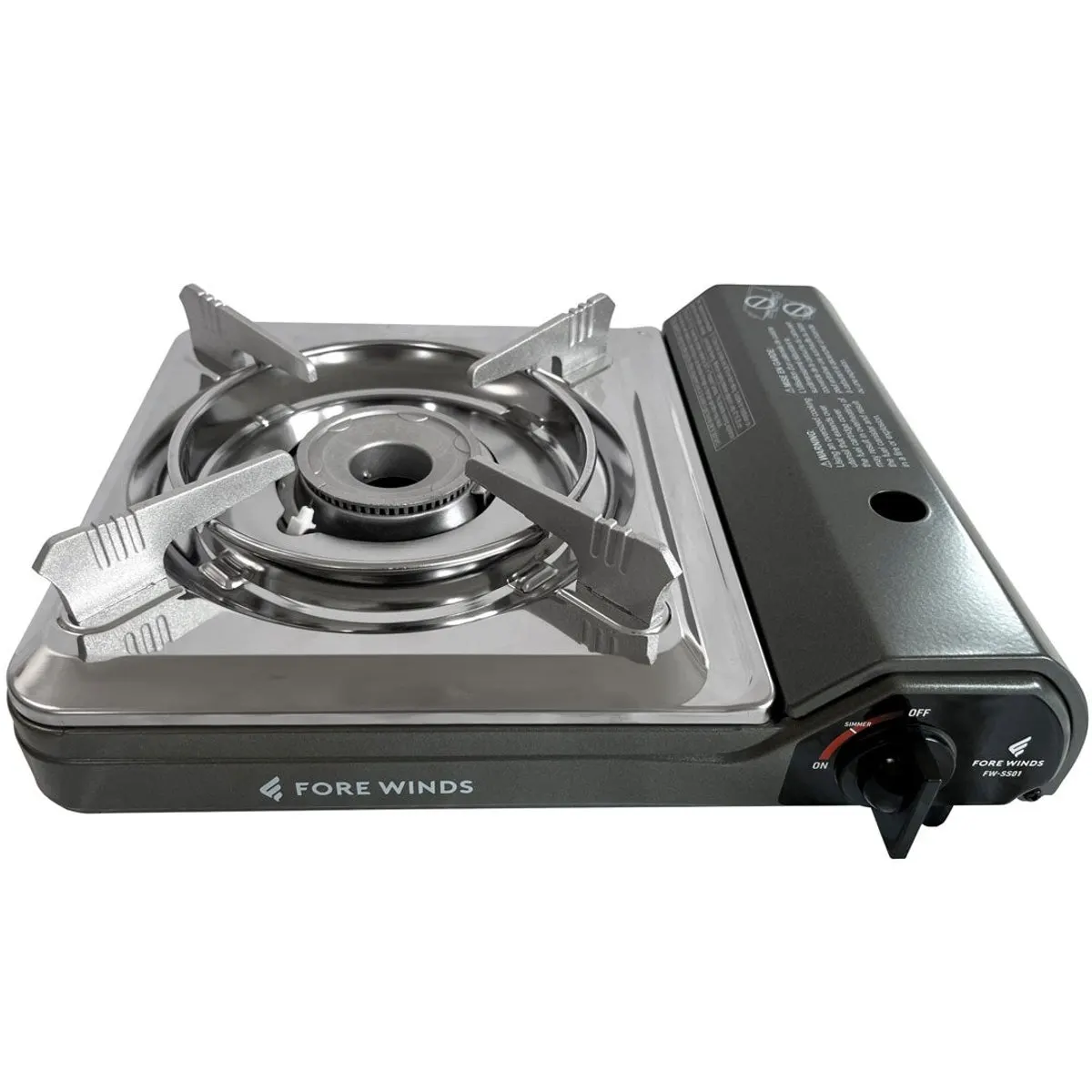
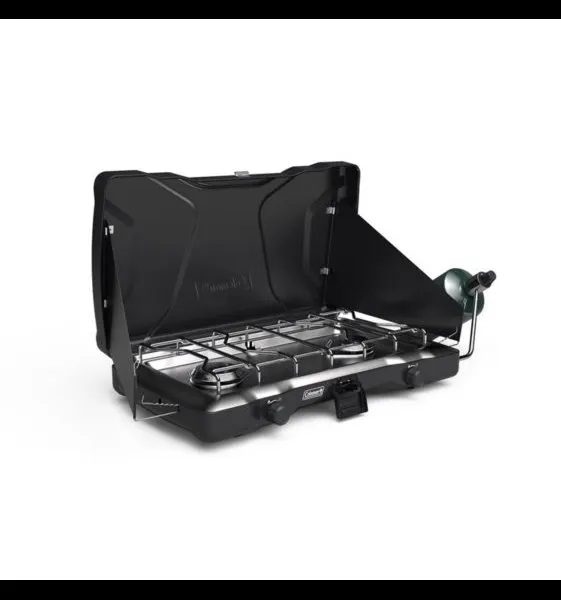
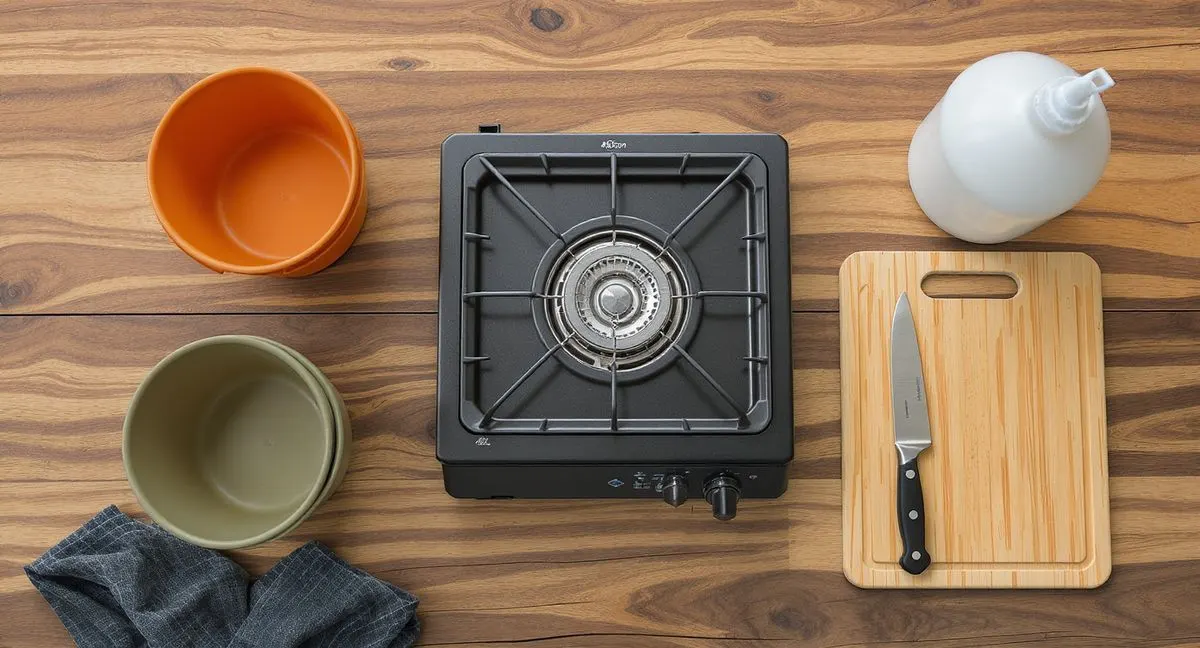
- A stove you use outside the vehicle. The Iwatani Cassette Feu butane stove for one or two people, or the Coleman Triton+ 2-burner propane stove if you want two pots going at once. Both are camp-stove designs that their makers label for outdoor cooking.
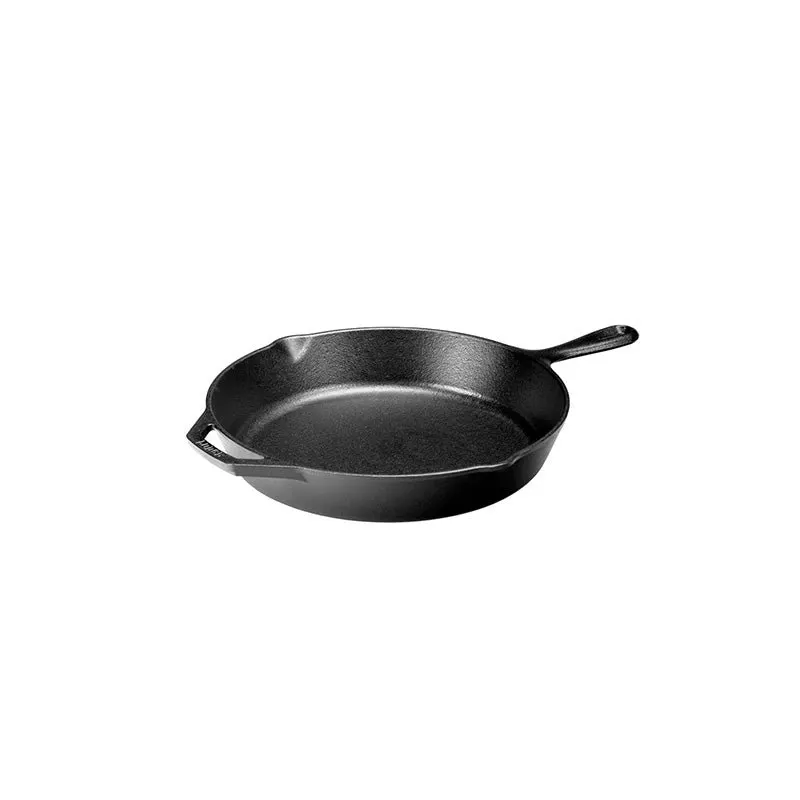
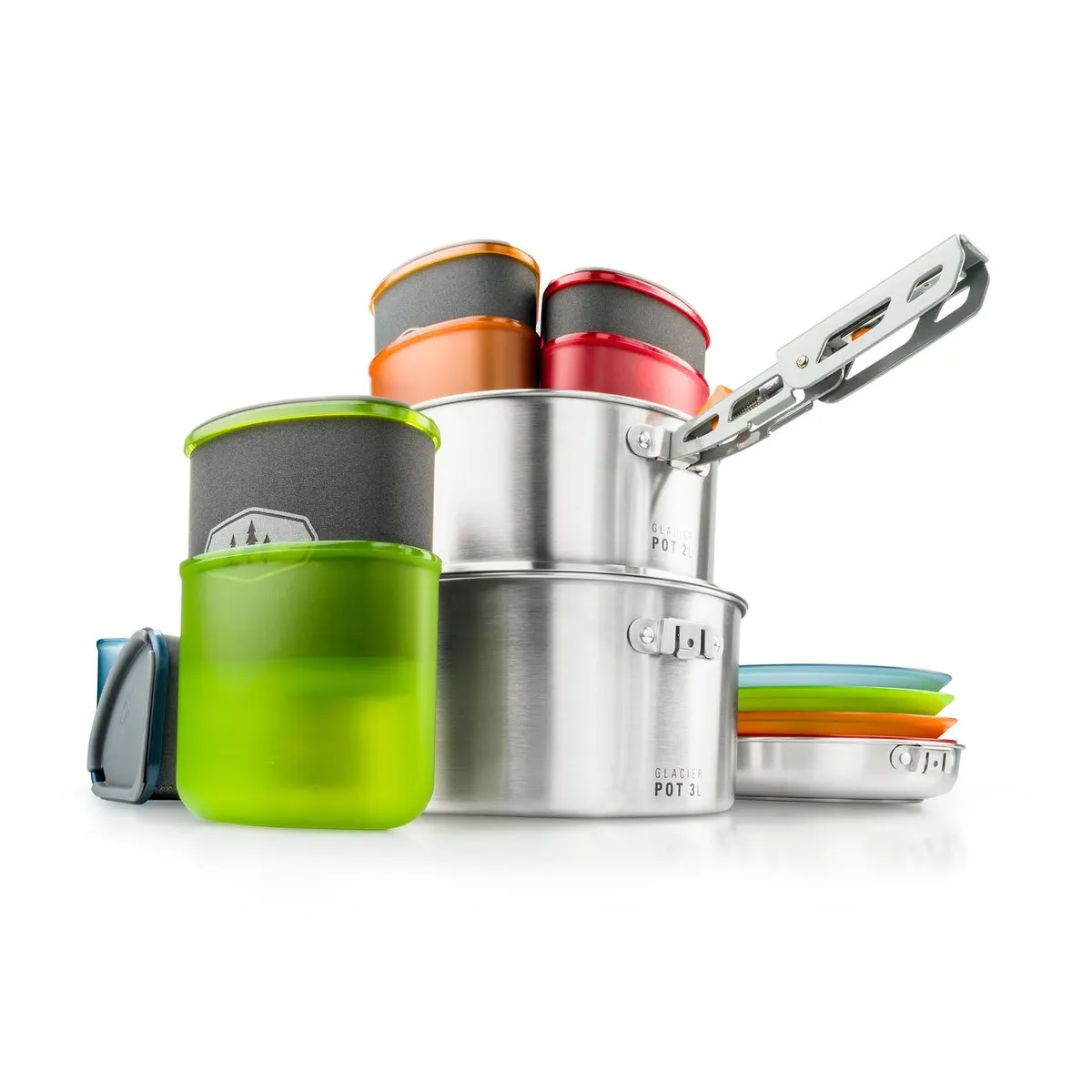
- One pot and one pan. A Lodge L8SK3 10.25-inch cast iron skillet plus a lidded pot, or a nesting set such as the GSI Glacier Stainless Camper cookset.
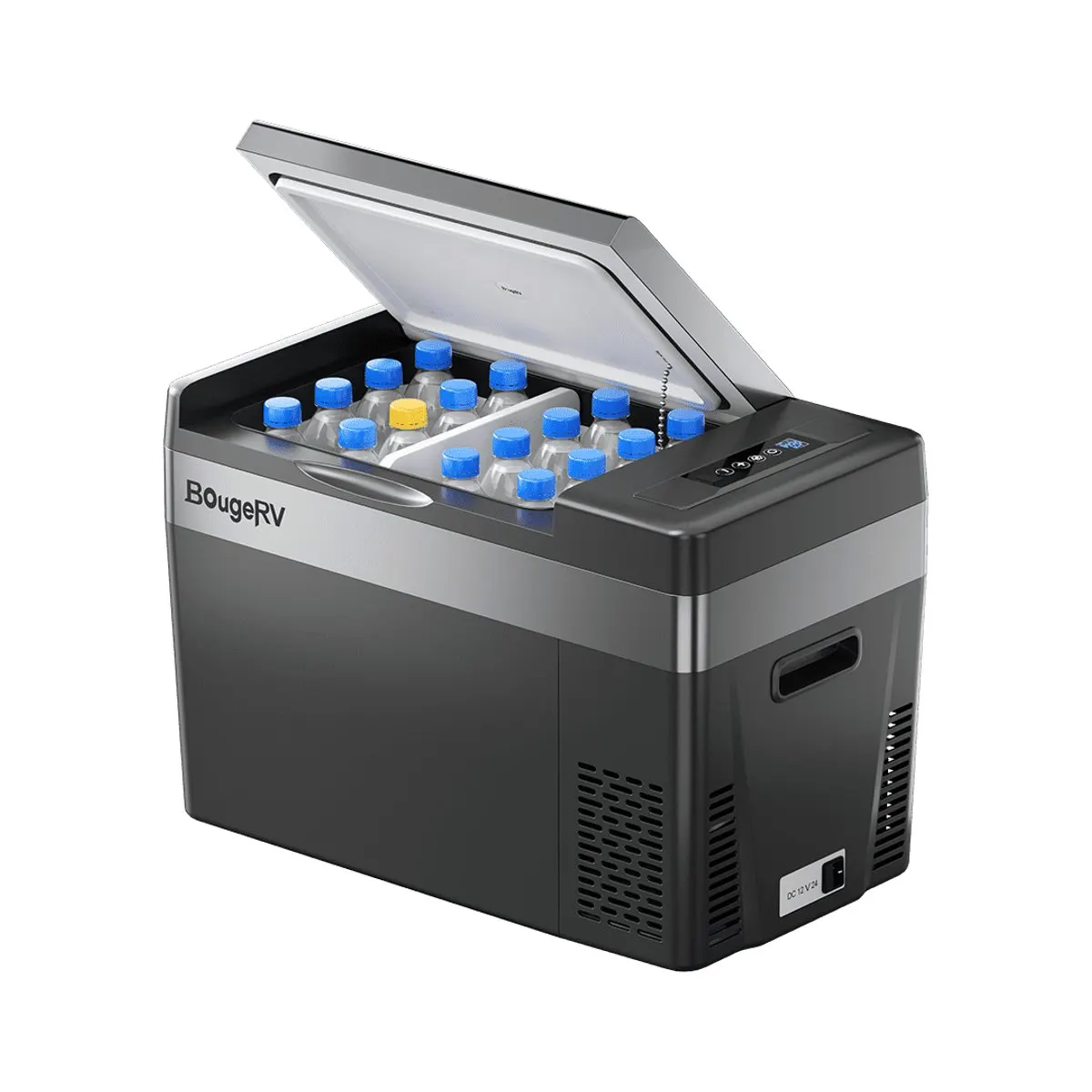
- Cold storage. A cooler you already own for one or two nights, or a 12V compressor fridge such as the BougeRV CR 30 Quart if you take these trips often or the weather is hot.
- Water you carry in, and a container for grey water. A filter only if you plan to use water that isn't from a treated tap.
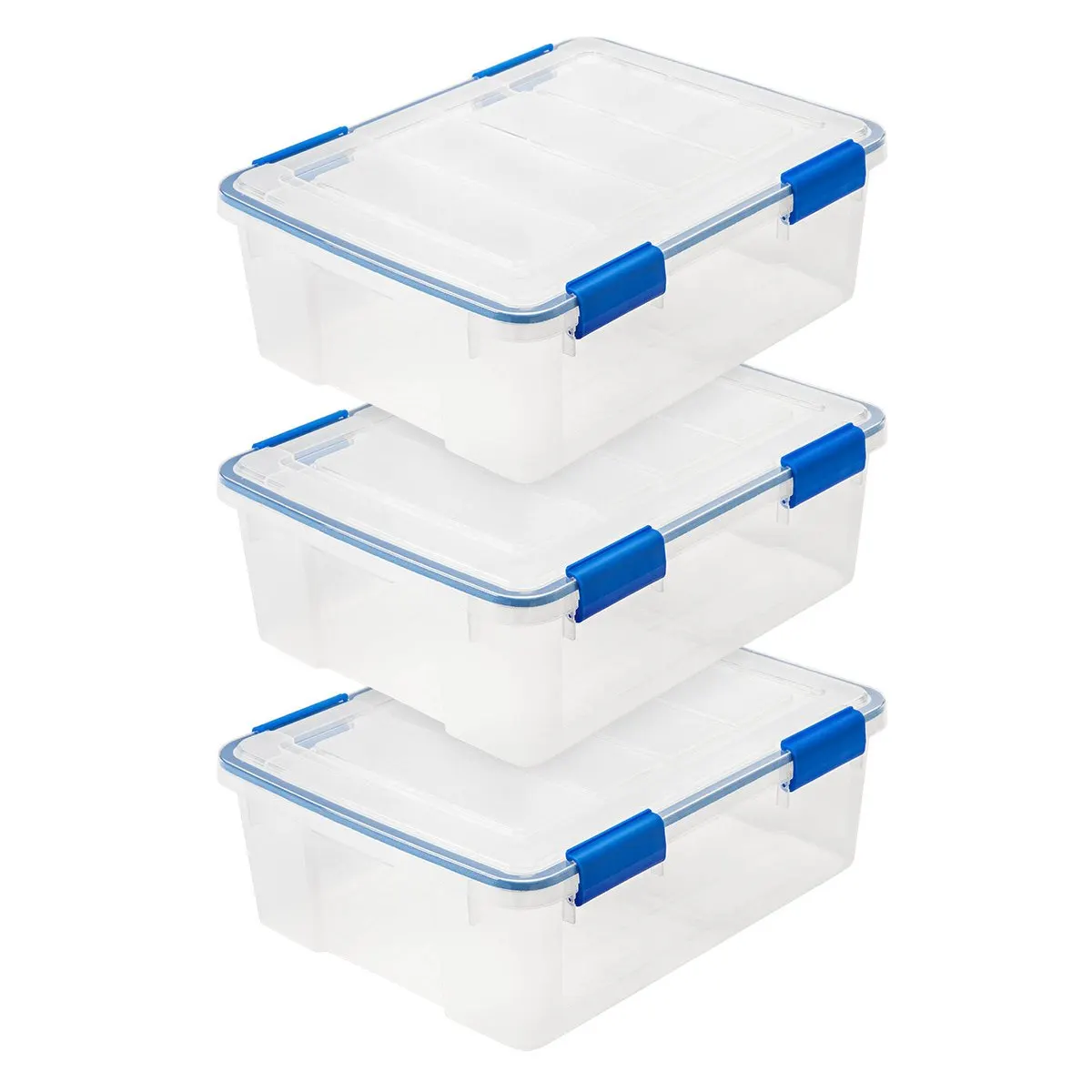
- Two bins so the kitchen packs and unpacks the same way every trip: IRIS USA Weathertight 19-Qt bins or a Front Runner Wolf Pack Pro.
Most people already own half of this. Start with what's in your home kitchen and buy only the gaps.
Who this checklist is for
This checklist assumes a specific trip, because the right kit changes a lot with trip length and vehicle.
- Vehicle: a car, hatchback, wagon or SUV. Not a van with a galley, and not an RV.
- Trip length: one to three nights. Long enough that you'll cook real meals, short enough that you can carry all your water and bring food from home.
- No built-in kitchen: nothing is plumbed, wired or bolted in. Everything comes out of the car, gets used, and goes back in.
- Where you stay: campgrounds, dispersed sites where camping is allowed, or a friend's driveway. The checklist assumes you can cook outside on a stable surface.
- Group size: one to three people.
It is not for full-time living, multi-week trips without resupply, or anyone who needs to cook inside the vehicle in bad weather. A combustion camp stove cannot be used inside a car, so if rain or cold would stop you from cooking outside, plan cold meals for those times or look at a different setup. The Subaru Outback Micro Kitchen and the Minivan Weekend Camper show two worked layouts for vehicles like these.
The storage space this kit assumes
The checklist is sized to fit in roughly the space a compact SUV's cargo area offers with the rear seats up, shared with sleeping gear and bags. In practice that means room for:
- one cold-storage box (a cooler, or a 12V fridge in the 20-to-30-quart range);
- two lidded bins, one for the cook kit and one for dry food;
- one water jug standing upright;
- the stove, ideally in its own case.
Measure before you buy anything big. The two items that most often don't fit are the cooler or fridge (check height under the cargo cover or parcel shelf) and a two-burner stove, which is wider than a single-burner cassette stove. Keep the stove and the fuel low and secured so they can't slide or tip when you brake.
Essential vs optional equipment
| Item | Essential? | Use what you own? |
|---|---|---|
| Outdoor-use camp stove + fuel | Essential | Yes, if you have one |
| Pot with lid + skillet | Essential | Usually yes |
| Cooler or 12V fridge | Essential | A cooler, often yes |
| Water jug + grey water container | Essential | Often yes |
| Knife, board, spatula, spoon | Essential | Yes |
| Wash tub, soap, sponge, towel | Essential | Yes |
| Water filter | Only if needed | If you have one |
| 12V fridge (instead of cooler) | Optional | Rarely |
| Folding table | Optional | Often yes |
| Coffee maker | Optional | Often yes |
Essentials
A stove for outdoor use. For one or two people, a single-burner butane cassette stove is the simplest choice: one 8 oz cassette clicks in, there's no hose, and it packs flat. The Iwatani Cassette Feu is the better-built option on the site; the Gas One GS-1000G is the budget alternative. For three people, or anyone who wants rice and a skillet going at once, a two-burner propane stove like the Coleman Triton+ helps. Coleman's manual lists 11,000 BTU/h per burner and 16 oz disposable propane cylinders. Bring a lighter as a backup to any push-button igniter; Coleman's manual notes the igniter may not spark when the stove is wet.
A pot and a pan. A lidded pot of about 2 to 3 litres handles pasta, rice, soup and dishwater. A 10-inch skillet handles eggs, tortillas, burgers and stir-fries. The Lodge L8SK3 is heavy but works on every heat source in this guide; if weight matters more, use the pans you already have. A nesting set like the GSI Glacier Stainless Camper packs pots, a pan and dishes into one block; note that GSI doesn't list it as induction-compatible, which only matters if you later add an induction cooktop.
Prep basics. One sharp knife, a board, a spatula and a spoon. A folding knife such as the Opinel No. 8 packs small; a kitchen knife from home works just as well if you sleeve the blade.
Cleanup basics. A small wash tub, biodegradable soap, a sponge or scrubber, a towel and trash bags. For cast iron, a Lodge chainmail scrubber cleans with very little water.
Optional
A 12V fridge (covered below), a folding table at a comfortable height, a coffee maker such as the AeroPress, and a headlamp. None of these are needed for a good weekend, and most people already own a table and a light. If you don't, the site reviews camp tables and chairs, including two GCI folding tables that hold a camp stove outside, and camp lanterns and headlamps for cooking and washing up after dark.
Water handling: carry-in, grey water, and filtering only if needed
Carry your water in. For a weekend, the simplest plan is to fill a rigid jug with a spigot from a treated tap at home or at the campground. Water use varies a lot with how you cook and wash, so measure your own: run one normal dinner and cleanup at home from a jug and note how much you used. Then multiply by meals and days, add drinking water for each person, and add a margin. Water is heavy (about 8.3 lb per US gallon), so keep the full jug low and secured.
Grey water. Dishwater with food scraps isn't clean water. Scrape plates into the trash first, strain the dishwater, then dispose of it where the campground or land manager allows: many developed campgrounds have a utility sink or a designated drain. Where there's no facility, follow the local rules. Some places allow scattering strained grey water well away from water sources and camps, and some require you to pack it out. A second jug or a lidded bucket gives you that option. See the dishwashing system guide for a low-water routine.
Filter only if you need to. If all your water comes from treated municipal or campground taps, you don't need a filter. A filter becomes useful if you plan to refill from a stream, lake or questionable spigot. Know what each type does:
- Hollow-fiber filters such as the Sawyer Squeeze or Katadyn BeFree are aimed at bacteria and protozoa. They do not remove viruses, dissolved chemicals, salt or heavy metals.
- Purifiers are designed to also handle viruses.
- Carbon or taste filters improve taste and some chemicals, but aren't a substitute for treating untreated water.
Check the claims and any certification on the review page and the manufacturer's literature for the exact model before you rely on it. The water filtration guide explains the categories in more detail.
Food storage: cooler vs 12V fridge
For one or two nights in mild weather, a good cooler you already own is usually enough. Pre-chill it, use block ice or frozen water bottles (which double as drinking water as they melt), keep raw meat sealed and low, and open the lid as little as possible. A freezable bag like the PackIt Freezable Grocery Bag is useful for the drive and for lunch, but it isn't a substitute for a cooler over a weekend. If you need to buy one, the site's cooler reviews cover three hard coolers and one soft cooler, with their published sizes and ice capacities.
A 12V compressor fridge starts to make sense if you camp often, camp in heat, or keep going past two nights, because there's no ice to buy and no meltwater. The trade-off is power:
- Power source. Most run from the car's 12V socket, which only supplies power reliably while the engine runs unless the socket stays live with the ignition off, and running the fridge from the starting battery overnight can leave it too flat to start the car. Use the fridge's battery-protection setting, a separate battery, or a portable power station. BougeRV's manual for its 30-quart model lists three cut-out settings at 12V: 11.3 V (High, the factory default), 10.1 V (Medium) and 9.6 V (Low), and suggests the High setting when connected to a car battery.
- Energy. BougeRV rates the 30-quart model at 45 W in ECO mode and 60 W in MAX mode, and says daily use is "far less than 1kwh/day." Those are rated input figures, not a measured daily average. As a planning estimate only: if the compressor averaged a 40% duty cycle at 45 W, that's about 430 Wh per day, or about 36 Ah at 12 V nominal. Hot weather, a warm car, a low setpoint and frequent lid openings push that higher. Use the fridge battery calculator to work through your own numbers.
- Ventilation clearance. Compressor fridges need room to shed heat. BougeRV's manual asks for at least 200 mm (about 8 in) of space behind the fridge and at least 100 mm (about 4 in) at the sides. Don't bury it under sleeping bags.
Cooking-location restrictions
This is the part of the checklist that isn't optional.
Camp stoves are outdoor appliances. Coleman's instruction manual for its 5461-series propane stoves (the series covering the Triton) says the stove is "for outdoor use only" and "Never use inside house, camper, tent, vehicle or other unventilated or enclosed areas," and adds "Not for home or recreational vehicle use." Iwatani's manual for its ZA-3HP cassette stove (the earlier Cassette Feu model) says the appliance "is also for use as an outdoor only camp cooking appliance. It may not be used indoors in tents, campers, apartments or other confined areas," and that using it in an enclosed space such as a camper, tent, car or home can kill you. We couldn't find a manual for the exact gray Cassette Feu sold on Amazon, so read the label and manual in the box; treat any butane or propane camp stove as outdoor-only unless its own manual says otherwise.
That means: not in the car, not in the tent, and not inside a vehicle with the doors open. A CO alarm, an open window or a fan does not make an outdoor-only stove acceptable indoors. A CO alarm is a last-line warning device, not permission.
Clearance from things that burn. Coleman's manual sets minimum clearances from combustible materials of 12 inches at the sides and 48 inches above the stove. That rules out cooking directly under a raised SUV hatch, a low awning or overhanging branches. Set the stove on a stable, level, non-flammable surface away from the car, tent and fuel.
Fuel handling. Coleman says never to store propane where temperatures exceed 120°F, and Iwatani tells you to remove the butane canister before storing the stove. A closed car in the sun gets hot, so keep spare fuel shaded and out of the cabin where you can, and change cylinders outdoors away from flames.
Cold weather. Butane vaporises poorly near and below freezing, so a butane stove can lose power on cold mornings. Keep the cassette warm (in a jacket pocket, not near the burner) before use, or choose propane for cold-weather trips. Coleman's manual says to store and operate its stove where the temperature won't fall below -0.4°F. See the cold-weather cooking guide.
Park and fire rules apply. Campgrounds, parks and forests set their own rules, and fire restrictions can change during dry periods. Some restrictions ban wood and charcoal fires but still allow stoves with an on/off valve; stricter ones can limit more. Check the current rules for the specific park or forest before you go, and follow posted signs at the site.
For the reasoning behind these rules, read the van cooking safety guide and the ventilation guide.
Packing so the kitchen sets up in minutes
The kit works best when it always packs the same way.
- Bin 1: cook kit. Stove (in its case), fuel, lighter, pot, pan, utensils, knife, board, wash tub, soap, sponge, towel, trash bags. If it all fits in one bin, you can't forget part of it.
- Bin 2: dry food. Breakfast, lunch and dinner staples, oil, salt and a few spices, coffee. See the pantry staples guide for long-keeping options.
- Cold box: perishables, packed in the order you'll use them so the lid is open for less time.
- Water jug: upright, full, and secured.
Do the prep you can at home: chop onions, marinate meat, measure rice into a bag, and freeze one dinner flat to act as an ice pack. Cooking at camp then becomes heating and assembling. The one-pot meals guide has recipes that fit a single pot and a single burner.
Cleanup
- Wipe pans with a paper towel while they're still warm, and scrape food into the trash.
- Heat a little water in the pot, wash in the tub with a small amount of soap, and rinse sparingly.
- Strain the dishwater and dispose of it where the site allows, or pack it out.
- Pack trash out. Wildlife-proof storage rules apply in many areas, so keep food and trash in the car or a provided locker, not in the tent.
- At home, dry everything fully before it goes back in the bin, oil the cast iron lightly, and refill the fuel and water so the kit is ready for next time.
What to verify before you buy or go
- The cooler or fridge's external dimensions against your cargo area, including height under any cargo cover.
- Your 12V socket: whether it stays live with the ignition off, and its fuse rating.
- The stove's manual and label, including the operating location, clearances and fuel type.
- The water source at your campground: whether it's potable, and whether it's turned on for the season.
- The current fire rules for the park or forest.
FAQ
Is this a tested kit? No. It's a researched checklist built from manufacturer manuals, published specs and our product reviews. We haven't packed and cooked from this exact list ourselves.
Can I cook in my car or tent if it's raining? Not with a butane or propane camp stove. Coleman and Iwatani both tell you never to use their camp stoves in a vehicle, tent or other enclosed space, because of carbon monoxide. Plan cold meals, cook under a separate open-sided shelter that meets the stove's clearance requirements, or wait out the rain.
Do I need a 12V fridge for a weekend? Usually not. A pre-chilled cooler with block ice handles one or two nights in mild weather. A 12V fridge makes more sense for frequent trips, hot weather, or longer stays, as long as you have a way to power it without draining the starting battery.
Do I need a water filter? Only if you'll use untreated water. Treated campground and municipal taps don't need one. If you do filter, remember that hollow-fiber filters don't remove viruses or chemicals.
Butane or propane for a weekend kit? Butane cassette stoves are compact and simple for one or two people in mild weather. Propane copes better in the cold, and a two-burner propane stove is easier for three people. Both are outdoor appliances. See induction vs butane vs propane for a longer comparison.
Sources and verification
Manufacturer documents we opened for the specs and warnings above (copies hosted on Amazon or the maker's own file storage), each checked 2026-10-09:
- Coleman 5461 Series propane stove instructions, the manual attached to the Coleman Triton+ Amazon listing: outdoor-use-only and vehicle warnings, 11,000 BTU/h per burner, 16 oz cylinders, 12 in side and 48 in top clearances, storage temperatures. Checked 2026-10-09.
- Iwatani Cassette Feu ZA-3HP instruction manual (Iwatani Corporation of America): outdoor-only camp-use statement, carbon monoxide warning, canister storage. This is the earlier model; we could not find a manual for the current gray listing. Checked 2026-10-09.
- BougeRV 30 Quart / 23 Quart user manual: 45 W ECO and 60 W MAX ratings, battery-protection cut-out voltages, ventilation clearance. Checked 2026-10-09.
Products covered in this guide
Disclosure: As an Amazon Associate I earn from qualifying purchases. Links to Amazon on this page are affiliate links: if you buy through one, VanLifeKitchens.com may earn a commission at no extra cost to you. Read our affiliate disclosure.